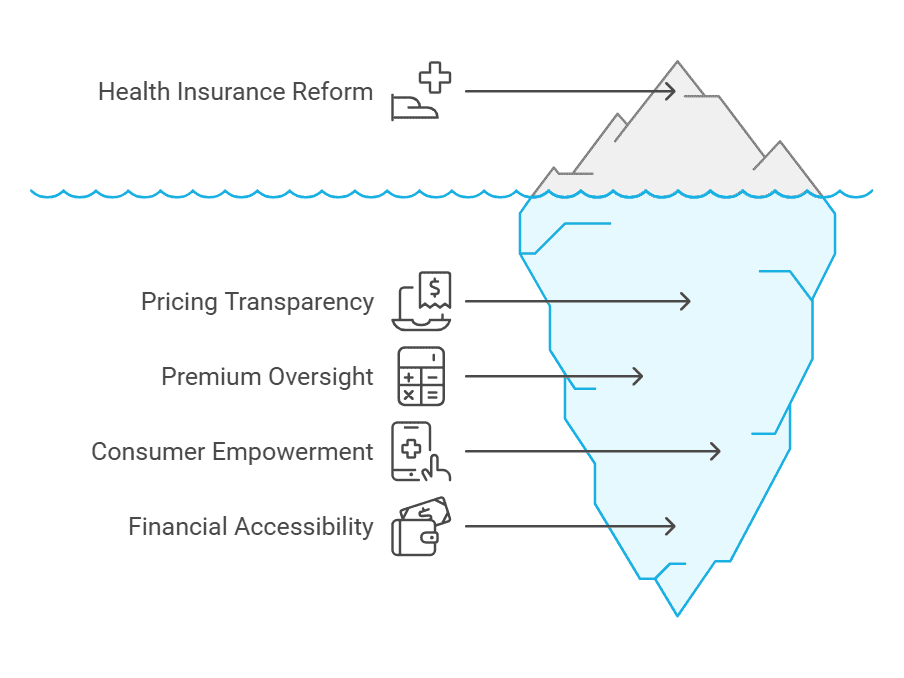
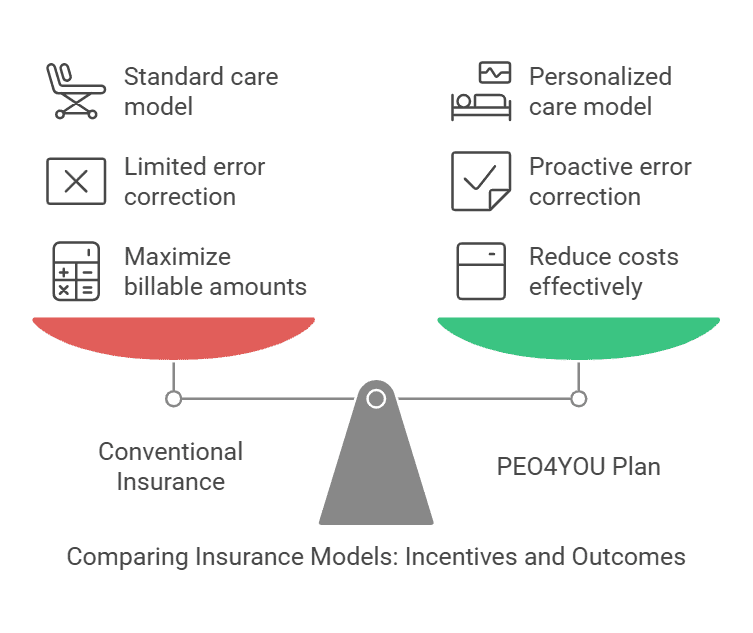
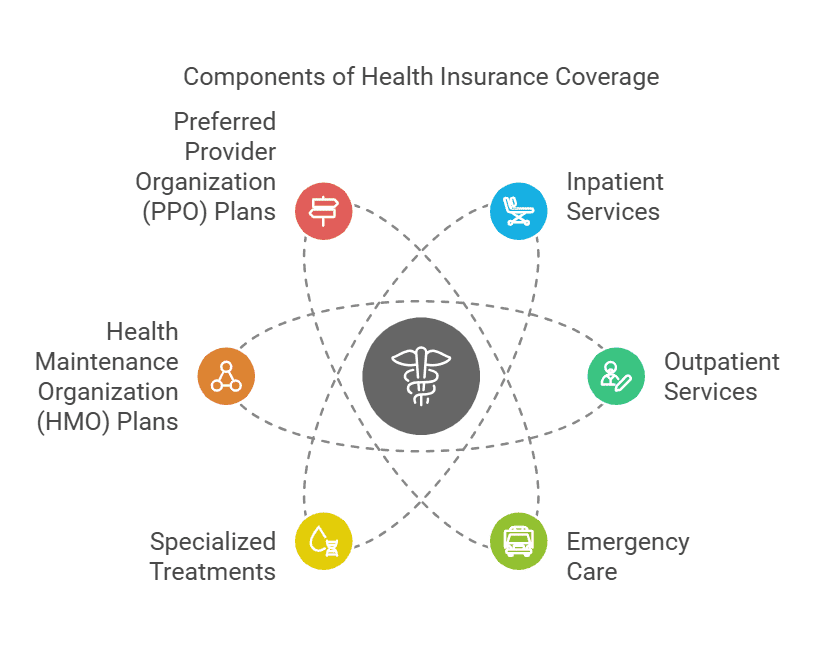
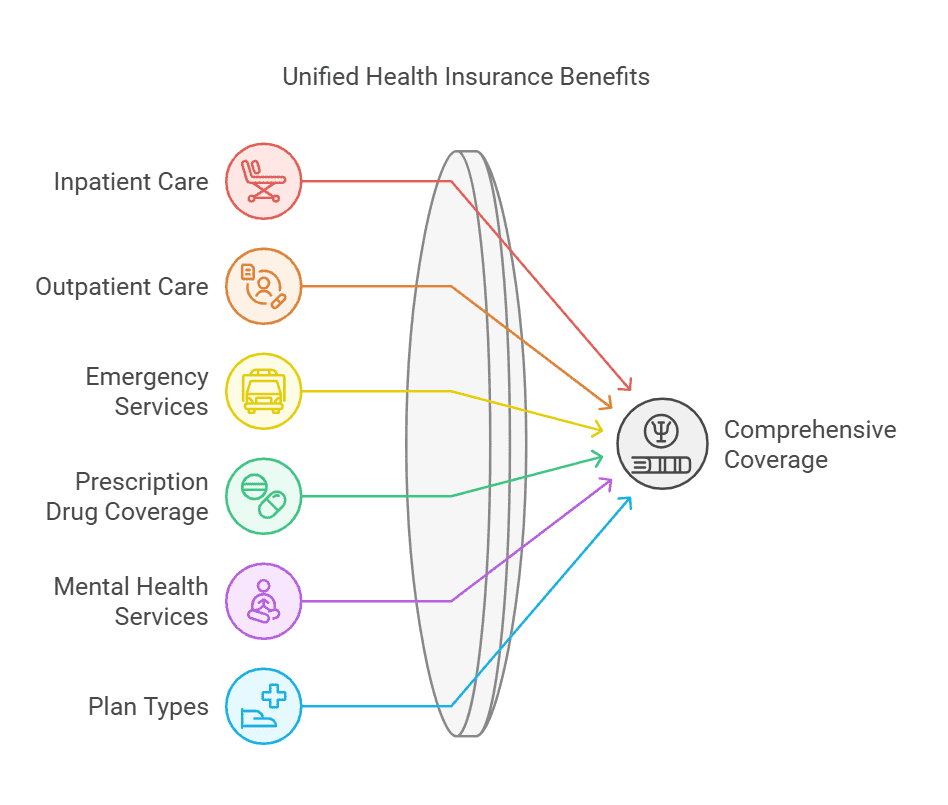
The Affordable Care Act (ACA) has significantly transformed health insurance in the United States, striving to make affordable health coverage accessible to millions. As of January 2025, the ACA Marketplace has witnessed record-breaking enrollment numbers, with nearly 24 million consumers selecting health plans for the 2025 coverage year. This surge underscores the critical role of the Marketplace in providing affordable health coverage to individuals and families nationwide.
Court Decisions on Nondiscrimination
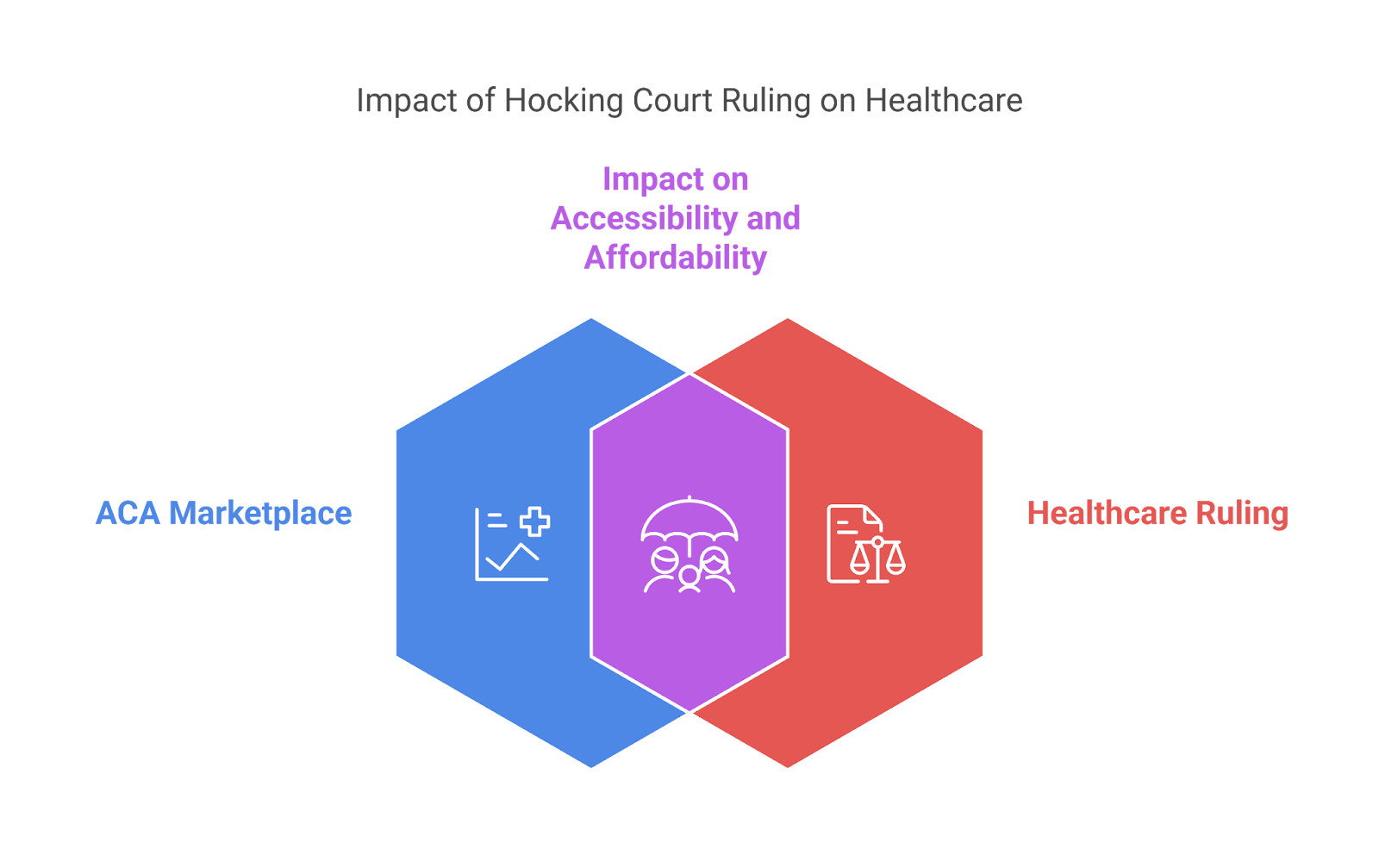
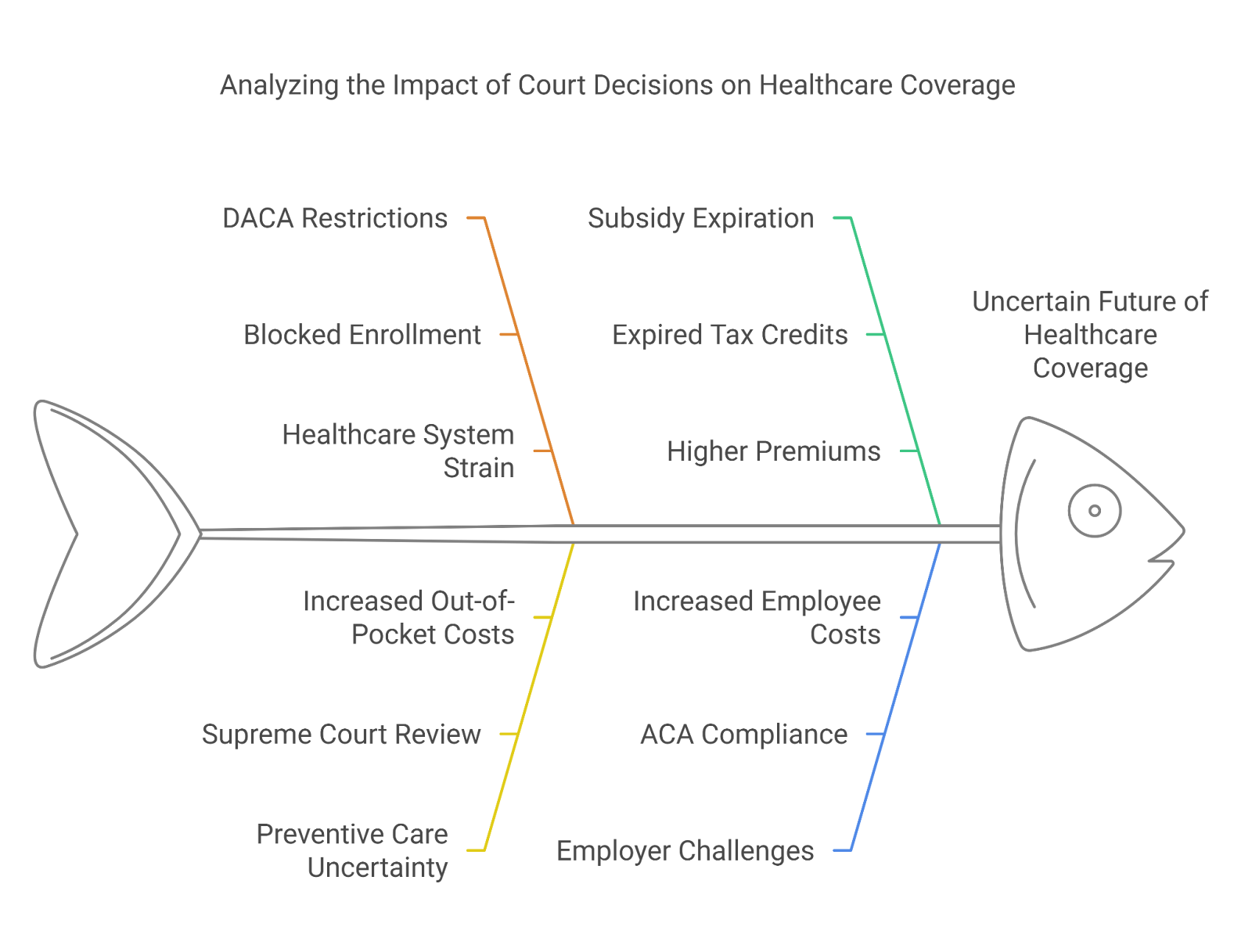
Recent legal developments have impacted the ACA’s nondiscrimination policies, particularly concerning Deferred Action for Childhood Arrivals (DACA) recipients. On December 9, 2024, the U.S. District Court for the District of North Dakota issued a preliminary injunction in Kansas v. United States of America, partially blocking the implementation of a rule that allowed DACA recipients to enroll in qualified health plans through the Health Insurance Marketplace. This injunction affects 19 states involved in the lawsuit, temporarily preventing DACA recipients in these states from accessing Marketplace coverage.
Additionally, the Supreme Court has agreed to review cases challenging the ACA’s preventive services mandate, which requires insurers to cover certain services, such as cancer screenings and HIV prevention medication, without cost-sharing. Employers have raised religious and procedural objections to this mandate, leading to legal battles that could reshape the scope of preventive healthcare coverage under the ACA.
Current State of Medical Care
The ACA Marketplace continues to offer a variety of health plans, enabling consumers to select options that best suit their medical needs and financial situations. The availability of new medical plans has expanded, providing comprehensive coverage with several key benefits:
Affordability and Tax Credits
Enhanced premium tax credits remain in place through 2025, making Marketplace plans more affordable.
About four out of five consumers on HealthCare.gov can find plans for $10 or less per month after financial assistance.
Essential Health Benefits
All ACA-compliant plans must cover 10 essential health benefits, including:
Preventive care (annual check-ups, vaccinations, cancer screenings)
Prescription drugs
Mental health and substance abuse services
Maternity and newborn care
Emergency services and hospitalizations
New Coverage Options
The introduction of new medical plans includes expanded telehealth services and lower-cost generic prescription options.
More insurers are offering high-deductible health plans (HDHPs) paired with Health Savings Accounts (HSAs) to give consumers greater flexibility.
Rising Enrollment Numbers
The 2025 Open Enrollment Period has seen record-breaking participation, with nearly 24 million Americans selecting health plans.
More rural areas and underserved populations are accessing ACA Marketplace plans than ever before.
Increased Focus on Preventive Care
With preventive services mandated by the ACA, insurers must cover screenings and wellness visits without cost-sharing.
However, upcoming Supreme Court cases could impact the range of services covered, making legal developments crucial to watch.
Network and Provider Availability
The expansion of new medical plans ensures a wider provider network, but out-of-network coverage remains limited for some enrollees.
Consumers should verify whether their preferred doctors and hospitals are included before selecting a plan.
Previously, DACA recipients were eligible for new medical plans through the ACA Marketplace across all 50 states.
This provided thousands of individuals with affordable health coverage, including preventive care and prescription benefits.
Preventive Services Mandate
Before legal challenges, insurers were required to cover services like cancer screenings, contraception, and HIV prevention medication without cost-sharing.
Millions benefited from free or low-cost early disease detection and management.
Expanded Coverage for Vulnerable Populations
More individuals, including low-income families and gig workers, could enroll in new medical plans with significant premium tax credits.
Federal subsidies played a crucial role in keeping Marketplace insurance costs low.
After Recent Court Decisions
Restrictions on DACA Recipients
As of December 9, 2024, a court injunction has blocked DACA recipients from enrolling in new medical plans in 19 states (Alabama, Arkansas, Florida, Idaho, Indiana, Iowa, Kansas, Kentucky, Missouri, Montana, Nebraska, New Hampshire, North Dakota, Ohio, South Carolina, South Dakota, Tennessee, Texas, and Virginia.).
This ruling affects thousands of individuals who previously relied on ACA coverage for medical care.
Legal Uncertainty Around Preventive Care
The Supreme Court has agreed to review cases that could remove mandatory preventive service coverage, potentially increasing costs for policyholders.
If the ruling changes, individuals may need to pay out-of-pocket for services previously covered at no cost.
Possible Changes to Subsidies and Premiums
The expiration of enhanced premium tax credits in 2025 could increase monthly costs for many enrollees.
If Congress does not extend these benefits, millions may see higher premiums for new medical plans in 2026.
Uncertainty for Employers Offering ACA Plans
Businesses providing ACA-compliant insurance may need to reassess coverage options based on upcoming court rulings.
This could lead to modifications in employer-sponsored benefits and potential cost increases for employees.
What This Means for Consumers
Individuals should stay informed about potential coverage changes due to ongoing court decisions.
Checking Marketplace plan details and ensuring network providers are covered is crucial before enrolling in a new medical plan.
Consumers should anticipate possible premium increases in 2026 if federal subsidies are not renewed.
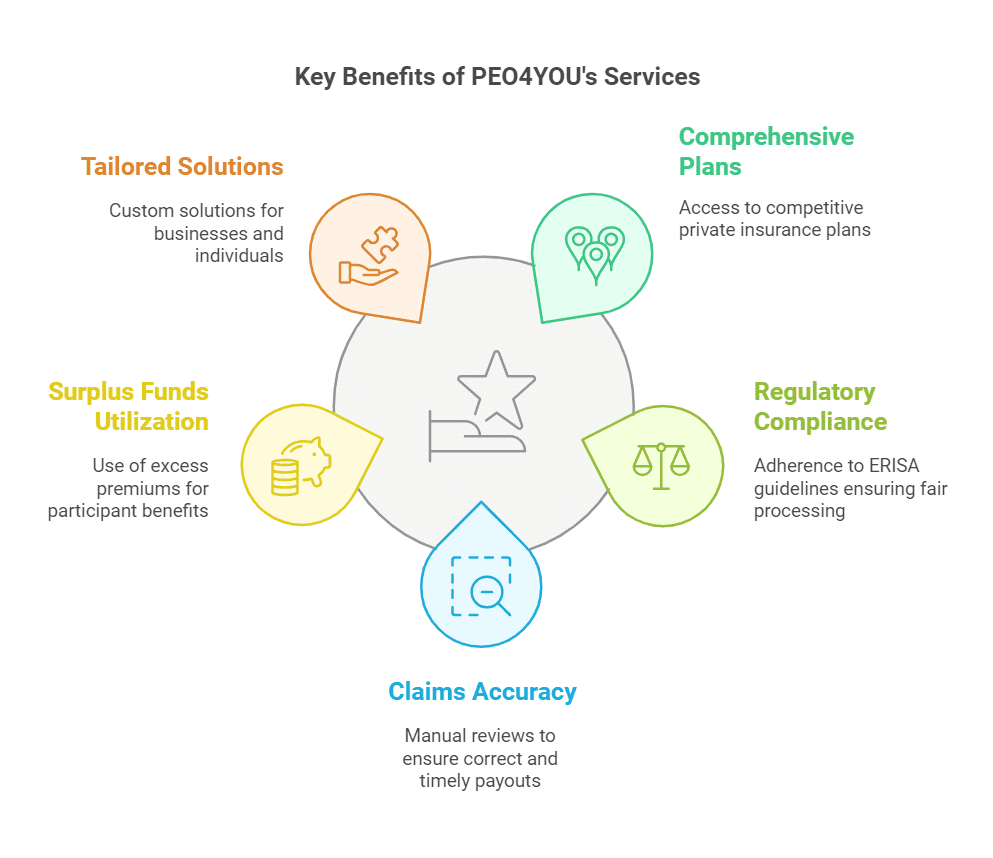
Organizations like PEO4YOU can help businesses and individuals navigate these changes by offering tailored health insurance solutions.
Adapting to Change: How PEO4YOU Helps You Navigate Healthcare.
Navigating the complexities of health insurance can be daunting, especially with the dynamic nature of healthcare policies and legal decisions. Organizations like PEO4YOU play a vital role in assisting individuals, families, and small businesses in finding suitable health care plans. By offering tailored group health plans that include essential benefits such as preventive care, specialist visits, and prescription coverage, PEO4YOU ensures that clients have access to comprehensive and affordable health coverage. Their expertise as intermediaries between clients and health insurance companies simplifies the process of selecting and enrolling in new medical plans, providing valuable support in an ever-changing healthcare environment.
People find receiving medical bills confusing and frustrating even when they are insured. While many health insurance policyholders expect complete coverage for medical costs their insurance might still result in unexpected bills due to numerous reasons. This section provides insight into typical situations when you receive a medical bill and guidance on how to handle them.
Out-of-Network Providers
When you visit an in-network hospital or clinic they may employ specialists like anesthesiologists and radiologists who are not covered by your network. Your insurance covers just a part of their bill so you must cover the rest of the total cost. Balance billing happens when your healthcare provider bills you for the gap between their overall charges and what your insurance covers.
Example: During surgery at an in-network hospital you find your anesthesiologist is not included in your insurance network. Your insurance covers part of your medical expenses but you will receive another bill for the outstanding balance.
Solution:While the No Surprises Act offers protection from specific out-of-network billing charges you still need to confirm provider network status before non-emergency care.
Insurance Deductibles and Copayments
Within your healthcare insurance plan you’ll find a deductible which represents the portion you pay yourself before insurance starts covering expenses. Many insurance plans require patients to cover a portion of medical expenses via copayments or coinsurance payments even after fulfilling their deductible obligations.
Example: The deductible for your healthcare insurance coverage stands at $1,500. You must pay $1,500 from your pocket for a $2,000 medical bill if you haven’t reached your annual deductible yet with insurance covering the rest according to your plan’s specifics.
Solution: Study your healthcare insurance coverage documents to learn about your deductible amounts as well as your copayments and upper limits for out-of-pocket expenses.
image
Services Not Covered by Your Insurance
Every insurance plan does not provide coverage for all types of medical services. Certain medical procedures as well as treatments and medications need pre-approval from insurance providers before they can be used and might not be covered by standard insurance plans.
Example: A number of health insurance policies exclude alternative treatments including acupuncture and fertility treatments like in-vitro fertilization (IVF) from their coverage. You may need to pay for these services fully if you decide to receive them.
Solution: Check with your insurance provider to find out if your healthcare insurance plan covers the procedure you plan to undergo.
Prior Authorization Was Not Obtained
Healthcare insurance coverage plans often stipulate that pre-authorization must be obtained before they will pay for certain treatments and specialist visits. Your insurance company is likely to reject your claim if your healthcare provider did not get prior approval.
Example: Your doctor orders an MRI for a non-emergency condition without getting prior approval from your insurance company. The denial of your insurance claim leaves you responsible for the entire amount of the bill.
Solution: You should verify if prior authorization is required before scheduling procedures and make sure that this authorization has been received.
Claim Denial or Coding Errors
Healthcare provider documentation shortcomings and billing code mistakes alongside administrative errors often lead to insurance companies denying claims.
Example: Your healthcare insurance coverage rejects payment when a routine lab test receives a coding error that labels it as a more expensive procedure.
Solution: Request an itemized bill regularly and ensure it matches your Explanation of Benefits (EOB) before appealing any claims that were denied.
Who Is Responsible for Medical Bills Not Covered by Insurance?
Different parties become responsible for unpaid medical bills depending on specific circumstances when healthcare insurance coverage does not fully pay charges. This breakdown points out which parties are accountable and provides steps to handle your medical expenses.
The Patient – Primary Responsibility
As the health insurance policyholder you hold the responsibility for settling medical bills not covered by your insurance plan. This includes:
Your medical insurance begins to pay after you pay a certain amount of money called a deductible.
Specific healthcare services such as doctor visits require you to pay a standard fee of $25 as co-payments.
Your portion of healthcare costs shared with your insurance provider is reflected in coinsurance as a percentage.
Non-Covered Services refer to medical treatments and procedures that your healthcare insurance policy does not cover at all.
What You Can Do With Huge Medical Bills Insurance
Check your Explanation of Benefits (EOB) for any errors.
Reach out to your healthcare provider to verify the charges and ask for a detailed bill.
Inquire about available payment plans or financial assistance programs if you need to do so.
The Healthcare Provider – Willing to Negotiate
Healthcare providers including hospitals and doctors may offer reduced charges on bills or establish payment plans for patients. Financial assistance programs exist at many medical providers to help patients who struggle to pay their bills.
Your Employer (If You Have Employer-Sponsored Insurance)
If your job provides healthcare insurance coverage you may find your employer is available to explain benefits details or help resolve disputes and possibly offer extra benefits.
Certain employers provide health reimbursement arrangements (HRAs) to assist their employees with paying medical expenses directly.
Contact the billing department to inquire about available financial aid options or full payment discounts.
Inquire about spreading your payment across multiple installments through a payment plan.
Patients without insurance or those paying their medical bills personally should attempt to negotiate reduced costs.
Contact your HR or benefits department to discuss any denied insurance claims.
Inquire with your employer about available HRA, HSA, or FSA options (tax-advantaged accounts to manage medical expenses).
The Insurance Company – Can Reverse Denied Claims
Insurance companies often reject claims because of coding mistakes or missing documentation as well as wrong eligibility assessments. Many denied claims are successfully appealed.
Government Assistance & Non-Profit Organizations
Submit an appeal when you believe that the denial decision was incorrect.
Ask for claim evaluation while submitting extra supporting documents.
Should your appeal fail to overturn the denial, seek help from your state insurance commissioner.
Government programs including Medicaid and hospital charity programs along with nonprofit financial assistance options may be available to people who face difficulties paying medical bills.
What You Can Do
Find out whether your hospital offers a charity care program.
Research state and federal assistance programs including Medicaid to find possible help.
Non-profit organizations provide necessary support to people dealing with medical debt relief.
Final Thoughts
When you receive a medical bill that your healthcare insurance doesn’t cover remember that you still have multiple options available to you. Examine your bill thoroughly before attempting to negotiate the charges and research assistance programs offered by employers as well as government and non-profit organizations.
Mastering Medical Bills: Navigate Insurance Like a Pro
It’s important to determine the cause behind medical billing after insurance coverage to prevent paying costs you shouldn’t. Understanding your healthcare insurance specifics along with reviewing billing mistakes and payment assistance programs enables you to manage medical costs effectively.
PEO4YOU provides small businesses and individuals with affordable healthcare insurance coverage options by helping them find optimal health plans.
Businesses and employees receive necessary coverage through employer-based and individual health plans from experts who eliminate surprise medical costs. PEO4YOU assists both small business owners who offer health benefits and individuals searching for complete healthcare plans by simplifying the process and connecting them with suitable insurance options.
Choosing the best health insurance plan is a critical decision that directly impacts both your healthcare access and financial security. For individuals and families, the challenge is finding a plan that balances cost, coverage, and flexibility. Understanding the key elements of the best health insurance and following a structured selection process can help you make the most informed choice.
Understanding the Basics of Health Insurance
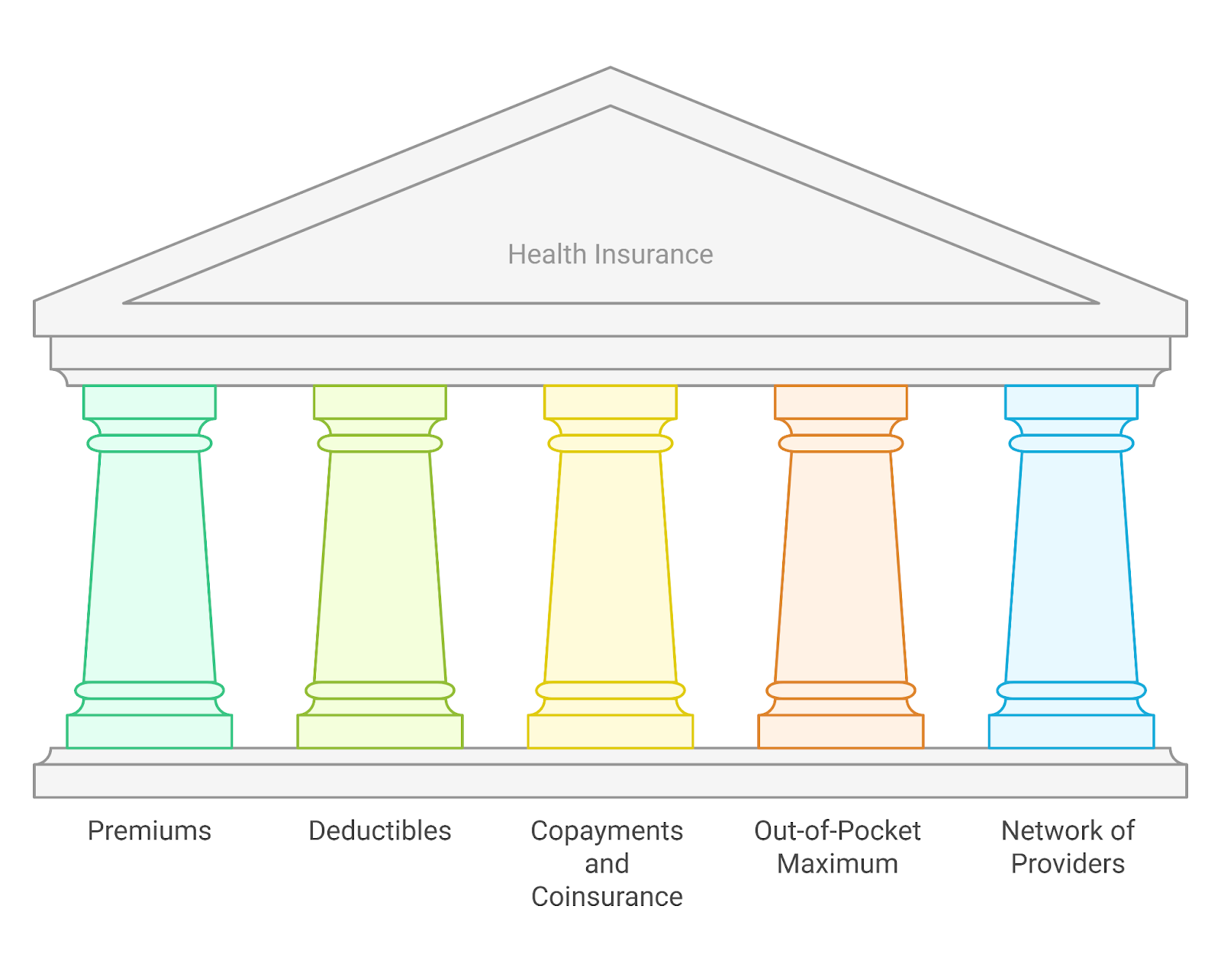
The best health insurance is designed to reduce out-of-pocket medical expenses by covering a portion of healthcare costs. A well-chosen plan ensures financial protection against unexpected medical emergencies and routine healthcare expenses. To select the best health insurance, it is essential to understand the fundamental components that influence costs and coverage. These include:
Premiums: This is the fixed monthly amount you pay to maintain your health insurance coverage, regardless of whether you use medical services. Choosing the best health insurance with an affordable premium can significantly impact your budget.
Deductibles: The deductible is the amount you must pay out-of-pocket before your insurance coverage begins. The best health insurance offers a balance between reasonable deductibles and comprehensive coverage.
Co-payments and Coinsurance: These are your share of medical costs after your deductible is met. Co-payments are fixed amounts paid for specific services (e.g., $25 for a doctor’s visit), while coinsurance is a percentage of the total service cost (e.g., 20% of a hospital bill). Understanding these costs ensures that you choose the best health insurance plan that aligns with your needs.
Out-of-Pocket Maximums: This represents the maximum amount you will have to pay in a given year for covered medical services, including deductibles, co-payments, and coinsurance. The best health insurance provides financial relief by capping these expenses.
Network Providers: The best health insurance plans often have extensive networks of preferred doctors, specialists, and hospitals. Choosing a plan with a broad network ensures greater access to healthcare facilities and minimizes out-of-pocket expenses.
Prescription Drug Coverage: Different plans have varying levels of prescription drug coverage. Reviewing a plan’s formulary (list of covered medications) ensures that your necessary prescriptions are included at an affordable cost. The best health insurance plans include comprehensive medication coverage.
Additional Benefits: Some insurance plans offer added perks such as telemedicine services, wellness programs, dental and vision coverage, and mental health support. The best health insurance enhances overall healthcare access and convenience.
By understanding these critical aspects of health insurance, individuals can make informed decisions and choose the best health insurance plan that aligns with their healthcare needs and financial situation.
Step-by-Step Guide to Choosing the Best Health Insurance Plan for Individuals
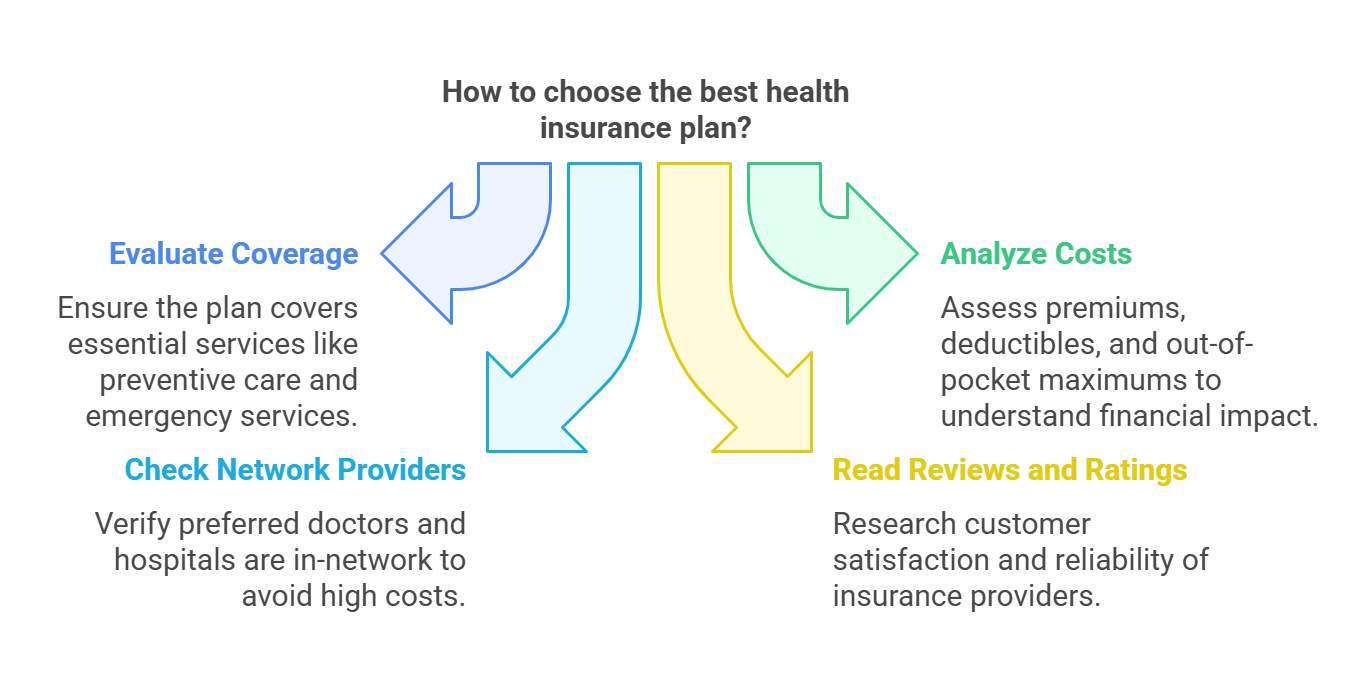
Assess Your Healthcare Needs Evaluate past medical expenses and anticipate future healthcare requirements. Consider factors such as routine checkups, ongoing treatments, and potential emergencies. Understanding your specific health needs can help select the best health insurance plan that offers comprehensive benefits.
Compare Different Plan Types
Health Maintenance Organization (HMO): Requires using network providers and obtaining referrals for specialists. The best health insurance for those seeking lower premiums and coordinated care.
Preferred Provider Organization (PPO): Provides flexibility in choosing doctors and doesn’t require referrals. Ideal for individuals who want broader provider access and the best health insurance coverage.
Exclusive Provider Organization (EPO): Similar to HMOs but without the need for referrals. Out-of-network care is not covered, so selecting the best health insurance with a strong network is essential.
Point of Service (POS): Combines features of HMOs and PPOs; requires referrals but allows out-of-network care at higher costs.
Evaluate Provider Networks Ensure that your preferred doctors, hospitals, and specialists are in-network to avoid high out-of-pocket expenses. The best health insurance plan will provide access to quality care providers without excessive limitations.
Analyze Costs Carefully Finding the best health insurance means balancing costs and benefits. Consider:
Lower premiums often come with higher deductibles and vice versa.
Co-payments and coinsurance can significantly affect out-of-pocket spending.
Individual plans with tax advantages, like Health Savings Accounts (HSAs), can help offset costs while securing the best health insurance for your needs.
Check Prescription Drug Coverage If you take regular medications, review the insurance plan’s formulary to ensure your prescriptions are covered. The best health insurance will include affordable prescription drug benefits.
Look for Additional Benefits Some plans offer perks like telemedicine, wellness programs, or mental health services. These extras can make a plan more valuable, ensuring you get the best health insurance coverage for a well-rounded healthcare experience.
Review Plan Ratings and Customer Satisfaction Researching plan ratings and customer reviews can provide insights into service quality, claim processing speed, and overall satisfaction. The best health insurance should come from a reputable provider with positive user feedback.
Best Health Insurance Options for Individuals
For individuals and families, selecting the best health insurance involves evaluating multiple options based on personal healthcare needs and financial considerations. Some of the most popular choices include:
Marketplace (ACA) Plans
Available through government exchanges with potential subsidies.
Offer comprehensive benefits, including essential health services. The best health insurance includes a full range of preventive and emergency coverage.
Individuals can compare different metal-tier plans (Bronze, Silver, Gold, Platinum) to find the best health insurance that matches their financial situation and expected healthcare usage.
Short-Term Health Insurance
A temporary solution but not as comprehensive as the best health insurance plans.
Best for those in between jobs or waiting for permanent coverage.
Can be an affordable option for healthy individuals who need minimal coverage but still want protection in case of emergencies.
High Deductible Health Plans (HDHPs) with HSAs
Lower premiums with tax-advantaged savings accounts.
Ideal for those who want to save on premiums while having emergency coverage under the best health insurance policy.
HSAs allow tax-free contributions and withdrawals for medical expenses, making them a cost-effective way to manage healthcare costs while maintaining the best health insurance coverage.
Catastrophic Health Insurance
Designed for individuals under 30 or those with hardship exemptions.
Covers essential benefits but with high deductibles.
The best health insurance choice for young, healthy individuals who want protection against major medical expenses while keeping premiums low.
Private Health Insurance Plans
Available outside of ACA marketplaces, often offering more flexibility in coverage options.
Can be customized to include additional benefits like dental and vision care.
The best health insurance choice for individuals looking for tailored plans that better fit their specific healthcare needs.
By carefully assessing these options, individuals can find the best health insurance plan that provides comprehensive coverage at an affordable price.
Final Thoughts: Finding the Best Health Insurance Made Simple
Selecting the best health insurance involves evaluating healthcare needs, comparing plan types, assessing costs, and considering provider networks. Small businesses and self-employed individuals must balance affordability with quality care access. Working with organizations like PEO4YOU can simplify the process, ensuring access to comprehensive coverage without administrative challenges.
By following these steps, small business owners and independent professionals can confidently choose the best health insurance plan that meets their needs and provides peace of mind for the future.
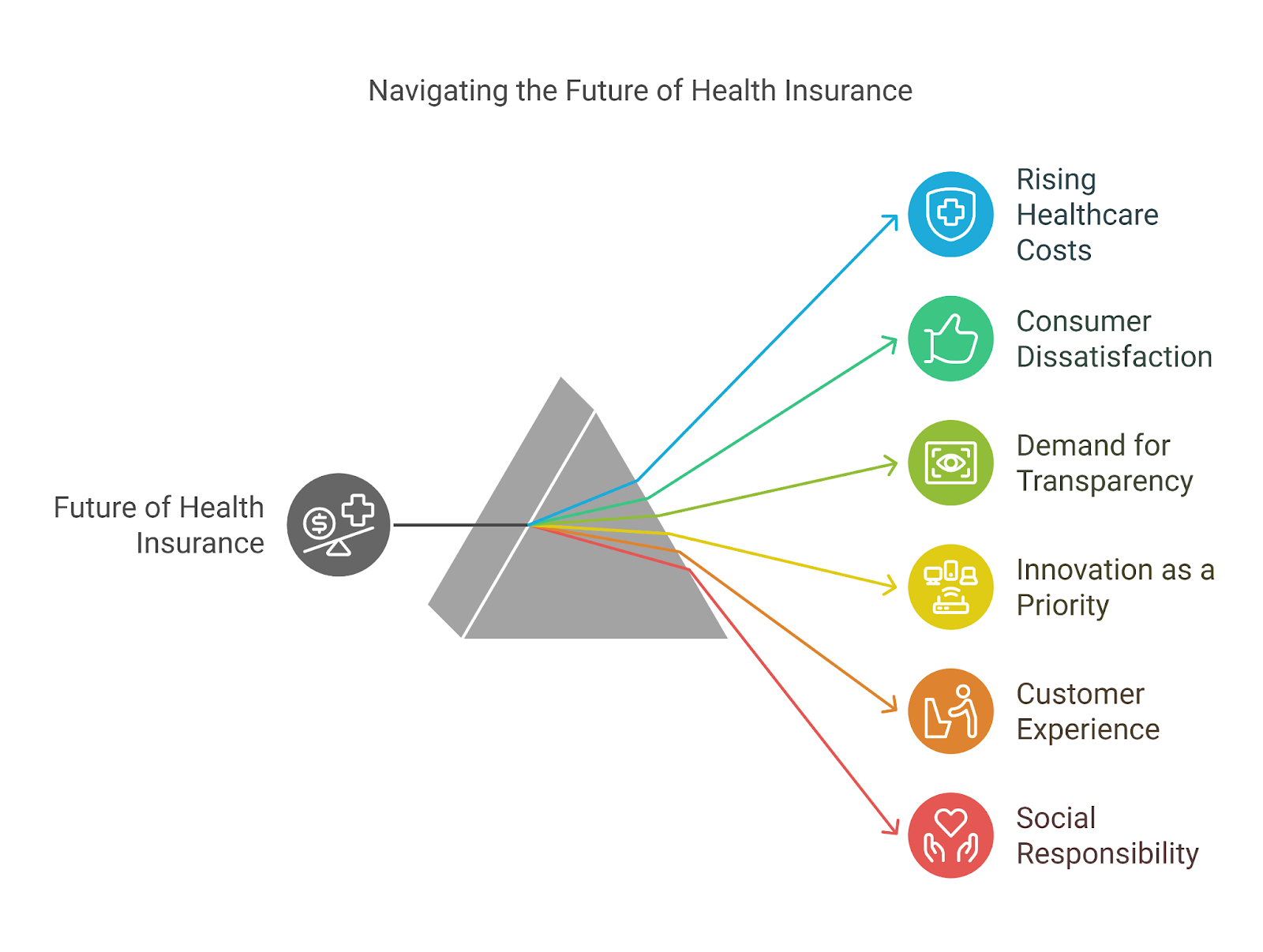
The health insurance industry is at a critical turning point, facing increasing pressure to evolve and adapt to modern challenges. From rising healthcare costs to consumer dissatisfaction with claim denials, the demand for a more transparent and efficient US insurance policy framework is higher than ever. To navigate this landscape successfully, insurance leaders must adopt forward-thinking strategies that prioritize innovation, customer experience, and social responsibility.
Strategic Themes for Insurance Leaders
1. Enhancing Customer Experience
The traditional US insurance policy model often frustrates consumers with complex claim processes, delayed approvals, and a lack of transparency. To improve customer experience, insurance companies must:
Simplify claim approvals: By leveraging artificial intelligence (AI) and automated processing, insurers can reduce claim approval times and enhance patient access to timely care.
Provide proactive communication: Real-time updates on claims, benefits, and cost estimates help customers make informed decisions.
Develop self-service platforms: Mobile apps and online portals should allow users to check coverage details, track claims, and access telehealth services with ease.
Reduce administrative burdens: By eliminating excessive paperwork and bureaucratic hurdles, insurers can make it easier for patients and healthcare providers to interact with their plans.
2. Promoting Transparency in Pricing and Coverage
Many individuals and businesses struggle to understand the true cost of healthcare services under their US insurance policy. Insurance leaders should:
Offer upfront pricing tools: Cost estimator tools should be widely available so customers can anticipate expenses before seeking medical care.
Clarify benefits and limitations: Policyholders should clearly understand what their plan covers, including exclusions and out-of-network charges.
Enhance provider transparency: Insurers should partner with healthcare providers to ensure patients receive clear pricing information before receiving treatment.
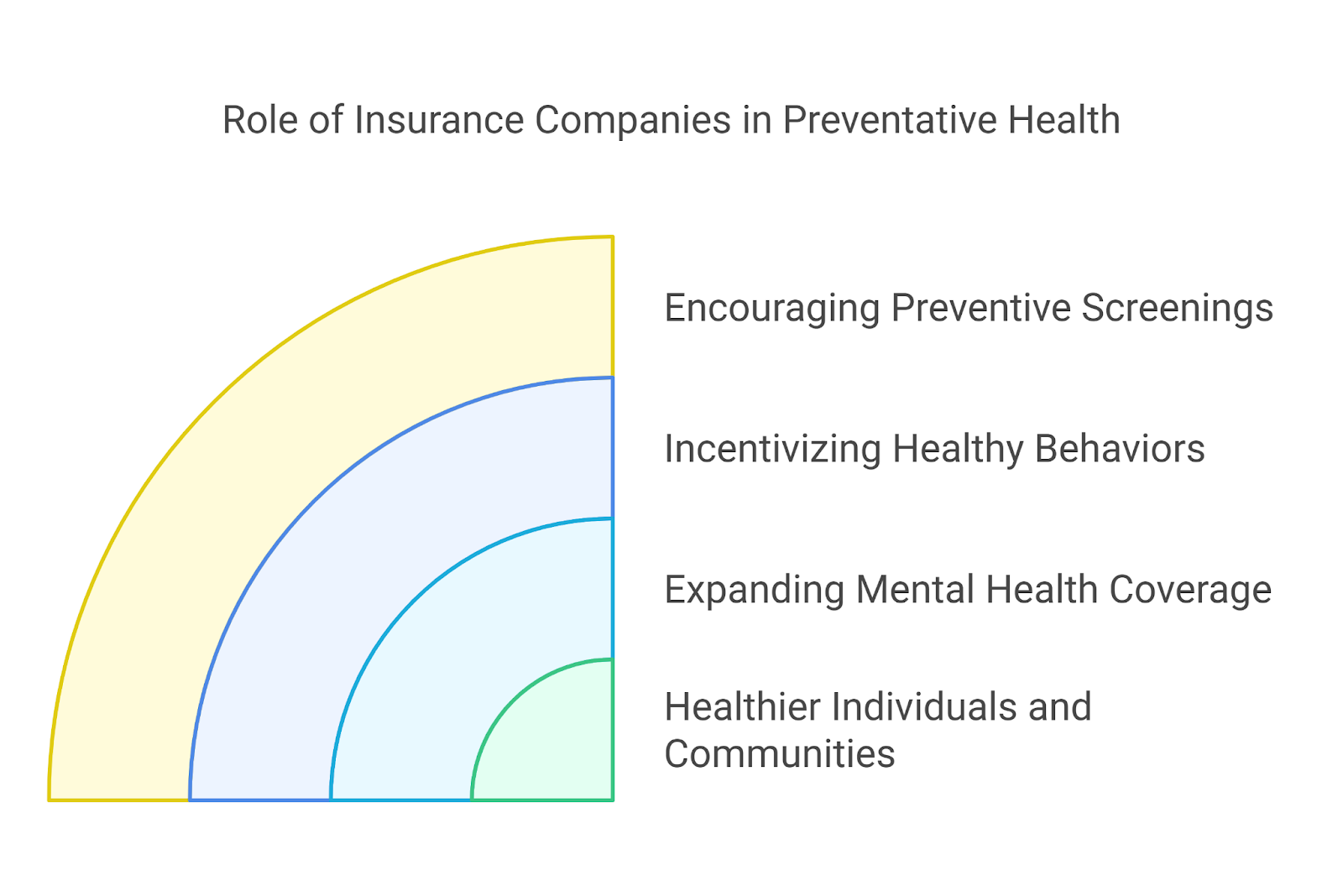
3. Focusing on Preventative Health and Wellness Programs
A shift from reactive to proactive healthcare can significantly reduce costs and improve population health. Insurance companies must:
Encourage preventive screenings: Routine screenings for diseases such as cancer, diabetes, and heart disease can lead to early detection and better outcomes.
Incentivize healthy behaviors: Some US insurance policy models already reward individuals who engage in physical activity, maintain healthy diets, or undergo wellness checkups.
Expand mental health coverage: Addressing mental well-being is just as important as physical health. Insurers should increase access to therapy, counseling, and stress management programs.
4. Embracing Technological Innovation
Technology is revolutionizing healthcare, and insurance companies must keep pace by integrating digital tools into their US insurance policy frameworks. Key innovations include:
AI-driven claims processing: Automated claim approvals can reduce fraud, speed up reimbursements, and improve efficiency.
Telehealth expansion: Virtual doctor visits should be seamlessly integrated into insurance networks, offering patients convenience and cost savings.
Wearable health tracking: Devices that monitor heart rate, blood pressure, and activity levels can be used to tailor health plans and reward positive lifestyle choices.
5. Aligning Insurance with Social Purpose
The future of the US insurance policy landscape requires a greater commitment to social well-being. This means:
Expanding access to underserved populations: Insurance companies must work to make healthcare coverage more affordable and accessible to low-income individuals and small businesses.
Investing in community health initiatives: Collaborating with local organizations to promote education, vaccination programs, and chronic disease management can have a lasting positive impact.
Ensuring ethical business practices: Companies must prioritize fair pricing, ethical claim management, and corporate responsibility to gain public trust.
The Largest Health Insurance Company in the U.S.
As of 2024, UnitedHealth Group is the largest health insurance provider in the United States. The company, which operates through UnitedHealthcare, holds a dominant position in the US insurance policy market with a 15.7% share and generates over $215 billion in revenue annually.
Why is UnitedHealth Group the Largest?
Nationwide Coverage: UnitedHealth Group offers plans in all 50 states, ensuring broad accessibility.
Diverse Insurance Products: The company provides individual, employer-sponsored, Medicare, and Medicaid plans, appealing to a wide customer base.
Technological Investment: Through its Optum subsidiary, UnitedHealth integrates data analytics, AI, and telehealth solutions to enhance patient care and insurance efficiency.
While UnitedHealth Group leads the industry, other major players include Anthem (Elevance Health), Aetna, Cigna, and Humana, each competing in different segments of the US insurance policy landscape.
Evaluating the Best Healthcare Systems
Determining the best healthcare system depends on factors like affordability, access, and overall health outcomes. Here’s how some top-ranking systems compare:
Switzerland – Universal health care with private and public insurance options. It has low wait times, high-quality care, and strict cost regulation.
United Kingdom – The National Health Service (NHS) provides government-funded healthcare, ensuring accessibility for all citizens.
Germany – A multi-payer system where both private and public insurance coexist, offering competitive pricing and broad access.
United States – While it leads in medical innovation, the US insurance policy structure creates barriers due to high costs and coverage limitations.
Choosing a Good Insurance Plan
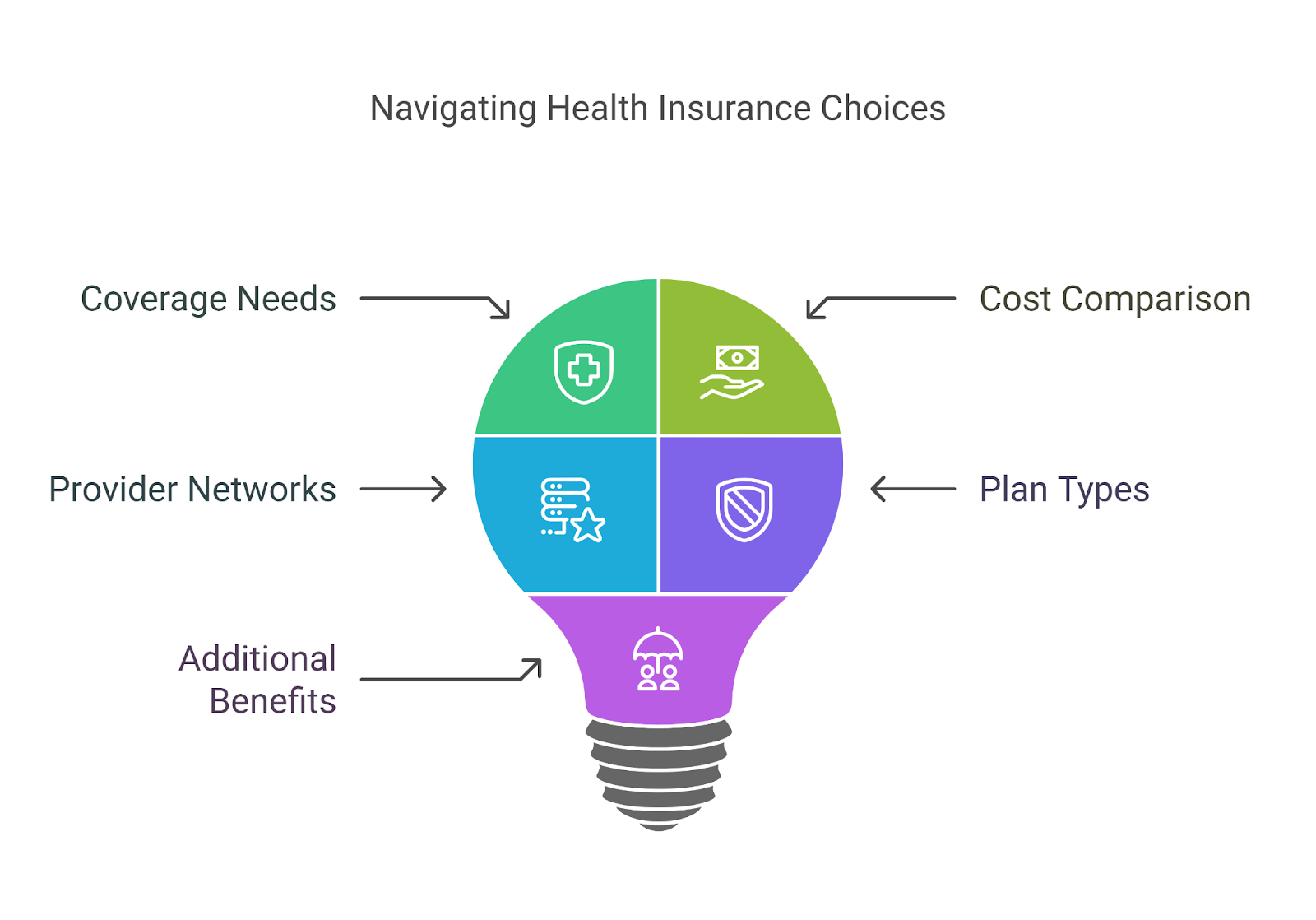
Selecting the right health insurance plan can be overwhelming. To make an informed decision, consider these essential factors:
1. Assess Your Coverage Needs
Think about how often you visit doctors, whether you need specialty care, and if you require regular prescriptions. A strong US insurance policy should cover these essentials.
2. Compare Costs
Premiums: The amount you pay monthly.
Deductibles: The cost you must pay before insurance covers services.
Copays & Coinsurance: Additional out-of-pocket expenses for medical visits or prescriptions.
3. Check Provider Networks
Some US insurance policy plans restrict which doctors and hospitals you can use. Make sure your preferred providers are in-network to avoid extra costs.
4. Understand Plan Types
HMO (Health Maintenance Organization): Requires referrals for specialists, typically lower costs.
PPO (Preferred Provider Organization): More flexibility in choosing doctors, but higher premiums.
EPO (Exclusive Provider Organization): No out-of-network coverage but lower premiums than PPOs.
POS (Point of Service): A mix of HMO and PPO features.
5. Consider Additional Benefits
A comprehensive US insurance policy should include:
Telehealth services for virtual doctor visits.
Mental health coverage for therapy and counseling.
Wellness incentives like discounts on gym memberships.
Conclusion
The US insurance policy is going under significant transformation, with a greater emphasis on transparency, affordability, and innovation. As the industry moves forward, businesses and individuals must stay informed to choose the best healthcare plans.For those seeking expert guidance, PEO4YOUserves as a trusted option, helping clients navigate the complexities of the US insurance policy market. Whether you’re a small business owner looking for employee coverage or an individual seeking personalized insurance solutions, PEO4YOU connects you with cost-effective, high-quality healthcare plans. By partnering with reputable insurance providers, PEO4YOU ensures access to the best coverage options tailored to your needs.
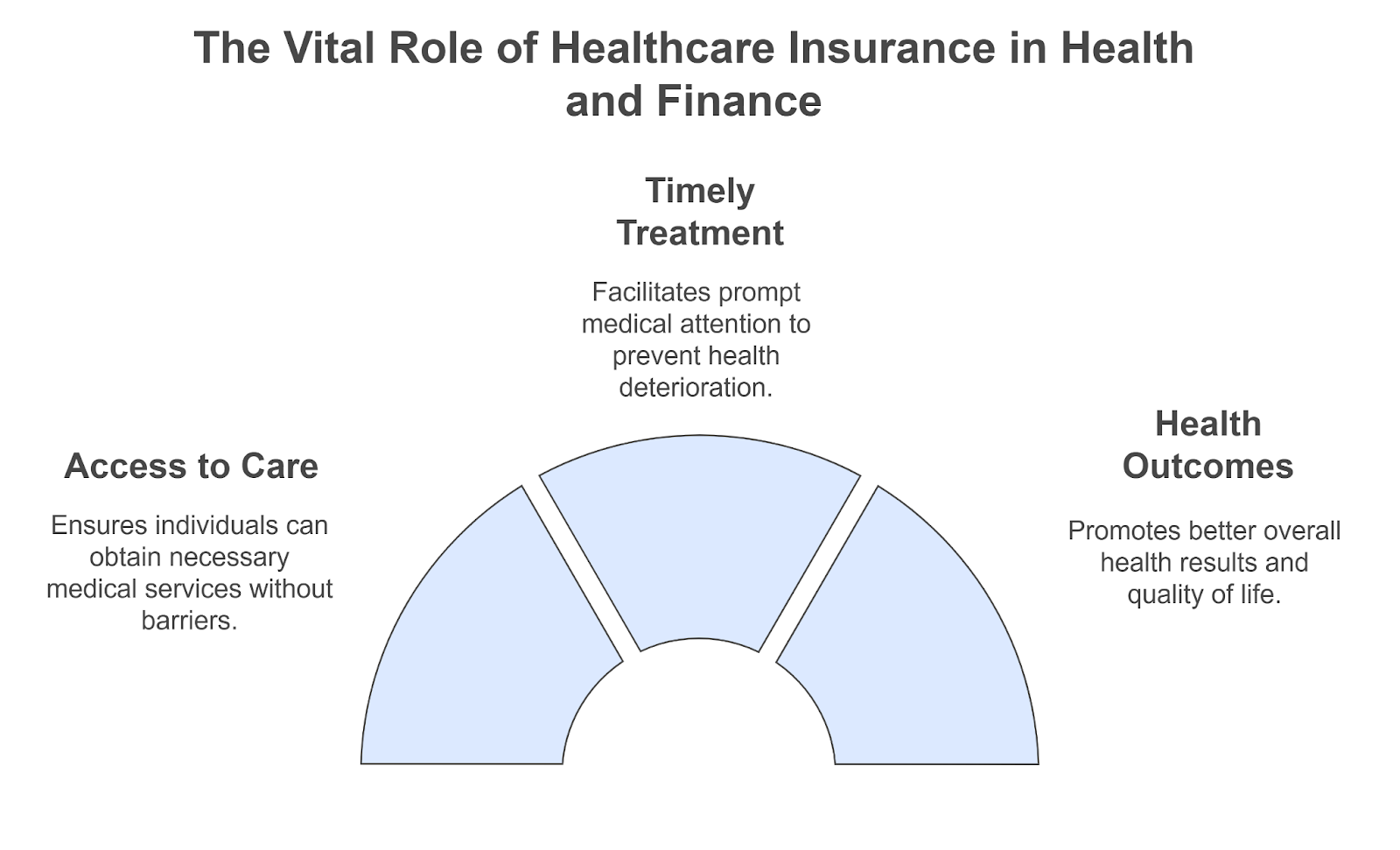
Insurance in healthcare serves as a crucial safeguard, providing access to medical services and protecting individuals from exorbitant healthcare costs. Without insurance in healthcare, individuals face significant financial burdens, limited access to care, and poorer health outcomes. In the United States, healthcare expenses can be overwhelming, and having insurance in healthcare can mean the difference between getting timely medical attention and suffering long-term consequences due to delayed treatment.
Financial Implications
One of the most immediate risks of not having health insurance is the potential for high out-of-pocket medical expenses. If you get sick or injured and need to visit the doctor, go to the emergency room, or undergo surgery, you’ll be responsible for paying the full cost of care. Without insurance in healthcare, these expenses can quickly accumulate, leading to substantial debt or even bankruptcy.
Key Financial Risks of Being Uninsured:
High Medical Bills: A single emergency room visit can cost thousands of dollars, even for relatively minor health issues. More serious conditions, such as heart attacks or broken bones, can result in bills exceeding tens of thousands of dollars.
Lack of Preventive Care: Without insurance in healthcare, many people avoid regular check-ups and screenings due to cost concerns, leading to undiagnosed and untreated medical conditions that become more expensive to treat later.
Medical Debt and Bankruptcy: Medical expenses are one of the leading causes of bankruptcy in the U.S. A study found that over 60% of all bankruptcies in 2007 were significantly influenced by illness and medical bills.
Limited Access to Prescription Medications: Without insurance in healthcare, prescription medications can be prohibitively expensive, leading many to skip doses or avoid taking necessary medications altogether.
Access to Health Insurance in Healthcare
Uninsured individuals often delay or forgo necessary medical care due to cost concerns. This includes skipping routine check-ups, preventive services, and treatments for chronic conditions. Delaying or avoiding healthcare can worsen illnesses or injuries, leading to more severe health issues and higher medical costs in the long run.
How Being Uninsured Limits Access to Care:
Avoidance of Preventive Services: Routine health screenings, vaccinations, and wellness visits are essential in detecting and preventing diseases early. Without insurance in healthcare, many individuals skip these crucial check-ups.
Delayed Diagnosis and Treatment: Individuals without insurance in healthcare may wait until their condition worsens before seeking medical attention. This can lead to more advanced diseases, requiring more aggressive and costly treatments.
Limited Access to Specialists: Many uninsured individuals have difficulty accessing specialist care, such as cardiologists, oncologists, or endocrinologists, due to high costs.
Higher Out-of-Pocket Costs for Emergency Care: Hospitals are legally required to provide emergency care regardless of insurance status. However, uninsured patients often receive hefty bills that can be financially devastating.
Reduced Access to Mental Health Services: Mental health treatment, including therapy and medications, can be expensive without insurance in healthcare, preventing many from seeking necessary support.
Health Outcomes
Lack of insurance in healthcare is associated with poorer health outcomes. Studies show that uninsured individuals are:
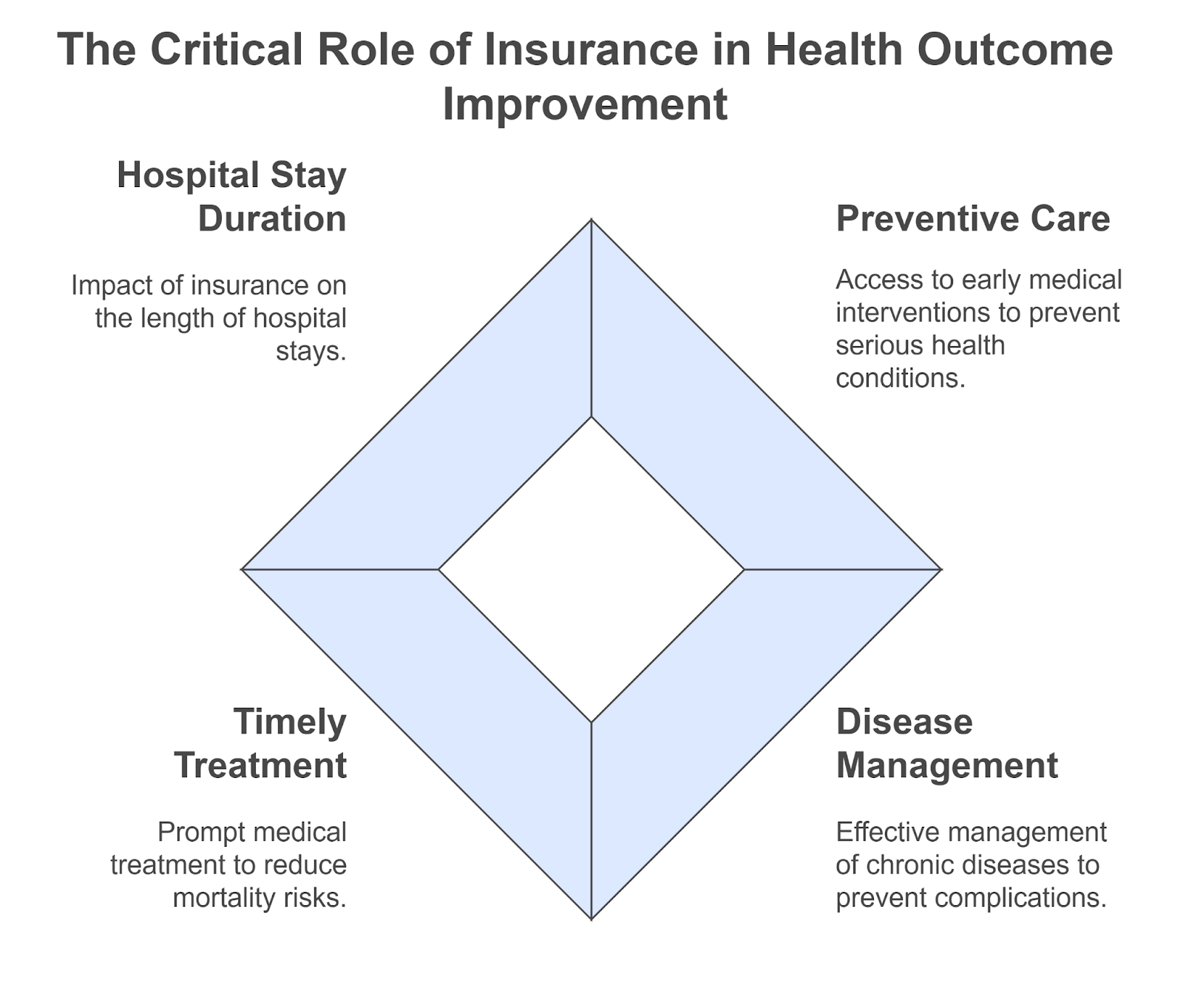
Less likely to receive preventive care, leading to late-stage diagnoses of serious conditions like cancer and diabetes.
More likely to experience complications from chronic illnesses due to inadequate disease management.
At a higher risk of mortality due to delayed treatment, particularly in cases of cardiovascular diseases, strokes, and other severe conditions.
More likely to have extended hospital stays because they often seek medical attention later in the course of their illness, requiring more intensive treatment.
For example, uninsured stroke patients suffer from greater neurological impairments, longer hospital stays, and higher risk of death compared to similar patients with adequate coverage.
Legal and Policy Considerations
Under the Affordable Care Act (ACA) of 2010, all Americans were initially required to carry health insurance or face a penalty known as the “individual mandate.” However, in 2019, the federal government eliminated the enforcement of this mandate, leaving it up to individual states to decide whether to require health insurance. Some states still enforce penalties for not having insurance in healthcare, making it essential to understand the specific requirements in your location.
Even though there is no longer a federal mandate, staying insured remains a crucial step toward financial and medical security.
Low-Income Families: Many uninsured individuals come from lower-income households that may not qualify for Medicaid but also cannot afford private insurance in healthcare.
Working Adults Without Employer-Sponsored Insurance: Many people work jobs that do not offer health benefits, leaving them without affordable coverage options.
Young Adults: Some younger adults opt out of health insurance in healthcare, believing they don’t need coverage. However, accidents and unexpected illnesses can happen at any age.
Racial and Ethnic Disparities: Studies show that Hispanic, Black, and Indigenous populations are disproportionately uninsured compared to white Americans.
Why Does Health Insurance in HealthcareMatter?
Health insurance in healthcare is not just about avoiding medical debt—it plays a vital role in maintaining long-term health and financial stability.
Key Benefits of Having Health Insurance
Access to Preventive Care: Insured individuals are more likely to receive vaccines, cancer screenings, and wellness exams, catching diseases early when they are easier to treat.
Lower Prescription Drug Costs: Insurance in healthcare helps cover medication costs, making it easier to afford necessary treatments.
Better Management of Chronic Conditions: People with insurance in healthcare are more likely to manage conditions such as diabetes, heart disease, and high blood pressure, reducing complications.
Protection from Catastrophic Medical Expenses: Serious accidents or illnesses can lead to overwhelming medical bills. Health insurance in healthcare helps cover these expenses, preventing financial ruin.
Improved Mental Health Access: Many insurance plans provide coverage for mental health services, including therapy and psychiatric care, which are crucial for overall well-being.
The Financial and Health Impact of Being Insured
Uninsured individuals with heart disease and stroke have higher mortality rates than those with adequate insurance in healthcare.
Medical bills are responsible for a significant portion of bankruptcies in the U.S., and nearly 80% of those who filed for medical bankruptcy had insurance but were underinsured.
Insured individuals receive more consistent and timely care, leading to better overall health outcomes and quality of life.
Conclusion:The Critical Need for Reliable Health Coverage
The absence of insurance in healthcare poses significant risks, including financial hardship, limited access to care, and adverse health outcomes. Without coverage, individuals may face crippling medical debt, struggle to access necessary healthcare services, and suffer from poorer long-term health.
Securing adequate insurance in healthcare is essential for protecting both health and financial well-being. Organizations like PEO4YOU assist individuals and small businesses in finding suitable health coverage options. Their services help mitigate the risks associated with being uninsured, ensuring access to necessary healthcare services.If you or your employees need help navigating the complexities of insurance in healthcare, consider reaching out to PEO4YOU to explore your coverage options and safeguard your future.
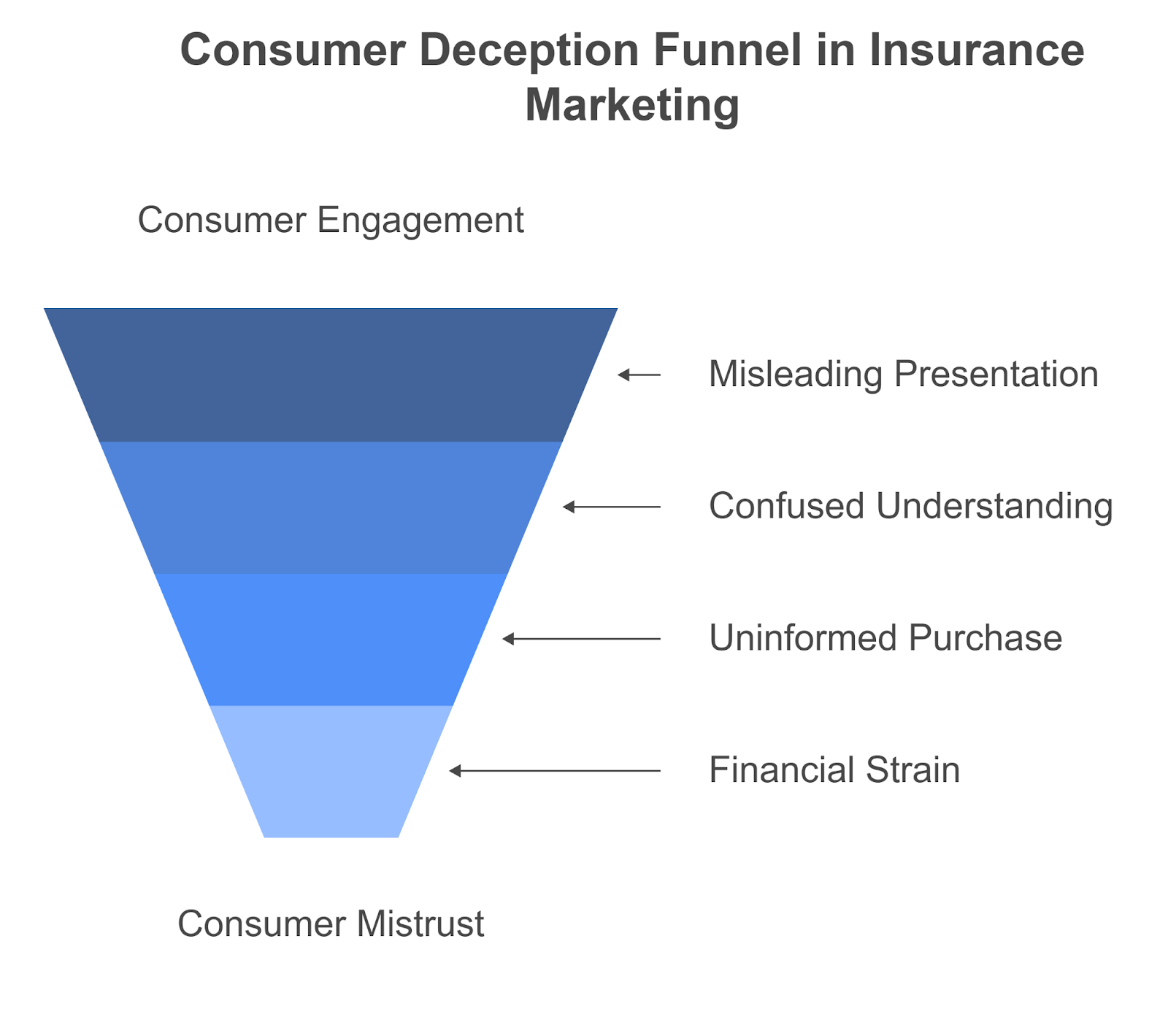
In a landmark decision, Suffolk County Superior Court Judge Helene Kazanjian has ordered three UnitedHealth-owned insurance companies to pay over $165 million for engaging in deceptive sales practices that misled thousands of Massachusetts consumers into unknowingly purchasing supplemental health insurance.
Unmasking Deceptive Practices: A Deep Dive into Misleading Tactics
Between 2012 and 2016, HealthMarkets and its subsidiaries marketed bundled major medical and supplemental insurance policies in a manner that deceived consumers. Sales agents were trained to obscure the costs of individual policies, leading consumers to purchase supplemental coverage without their knowledge. This practice particularly targeted financially vulnerable individuals, causing them to buy unnecessary or unaffordable products.
Court Ruling and Penalties
The court’s decision includes nearly $50.1 million in restitution to affected consumers and $115.1 million in civil penalties, marking the largest civil penalty ever awarded under Massachusetts’ consumer protection law. Attorney General Andrea Campbell emphasized that the ruling holds the companies accountable for preying on vulnerable individuals and provides meaningful restitution to consumers across the Commonwealth.
Government Measures and Impact on Massachusetts Health Insurance
In response to such deceptive practices, the Massachusetts government has implemented stricter regulations to enhance transparency and protect consumers. These measures include increased reporting requirements for insurance companies, enhanced oversight by regulatory bodies, and higher penalties for non-compliance. The aim is to ensure that consumers have access to accurate information, enabling them to choose the best health plan that suits their needs.
These regulatory changes are expected to foster a more transparent and competitive health insurance market in Massachusetts. Consumers will benefit from clearer information, aiding them in selecting the best health plan. Insurance companies are now under greater scrutiny, which may lead to improved business practices and a focus on customer satisfaction.
Health Insurance in Massachusetts
Massachusetts has long been a leader in health insurance reform, striving to provide comprehensive coverage to its residents. The state’s health insurance market offers a variety of plans to individuals and small groups, categorized into metallic levels—Platinum, Gold, Silver, Bronze, and Catastrophic—each providing different levels of coverage and cost-sharing.
However, residents are facing rising health insurance costs. In 2025, premiums are expected to increase at a faster rate than in previous years, with the state’s largest insurers projecting average hikes of 8% to 10%. Some businesses and their employees may experience increases as high as 15%, adding financial strain to consumers seeking the best health plan.
Tips for Selecting the Best Health Plan
Choosing the best health plan requires careful consideration of several factors:
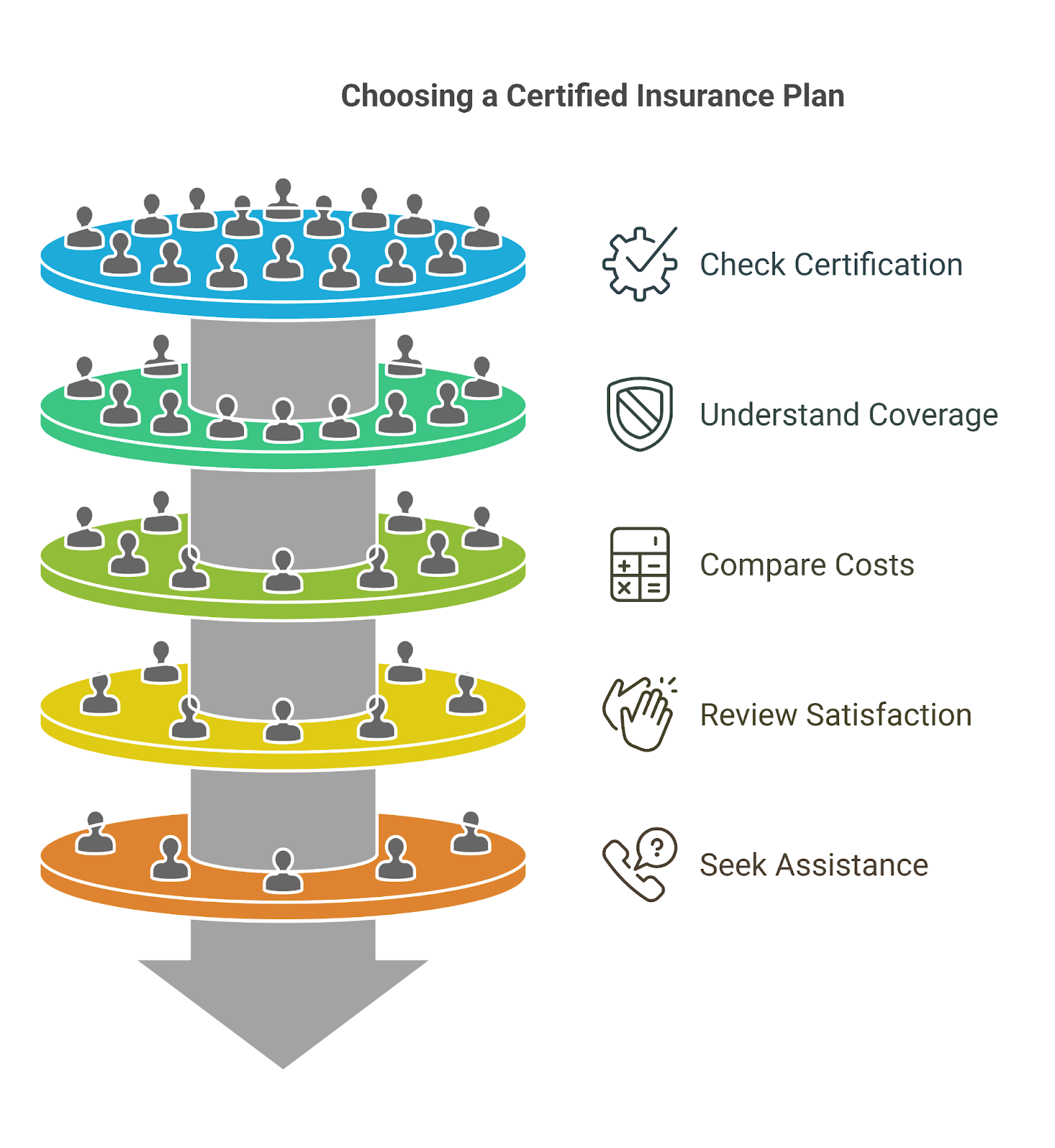
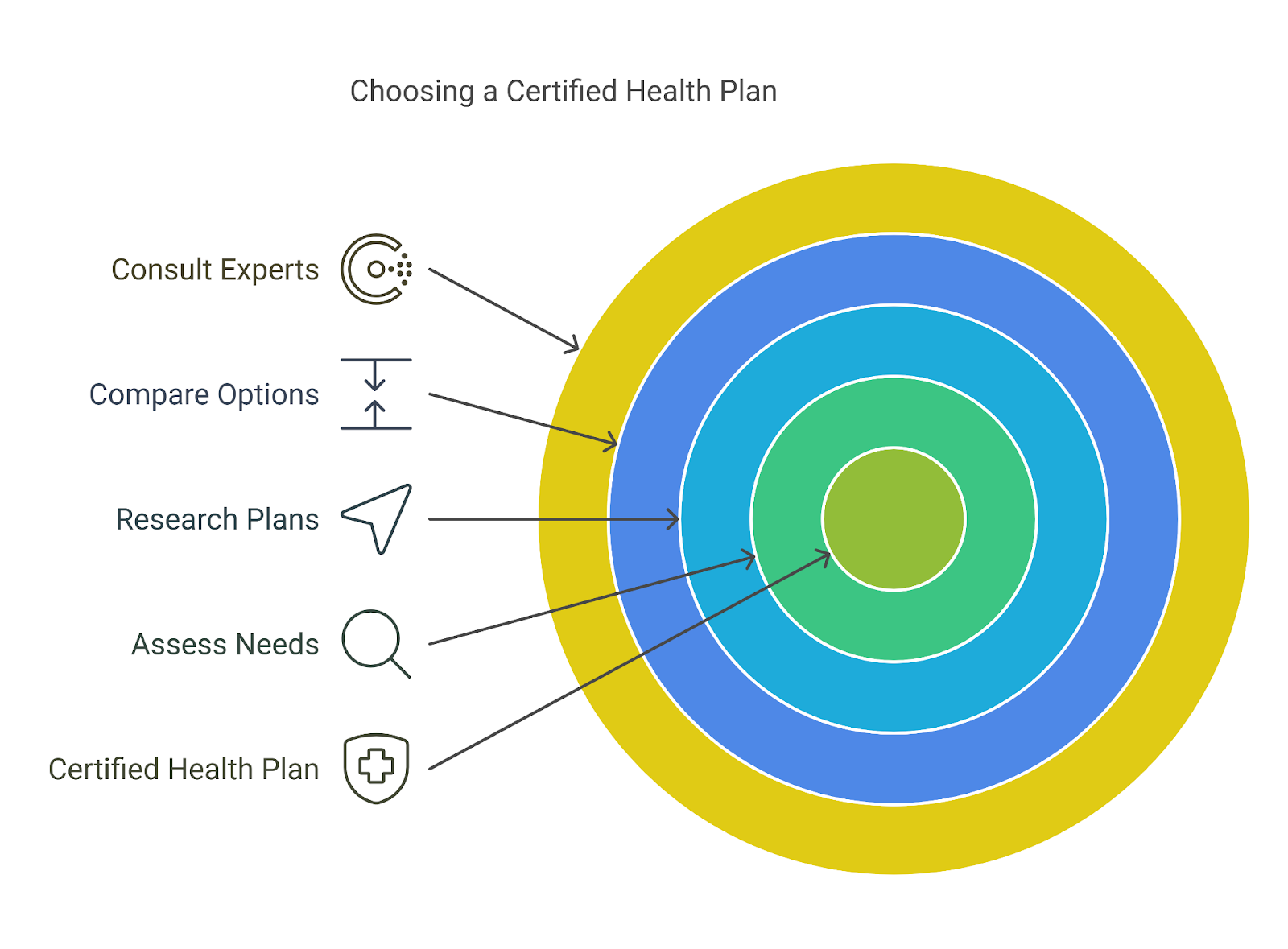
Assess Your Health Care Needs: Evaluate your medical history, anticipated health care needs, and preferred providers to determine the level of coverage required.
Understand Plan Types: Familiarize yourself with different plan types, such as Health Maintenance Organizations (HMOs), Preferred Provider Organizations (PPOs), and Exclusive Provider Organizations (EPOs), to identify which aligns with your preferences.
Compare Costs: Analyze premiums, deductibles, copayments, and out-of-pocket maximums to understand the financial implications of each plan.
Check Provider Networks: Ensure that your preferred doctors and hospitals are included in the plan’s network to avoid additional out-of-network charges.
Review Prescription Drug Coverage: Confirm that any medications you require are covered under the plan’s formulary.
Consider Additional Benefits: Look for plans that offer extra services, such as dental, vision, or wellness programs, which may be important to you.
Evaluate Plan Ratings: Research plan ratings and consumer reviews to gauge satisfaction and quality of care provided.
Selecting a Certified Insurance Plan
When choosing the best health plan, ensuring that it is certified is a crucial step. A certified health insurance plan meets specific standards set by government agencies, guaranteeing that it provides comprehensive and legally compliant coverage. Here’s how you can verify and select a certified insurance plan in Massachusetts:
1. Check for Certification by the Massachusetts Health Connector
Massachusetts has a state-run health insurance marketplace, the Massachusetts Health Connector, where individuals and small businesses can purchase health plans that meet both federal and state requirements. Plans listed on the Health Connector are certified Qualified Health Plans (QHPs) and comply with Affordable Care Act (ACA) regulations.
How to Verify
Visit the Massachusetts Health Connector and browse available plans.
Look for labels such as Qualified Health Plan (QHP) or Massachusetts Seal of Approval.
Confirm that the plan covers essential health benefits like hospitalization, prescription drugs, maternity care, and preventive services.
2. Confirm Compliance with State and Federal Standards
Certified plans must follow Massachusetts’ strict insurance laws, which often exceed federal ACA requirements. A certified plan should:
Cover pre-existing conditions with no extra charges.
Include comprehensive benefits such as mental health services and pediatric care.
Ensure network adequacy, meaning a sufficient number of doctors and hospitals accept the plan.
Follow rate review policies, where the state regulates how much insurers can increase prices.
3. Differentiate ACA Marketplace Plans vs. Off-Market Plans
Not all insurance plans sold in Massachusetts are certified. Some insurers sell plans outside of the official Health Connector, known as off-exchange plans. While these may be legitimate, they do not always meet the same strict regulations.
Key Considerations
If you qualify for subsidies or financial assistance, purchase a certified plan through the Massachusetts Health Connector to access potential cost savings.
If you’re buying directly from an insurer, confirm that their plan meets MCC (Minimum Creditable Coverage) and ACA standards before enrolling.
4. Verify the Insurance Carrier’s Accreditation
Reputable insurance companies typically undergo accreditation from national health insurance oversight organizations, such as:
National Committee for Quality Assurance (NCQA) – Assesses provider network quality and customer service.
URAC – Evaluates care management and compliance with consumer protection laws.
Accreditation by Blue Cross Blue Shield, UnitedHealth, or other well-established insurers – Ensures strong financial backing and provider access.
How to Check Accreditation
Visit the insurer’s website to check for accreditation badges.
Search for customer complaints on the Better Business Bureau (BBB) or Massachusetts Attorney General’s Consumer Protection Division.
5. Seek Professional Assistance from Licensed Brokers or Intermediaries
If you’re unsure which certified health plan fits your needs, working with an independent insurance broker or intermediary can be helpful. Organizations like PEO4YOU specialize in helping individuals and businesses find certified insurance plans that offer the best value.
By following these steps, you can ensure that you select a certified insurance plan that meets both your healthcare needs and legal compliance requirements.
How PEO4YOU Helps
–Provides access to certified, ACA-compliant plans from multiple insurers.
–Offers personalized guidance to match your budget and healthcare needs.
–Assists small businesses in selecting group health plans that comply with Massachusetts regulations.
Why Choosing a Certified Plan Matters
A certified insurance plan ensures that you receive the best health plan possible—one that is legal, comprehensive, and financially sound. Whether you are an individual seeking personal coverage or a small business looking for employee benefits, selecting a certified plan means you are protected under Massachusetts and federal health laws. By following these steps, you can confidently choose the best health plan for yourself or your employees.
Conclusion
The recent court ruling against UnitedHealth’s subsidiaries underscores the importance of transparency and consumer protection in the health insurance industry. As Massachusetts residents navigate a landscape of rising premiums and numerous plan options, selecting the best health plan becomes increasingly critical.
Companies like PEO4YOU play a vital role in assisting individuals and small businesses in finding suitable health care coverage. By offering access to comprehensive health plans, PEO4YOU helps clients make informed decisions tailored to their unique needs. Their commitment to cost transparency, affordable renewals, and human-centered claims management ensures that consumers receive the support they need in selecting and managing their health insurance plans.
In an environment where choosing the right health plan is paramount, leveraging the expertise of trusted intermediaries can provide peace of mind and financial security, ensuring that consumers obtain the coverage that best suits their circumstances.
Insurance in healthcare serves as a crucial safeguard, providing access to medical services and protecting individuals from exorbitant healthcare costs. Without insurance in healthcare, individuals face significant financial burdens, limited access to care, and poorer health outcomes. In the United States, healthcare expenses can be overwhelming, and having insurance in healthcare can mean the difference between getting timely medical attention and suffering long-term consequences due to delayed treatment.
Financial Implications
One of the most immediate risks of not having health insurance is the potential for high out-of-pocket medical expenses. If you get sick or injured and need to visit the doctor, go to the emergency room, or undergo surgery, you’ll be responsible for paying the full cost of care. Without insurance in healthcare, these expenses can quickly accumulate, leading to substantial debt or even bankruptcy.
Key Financial Risks of Being Uninsured
High Medical Bills: A single emergency room visit can cost thousands of dollars, even for relatively minor health issues. More serious conditions, such as heart attacks or broken bones, can result in bills exceeding tens of thousands of dollars.
Lack of Preventive Care: Without insurance in healthcare, many people avoid regular check-ups and screenings due to cost concerns, leading to undiagnosed and untreated medical conditions that become more expensive to treat later.
Medical Debt and Bankruptcy: Medical expenses are one of the leading causes of bankruptcy in the U.S. A study found that over 60% of all bankruptcies in 2007 were significantly influenced by illness and medical bills.
Limited Access to Prescription Medications: Without insurance in healthcare, prescription medications can be prohibitively expensive, leading many to skip doses or avoid taking necessary medications altogether.
Access to Healthcare Services
Uninsured individuals often delay or forgo necessary medical care due to cost concerns. This includes skipping routine check-ups, preventive services, and treatments for chronic conditions. Delaying or avoiding healthcare can worsen illnesses or injuries, leading to more severe health issues and higher medical costs in the long run.
How Being Uninsured Limits Access to Care
Avoidance of Preventive Services: Routine health screenings, vaccinations, and wellness visits are essential in detecting and preventing diseases early. Without insurance in healthcare, many individuals skip these crucial check-ups.
Delayed Diagnosis and Treatment: Individuals without insurance in healthcare may wait until their condition worsens before seeking medical attention. This can lead to more advanced diseases, requiring more aggressive and costly treatments.
Limited Access to Specialists: Many uninsured individuals have difficulty accessing specialist care, such as cardiologists, oncologists, or endocrinologists, due to high costs.
Higher Out-of-Pocket Costs for Emergency Care: Hospitals are legally required to provide emergency care regardless of insurance status. However, uninsured patients often receive hefty bills that can be financially devastating.
Reduced Access to Mental Health Services: Mental health treatment, including therapy and medications, can be expensive without insurance in healthcare, preventing many from seeking necessary support.
Health Outcomes
Lack of insurance in healthcare is associated with poorer health outcomes. Studies show that uninsured individuals are:
Less likely to receive preventive care, leading to late-stage diagnoses of serious conditions like cancer and diabetes.
More likely to experience complications from chronic illnesses due to inadequate disease management.
At a higher risk of mortality due to delayed treatment, particularly in cases of cardiovascular diseases, strokes, and other severe conditions.
More likely to have extended hospital stays because they often seek medical attention later in the course of their illness, requiring more intensive treatment.
For example, uninsured stroke patients suffer from greater neurological impairments, longer hospital stays, and higher risk of death compared to similar patients with adequate coverage.
Legal and Policy Considerations
Under the Affordable Care Act (ACA) of 2010, all Americans were initially required to carry health insurance or face a penalty known as the “individual mandate.” However, in 2019, the federal government eliminated the enforcement of this mandate, leaving it up to individual states to decide whether to require health insurance. Some states still enforce penalties for not having insurance in healthcare, making it essential to understand the specific requirements in your location.
Even though there is no longer a federal mandate, staying insured remains a crucial step toward financial and medical security.
The Uninsured Population
Despite coverage gains under the ACA, millions of Americans remain uninsured. In 2023, an estimated 25.3 million people ages 0-64 lacked health insurance.
Who Are the Uninsured?
Low-Income Families: Many uninsured individuals come from lower-income households that may not qualify for Medicaid but also cannot afford private insurance in healthcare.
Working Adults Without Employer-Sponsored Insurance: Many people work jobs that do not offer health benefits, leaving them without affordable coverage options.
Young Adults: Some younger adults opt out of health insurance in healthcare, believing they don’t need coverage. However, accidents and unexpected illnesses can happen at any age.
Racial and Ethnic Disparities: Studies show that Hispanic, Black, and Indigenous populations are disproportionately uninsured compared to white Americans.
Why Does Coverage Matter?
Health insurance in healthcare is not just about avoiding medical debt—it plays a vital role in maintaining long-term health and financial stability.
Key Benefits of Having Health Insurance
Access to Preventive Care: Insured individuals are more likely to receive vaccines, cancer screenings, and wellness exams, catching diseases early when they are easier to treat.
Lower Prescription Drug Costs: Insurance in healthcare helps cover medication costs, making it easier to afford necessary treatments.
Better Management of Chronic Conditions: People with insurance in healthcare are more likely to manage conditions such as diabetes, heart disease, and high blood pressure, reducing complications.
Protection from Catastrophic Medical Expenses: Serious accidents or illnesses can lead to overwhelming medical bills. Health insurance in healthcare helps cover these expenses, preventing financial ruin.
Improved Mental Health Access: Many insurance plans provide coverage for mental health services, including therapy and psychiatric care, which are crucial for overall well-being.
The Financial and Health Impact of Being Insured
Uninsured individuals with heart disease and stroke have higher mortality rates than those with adequate insurance in healthcare.
Medical bills are responsible for a significant portion of bankruptcies in the U.S., and nearly 80% of those who filed for medical bankruptcy had insurance but were underinsured.
Insured individuals receive more consistent and timely care, leading to better overall health outcomes and quality of life.
Conclusion:The Critical Need for Reliable Health Coverage
The absence of insurance in healthcare poses significant risks, including financial hardship, limited access to care, and adverse health outcomes. Without coverage, individuals may face crippling medical debt, struggle to access necessary healthcare services, and suffer from poorer long-term health.
Securing adequate insurance in healthcare is essential for protecting both health and financial well-being. Organizations like PEO4YOU assist individuals and small businesses in finding suitable health coverage options, acting as intermediaries between clients and health insurance companies. Their services help mitigate the risks associated with being uninsured, ensuring access to necessary healthcare services.If you or your employees need help navigating the complexities of insurance in healthcare, consider reaching out to PEO4YOU to explore your coverage options and safeguard your future.
In recent years, Americans have faced escalating costs for health plans, a trend that shows no signs of abating. A significant factor contributing to this surge is the increasing concentration within the health insurance market. Understanding the dynamics of this concentration, its underlying causes, and its impact on consumers is crucial for navigating the complexities of today’s healthcare landscape.
Understanding Market Concentration in Health Insurance
Market concentration occurs when a small number of insurers dominate the market share within a specific region or nationally. This dominance can lead to reduced competition, often resulting in higher premiums and fewer choices for consumers seeking health plans.
Key Factors Driving Market Concentration
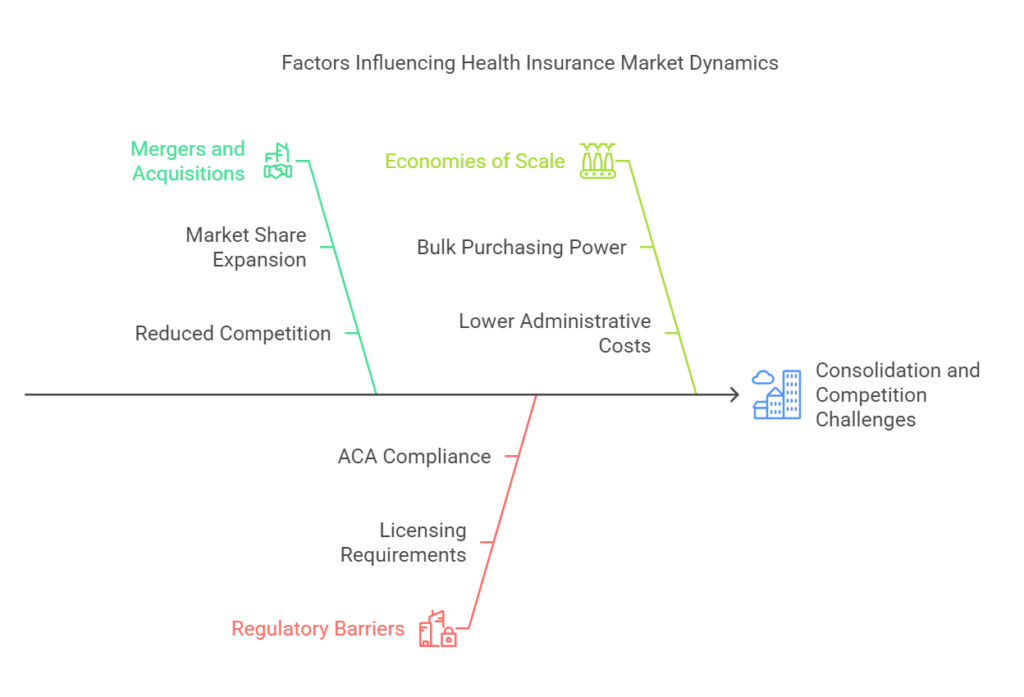
Several factors have contributed to the increasing concentration in the health insurance market.
Mergers and Acquisitions
Large insurance companies have merged with or acquired competitors, consolidating market share and reducing the number of independent players.
In 2024, the health insurance industry witnessed significant consolidation through mergers and acquisitions, impacting market dynamics and consumer choices. Notable examples include:
UnitedHealth Group’s Acquisition Attempt of Amedisys: UnitedHealth Group pursued a $3.3 billion acquisition of Amedisys, aiming to expand its home health and hospice services. However, the U.S. Department of Justice filed a lawsuit to block the deal, citing concerns over reduced competition in the sector (The Wall Street Journal)
Sanford Health and Marshfield Clinic Health System Merger: Sanford Health announced plans to merge with Marshfield Clinic Health System, aiming to create an integrated health system with extensive reach. The merger would encompass numerous hospitals, providers, and health plans, further consolidating the market.
Regulatory Barriers
Stringent regulations can deter new entrants from joining the market, limiting competition and innovation in health plan offerings.
Some of the biggest regulatory barriers include:
State and Federal Licensing Requirements – Any new insurance provider must meet extensive licensing and solvency requirements in every state they operate in, making expansion costly.
Capital Reserve Requirements – Insurers must maintain significant cash reserves to pay claims, making it expensive for new players to enter the market.
ACA Compliance Costs – The Affordable Care Act (ACA) imposes strict rules on pricing, coverage, and essential benefits, making it hard for smaller insurers to compete with industry giants.
Rate Approval Processes – Insurers must submit rate increases to state regulators for approval, limiting their flexibility compared to larger firms that can absorb financial losses more easily.
Economies of Scale
Larger insurers benefit from economies of scale, allowing them to operate more efficiently and negotiate better rates with healthcare providers, further entrenching their market position.
These advantages include:
Bulk Purchasing Power – Large insurers negotiate lower rates with hospitals and drug companies because they serve millions of members.
Lower Administrative Costs Per Person – Larger firms can spread their fixed costs (like technology, compliance, and claims processing) over more policyholders, making it cheaper to operate.
Better Risk Pooling – With a larger customer base, major insurers can balance out high-risk patients with lower-risk ones, keeping premiums more stable.
Impact on Health Plan Costs
The concentration of the health insurance market has several implications for the cost of health plans:
Higher Premiums: With reduced competition, dominant insurers have greater pricing power, often leading to increased premiums for consumers.
Limited Plan Options: A concentrated market can result in fewer health plan choices, restricting consumers’ ability to find coverage that best suits their needs.
Decreased Innovation: Less competition may lead to stagnation in the development of new and improved health plan offerings, affecting the quality of coverage available.
Inflation and Health Plan Costs
Inflation in the healthcare sector further exacerbates the rising costs of health plans. Key contributors include:
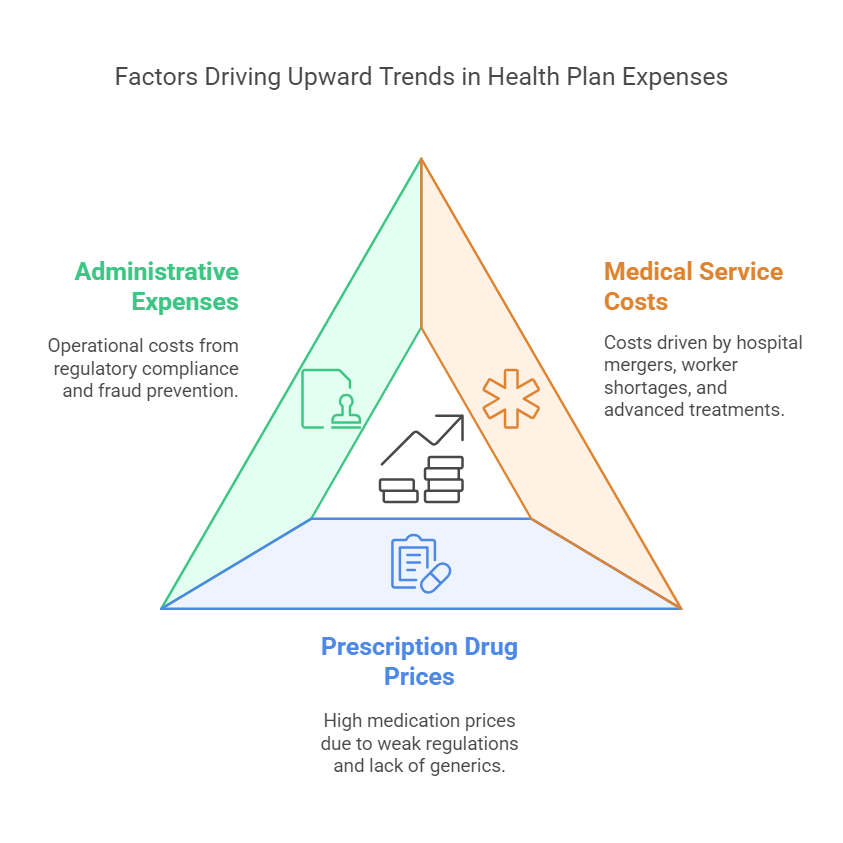
Medical Service Costs: Increases in the prices of medical services directly impact the cost of health plans.
Here’s why:
Hospital Mergers – Many hospitals are merging into large networks, reducing competition and allowing them to charge higher prices for services.
Shortages of Healthcare Workers – A growing shortage of doctors, nurses, and specialists means hospitals must pay more for staff, driving up overall costs.
Higher Costs for Advanced Treatments – New medical technologies and specialized treatments are expensive, and hospitals pass these costs onto insurers.
Increased Demand for Services – An aging population and rising chronic disease rates are leading to higher healthcare utilization, putting upward pressure on costs.
Prescription Drug Prices: Rising costs of medications contribute significantly to overall health plan expenses.
Several forces contribute to this trend:
Pharmaceutical Price Control Laws Are Weak – Unlike other countries, the U.S. does not regulate drug prices, allowing manufacturers to set high prices.
Lack of Generic Alternatives – Drug companies extend patents and delay generics from entering the market, keeping costs high.
Middlemen (Pharmacy Benefit Managers) – These third-party companies negotiate drug prices, but they often prioritize higher-cost drugs to secure bigger rebates.
Research and Development Costs – Drug companies justify high prices by pointing to expensive R&D, though many experts argue that profit margins are excessive.
Administrative Expenses: Operational costs, including compliance with regulatory requirements, add to the financial burden on insurers, which is often passed on to consumers.
These regulatory requirements include:
HIPAA Compliance – Protecting patient data requires heavy investment in cybersecurity and compliance measures.
Medical Loss Ratio (MLR) Rules – Insurers must spend a certain percentage of premiums on care, limiting flexibility in pricing and profitability.
Claims Processing & Fraud Prevention – Extensive oversight and fraud detection systems increase administrative expenses.
State-Specific Rules – Insurers must comply with different laws in each state they operate in, requiring additional legal and compliance teams.
Challenges Posed by Current Trends
The current trajectory presents several challenges:
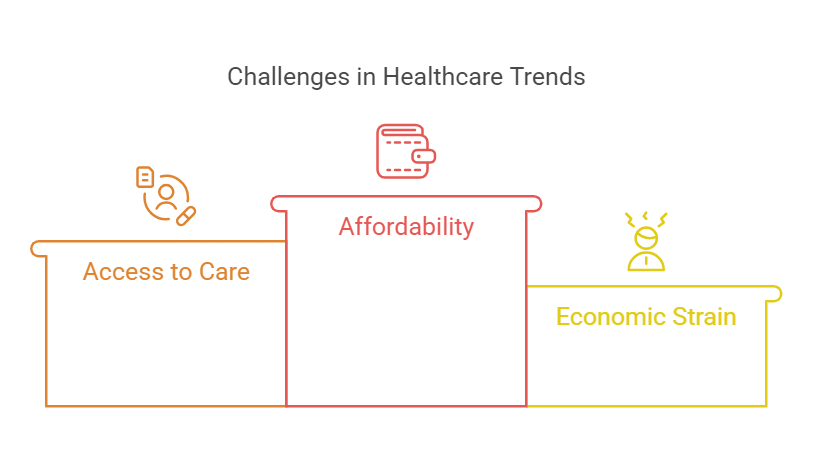
Affordability: As health plan costs rise, affordability becomes a pressing concern, particularly for low- and middle-income individuals and families.
Access to Care: Higher costs can lead to individuals forgoing necessary medical care, resulting in poorer health outcomes.
Economic Strain: Employers, especially small businesses, may struggle to provide health plans to employees, affecting workforce stability and satisfaction.
Conclusion
The increasing concentration in the health insurance market, coupled with inflationary pressures, poses significant challenges to the affordability and accessibility of health plans. Consumers are left with fewer choices and higher costs, underscoring the need for innovative solutions.
Organizations like PEO4YOU play a pivotal role in this industry. By offering tailored healthcare plans and comprehensive health coverage, PEO4YOU provides valuable alternatives for individuals and businesses seeking quality care without the burden of escalating costs. Their services include:
Customized Healthcare Plans: Designed to meet the unique needs of clients, ensuring optimal coverage.
Comprehensive Health Coverage: Including medical, dental, and vision options to promote overall well-being.
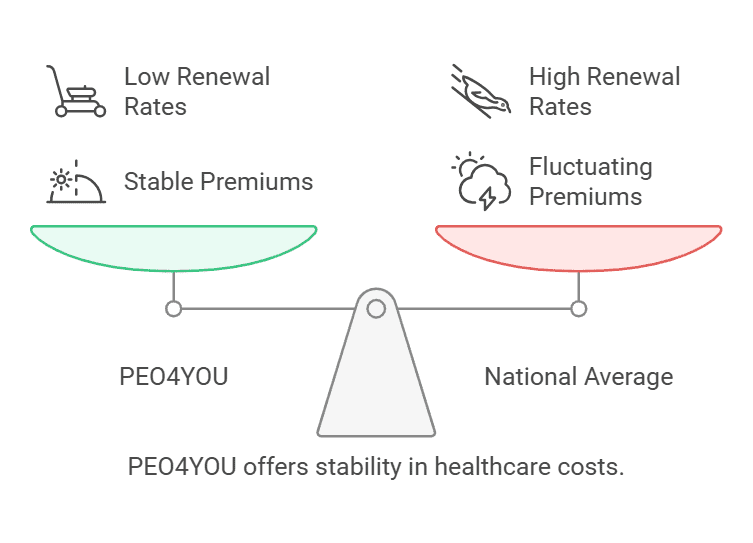
Competitive Pricing and Renewals: Leveraging partnerships to offer cost-effective solutions in a challenging market while providing solutions with a history of low, stable renewal increases.
By exploring options with PEO4YOU, consumers can go through the complexities of the current health insurance market and secure the health coverage plan they need
Efforts to lower healthcare costs, such as reducing Medicare-associated expenses or capping drug prices, are often met with praise. However, these actions can sometimes create unintended ripple effects, such as increased costs for the under-65 market or other medications. This article explores the evidence supporting and contradicting this cost-shifting phenomenon, evaluates its implications, and offers alternative solutions to reduce healthcare expenses without causing unintended economic consequences.
Understanding Cost-Shifting in Healthcare
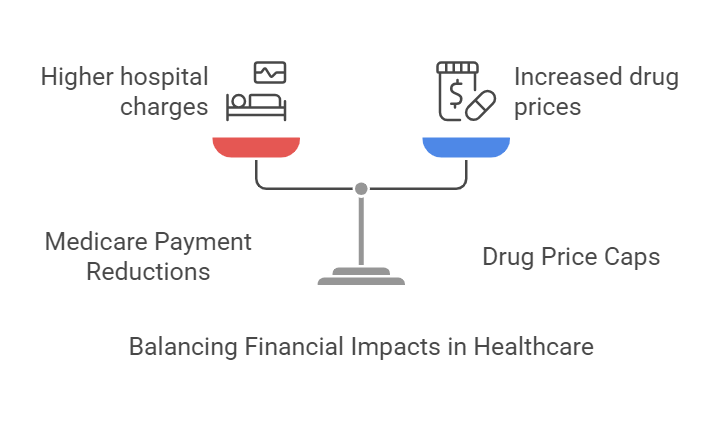
Cost-shifting occurs when healthcare providers or drug manufacturers compensate for lost revenue in one area by increasing prices in another. For example:
Medicare Payment Reductions
When Medicare reduces reimbursement rates, hospitals may charge higher prices to private insurers to offset losses. This practice helps hospitals maintain financial stability, as the average profit margin for hospitals in the U.S. hovers around 8% according to the American Hospital Association (AHA, 2021). Without such adjustments, hospitals risk operating at a loss, potentially leading to closures or reduced services.
Drug Price Caps
Caps on the cost of certain medications may lead manufacturers to increase prices for other drugs or in other markets. Pharmaceutical companies often cite the need to recover significant research and development costs, which can exceed $2.6 billion per drug on average (Tufts Center for the Study of Drug Development, 2020). Without these price adjustments, companies may struggle to fund new innovations or face financial instability.
Evidence Supporting Cost-Shifting
Hospital Pricing Shifts
A study published in Health Affairs found that when Medicare reduced payments by 10%, hospitals increased prices for private insurers by 1.6% (Health Affairs, 2019). This 1.6% increase likely did not fully offset the 10% revenue loss from Medicare.
This practice disproportionately affects individuals with private insurance, as they indirectly subsidize Medicare payment shortfalls.
Drug Pricing Adjustments
A 2020 study by the National Bureau of Economic Research (NBER) revealed that drug manufacturers often respond to price controls in one market by raising prices in markets with fewer restrictions (NBER, 2020).
Example: The introduction of price caps in European markets led to a 25% increase in drug prices in unregulated markets like the United States.
Contradicting Evidence
Limited Ability to Shift Costs
Some experts argue that cost-shifting is overstated. A report from the Medicare Payment Advisory Commission (MedPAC) suggests that competitive market dynamics and insurer negotiations can limit providers’ ability to raise prices for private payers (MedPAC, 2021).
Example: Insurers in highly competitive regions may resist price increases, forcing providers to find operational efficiencies instead.
Market-Specific Dynamics
Cost-shifting is less prevalent in markets where alternative funding mechanisms, such as government subsidies or value-based care models, exist to offset revenue losses.
Potential Consequences of Cost-Shifting
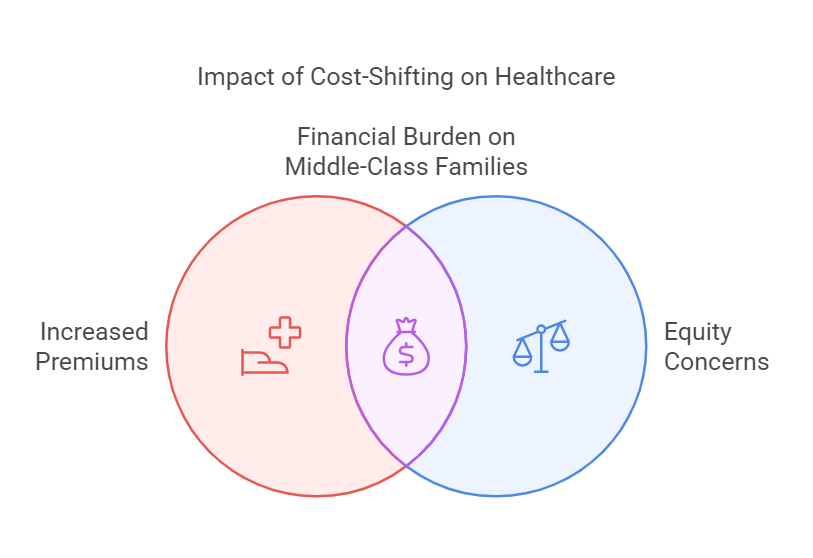
Increased Premiums
Cost-shifting leads to higher premiums for the under-65 population, eroding affordability for middle-class families.
Innovation Stifling
Higher prices in non-regulated markets may discourage investment in innovative drug development due to reduced affordability and market access.
Equity Concerns
Cost-shifting exacerbates disparities, as those with private insurance bear a disproportionate financial burden compared to beneficiaries of public programs.
Alternative Solutions to Reduce Healthcare Costs Without Shifting Costs
To avoid the pitfalls of cost-shifting, policymakers and stakeholders can consider the following strategies:
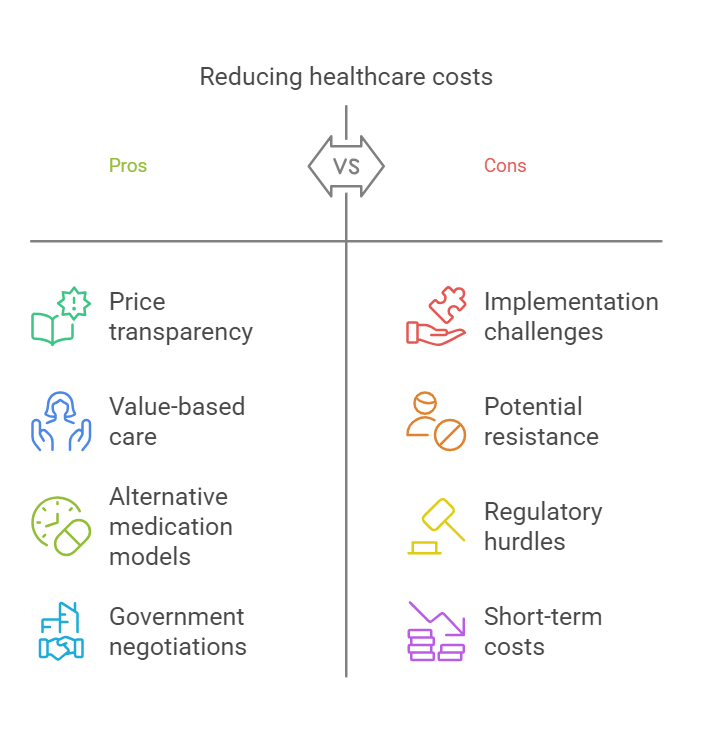
1. Promoting Price Transparency
Transparency initiatives, such as requiring hospitals and drug manufacturers to disclose pricing, empower consumers and insurers to make informed decisions.
Impact: A RAND Corporation study found that transparent pricing could reduce healthcare spending by up to $25 billion annually (RAND, 2021).
2. Expanding Value-Based Care
Shifting from fee-for-service models to value-based care aligns provider incentives with patient outcomes, reducing overall costs.
Example: The Centers for Medicare & Medicaid Services (CMS) reported a 5% reduction in costs and improved outcomes in its value-based purchasing programs (CMS, 2022).
3. Leveraging Alternative Medication Models
CostPlusDrugs.com: This platform offers medications at wholesale prices with a small markup, bypassing traditional price-setting mechanisms.
Employer Programs: Companies like PEO4YOUprovide free or heavily discounted generic medications, reducing reliance on costly insurance plans.
These alternatives can oftentimes reduce medication costs by as much as 80% or more.
4. Government Negotiations and Bulk Purchasing
Allowing Medicare to negotiate drug prices directly with manufacturers can reduce costs without shifting the burden to private payers.
Example: Countries like Canada and the UK successfully control drug prices through government-negotiated bulk purchasing agreements, achieving lower overall costs.
Challenges to Implementing Alternative Solutions
Resistance from Stakeholders
Insurers, hospitals, and pharmaceutical companies may resist transparency or value-based models due to potential revenue losses.
Regulatory Barriers
Complex state and federal regulations often hinder the adoption of innovative pricing and care delivery models.
Operational Complexity
Transitioning to value-based care or transparent pricing requires significant investment in infrastructure and technology.
Conclusion
Reducing Medicare-associated costs or capping drug prices can inadvertently lead to cost-shifting, increasing financial burdens on other markets or populations. While evidence suggests this phenomenon is real, it is not inevitable. By adopting alternative strategies like price transparency, value-based care, and innovative drug pricing models, the healthcare system can reduce costs sustainably without creating new inequities.
The path forward requires collaboration among policymakers, healthcare providers, and private stakeholders. With the right mix of solutions, the U.S. can achieve a healthcare system that prioritizes affordability, equity, and innovation.
The Problem: Opaque Pricing and Limited Competition
Healthcare in the United States continues to grapple with rising costs and varying quality of care. Unlike other industries that leverage competition and price transparency to boost efficiency, healthcare has struggled to adopt these principles. Integrating competition and transparent pricing could enhance care quality, reduce expenses, and empower patients with better choices. Examples from the U.S. and global healthcare systems underscore the profound impact of these strategies.
The Impact of Opaque Pricing
U.S. healthcare costs is famously unclear and complex. Patients frequently face hidden costs, only learning their expenses post-treatment, which often leads to unexpected financial burdens. Opaque pricing prevents consumers from seeking value and removes pressure on providers to enhance efficiency or quality.
A 2021 study by the RAND Corporation revealed that hospital prices in the U.S. are, on average, 247% higher than Medicare rates (RAND Corporation, 2021, source). A 2024 survey by PwC revealed that 28% of consumers delayed or skipped medical care due to financial constraints, with younger generations, such as Gen Z and millennials, experiencing even greater difficulty.HealthManagement. Without clear pricing, consumers cannot shop for better value, and providers face little pressure to improve efficiency or quality.
The complexity of pricing affects all aspects of the system. For instance, bundled services—such as a hospital stay that includes medications, surgery, and post-operative care—make it difficult for patients to discern how costs are distributed. This opacity further hinders competition because patients cannot easily compare services across providers.
The Role of Competition in Enhancing Quality and Reducing Costs
Competition encourages providers to improve quality and lower prices to attract patients. The generic drug market exemplifies how competition drives down prices while maintaining quality. A 2019 report by the AAM noted that generic drugs saved the U.S. healthcare system $313 billion annually
Case Study: Reference Pricing in California
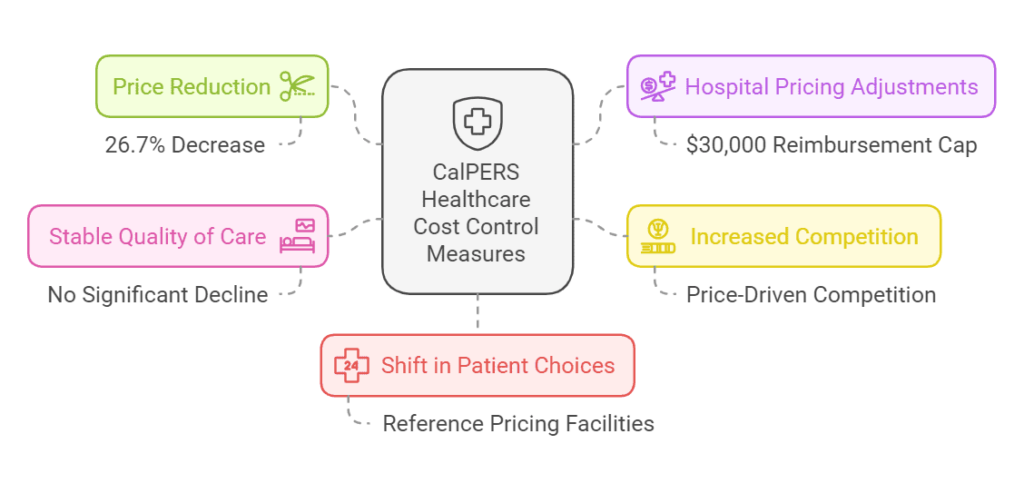
Reference Pricing: Reference pricing is a healthcare payment model where insurers or payers establish a maximum allowable reimbursement rate for specific medical procedures that is generally tied to regional and national averages or a percentage of Medicare rates. In California, the CalPERS initiative implemented this model for hip and knee replacements, compelling hospitals to compete by offering services at or below the set rate. What were the results?
Price Reduction: Average payments for procedures decreased by 26.7% within CalPERS preferred provider organizations (PPOs).
Hospital Pricing Adjustments: Higher-priced hospitals lowered their fees to meet the $30,000 reimbursement cap set by CalPERS.
Increased Competition: Hospitals began competing to offer services at or below the set price, driving overall cost reductions.
Stable Quality of Care: No significant decline in the quality of treatment despite lower costs.
Shift in Patient Choices: More patients opted for facilities adhering to reference pricing, reinforcing market-driven cost control.
This approach demonstrates that price caps can incentivize hospitals to operate more efficiently without compromising patient outcomes. Similar models could be expanded to other procedures and states to create broader cost reductions.
The Impact of Price Transparency on Cost and Quality
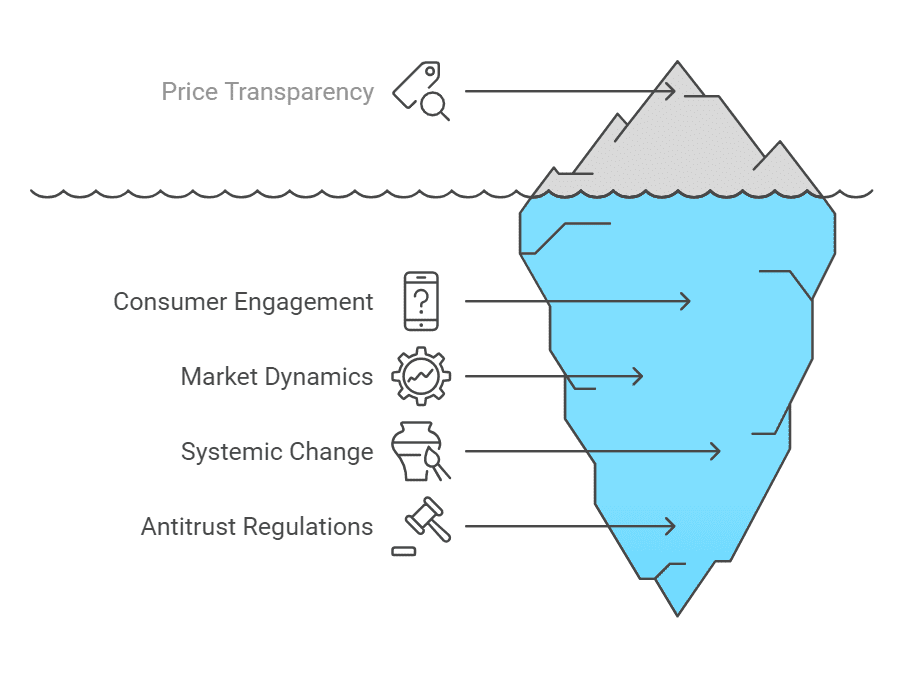
Transparent pricing allows patients to compare costs, motivating providers to offer competitive rates without compromising quality.
International Examples of Transparency
Singapore:
Mandated price disclosure for common procedures.
Impact: The introduction of the fee benchmarks has been effective in moderating the growth of private surgeon fees, fostering price transparency, instilling discipline in charging, and helping to moderate increases in fees(MOH).
Singapore’s system not only publishes procedure prices but also ranks providers based on quality metrics. This dual transparency empowers patients to make informed decisions while encouraging hospitals to improve their services to remain competitive.
Australia:
Zable Health created a digital referral system that shows specialist fees, out-of-pocket costs and waiting periods to meet demands for increased transparency.
Outcome: The platform revealed significant variations in specialist fees, with initial consultations ranging up to $950. By providing detailed cost information, the platform aims to empower patients and encourage specialists to offer more competitive pricing.
Employer Innovations: Walmart’s Centers of Excellence (COE) program stands out as an innovative example of employer-driven transparency and competition. By directly contracting with high-quality hospitals and healthcare providers, Walmart bypasses traditional insurance intermediaries to offer its employees specialized care. Through this program, employees receive certain procedures, such as back surgeries, at little to no out-of-pocket cost, with Walmart covering bundled payments directly negotiated with providers.
Result:Walmart achieved a 50% reduction in back surgery costs, while employees benefited from higher-quality care with fewer complications and readmissions
By partnering directly with high-performing hospitals, Walmart has demonstrated how employers can influence care quality and costs through strategic transparency and competition.
Consumer Benefits
A 2017 study published in JAMA found that patients who used price transparency tools for outpatient imaging services experienced a 13.9% reduction in payments compared to those who did not use such tools. This suggests that access to pricing information enables patients to make more cost-effective healthcare decisions.
Additionally, price transparency can lead to secondary benefits, such as reducing medical billing errors. When patients and insurers have access to clear pricing information, they are more likely to scrutinize bills, incentivizing providers to ensure accuracy and potentially decreasing billing discrepancies.
Where Price Transparency and Competition Have Fallen Short
Despite successes, some initiatives have struggled to deliver anticipated benefits. Understanding these failures can help design better systems.
Example: Lack of Consumer Engagement
Even when transparency tools are available, consumers often fail to use them effectively. For instance, a study by JAMA found that only 11% of employees offered price transparency tools utilized them, limiting their impact (JAMA, 2016, source).
Potential Fix: Simplify tools and integrate them with provider platforms to make them more intuitive and accessible. Educational campaigns could also increase awareness and usage.
Example: Market Consolidation
In highly consolidated markets, transparency alone has limited impact. Dominant providers may maintain high prices due to a lack of competition, even with transparent pricing.
Potential Fix: Enforce antitrust regulations to prevent excessive consolidation and foster competition. Additionally, incentivizing new market entrants could create more options for patients.
Policy Recommendations
Strengthen Enforcement
Increase penalties for non-compliance with price transparency rules. Hospitals failing to meet disclosure standards should face meaningful financial consequences.
Promote Competitive Markets
Enforce antitrust laws to limit excessive consolidation. Federal and state governments should closely monitor mergers and acquisitions in healthcare.
Expand Consumer Tools
Develop user-friendly platforms for comparing prices and quality metrics. These tools should be accessible via smartphones and integrated with existing healthcare apps.
Educate Consumers
Launch public awareness campaigns to help patients utilize transparency tools effectively. Highlighting success stories could motivate broader adoption.
Encourage Value-Based Care
Shift reimbursement models from fee-for-service to value-based care. This approach aligns provider incentives with patient outcomes, ensuring that cost reductions do not compromise quality.
Conclusion
Competition and price transparency are essential levers for transforming the U.S. healthcare system. By empowering consumers, holding providers accountable, and fostering efficient markets, these strategies can reduce costs and improve quality. Evidence from domestic initiatives and international examples underscores their potential. However, overcoming challenges will require sustained commitment from policymakers, providers, and consumers.
Transparent pricing and healthy competition are not panaceas but are critical components of a broader strategy to create a more equitable and efficient healthcare system. As more stakeholders recognize their value, these principles could drive the systemic change that American healthcare costs urgently needs.
Health insurance can be overwhelming, especially for small businesses, independent contractors, and sole proprietors. Better health insurance solutions exist through Multiemployer Plans and Professional Employer Organizations (PEOs), offering innovative ways to access quality coverage. This article explores the structure and benefits of multiemployer plans, how they simplify healthcare, and how PEO4YOU bridges the gap as an intermediary to provide better health insurance options for businesses and individuals.
What Are Multiemployer Plans?
Multiemployer plans are health and retirement benefit programs established through collective bargaining agreements between employers and labor unions. These plans pool resources from multiple employers, offering comprehensive benefits to employees while ensuring financial sustainability.
Structure of Multiemployer Plans
Jointly Managed Multiemployer plans are administered by a board of trustees, which includes equal representation from both labor unions and employers. This collaborative approach ensures decisions benefit both parties fairly.
Pooling Resources Contributions from multiple employers go into a common fund, allowing for greater purchasing power and risk-sharing. This structure reduces costs and enables the plan to offer robust benefits compared to single-employer plans.
Flexibility for Workers Employees covered under a multiemployer plan can retain their benefits even if they switch jobs between participating employers, ensuring continuity of coverage.
Benefits of Multiemployer Plans
Comprehensive Coverage These plans typically include a wide range of benefits:
Medical Insurance: Covering hospital stays, doctor visits, and prescriptions.
Dental and Vision: Often included to ensure holistic health coverage.
Retirement Benefits: In addition to medical plans, many multiemployer plans offer pension benefits.
Portability Workers can move between employers without losing coverage, making it particularly beneficial in industries with transient or project-based work.
Economies of Scale By pooling resources, these plans can negotiate better rates with healthcare providers and insurers, leading to lower premiums and more comprehensive benefits.
Stability in Benefits Multiemployer plans are designed to withstand economic fluctuations. The pooled funds and fiduciary oversight ensure that benefits remain stable even during downturns.
While multiemployer plans provide numerous benefits, they face several challenges that require careful management and adaptation. Below is a breakdown of the key challenges, with detailed explanations for each:
1. Funding Shortfalls
Explanation: Funding shortfalls occur when the contributions made by employers are insufficient to cover the promised benefits. This imbalance can arise from various factors, including rising healthcare costs, increasing life expectancy (leading to longer payout periods for pensions), and a decline in active participants.
Example: In industries like manufacturing, where automation has reduced the number of workers, fewer employers are contributing to the plan, while retired workers still depend on it for their pensions and healthcare benefits.
Impact: Plans with funding shortfalls may need to reduce benefits or increase employer contributions, both of which can strain relationships between employers, unions, and employees.
2. Complex Administration
Explanation: Managing contributions from multiple employers requires sophisticated systems to track payments, allocate funds, and ensure compliance with regulations such as the Employee Retirement Income Security Act (ERISA).
Challenge Areas:
Recordkeeping: Tracking contributions from numerous employers across various industries.
Compliance: Adhering to state and federal regulations to avoid penalties.
Impact: Errors in administration can result in delays in benefits, legal disputes, and loss of participant trust.
3. Regulatory Pressures
Explanation: Multiemployer plans must comply with a host of legal and regulatory requirements, including ERISA, Affordable Care Act (ACA) standards, and IRS rules. These regulations are complex and subject to change, making compliance an ongoing challenge.
Specific Challenges:
ERISA Fiduciary Standards: Mandate that plan assets be used solely for the benefit of participants, requiring meticulous financial management.
ACA Compliance: Ensures that plans meet minimum essential coverage standards and do not exceed permissible limits on cost-sharing.
Impact: Failure to comply with regulations can result in hefty fines and loss of tax-advantaged status, jeopardizing the plan’s sustainability.
4. Economic Downturns
Explanation: During recessions or industry-specific downturns, fewer employers may participate in the plan, and some may even default on their contributions. This creates a strain on the pooled resources needed to pay benefits.
Example: The COVID-19 pandemic saw a temporary halt in many industries like entertainment and construction, significantly reducing contributions to multiemployer plans while healthcare costs for participants increased.
Impact:
Reduced financial reserves to cover unexpected spikes in claims.
Increased financial risk to the plan as fewer active workers support a growing number of retirees.
5. Demographic Shifts
Explanation: As the workforce ages, the number of retirees drawing benefits increases while the number of active contributors declines. This demographic imbalance places a strain on the plan’s financial resources.
Example: In the construction industry, many older workers are retiring, and younger workers are entering the field at a slower rate, reducing contributions to the fund.
Impact: A growing retiree-to-worker ratio can lead to financial instability, requiring plans to increase employer contributions or reduce benefits.
6. Healthcare Cost Inflation
Explanation: Rising healthcare costs have a direct impact on multiemployer plans, which must cover these expenses for participants. This challenge is amplified for plans that include comprehensive coverage, such as hospitalization, mental health, and prescription drugs.
Example: The annual increase in drug prices can significantly strain the plan’s budget, especially for chronic condition management or high-cost specialty medications.
Impact: Rising costs may necessitate higher premiums for participants or reductions in covered services, potentially leading to dissatisfaction among plan members.
How PEO4YOU Complements Multiemployer Plans
To tackle these challenges, multiemployer plans are adopting various measures, including:
Modernizing Administration Systems: Using advanced technology to streamline recordkeeping and compliance tracking.
Strengthening Financial Reserves: Building robust reserves to buffer against economic downturns and unexpected costs.
Enhanced Participant Education: Informing participants about plan benefits and changes to ensure informed decision-making.
Advocating for Policy Support: Engaging with policymakers to address funding issues and ensure equitable regulations.
By addressing these challenges proactively, multiemployer plans can continue to provide stability and better health insurance coverage for participants in industries with fluctuating workforces. For businesses and individuals seeking to navigate these complex systems, PEO4YOU offers expert guidance and support to ensure optimal benefit management and compliance.
Key Benefits of PEO4YOU’s Services
Access to Comprehensive Plans PEO4YOU pools multiple small businesses, allowing them to access competitive private insurance plans that offer robust coverage at affordable rates.
Regulatory Compliance
Unlike traditional carriers, PEO4YOU is regulated by ERISA guidelines, ensuring claims are processed without profit-driven motives.
No minimum loss ratio (MLR) requirements mean premiums go directly to covering medical costs, enhancing plan value.
No Claims Game Practices: Traditional insurers often use algorithms to reduce payout amounts, leading to delayed or denied claims. PEO4YOU manually reviews medical bills to ensure accuracy, catching errors such as duplicate charges or incorrect coding, which are present in up to 80% of claims.
Excess Premiums for Participant Benefit Any surplus funds remain within the system, used for:
Enhancing benefits.
Building reserves for future uncertainties.
Participant education and communication.
Tailored Solutions Whether you’re a small business seeking group coverage or an individual navigating options, PEO4YOU customizes solutions to meet your needs.
Conclusion: Simplify Your Path to Better Health Insurance
Whether through multiemployer or PEO-facilitated plans, individuals and businesses have more options than ever to get health coverage that works. Multiemployer plans offer stability, affordability, and broad access, while PEOs provide tailored solutions for those outside the traditional scope of collective bargaining.
PEO4YOU stands as a trusted intermediary, ensuring clients find the best possible coverage for their needs. From regulatory compliance to personalized support, PEO4YOU bridges the gap, helping you navigate the complexities of the healthcare system with confidence.
Take the next step—partner with PEO4YOU to explore your options and secure comprehensive, affordable healthcare today.
The current discussion about Medicare for All could drastically affect the future direction of healthcare services in the United States. The proposal intends to establish universal health coverage so that all Americans obtain good healthcare plans independently of their income level or employment status and without restrictions from pre-existing medical conditions. Anyone who wants to understand the future of good healthcare plans in America must know how Medicare for All operates and how it benefits citizens along with its potential challenges.
Understanding Medicare for All
“Medicare for All” seeks to change the U.S. healthcare system into a single-payer framework where government administration provides health coverage for every citizen. The proposed single-payer system would eliminate the existing multi-payer structure of private insurance and employer-sponsored insurance to create one public health insurance program that extends coverage to all people. The main goal is to provide healthcare access to all people without imposing financial obstacles.
How Would Medicare for All Work?
The federal government would provide comprehensive medical services under Medicare for All to ensure every person receives quality healthcare with very low personal expenses. This system would provide:
The Primary and Preventive Care service includes yearly checkups and immunizations along with screening tests to detect potential health issues early and maintain general wellness.
Emergency medical services offer complete payment coverage for emergency room visits and urgent healthcare requirements.
This program delivers thorough treatment for mental health conditions along with substance abuse disorders.
Government price negotiations enable lower medication costs for prescription drugs.
Long-term and Disability Care supports people living with chronic diseases and disabilities.
The policy now provides broader insurance coverage for vision, dental, and hearing services which previously received insufficient attention.
The government plans to support this system by redirecting existing public health funds and implementing additional tax measures. The system aims to deliver good healthcare plans more affordably by getting rid of administrative waste and negotiating drug prices.
Would Medicare for All Reduce Costs?
The main advantage of Medicare for All lies in its ability to reduce total healthcare expenses. Here’s how it could achieve this:
The United States spends more on healthcare administration than any other developed nation. The implementation of a single-payer system would streamline billing and claims processes which would lead to reduced overhead costs.
The government would establish direct negotiations with drug manufacturers to obtain reduced medication prices.
By eliminating private insurance companies we can reallocate funds currently used for corporate profits and executive pay towards improving patient care.
A study by the Congressional Budget Office projected that national health expenditures would be reduced by approximately $650 billion in 2030 under a single-payer system.
Some critics believe that government healthcare spending increases would necessitate raising taxes although individual households could benefit from lower premiums and reduced out-of-pocket expenses.
Percentage of Coverage Under Medicare for All
Medicare for All aims to ensure complete health insurance coverage for all people living in the United States. All people would gain access to quality healthcare plans without any financial or employment-based restrictions. This system would provide uninterrupted health insurance for all people unlike employer-based coverage which results in millions losing insurance when they change jobs.
Additionally, under this proposal:
Patients would be able to choose any doctor or specialist since network restrictions would not exist.
Patients would not need to pay deductibles or co-pays for essential medical services.
The proposal includes expanded access to healthcare services which were previously underinsured like dental care and vision services along with long-term care.
Medicare for All continues to be a contentious subject in U.S. healthcare policy as of 2025.
Medicare for All continues to generate intense debate across the United States as of 2025. Various legislative proposals regarding Medicare for All have been presented in Congress yet none have successfully become law. The most significant healthcare proposals advocate for universal access to quality healthcare plans which face strong resistance from politicians who support private sector healthcare participation.
Challenges Facing Medicare for All
Despite the appeal of good healthcare plan
Proponents Claim That Removing Private Insurance Will Reduce Costs But Opponents Contend That Increased Taxes Would be Essential to Fund the Program
The healthcare system would need substantial changes to move away from employer-sponsored insurance since nearly half of Americans receive their coverage from employers.
Various healthcare industry groups including private insurers and pharmaceutical companies along with certain hospital organizations oppose the plan because they anticipate revenue reductions.
The Political Environment Makes it Difficult to Achieve Cross-party Support for Medicare for All
Public interest in good healthcare plans grows continuously even though challenges exist as rising healthcare costs make employer-sponsored plans less affordable.
Conclusion: Navigating Healthcare Solutions Today
Medicare for All is still a long-term policy objective while immediate healthcare solutions are essential for individuals and small businesses today. Companies such as PEO4YOU offer solutions of value to organizations searching for healthcare solutions.
For families living in today’s rapid-moving society comprehensive health insurance is an essential protection. The combination of increasing healthcare expenses and unpredictable medical emergencies makes it essential to choose proper family health insurance plans that offer protection and peace of mind to your loved ones. Many families grasp basic health insurance concepts but lack knowledge about the full range of benefits they can obtain or understand why choosing the appropriate coverage is essential.
This article investigates how family health insurance plans serve as essential tools for protection while revealing hidden benefits and analyzing trends that emphasize the importance of securing private insurance solutions for families during 2024.
What Are Family Health Insurance Plans?
Family health insurance plans provide a single policy that protects all household members including parents and children. Individuals can access these plans from multiple sources including employers, private insurance companies or government programs such as Medicaid and CHIP. Essential health services provided in coverage extend to preventive care along with emergency services, hospitalizations, prescription medications, mental health services, and sometimes dental and vision care.
Types of Family Health Insurance Plans
Employer-Sponsored Health Insurance Plans: Families often receive health insurance through their workplace where employers provide family coverage as a benefit to their employees. Employers subsidize premium costs which makes these plans cheaper than individual policies available on the open market. Health insurance coverage typically grants subscribers access to an extensive network of healthcare professionals.
Government-Sponsored Health Insurance Plans (Medicaid and CHIP): Low to moderate income families can access government health insurance options like Medicaid and the Children’s Health Insurance Program (CHIP). Medicaid supplies complete health coverage to low-income households while CHIP delivers healthcare coverage for children younger than 19 whose families earn beyond Medicaid limits but cannot purchase private insurance. Government-sponsored health insurance programs serve as essential resources for families who lack the financial capability to pay private insurance premiums yet require access to quality healthcare services.
Private Insurance Plans: Individuals can buy private insurance plans directly from insurance companies through either health insurance marketplaces or brokers. While these plans provide customizable coverage options, they usually require families to pay higher premiums. Families often seek these insurance options when they cannot access employer-sponsored insurance or obtain government assistance.
Coverage Details in Family Health Insurance Plans
Family health insurance plans provide solutions for multiple healthcare requirements. Key elements of coverage include:
Preventive Care: Preventive Care encompasses vaccinations along with regular checkups and wellness and screening visits. Families can access these services without paying extra fees.
Maternity and Newborn Care: Family health insurance plans provide comprehensive maternity coverage which includes prenatal visits and extends to labor delivery and postpartum care to support expectant mothers throughout their pregnancy journey.
Pediatric Services: The pediatric services available to children include vaccinations and regular medical checkups as well as medical treatment options for illnesses or injuries.
Prescription Drug Coverage: This program assists families in controlling their out-of-pocket medication expenses for chronic conditions including asthma, diabetes, and ADHD.
Emergency Services: This benefit provides payment for emergency transportation services and hospital emergency department visits as well as urgent medical care for unforeseen injuries or illnesses.
Mental Health Services: This service offers therapy sessions alongside counseling and psychiatric treatment to meet families’ increasing demands for mental health support.
Private insurance plans provide families with enhanced customization options to select the perfect fit for their needs.
Benefits of Family Health Insurance Plans
1. Preventive Care and Early Diagnosis
Family plans generally include preventive services which enable the detection of health problems at an early stage.
Example: Well-child visits serve as checkpoints for monitoring a child’s development while detecting potential health risks.
2. Mental Health Coverage
Family plans are increasingly focusing on providing mental health services.
Stat: The CDC reports that a year into the pandemic showed 31% of adults experiencing anxiety and depression while mental health issues among children also show a rising trend.
3. Prescription Drug Savings
Families who have health insurance experience substantial reductions in their medication expenses.
Fact: Combining pharmaceutical discount plans with health insurance enables families to obtain costly medications without any payment.
4. Dental and Vision Care
Pediatric dental and vision care is part of some family insurance plans and can also be added as an extra service.
Example: Dental visits on a routine basis help to avoid expensive procedures such as fillings and root canals.
5. Emergency Services Coverage
Accidents can happen anytime, and emergency services coverage ensures families are not financially burdened.
Stat: Before the implementation of the No Surprises Act 39% of emergency room visits resulted in unexpected medical bills because of out-of-network providers.
Escalating Healthcare Costs.
Rising Healthcare Costs
The cost of healthcare in the United States keeps rising every year.
Stat: The National Health Expenditure Accounts reported that healthcare spending hit $4.5 trillion in 2023.
Fact: A standard family of four in America spends more than $28,000 each year on health insurance premiums and health-related expenses.
Expanding Access to Coverage
Medicaid and CHIP programs have grown in scope to lower the number of uninsured people.
Avoiding Common Errors When Selecting Family Health Insurance Plans
Family health insurance plans provide multiple advantages but selecting the best option remains a complex, some common mistakes include:
Underestimating Prescription Costs: Numerous families choose health insurance plans with low monthly payments without considering the substantial costs of prescriptions and specialized medical treatments. A comprehensive review of all cost components including co-pays and out-of-pocket maximums remains critical.
Neglecting Mental Health Needs: Mental health benefits should be a fundamental part of family health insurance yet many people neglect them. Confirm that your insurance plan provides coverage for both inpatient and outpatient mental health services.
Not Considering Future Needs: Family dynamics shift over time while healthcare requirements develop and transform. Select a health insurance plan that covers expected requirements including maternity care and chronic condition services.
Which Healthcare Coverage Solutions Exist for People Who Live, Work and Travel Internationally?
Health Care Options for International Lifestyles Worldwide.
People who work internationally or live and travel across borders need to maintain complete health care coverage to protect themselves. This overview presents a range of options designed to fulfill these various needs.
1. International Health Insurance Plans
International Health Insurance Plans are specifically designed for people who work abroad and travel for extended periods. They typically offer:
Flexible Options: These plans can be adjusted to meet the unique requirements of each individual.
Global Networks: Through global partnerships with health care providers these plans deliver high-quality medical care without encountering any unnecessary complications.
2. Travel Medical Insurance
Travel medical insurance provides coverage for unforeseen medical emergencies for travelers on brief trips abroad.
Emergency Care: The insurance provides coverage for emergency medical treatments and hospital accommodations while traveling.
Evacuation Services: Emergency transport services will send patients to the closest appropriate medical facility when needed.
Multilingual Support: The policy provides customers with continuous access to customer service teams who speak multiple languages at any time.
3. Remote Worker Health Plans
The rise in remote work popularity has led to the creation of specialized health plans designed specifically for digital nomads.
Continual Coverage: The plan maintains continuous health coverage even as the policyholder moves between different locations or residences.
Mental Health Support: Mental health support systems offer resources which help digital nomads handle their distinctive lifestyle challenges.
4. Short-term Health Insurance
During transitional life phases these plans deliver temporary health coverage.
Bridge Gaps: These plans provide essential health coverage for people during periods when they switch roles or move locations.
Affordable Options: These cost-effective plans provide essential health coverage with no requirement for long-term commitment.
An expatriate establishing life in a new nation or a digital nomad traveling frequently have access to diverse health care options for their international lifestyle along with frequent flyers. Selecting your healthcare plan requires an evaluation of your individual circumstances and needs to guarantee your health protection while enjoying worry-free international travel.
Identify Local Health Insurance Plans Which Fit Your Personal Requirements
The process of choosing the right local health insurance might appear daunting but becomes manageable when you approach it step by step. This guide will help you effectively manage the navigation of the process.
1. Research Local Providers
Begin your search by exploring online resources from well-known insurance providers situated locally. Local insurance options become accessible when you conduct online searches or review company listing directories.
2. Use Online Tools
Numerous insurance companies provide digital tools to help simplify searching for coverage. You can find insurance plans that match your needs by entering your zip code into available online resources.
3. Compare Plan Options
During the evaluation of various plans take into account several important elements:
Coverage Details: Review what services each plan provides including doctor visits, hospital stays, prescriptions, and preventative care.
Costs: Examine both premiums and deductibles and understand out-of-pocket maximums when comparing health plans. Place the plans next to each other to determine how they affect your finances.
4. Consider Network Options
The selected plan should list your trusted doctors and hospitals as part of its network. Each healthcare network is different and you need to confirm that your chosen doctors and hospitals are part of your insurance plan’s network.
5. Seek Professional Advice
When selecting a health plan becomes confusing you should get guidance from a healthcare insurance advisor. Their expertise enables them to suggest plans that match your individual needs.
6. Review and Select a Plan
Once you’ve completed your detailed research and evaluated available options choose the plan which best matches your healthcare requirements and financial resources.
Conclusion: Finding the Right Family Health Insurance Plan
Selecting an appropriate family health insurance plan holds significant importance in today’s healthcare environment. As healthcare costs rise and comprehensive services become more necessary, family plans provide protective coverage for both physical well-being and financial stability.
Private insurance plans offer families customizable coverage options which adapt to their specific needs. Families that work together with an intermediary such as PEO4YOU find it easier to understand private insurance plans while locating choices that match both their financial limits and personal preferences.
Trusted guidance and customized family health insurance options await you at PEO4YOU where you can ensure your loved ones receive dependable coverage which brings peace of mind.
The rapid acceleration of climate change produces increasingly visible and extensive effects that touch nearly all parts of everyday existence. The major concern exists regarding the effect of climate change on both healthcare insurance coverage and the broader healthcare industry. The healthcare system faces unprecedented demands for adaptation due to climate change which creates new health challenges and increases natural disaster risks.
This article examines the ways climate change affects healthcare insurance coverage while assessing associated risks and recommending preparation tactics for individuals and businesses.
The Relationship Between Climate Change and Healthcare Insurance Systems Reveals Significant Impacts on Both Public Health and Insurance Structures
The effects of climate change on public health result in greater healthcare demands which then place increased pressure on insurance companies. Elevated temperatures along with extreme weather patterns and changing ecosystems drive growth in health problems related to climate change. Insurance companies face the challenge of modifying their policies to ensure adequate coverage while maintaining affordable premium costs.
Rising Health Risks Due to Climate Change
Heat-Related Illnesses and Respiratory Problems
Heatwaves: Extended exposure to extreme heat conditions has resulted in increased cases of heatstroke and dehydration.
Wildfires: People who breathe in wildfire smoke face respiratory problems including asthma and COPD.
Waterborne and Vector-Borne Diseases
Waterborne Diseases: Heavy rainfall and hurricanes have intensified flooding which leads to more cases of cholera and other waterborne diseases.
Vector-Borne Diseases: Increasing temperatures and rainfall pattern shifts have enabled mosquitoes to expand their habitat range which leads to more widespread occurrences of malaria and dengue fever.
The financial and medical burdens of climate-related illnesses show why insurance coverage plays an essential role in mitigation.
The Latest Natural Disasters Have Significantly Influenced the Healthcare Insurance Sector
The United States experienced multiple destructive natural disasters in 2024 as shown by news reports and data sources which emphasized healthcare insurance’s role in reducing health risks while providing medical care access. These events demonstrate how climate change increasingly affects public health domains.
Hurricane Ian (Florida, 2022)
The hurricane resulted in extensive flooding and destruction of infrastructure which increased health hazards from multiple sources.
Injuries during rescue operations.
Mold exposure in flooded homes.
Waterborne diseases.
Tornado Outbreak (March 2023)
The tornado outbreak across Mississippi and Alabama put local healthcare systems under immense pressure from emergency service needs while healthcare insurances helped manage the unforeseen medical costs.
Wildfires (2024)
California and Texas wildfires produced extensive smoke inhalation-related health problems and injuries across both states. The need for extended medical treatment because of smoke exposure strains healthcare systems and healthcare insurances while highlighting why comprehensive coverage is essential.
The growing frequency of extreme weather incidents demands that people obtain superior healthcare insurance to face upcoming health challenges. Through their valuable assistance in evaluating healthcare options companies like PEO4YOU ensure that residents of disaster-prone regions get the best available healthcare coverage.
The growing frequency of extreme weather incidents demands that people obtain superior healthcare insurance to face upcoming health challenges. Through their valuable assistance in evaluating healthcare options companies like PEO4YOU ensure that residents of disaster-prone regions get the best available healthcare coverage.
Key Insight: The U.S. Government Has Established Multiple Healthcare Insurance Support Policies During Climate Crises to Bolster Coverage and Preparedness for Natural Disasters.
In response to the increasing frequency of natural disasters caused by climate change the U.S. government introduced multiple policies to strengthen healthcare insurance coverage and disaster preparedness.
Biden-Harris Administration’s Disaster Assistance Reforms (January 2024): The reforms focus on making federal assistance policies more efficient and speeding up the distribution of funds while offering disaster survivors increased adaptability to obtain necessary resources faster.
National Preparedness Initiatives: These initiatives adopt a whole-community approach which brings together multiple sectors to protect the nation from hazards like natural disasters and pandemics thus boosting national resilience.
State Policy Considerations for Disaster Risk and Resilience: States are working with the federal government to implement disaster management policies that target risk reduction and infrastructure resilience together with centralized planning.
The nation’s preparedness is reinforced through these policies which make sure healthcare insurances can handle the increased demands during climate crises.
How Companies Are Affected by Climate Change
Agriculture and Healthcare Insurances
Worker Health: Agricultural workers face more heat-related illnesses during heatwaves and extreme weather events which leads to a need for enhanced healthcare insurance coverage to handle these medical costs.
Food Security: Food supply interruptions from droughts and floods cause malnutrition health problems which drive the need for more extensive healthcare insurance coverage.
Real Estate and Healthcare Insurances
Coastal Risks: The rise in sea levels and flooding in regions such as Miami forces families to relocate and results in a surge in healthcare demands to treat both physical injuries and mental health problems.
Wildfire Zones: Wildfire-prone regions encounter enhanced risk for property destruction and health emergencies which require specialized insurance benefits to address medical care needs and relocation costs.
Current climate challenges across different industries require insurers to develop adaptable healthcare insurance policies.
The healthcare insurance sector faces new challenges as climate change introduces unknown risks for people and companies as well as insurance providers. The growing demand for disaster-related care along with increased health risks demonstrates why comprehensive and adaptable healthcare insurance solutions are more critical than ever.
PEO4YOU functions as a trusted intermediary that connects individuals and small businesses with health insurance providers and offers expert advice to secure optimal healthcare insurance plans. PEO4YOU provides specialized solutions based on particular needs and regional risk factors which enables clients to manage healthcare challenges related to climate change with assurance.
PEO4YOU provides dependable assistance when selecting healthcare insurance options to meet the medical demands of an evolving world.
The search for health insurance presents complexity when selecting an appropriate plan that matches your personal requirements and financial constraints. Most employees choose employer-sponsored health insurance as their primary insurance option because it delivers affordable coverage and beneficial features. Employees often find understanding the complete set of employer-sponsored insurance options to be somewhat overwhelming. This article explains how provider health insurance functions through your employer alongside key features and savings techniques that assist in controlling healthcare expenses.
What is Employer-Sponsored Health Insurance?
Your employer provides you with provider health insurance as part of their benefits package for employees. This insurance provides healthcare coverage for you along with your spouse and possibly your dependents. A major benefit of employer-sponsored insurance comes from employer contributions to premium costs which result in lower rates compared to individual market plans.
Employers typically work with provider health insurance companies to offer various plans, such as:
Employees can select different types of health insurance plans which include Health Maintenance Organization (HMO), Preferred Provider Organization (PPO), and High Deductible Health Plans (HDHP). The standard practice for employees is to select from multiple available plans which best meet their personal requirements and financial capabilities. While the employer contributes to the majority of your health insurance premium, you need to cover what remains through regular payroll deductions.
How Much Do Employer Sponsored Health Insurance Plans Cost for Individual and Family Coverage Averages?
The 2024 Employer Health Benefits Survey presents data on the average yearly costs of health insurance premiums for employer-sponsored insurance plans. The average premium cost for individual health insurance coverage under employer-sponsored plans amounts to $8,951 annually for both employees and their organizations. The average annual cost for family coverage in employer-sponsored health insurance plans reaches $25,572.
Workers generally pay 16% of the insurance premium when they have single coverage in employer-sponsored plans. Employees who choose family coverage must now pay 25% towards their premium. Employers cover the leftover portion of these costs to reduce the financial burden on their employees.
Health Insurance Serves As a Fundamental Element of Employee Benefits Packages
Provider health insurance from employers forms an essential part of employee benefit packages which aim to maintain employee health while boosting satisfaction.
Benefits of Employer-Based Health Insurance
Lower Premiums: The financial responsibility of health insurance premiums for employees decreases significantly because employers usually pay between 50% and 80% of the costs.
Access to Comprehensive Services: Plans provide essential healthcare services that cover preventive screenings alongside maternity care and management of chronic conditions.
Tax Advantages: Employer contributions to health insurance plans provide tax write-offs for businesses while employees benefit from pre-tax payroll deductions.
By providing streamlined access to provider health insurance companies employees can obtain top-quality healthcare coverage at reduced costs resulting in better satisfaction and productivity levels.
Understanding Employer-Sponsored Health Insurance and Tax-Advantaged Accounts for Healthcare Costs
The 2024 year brought important enhancements to Health Savings Accounts (HSAs), Health Reimbursement Arrangements (HRAs), and Flexible Spending Accounts (FSAs). This section provides a summary of each plan and details the recent modifications.
Health Savings Accounts (HSAs)
High Deductible Health Plans (HDHPs) participants have access to tax-advantaged Health Savings Accounts (HSAs). These accounts permit pre-tax contributions that pay for qualified medical expenses.
Contribution Limits for 2024:
Self-only coverage: The 2024 contribution limit for self-only coverage is $4,150 which represents a 7.8% rise from the previous year’s limit of $3,850.
Family coverage: The 2024 family coverage limit for Health Savings Accounts is $8,300 which represents a 7.1% increase from $7,750 in 2023.
Those aged 55 or older have the option to add $1,000 to their contributions as a catch-up provision.
Starting from 2024 plan years employees can access up to $2,100 which reflects an increase from the previous $1,950 available in 2023.
The rise in funding enables employers to give their staff more assistance with medical costs.
Flexible Spending Accounts (FSAs)
Through FSAs employees can save pre-tax money to cover qualified medical expenses. FSAs remain separate from HDHPs and enforce a “use it or lose it” rule which requires participants to spend their funds during the plan year or face forfeiture.
Contribution Limits for 2024:
Employees can contribute $3,200 to their health FSA salary reduction accounts which represents a $150 increase from the previous year’s $3,050 limit.
The maximum amount that can be carried over for health FSAs with the carryover feature is $640 for plan years starting in 2024.
The new policies give employees enhanced flexibility to handle their healthcare spending.
Various Types of HRAs
Organizations can choose from multiple HRA options designed to match their needs and employee requirements. This overview explains the three primary HRAs and their differences.
1. Qualified Small Employer HRA (QSEHRA)
Purpose: The QSEHRA is intended to serve small businesses that employ fewer than 50 full-time equivalent workers.
Requirements: The requirement for employee participation includes having minimum essential coverage (MEC).
Restrictions: A QSEHRA cannot be used together with a standard group health plan by businesses.
Through QSEHRAs smaller businesses have access to health reimbursement solutions which removes the need to handle complete group health insurance plans.
2. Individual Coverage HRA (ICHRA)
Applicability: Suitable for organizations of any size.
Structure: Employees need to obtain personal health insurance before they can access this benefit.
Flexibility: Employers have the ability to establish multiple employee classifications such as full-time and part-time staff with specific eligibility requirements and differing allowance amounts.
The ICHRA arrangement provides versatile solutions for organizations aiming to comply with ACA requirements by supporting different employee classifications.
3. Group Coverage HRA (GCHRA)
Integration: This program functions together with the employer’s group health insurance plan.
Benefits: The program assists employees in paying for medical expenses that their group health plan does not fully cover including copays, deductibles, and coinsurance.
Restrictions: This reimbursement method does not apply to insurance premium costs.
GCHRA Boosts Employer Insurance by Cutting Employees’ Healthcare Costs
The distinct advantages of each HRA type make them suitable for various business conditions depending on the company’s size, workforce makeup, and current health coverage systems.
An analysis of health stipends reveals their function as an alternative health benefit for employees.
Employers utilize health stipends as a creative method to help employees manage healthcare expenses. Companies deliver predetermined funds to their staff to help them pay for medical expenses. Health stipends provide employees with more adaptable benefits when compared to conventional health solutions like Health Reimbursement Arrangements (HRAs).
Key Features:
No Spending Restrictions: The stipend allows employees to select any health care-related expenses for which they want to use the funds. Employees have complete freedom to decide how to spend their healthcare money whether they need doctor appointments, prescription drugs or alternative treatments.
Taxable Income: Tax authorities treat health stipends as taxable income which is an important consideration. These benefits need to be reported for tax purposes because they count as additional compensation.
How Do They Function?
Employees receive health stipends which function as additional monetary support to alleviate their medical expenses. When employers offer these benefits they show their dedication to employee health yet leave spending decisions up to the individuals. This method enables team members to manage their health choices while developing personalized health plans that meet their specific requirements.
Health stipends give employees control over their health care spending to meet their specific requirements. Employers cover the cost of health stipends yet both parties benefit from a stronger, healthier workforce.
Key Considerations
Tax Advantages: Three accounts offer advantages through pre-tax contributions and tax-free medical expense withdrawals.
Eligibility and Contributions:A person must be enrolled in a High Deductible Health Plan before they can contribute to an HSA and there are specific limits for each individual’s contributions.
Employer-funded HRAs are subject to contribution limits which employers must define following IRS regulations.
Employees can contribute to FSAs up to IRS limits while employers may also choose to make contributions.
Rollover Policies: HSAs allow their funds to continue from one year to the next without any restrictions.
Employer-designed plan features determine how HRA rollover policies function
FSA funds follow the “use it or lose it” rule but certain plans provide a grace period or limited carryover option.
The 2024 updates of these accounts provide essential insights that enable efficient healthcare expense management decisions.
Why Is Employer-Sponsored Health Insurance Growing?
Recent years have seen the expansion of employer-sponsored health insurance due to multiple contributing factors. Employers expand their health insurance offerings as both a reaction to healthcare cost rises and a tactic to attract high-quality employees while keeping their workforce productive and healthy.
1. Rising Healthcare Costs
The rapid escalation of healthcare expenses serves as a primary catalyst for the expansion of employer-sponsored health insurance programs. The increasing costs of premiums combined with out-of-pocket expenses and medical treatments have led employers to offer cost-effective insurance options to their employees. Through employer-sponsored plans companies can secure group rates that are usually cheaper than individual health insurance premiums.
2. Employer Contributions to Premiums
Through substantial contributions to employees’ health insurance premiums employers make their sponsored health plans significantly cheaper than personal insurance options. Employers typically fund between 50% and 80% of insurance premium costs which significantly decreases the financial responsibilities of employees. The rising cost of healthcare makes this benefit fundamental for employees which in turn increases the importance of employer-sponsored health plans.
3. Attracting and Retaining Talent
To attract and retain skilled workers in the competitive job market employers now need to provide comprehensive health coverage as a key benefit. A robust health benefits package promotes employee satisfaction while simultaneously building employee loyalty and lowering staff turnover rates. Employers acknowledge that health insurance provision has shifted from an optional benefit to an essential competitive strategy due to rising healthcare costs.
4. Tax Incentives for Employers
The U.S. government has used tax breaks to encourage employers to provide health insurance benefits to their workforce. Businesses can deduct employer contributions to employee health insurance premiums from their taxes making it an advantageous choice to provide health insurance plans. Both employers and employees benefit from this arrangement because it lowers expenses for both sides while expanding health insurance accessibility.
5. Focus on Employee Wellness
Businesses are finding that well-being in their workforce leads to higher productivity levels. The rising cost of healthcare makes providing insurance a dual advantage for companies because it serves as both a cost-saving strategy and an investment in employee health and well-being. Through coverage for preventive services and wellness programs alongside mental health support and other health benefits employees maintain their health which leads to fewer sick days and better productivity. The movement towards prioritizing employee wellness has led employers to demand more complete health insurance plans sponsored by their businesses.
PEO4YOU Provides Expert Guidance
The complicated nature of health insurance leaves many people overwhelmed yet PEO4You makes navigating it straightforward. PEO4You functions as a bridge between people and healthcare providers to find optimal healthcare plans for employees and small business owners based on their specific requirements.
How PEO4You Helps
PEO4You connects businesses and employees to healthcare solutions personalized to their requirements.
PEO4You assists businesses in negotiating superior group plans that boost employee satisfaction while reducing expenses.
PEO4You connects employers seeking advice on their sponsored plans with appropriate providers while also helping small business owners find competitive benefits solutions.
Conclusion
Employer-sponsored health insurance functions as an essential instrument for controlling growing healthcare expenses while maintaining broad access to medical services. Employees can optimize their benefits through various accounts including HSAs, HRAs, and FSAs.mize your healthcare benefits while minimizing costs.
Telehealth represents one of healthcare’s most rapidly expanding sectors because it delivers revolutionary healthcare solutions to patients, especially those located in rural regions. Modern private insurance plans now cover telehealth services which allow people to receive medical care from their homes. This article examines four major insurance policies that support telehealth and demonstrates how they help close the healthcare gap in rural regions through private insurance plans.
Private insurance plans are expanding coverage to include essential telehealth services.
Virtual medicine provides patients with medical services via video calls alongside phone communications and text messages. During the COVID-19 pandemic telehealth became more widespread because rural areas have fewer conventional healthcare options. After seeing its advantages private insurance providers started offering telehealth coverage which lets patients interact with healthcare professionals from their own homes without clinic visits.
Why Telehealth is Essential for Rural Areas
Convenience: Patients benefit from telehealth because it eliminates travel time and the need to cover long distances to receive medical care.
Accessibility: Residents living in rural areas now have access to healthcare services which were previously inaccessible to them.
Reducing Inequities: According to research conducted in 2023 by the American Medical Association telehealth decreases healthcare access disparities faced by rural populations.
Telehealth Technologies Have Multiple Potential Effects on Both Patients and Their Families.
Privacy and Home Insights: Through video consultations healthcare professionals receive distinctive views of patients’ domestic environments and daily living patterns. Although personalized care improves through this approach it raises significant privacy issues. Families must feel at ease with the access medical professionals have during telehealth services.
Technology Management: Running the necessary technology presents a challenge because it requires proper setup and operation. Some people find managing devices and software challenging which often results in family members taking on the responsibility when older adults or those unfamiliar with technology encounter difficulties.
Accessibility and Convenience: Telehealth aims to broaden healthcare access but it unintentionally leaves out individuals who lack dependable internet connections and appropriate devices which leads to a digital divide.
Increased Engagement: Telehealth strengthens patient and family participation in healthcare choices by simplifying appointment attendance and improving health condition comprehension. Better health outcomes result from increased patient and family involvement through telehealth services.
The careful management of telehealth’s effects is essential to optimize family healthcare dynamics by maximizing benefits and reducing negative aspects.
Four Key Telehealth Policies in Private Insurance
Private insurance plans show differences in telehealth coverage but four primary telehealth insurance policy types prove especially valuable and functional in rural regions.
1. Telemedicine Consultations
Telemedicine consultations establish telehealth services by allowing patients to connect with healthcare providers through video calls, phone calls or other digital platforms. Medical consultations through telehealth platforms provide solutions for various health requirements like:
Routine check-ups.
Chronic condition management.
General health advice.
Follow-up appointments.
Urgent care services.
Examples:
A rural resident uses video calling technology to receive their routine check-up from their primary care physician and bypasses clinic travel.
A patient with flu-like symptoms uses a telehealth platform to speak with their doctor about their condition to obtain advice and possible prescription medications without needing to visit a clinic.
Telemedicine services which private insurance covers reduce travel time and deliver instant professional care access making them particularly beneficial for residents in rural areas.
2. Remote Monitoring for Chronic Conditions
Digital devices enable remote monitoring by collecting health data such as blood pressure, glucose levels and heart rate and sending it to healthcare providers instantly. This policy holds special significance for the management of chronic conditions including diabetes, hypertension, asthma, and heart disease.
Examples:
Diabetes Management: Patients transmit data from their continuous glucose monitors (CGMs) to their doctors in real-time to enable medication and dietary adjustments.
Heart Disease: Providers can monitor heart irregularities remotely through wearable ECG patches and heart rate monitors to ensure timely interventions when needed.
Asthma Monitoring: Lung function measurement devices enable medical providers to assess symptoms and suggest treatments remotely without face-to-face consultations.
Insurance plans enhance chronic condition management through reduced need for regular in-person medical visits.
What Impact Did the COVID-19 Pandemic Have on the Utilization of Remote Patient Monitoring Technologies?
The COVID-19 pandemic caused an increase in remote patient monitoring technology adoption across healthcare systems. To maintain patient safety during times when physical interactions needed minimizing healthcare providers adopted remote patient monitoring technologies.
Regulatory Changes
Temporary regulatory relaxations from the Centers for Medicare & Medicaid Services (CMS) emerged as a crucial factor. The regulatory adjustments enabled healthcare providers to employ remote monitoring solutions with greater flexibility for their practice integration.
Role of Policy and Insurance
Different organizations monitor reimbursement policies for these technologies to maintain compatibility with federal and state Medicaid requirements. Monitoring reimbursement opportunities through tracking systems is vital for achieving widespread adoption. Establishing connections with insurance firms and Medicaid organizations has proven to be essential. Insurance-funded pilot programs emerge from these partnerships to achieve targeted outcomes including fewer hospital admissions for patients with chronic diseases.
Impact on Healthcare Delivery
The pandemic demonstrated how telehealth can effectively connect patients with medical services and improve chronic disease management. Healthcare providers can maintain patient health monitoring without regular in-person visits through these technologies which ensures continuous care even in restrictive situations. Remote monitoring plays a crucial role in diabetes management because it significantly reduces hospitalization rates from related complications.
The pandemic functioned as an impetus which pushed remote patient monitoring to become a standard practice within healthcare delivery systems. Strategic alliances and relaxed regulations allowed these technologies to significantly enhance their presence in patient care delivery.
3. Telehealth for Specialist Referrals
Rural residents face considerable difficulties in obtaining specialized medical services because specialists tend to practice in urban locations. Virtual consultations with specialists through private insurance plans help telehealth bridge the care gap.
Examples:
Dermatology: Through telehealth services patients transmit clear skin images to dermatologists who provide diagnoses along with treatment plans remotely.
Cardiology: Patients living in rural areas with heart disease have virtual consultations with cardiologists to address their symptoms and test results or make medication adjustments following procedures.
Pediatrics: Parents use virtual platforms to seek pediatric specialist advice about their children’s individual health issues.
Patients gain access to specialist referrals through telehealth services which private insurance plans typically cover thereby avoiding extensive travel and shortening critical care wait times.
4. Virtual Urgent Care
Virtual urgent care services enable patients to receive medical help right away when facing conditions that are not life-threatening. Rural residents benefit from this service because they no longer have to travel far to access urgent care or emergency services.
Examples:
Minor Injuries: Through a Telehealth consultation after sustaining a minor injury a patient obtains treatment advice from a healthcare provider who determines if additional care is required.
Cold and Flu Symptoms: Through virtual consultations patients can evaluate their symptoms to decide if diagnostic tests are needed and obtain prescriptions when necessary.
Allergies or Rashes: Patients upload visual evidence of their symptoms so providers can diagnose them and suggest appropriate treatment plans.
Virtual urgent care facilities address urgent medical conditions remotely to reduce the number of unnecessary trips to the ER which saves both time and money for insured patients.
Supporting Caregivers with Telehealth in Rural Communities
Telehealth interventions are essential tools to support caregivers who operate in rural regions with limited healthcare resources. These interventions harness technology to deliver substantial support through multiple channels.
Reducing Care Burden
Caregivers living in remote areas struggle greatly because healthcare facilities are limited nearby. Telehealth represents a crucial support system for caregivers who can now administer treatments from their homes. Patients can avoid repeated trips to remote medical centers through this approach which conserves both time and resources.
Enhanced Access to Expertise
Telehealth platforms offer caregivers access to medical professionals and specialists who may not exist in their local area. This connection provides caregivers with specialized guidance and support to address their distinct situations which leads to improved care quality.
Educational Resources
Telehealth services provide online educational content and training resources for caregivers. Through these educational resources caregivers acquire essential information to manage medical conditions which in turn boosts their caregiving abilities and self-assurance.
Emotional and Community Support
Telehealth services frequently provide virtual support groups as well as counseling services. The provision of emotional support and community connection through these services helps combat the isolation experienced by caregivers in rural settings.
Telehealth interventions that combine these components make caregiving in rural locations more manageable and reduce feelings of isolation.
Rural Populations Encounter Multiple Barriers When Trying to Obtain Insurance Coverage For Telehealth Services.
The expanding use of telehealth encounters multiple barriers that prevent rural communities from accessing its services.
1. Skepticism Toward Technology
The majority of rural inhabitants, particularly senior citizens, show reluctance toward telehealth because:
Unfamiliarity with technology: Virtual consultations appear daunting to users who have minimal exposure to smartphones and telehealth applications.
Distrust of virtual care: The preference for direct in-person healthcare creates doubt about telehealth’s effectiveness.
Perceived inferiority: A number of people think virtual care falls short in terms of thoroughness and dependability when compared to physical office visits.
Insurance providers and healthcare systems respond to these challenges by investing in more intuitive telehealth platforms and running educational workshops to teach rural residents how to use telehealth services properly.
2. Geographic Isolation and Limited Insurance Providers
Rural areas experience a shortage of service from insurance providers.
Fewer plan options: A number of insurance companies provide insufficient telehealth coverage options to rural communities.
Lack of local agents: Without physical insurance offices in rural locations customers face challenges when trying to compare policies or seek information.
Network restrictions: Specific provider networks limit some telehealth services which reduces their accessibility.
The growth of collaborations between insurance companies and local healthcare organizations can enhance telehealth network services. Virtual insurance agent consultations enable rural customers to explore their options and learn about available plans.
3. Digital Infrastructure Gaps
Reliable internet connections are mostly absent in rural areas which creates a significant obstacle.
Limited broadband access: According to the FCC (2024), high-speed internet remains inaccessible for 25% of rural Americans.
Device accessibility: Rural residents often do not have the proper technological devices including smartphones or computers that enable telehealth access.
Bandwidth issues: Slow internet speeds interfere with video consultations which leads to frustration.
The Broadband Equity, Access, and Deployment (BEAD) Program as a federal initiative seeks to increase broadband availability to connect more individuals to telehealth services which will subsequently lead to better patient population outcomes.
4. Financial Constraints
The financial limitations faced by rural residents frequently result in:
Choosing cheaper plans: Multiple people select basic insurance options which either exclude telehealth coverage or charge extra fees for it.
Hidden costs: The financial burden increases for patients due to out-of-pocket costs for devices and broadband connections and copays required for virtual consultations.
Underinsurance: Residents face restricted telehealth service access due to limited insurance coverage options.
By establishing subsidized telehealth services for low-income households along with tiered insurance plans that provide affordable options designed for rural needs we can overcome these financial barriers.
Private insurance plans offering telehealth insurance policies are transforming healthcare delivery especially for populations residing in rural locations. These policies increase medical care accessibility by making it affordable which eliminates both geographic and financial obstacles.
PEO4You provides essential support to individuals and small businesses looking for health plans that deliver extensive telehealth coverage. PEO4You functions as a bridge between individuals and insurance providers to make it easier for customers to locate private insurance plans with essential telehealth services.PEO4You enables rural residents to obtain healthcare plans which guarantee access to medical care regardless of distance to the closest doctor’s office. Start your journey to obtain affordable healthcare by discovering your options through PEO4You today.
The path to becoming a parent brings extraordinary happiness yet presents significant medical and financial obstacles. Pregnancy insurance provides essential healthcare coverage for expecting mothers and their families in the United States so they can get necessary care without facing excessive financial strain. The importance of obtaining pregnancy insurance has grown in 2024 because healthcare expenses rise while awareness of maternal health grows and healthcare systems become harder to navigate.
The Financial Burden of Pregnancy and Childbirth Represents an Urgent Concern
Families in the U.S. face an ongoing substantial financial burden when giving birth and this challenge grew more severe in 2024. FAIR Health reports that uncomplicated vaginal delivery costs between $5,000 and $11,000 while Cesarean sections range from $7,500 to $14,500. The provided figures typically omit related healthcare costs that include regular prenatal check-ups along with ultrasounds and postnatal care services.
The cost of both vaginal deliveries and C-sections in Florida stands between $8,000 and $13,000 placing the state among the more costly ones for childbirth services. Addition Financial explains that the cost difference arises from hospital pricing in urban areas compared to rural locations. The U.S. experiences notable regional differences in childbirth expenses as three of its most expensive cities for hospital delivery are located in Florida: Tampa, Orlando, and Miami.
What Strategies Do You Need to Follow to Have a Hospital-Free Delivery Which Will Save You Money?
Parents can find alternative options that allow them to avoid large hospital fees when having a baby. Multiple options exist to help you find a more economical way to deliver your baby.
Consider Birthing Centers
Cost-Effective: Birthing centers present less expensive options for childbirth as compared to standard hospital facilities. Prenatal care and delivery at these centers have fees between $3,000 to $4,000 which represents approximately half of the hospital birth expenses.
Flexible Payment Options: Numerous birthing centers demonstrate flexibility in their payment processes. Most birthing centers implement income-based sliding scales and offer payment plans to help families manage financial expenses.
Explore Payment Options at Hospitals
Payment Plans: Reach out to the hospital’s accounting department if you plan to deliver at a hospital as they offer payment options. Structured payment plans offered by many facilities enable patients to manage large medical costs through gradual payments.
Sliding Scale Fees: A number of hospitals provide sliding scale fees which enable them to adjust their service prices based on each patient’s financial situation. This option offers substantial savings for your expenses.
Check for Medicaid or Insurance Coverage
Medicaid and Insurance: You need to confirm the coverage details provided by your Medicaid or insurance plan. Many birthing centers and some hospitals accept Medicaid as payment which helps cover most of the costs.
Exploring different options allows you to select a birth plan which reflects your preferences and stays within your financial limits for a memorable yet cost-effective experience.
Challenges in the U.S. for Maternity Healthcare
Limited Insurance Coverage: Gaps in Pregnancy-Related Benefits
Many families encounter significant difficulties in childbirth preparation due to health insurance plans that provide insufficient or variable coverage.
What Insurance Often Covers
Most health insurance plans in the U.S. whether employer-sponsored or marketplace-bought normally provide coverage for standard maternity-related services.
Prenatal care: Routine check-ups, blood tests, and ultrasounds.
Delivery costs: Hospital fees for vaginal or Cesarean delivery.
Postnatal care: Health insurance plans provide coverage for urgent postnatal appointments involving the mother and newborn.
Critical Services Often Left Out
Many plans require families to pay for additional essential services despite their offerings.
Fertility treatments (for conception): Infertility coverage exists in only 19 states yet they all have specific limitations within their policies.
Genetic testing: Policies fail to cover important genetic testing services which are critical to detect possible complications.
Extended postpartum care: The six-week postpartum coverage limit leaves mothers without support for their extended mental and physical recovery needs.
Lactation support and breast pumps: The Affordable Care Act requires coverage of breast pumps but individual plans may provide basic equipment only or none at all.
Doula or midwife services: Insurance coverage of doula and midwife services continues to be limited to instances where state regulations explicitly require it, despite their growing popularity.
The High Deductible Problem
Employer-sponsored high-deductible health plans (HDHPs) are becoming more widespread and intensify existing coverage problems. Coverage under these health plans begins only after families pay high initial expenses that frequently exceed $3,000. Many families delay essential medical care or use their savings during pregnancy because of these conditions.
Regional Disparities: Pregnancy costs and access to medical care vary greatly depending on geographic location.
The place where an individual resides significantly influences both their ability to afford pregnancy healthcare services and the accessibility of such services.
Higher Costs in Urban Areas
Delivery services at metropolitan hospitals typically come with higher prices because operating costs are elevated and their facilities include advanced medical technology. Vaginal deliveries in New York City urban centers reach fees above $13,000 while Cesarean sections involve prices over $16,000. The availability of private maternity rooms along with specialized care increases the overall expenses for maternity services.
Limited Access in Rural Areas
Rural families face a scarcity of close maternity care facilities which has worsened due to the shutdown of numerous rural hospitals. The closure of over 140 rural hospitals throughout the U.S. between 2010 and 2024 has resulted in people living in West Texas or the Mississippi Delta losing immediate access to prenatal and delivery services. Long travel distances for medical care in these areas create dangerous delays that endanger maternal and infant health.
States Leading the Way
New York and California have implemented programs that address geographic disparities by investing in mobile clinics and telehealth services to enhance prenatal care access. These programs work to reduce healthcare access disparities facing marginalized communities.
Employer-Sponsored Plans: Addressing Gaps in Coverage
Employer-sponsored health benefits are the primary source of insurance coverage for families. Employer sponsorship leads to varying degrees of maternity-related health benefits.
Full Prenatal and Postnatal Care, Generous Parental Leave Policies.
Small employers tend to provide plans with limited coverage options which forces families to finance essential medical services like genetic screening and extended postpartum support out of pocket.
The Push for Better Maternity Benefits
The growing focus on maternal health outcomes has inspired some businesses to start providing better health benefit packages. Tech and finance firms have begun adding benefits that include:
Coverage for doulas or midwives.
Fertility and family planning assistance.
Mental health counseling specific to postpartum issues.
The emerging trend demonstrates the necessity for industry-wide reform to grant all families affordable access to effective maternity care.
New York: A Positive Model for Maternity Coverage
The state of New York serves as an exceptional model because its initiatives improve maternity care by addressing healthcare gaps and reducing disparities. Expecting families benefit from innovative policies which expand access to healthcare services and improve financial protection.
Expanded Medicaid Postpartum Coverage
New York extended Medicaid postpartum coverage to one year starting from 2024 as opposed to the previous 60-day limit. The policy seeks to decrease maternal mortality rates among underprivileged communities by maintaining continuous healthcare access throughout the crucial postpartum period. Expanded postpartum support enables families to more effectively manage both physical and mental health needs following childbirth.
Eligibility for Medicaid and CHIP maternity coverage relies chiefly on income levels which vary substantially between different states. State-specific guidelines and thresholds create variations in requirements across different regions of the country.
State-Based Thresholds: Different income limits apply to Medicaid and CHIP programs depending on the state. Medicaid provides coverage for pregnant women whose income reaches up to 138% of the federal poverty level or higher depending on state regulations.
Expanding Criteria: An increase in income qualification requirements allows more people to become eligible for assistance in specific states. State guidelines might have expanded their eligibility requirements so it’s essential to verify current standards in your area.
Reassessment Opportunities: Recent policy updates could now make you eligible for Medicaid if you were previously found ineligible. You should frequently examine your state’s health department listings to ensure you have access to updated information.
Your local Medicaid office or state health websites provide accurate information about income requirements for your situation.
First-in-the-Nation Paid Prenatal Leave
Beginning on January 1, 2025, employees in New York will receive 20 hours of paid leave each year to use for prenatal medical appointments. The policy maintains employment stability and income protection while supporting prenatal health to improve maternal and infant care.
Essential Plan: Eliminating Financial Barriers
New York’s Essential Plan offers comprehensive maternity care at no cost with zero premiums and no deductibles. The 1332 State Innovation Waiver broadened eligibility to include those with incomes up to 250% of the Federal Poverty Level which supports an extra 100,000 residents. The program minimizes monetary pressure on families while providing affordable prenatal delivery and postpartum healthcare services.
Tangible Benefits of New York’s Policies
These programs produced positive outcomes which included reductions in both low-birth-weight babies and preterm births. By experiencing reduced financial challenges families can better focus on health needs throughout pregnancy and its aftermath.
The active strategy adopted by New York demonstrates to other states how effective policies can close systemic healthcare gaps while promoting equal maternity care access.
Steps to Selecting the Perfect Insurance Plan for Pregnancy
When selecting a plan, families should consider:
1. Network Coverage
The insurance plan must provide access to local obstetricians, hospitals, and pediatricians.
2. Maternity-Specific Benefits
Choose insurance plans that provide comprehensive prenatal and postpartum medical services.
3. Flexibility
Select insurance options that provide telehealth services for regular appointments or consultations which proves beneficial in rural or underserved regions.
4. The Role of Employer and Private Plans
Employer-Sponsored Insurance: Convenient and often cost-effective.
Private Plans: Private plans remain the ideal choice for people lacking employer benefits because they provide customizable maternity coverage via the Health Insurance Marketplace.
Smart Approaches to Handle Prenatal and Labor Expenses When Maternity Insurance Is Unavailable
The financial obligations of prenatal and labor care become intimidating when you lack maternity insurance benefits.
These smart strategies will enable you to control your expenses:
Explore Payment Options
Hospital Payment Plans: Contact the hospital’s billing department when you start planning your hospital delivery. A lot of institutions provide income-based payment plans which operate on sliding fee scales. Patients can reduce financial stress through these options but must actively request information.
Consider Alternative Birthplaces
Birthing Centers: Birthing centers offer a budget-friendly option for patients with low-risk pregnancies. The cost for complete prenatal care and delivery services at birthing centers ranges from $3,000 to $4,000 which represents roughly half of hospital expenses. Flexible payment methods and Medicaid acceptance are common options they provide.
Government and Community Support
Seek Government Programs: Medicaid offers significant financial relief for eligible individuals through its healthcare benefits.
Community Health Clinics: Local community clinics often provide prenatal services using a sliding scale payment system to help patients save money.
Additional Financial Resources
Nonprofit Organizations: Certain nonprofit organizations focus on helping expectant mothers manage the financial responsibilities of prenatal and labor care. These organizations can give financial assistance through grants or subsidies which will help lower overall expenses.
Discounts for Early Payment: Patients who pay their medical bills either in advance or within an established period receive discounts from certain healthcare providers.
Applying these financial strategies will help reduce your prenatal care and labor costs so you can concentrate more on your important upcoming life event.
Conclusion:The Value of Pregnancy Insurance
Pregnancy insurance serves as an essential health benefit which enables expecting families to receive needed medical care without facing financial difficulties. The appropriate insurance plan covers family needs throughout pregnancy and after childbirth while enhancing mothers and babies’ health results.
PEO4YOU connects people to tailored health plan providers making it easier for families to discover suitable health options. PEO4YOU helps families choose maternity coverage solutions by providing comprehensive options and cost-effective private plans or employer-sponsored solutions.
A trusted partner and proper guidance enable you to fully experience parenthood by maintaining financial security and health care excellence for your family.
When it comes to the best health plan option, many people often overlook government-funded programs like Medicaid and the Children’s Health Insurance Program (CHIP). However, for individuals and families who qualify, these programs can offer access to affordable, comprehensive health coverage. In this article, we’ll take a deep dive into what Medicaid and CHIP are, how they work, their benefits, and how they can help you find the best health plan for your specific needs.
What is Medicaid? Understanding Its Benefits and Coverage Options
Medicaid is a federal and state program offering healthcare coverage to eligible low-income individuals and families. Its scope includes hospital and doctor visits, prescription medications, mental health care, and long-term services.
How Medicaid Works
Eligibility: Determined by income, assets, and family size. Generally, individuals with incomes at or below 138% of the Federal Poverty Level (FPL) qualify in Medicaid expansion states.
Coverage: Includes emergency services, preventive care, prescription drugs, and more. Some states also provide dental, vision, and transportation benefits.
Administration: Medicaid is managed by states, allowing some variation in benefits and eligibility.
Coverage Requirements for Medicaid
Medicaid imposes higher minimum comprehensive coverage requirements compared to other programs. It includes mandatory services such as Early and Periodic Screening, Diagnostic, and Treatment (EPSDT) for individuals under 21, ensuring thorough healthcare for children and adolescents. States have the flexibility to offer additional benefits beyond these federal mandates, tailoring their programs to address specific state health needs.
What is CHIP?
The Children’s Health Insurance Program (CHIP) is another government-funded program designed to provide low-cost health coverage to children in families that earn too much money to qualify for Medicaid but cannot afford private insurance. CHIP is administered by individual states, and eligibility requirements vary depending on your income and the state you live in.
How CHIP Works
CHIP is available to children up to the age of 19. In some states, pregnant women are also eligible for coverage through CHIP. This program is intended to bridge the gap between Medicaid and private insurance, offering affordable coverage to families that don’t qualify for Medicaid but still need assistance with healthcare costs.
CHIP is a state-based program, so each state runs its own program with different benefits and eligibility guidelines. Generally, children in families with incomes too high for Medicaid but at or below 200% of the federal poverty level qualify for CHIP.
Coverage Requirements for CHIP
CHIP offers states more flexibility in designing coverage, with fewer federal restrictions than Medicaid. States can choose to structure CHIP plans to include benefits similar to Medicaid or customize them to better suit children’s needs. This flexibility allows states to innovate and potentially offer unique benefits, focusing heavily on children’s health services such as dental and vision care.
CHIP vs. Medicaid
While CHIP and Medicaid are both designed to provide low-cost health insurance, there are some key differences:
Eligibility: Medicaid generally covers a wider range of individuals, including pregnant women, seniors, and individuals with disabilities, while CHIP primarily focuses on children and pregnant women.
Income Limits: Medicaid’s income limits are often lower than CHIP’s, which allows CHIP to serve families with slightly higher incomes that don’t qualify for Medicaid but still need assistance.
Benefits: Both programs offer comprehensive coverage, but CHIP typically focuses more on children’s healthcare needs, such as dental and vision care, while Medicaid may cover additional services for adults and seniors.
Understanding these distinctions helps clarify how each program is designed to meet the needs of different populations while working to provide essential health coverage.
Eligibility for Medicaid
Eligibility for Medicaid is primarily determined by income, but several other factors come into play:
Income: Medicaid eligibility is based on your income in relation to the federal poverty level (FPL). For example, in 2025, the federal poverty level for a family of four is $31,200. Medicaid is available for those whose income falls below 138% of the FPL in expansion states, and 100% or lower for non-expansion states.
Age and Disability: Children, pregnant women, elderly individuals, and people with disabilities are generally eligible for Medicaid, regardless of income level, in all states.
Family Size: Larger families typically qualify for Medicaid with higher income thresholds because federal poverty limits are higher for larger households.
Citizenship: Applicants must be U.S. citizens or legal residents. However, there are state variations and there are exceptions for certain groups, such as refugees and asylum seekers.
State-Specific Rules: Since Medicaid is administered by states, each state can set its own additional eligibility requirements. For example, some states may have expanded Medicaid to cover more low-income adults in order to offer a better health plan, while others may have stricter requirements.
Understanding Medicaid and CHIP: Finding the Best Health Plan for You
When exploring health insurance options, Medicaid and the Children’s Health Insurance Program (CHIP) often go unnoticed despite being among the most affordable and comprehensive health coverage options. These government-funded programs are crucial for low-income families and individuals, bridging the gap for those who cannot afford private insurance. This article delves into how these programs work, their benefits, and how they help you secure the best health plan for your needs.
Key Differences in Children’s Healthcare Coverage
The Medicaid and Children’s Health Insurance Program (CHIP) provide essential healthcare access to children from low-income households through their critical support services. The federal government started both programs although each operates differently in administration and coverage.
Medicaid
Comprehensive Scope: Through Medicaid eligible adults such as seniors and individuals with disabilities receive extensive medical services along with the coverage provided for children.
State Implementation: Medicaid receives federal funding but states run the program using their own regulations which creates differences in who qualifies and what services are covered. The Affordable Care Act mandates that all insurance plans provide minimum essential coverage.
Eligibility Criteria:Medicaid eligibility depends on income levels while also considering family size within federal poverty guidelines. The eligibility requirements for Medicaid depend on state-specific policies which differ from one state to another.
CHIP
Exclusive to Children:CHIP serves children who need healthcare assistance but lack Medicaid eligibility.
State Adaptations:States control CHIP just as they do Medicaid which results in different eligibility requirements and coverage options across the country.
Funding and Coverage Distinctions:Federal funds support both programs but they follow different allocation and matching fund rules. CHIP exists to provide healthcare solutions for children from families with incomes that exceed Medicaid limits but lack sufficient resources for private health insurance.
Both Medicaid and CHIP aim to deliver healthcare to low-income families’ children yet Medicaid covers a wider population with different state-specific operations while CHIP specifically supports children where Medicaid is insufficient.
Medicaid Expansion Under the Affordable Care Act
The Affordable Care Act (ACA) expanded Medicaid, allowing states to extend coverage to more low-income adults.
States That Expanded Medicaid: As of 2024, 38 states and the District of Columbia have expanded Medicaid, providing coverage for individuals with incomes up to 138% of the FPL. States like California, New York, and Michigan, which expanded Medicaid, have seen significant increases in coverage, reducing the number of uninsured.
Benefits of Expansion: Increased access to preventive care, reduced medical debt, and improved public health outcomes in participating states.
The enactment of the Affordable Care Act (ACA) greatly expanded Medicaid coverage to include children. The previous eligibility requirements restricted Medicaid support for children between 6 and 19 years old to those whose income did not exceed 100% of the Federal Poverty Level.
The ACA expanded Medicaid coverage to protect all children without considering their age. The legislation amended Medicaid to allow coverage for children from families with incomes up to 138% of the Federal Poverty Level. The Medicaid expansion enables additional families to qualify for coverage while extending essential healthcare services to more children.
Are Teenagers Eligible for Medicaid or CHIP?
Teenagers, specifically, are eligible for Medicaid or CHIP in every state until they reach 19 years of age. However, it’s important to note that eligibility doesn’t automatically translate to coverage. Regardless of the age of the child, ranging from 0 to 19, you must apply to secure benefits. This ensures that your family receives the necessary support while navigating healthcare expenses.
By understanding these guidelines, families can make informed decisions about healthcare coverage, ensuring their teenagers have access to the medical services they need.
Coverage Limitations Compared to Medicaid
While CHIP significantly increases the number of insured children, it does have its limitations compared to Medicaid:
Coverage Options:CHIP generally offers narrower coverage than Medicaid. This program functions as an alternative for children who qualify neither for Medicaid nor private family insurance. CHIP misses key benefits present in Medicaid coverage which includes Early and Periodic Screening, Diagnostic, and Treatment (EPSDT) services.
Legislative Differences: CHIP functions according to separate legislative standards compared to Medicaid which leads to diverse service levels and coverage extents among different states.
CHIP extends healthcare access to many children but its benefits and scope remain more limited compared to Medicaid due to state-specific choices in funding and program execution.
Changes and Updates in Medicaid and CHIP for 2024
As of 2024, there have been several important changes to both Medicaid and CHIP. For example:
Medicaid Expansion: Some states are still expanding Medicaid under the ACA, which means more low-income adults will have access to healthcare coverage.
Telehealth Services: Both Medicaid and CHIP have expanded coverage to include telehealth services, making healthcare more accessible, especially for those in rural or underserved areas.
Extended Coverage for Pregnant Women: Some states have expanded Medicaid and CHIP coverage for pregnant women beyond the standard 60-day postpartum period, ensuring mothers continue to receive necessary care after childbirth.
How to Apply for Medicaid and CHIP
Applying for Medicaid and CHIP is a straightforward process, and it can be done online, by phone, or in person. To begin, you will need to:
Check Eligibility: Use the online tools provided by your state’s Medicaid or CHIP program to see if you qualify based on your income, household size, and other factors.
Submit an Application: You can apply through your state’s Medicaid or CHIP website or at a local health office. Be prepared to provide personal information, such as proof of income and residency.
Receive Coverage: Once your application is approved, you will receive your Medicaid or CHIP coverage, and you can start using it for medical visits, prescriptions, and other healthcare needs.
Simplifying the Path to the Best Health Plan with Medicaid and CHIP
Medicaid and CHIP offer affordable, comprehensive healthcare solutions for low-income families and individuals. However, navigating eligibility requirements and application processes can be daunting.PEO4You, an intermediary specializing in connecting individuals with the best coverage options available, can simplify this journey. By assessing what you qualify for, PEO4You ensures you secure the best health plan for your family. Their expert assistance helps eliminate delays and confusion, giving you peace of mind and access to essential healthcare.
Mental health is no longer a hidden issue—it affects 1 in 5 adults in the U.S. every year, with over 51.5 million people in 2024 navigating mental health challenges (NAMI 2024). Despite this, less than half of those affected receive treatment, leaving millions without the care they need. As stress, anxiety, and depression continue to rise, particularly among small business owners, independent contractors, and sole proprietors, understanding how US health insurance supports mental health is more important than ever.
This article dives into the essentials of mental health coverage, the challenges individuals face, and how to choose the right plan to ensure accessible and affordable care in 2024.
The Rising Importance of Mental Health Care
Mental health concerns have surged in recent years, with 1 in 5 adults in the U.S. experiencing a mental illness annually. According to Mental Health America (MHA), in 2024, over 51.5 million people (21% of American adults) navigate mental health issues, highlighting the increasing need for accessible care. Alarmingly, 12.8 million adults report experiencing serious suicidal thoughts this year, underscoring the urgency for effective interventions.
Despite the high prevalence, only 47% of adults with mental health conditions receive treatment, leaving many without adequate support. These statistics demand immediate action to ensure mental health parity and accessible care for all Americans.
Parity in Coverage: The MHPAEA mandates that mental health benefits like therapy sessions and inpatient care receive the same treatment as physical health benefits. Insurance plans charge similar copays for therapy sessions as they do for primary care appointments.
Broader Networks:Insurance providers must expand their networks to include numerous licensed mental health professionals. Network adequacy continues to be problematic particularly for rural locations and areas that lack sufficient services.
Preventive Care: A variety of insurance plans provide free mental health screenings and early intervention services which enable patients to confront their mental health concerns promptly.
Substance Abuse Treatment: Insurance policies provide addiction treatment coverage because they recognize the connection between mental health issues and substance use disorders.
Every individual and family plan under the Affordable Care Act (ACA) available through the Health Insurance Marketplace and directly from insurance providers includes coverage for mental health benefits such as therapy. Purchasers of these plans gain access to essential mental health services without encountering extra obstacles.
What Mental Health Services Are Covered by ACA Plans?
ACA-compliant health insurance plans provide coverage for various mental health services upon enrollment. Here’s what you need to know:
Therapeutic Sessions: You will have access to both face-to-face and online psychotherapy or counseling services that deliver essential mental health support to you.
Inpatient Care: The plan covers inpatient mental health treatment for intensive care needs which provides short-term residential care when needed.
Psychological Assessments:The plan covers psychological testing which aids in diagnosing mental health symptoms and creates individualized treatment strategies to provide precise care.
Medication Management: Patients with ACA plans can access mental health medications through their coverage which covers prescriptions written for mental health treatment.
Substance Abuse Programs: ACA plans provide access to both rehabilitation programs and substance use counseling which collectively offer numerous resources to support your recovery journey.
The specific advantages of each plan may differ based on your location and your selected plan. Make sure to examine your policy details so you can understand your coverage.
Statistics That Demand Action
In 2024, California and Texas lead with the highest numbers of individuals facing mental health challenges, at 5.4 million and 3.3 million, respectively. Communities like LGBTQ+individuals and non-Hispanic mixed-race populations report disproportionately high rates of mental health issues, at 40%-50% and 31%-34%, respectively (NAMI, 2024).
Addressing these disparities requires inclusive policies, robust insurance networks, and culturally sensitive care approaches.
Provider Shortages: The Health Resources and Services Administration (HRSA) estimates a shortage of over 8,000 mental health professionals, limiting access for millions, especially in rural areas.
Restrictive Networks: Limited provider networks force many to pay out-of-pocket for out-of-network providers or forgo care.
Cost of Care: The expense patients must pay themselves deters people from getting medical help despite holding insurance coverage. Therapy sessions can end up costing between $100 and $200 when insurance doesn’t provide enough coverage. The financial burden for mental health treatments will differ greatly depending on various factors. Your costs depend on the insurance plan you choose and the financial sharing terms set with your insurer.
Insurance Plans: Different plans offer varying levels of coverage. Some may cover a significant portion of therapy costs, while others might require higher out-of-pocket expenses.
Cost-sharing: This involves the portion of costs you and your insurer are responsible for. Understanding your deductible, co-pays, and coinsurance is crucial to estimate your expenses accurately.
Ultimately, the combination of your insurance plan’s coverage and the specifics of your cost-sharing agreement will dictate your final expenses. Taking the time to review these details can help you manage and potentially reduce your out-of-pocket costs.
Stigma: Although improving, stigma around mental health remains a barrier, particularly among older generations and certain cultural groups.
Efforts are underway to address these challenges. For example, insurers are increasing reimbursement rates to attract more providers, and digital health tools like telehealth are bridging access gaps in underserved areas.
Choosing the Right US Health Insurance Plan
Selecting the best health insurance plan for mental health coverage requires careful planning:
Evaluate Provider Networks: Ensure your preferred therapists, psychiatrists, or counselors are in-network.
Review Telehealth Coverage: Opt for plans offering telehealth services for added convenience.
Understand Medication Coverage: Confirm coverage for commonly prescribed psychiatric medications, such as antidepressants and mood stabilizers.
Compare Costs: Assess premiums, deductibles, and copays for mental health services.
Online tools and professional consultants, like PEO4YOU, simplify the process, guiding small business owners, independent contractors, and sole proprietors to suitable plans tailored to their needs.
How to Purchase ACA Health Insurance
The ACA health insurance purchase becomes easy with knowledge of where to search and when to act. The Health Insurance Marketplace provides essential tools for finding the best insurance plan to fit your specific needs.
Visit the Health Insurance Marketplace:The website enables you to search through different insurance options and directly compare them. The marketplace has insurance options to meet diverse budgetary requirements and personal needs that extend to mental health coverage and family plans.
Understand Enrollment Periods: The standard period to enroll in ACA insurance is the Open Enrollment Period which runs from November 1 to January 15. Mark your calendar to avoid missing your opportunity to obtain insurance coverage.
Qualify for Special Enrollment: Life events can occur unexpectedly which makes Special Enrollment an important option. Major life changes like marriage or childbirth, relocating or losing existing health insurance coverage make you eligible for a Special Enrollment Period beyond normal dates.
Review and Compare Plans:Study the different coverage amounts and premium fees across multiple plans. The Marketplace supplies detailed information to support informed decision-making while confirming that your chosen plan matches your personal and financial needs.
Finalize Your Choice and Apply:After choosing a plan complete the application process via the Marketplace. You must be ready to supply essential personal and financial details that will help assess eligibility and calculate possible savings.
Remember, the key to purchasing ACA health insurance is staying informed about enrollment periods and understanding which plans best suit your needs.
Conclusion: Moving Toward Comprehensive Coverage
Mental health is as vital as physical health. Yet, navigating its coverage under US health insurance can be challenging. By understanding available benefits, advocating for better policies, and utilizing community resources, individuals can access the care they need.
For insurers and policymakers, the priority must remain on:
Closing coverage gaps
Expanding provider networks
Reducing out-of-pocket costs
Promoting stigma-free mental health care
In 2024, achieving comprehensive mental health coverage is a shared responsibility, driven by a commitment to wellness and equality. Together, we can ensure mental health is a top priority in every conversation about US health insurance.
Managing medical bills in the United States can be a challenging process. However, with the right knowledge and strategies, individuals can negotiate bills, access hospital financial aid, and leverage health insurance to reduce their financial burden. This guide provides actionable steps and insights for small business owners, independent contractors, and sole proprietors to navigate medical expenses effectively.
Understanding Itemized Medical Bills
An itemized bill is a detailed breakdown of all charges associated with a medical service. It lists every procedure, test, and medication provided, along with their costs. Requesting and reviewing an itemized bill is critical to ensuring accuracy and identifying potential errors.
Emergency Room Visit: $500 to $3,000, depending on the severity of the condition.
MRI Scan: Around $1,200.
Blood Tests: $100 to $1,000, depending on the specific tests.
Inpatient Stay: Approximately $10,000 per night for basic care.
These averages serve as benchmarks for evaluating whether the charges on your bill align with standard costs.
Understanding Medical Codes and Their Importance
The healthcare billing process depends on medical codes as fundamental components. Medical codes serve as the common language that connects healthcare providers, insurance companies and patients to accurately communicate intricate medical service and diagnosis information.
Types of Medical Codes
Current Procedural Terminology (CPT) Codes: Healthcare professionals use these codes to identify medical services along with surgical and diagnostic procedures. The individual code designation for each medical procedure helps to maintain consistent treatment documentation throughout healthcare practices.
International Classification of Diseases (ICD-10) Codes: The codes provide detailed designations for each medical diagnosis or condition. ICD-10 codes deliver comprehensive data about medical conditions which supports accurate evaluation and billing processes.
Why Double-Checking Codes Matters
Always make sure your medical bill contains accurate medical codes. Here’s why:
Accuracy in Billing: The services billed to you can be confirmed as accurate by matching invoice codes with American Medical Association (AMA) resources.
Cost Efficiency:Medical bills may feature overcharges or denied claims when codes are inaccurate or not verified. Early detection of billing errors allows you to save money.
Avoiding Billing Errors:Medical coding errors happen frequently due to miscommunication or simple oversight. Examining these codes helps you avoid unnecessary charges and insurance claim issues.
You do not have to memorize medical codes; however, knowing their purpose and verifying their correctness on your bills will help you avoid unnecessary expenses while improving communication with your healthcare provider.
Options for Reducing Medical Bills
Hospitals and healthcare providers offer a variety of options to make medical bills more manageable. These include waivers, discounts, and financial plans tailored to patients’ financial situations.
Waivers
Waivers are reductions or eliminations of charges, granted under specific circumstances:
Hardship Waivers: These are offered to patients experiencing financial difficulties. Income verification, such as pay stubs or tax returns, is typically required.
Administrative Waivers: Applied to correct billing errors, such as duplicate charges or incorrect service codes.
Discounts
Hospitals frequently provide discounts to reduce costs for eligible patients:
Prompt Payment Discounts: Reductions of up to 20% for paying the full amount within a specified timeframe.
Uninsured Discounts: Designed for patients without health insurance, these discounts align hospital rates closer to negotiated insurance prices.
Negotiated Discounts: Patients can negotiate directly with the billing department for lower charges, especially in cases of financial hardship.
Financial Plans
Hospitals often offer payment plans that allow patients to pay their bills over time:
Interest-Free Plans: Short-term plans (typically 6 to 12 months) with no added interest.
Low-Interest Plans: Available for longer repayment terms, often through partnerships with financial institutions.
Income-Based Payment Plans: Monthly payments adjusted according to the patient’s income level.
Expanded Benefits of Payment Plans
Payment plans offer more than just financial relief. Many patients overlook some key benefits, such as:
Avoiding Late Fees: Enrolling in a payment plan can prevent hospitals from charging additional late fees or penalties.
Maintaining Eligibility for Future Care: Patients on a payment plan are more likely to continue receiving care without interruption, even if their balance is not fully paid.
Negotiated Terms: Some hospitals may allow patients to renegotiate terms mid-plan if financial circumstances change, providing additional flexibility.
Tax Deductibility: In certain cases, medical expenses paid through a payment plan may qualify as tax-deductible, reducing overall financial liability.
Bill Relief and Financial Assistance Programs
Many hospitals offer financial assistance programs to alleviate the burden of high medical bills. These programs are especially beneficial for patients with low income or significant out-of-pocket expenses.
Types of Financial Assistance
Charity Care: Complete or partial forgiveness of medical bills for qualifying low-income patients.
Sliding Scale Discounts: Reductions based on income and family size, often aligned with federal poverty guidelines up to 400% of the federal poverty level.
Catastrophic Relief Programs: For patients facing exceptional medical expenses due to emergencies or life-threatening conditions.
How to Apply for Financial Assistance
Request Information: Contact the hospital’s billing office to learn about available programs.
Complete an Application: Provide documentation such as proof of income, residency, and medical bills.
Submit and Follow Up: Ensure the application is submitted to the appropriate department and follow up regularly on its status.
Tips for Negotiating Medical Bills
Negotiating medical bills can lead to significant savings. Follow these tips for the best results:
Request an Itemized Bill: Check for errors or unnecessary charges.
Communicate Clearly: Explain your financial situation and ask for available discounts or waivers.
Use Health Benefits: Ensure your health insurance or health benefits cover all eligible charges.
Seek Professional Help: Medical bill advocates can negotiate on your behalf for lower charges.
Understanding Your Insurance Plan Is Essential Before Entering Medical Bill Negotiations.
A thorough understanding of your insurance coverage represents an essential phase that must be completed before starting negotiations on medical bills. Here’s why:
Know Your Coverage
Before negotiating medical bills it is essential to fully understand the coverage details of your insurance policy. Review your insurance company’s website for information on included benefits and expenses you must pay personally. Reviewing your Explanation of Benefits (EOB) provides insight into how your previous claims were processed. You will be able to negotiate from a position of knowledge which gives you a solid foundation.
Identify Discrepancies
Taking time to check your insurance coverage enables you to find billing errors that might otherwise lead to unexpected expenses. Reaching out to your insurance company for clarification when you detect discrepancies in your coverage or feel uncertain about coverage details can prevent unnecessary expenses. This measure protects patients from paying extra for services that their insurance should cover.
Time Investment with Big Returns
Interacting with insurance companies requires patience due to extended calls but spending time early can result in substantial reductions to your expenses. Achieving successful negotiations requires you to first understand and confirm your insurance coverage details.
Assistance with the Process
Third-party services exist for people who want to reduce their workload by handling the process for them. These services verify benefits and negotiate costs while managing claims so you get optimal results without enduring extended negotiations.
Checking your insurance coverage helps protect you from overpaying and gives you the information needed to minimize your medical costs.
How to Research Negotiation Strategies for Medical Bills
Medical billing navigation presents challenges yet understanding negotiation techniques enables cost savings. Here’s how to get started:
Familiarize Yourself with Effective Tactics
It’s necessary to learn effective negotiation strategies before contacting your healthcare provider or billing department.
Online Research: Gather information about medical bill handling from trusted sources like HealthCare.gov and WebMD. Detailed guides on negotiation techniques are regularly provided by these sources.
Financial Blogs and Forums: Reddit and several personal finance blogs host community advice about which methods proved effective for people facing similar circumstances.
Tactics to Consider
Upfront Payment Discounts: If your financial situation allows, offering to pay part of the bill right away can sometimes earn you a discount. Providers often reduce rates when they see payment is imminent.
Request a Payment Plan: If you can’t manage a lump sum, discuss a payment plan with your provider. Many are willing to set up a schedule that works for you. A commitment to consistent payment can sometimes lead to a reduced rate.
Comparison Shopping: Research the average costs of your medical procedures in your area. Websites like Healthcare Bluebook can be invaluable here. By presenting this data, you can argue for a fairer price, showing your provider that you’re informed about market rates.
Transforming the Landscape of Medical Bill Negotiation with Technology
In the complex world of medical billing, technology serves as a vital ally in streamlining negotiations. Automated systems and advanced AI tools can significantly simplify the intricate process of negotiating medical bills, allowing medical practices to focus more on patient care.
Efficiency and Precision
Automated dialing systems can efficiently interact with insurers to address billing inquiries and disputes. These systems save time by eliminating the lengthy wait times often associated with traditional phone calls. By handling these conversations with precision, these tools ensure that every interaction is consistent and accurate.
Artificial Intelligence to the Rescue
AI-driven platforms are revolutionizing how healthcare providers negotiate medical bills. With machine learning capabilities, these tools can analyze vast amounts of billing data, identify discrepancies, and suggest optimal negotiation strategies. This not only enhances accuracy but also empowers staff with actionable insights.
Freeing Up Resources
By adopting advanced technologies, healthcare facilities can redirect valuable human resources from administrative tasks to more critical functions, such as direct patient care. This transition from manual to automated processes optimizes efficiency and improves overall patient satisfaction.
A Future without Hold Times
Technology eliminates the need for long hold times, a common frustration for both staff and patients. Real-time interactions facilitated by tech solutions make the negotiation process smoother, faster, and more transparent. They also contribute to a more pleasant experience for everyone involved.
So, how can technology impact the negotiation of medical bills? By automating processes, enhancing accuracy, and freeing up staff for more meaningful engagements, technology is not just a tool—it’s a transformative force in healthcare billing.
The Importance of Staying Calm and Persistent During Medical Bill Negotiations
Medical bill negotiation requires calmness because staying composed is essential for success. Remaining composed helps maintain productive conversations beyond just preserving personal calmness. Here’s why it’s so essential:
Effective Communication: A clear and steady approach to speaking leads to more effective communication. Speaking calmly enables you to express your points clearly by avoiding the emotional obstacles that come with shouting.
Building Rapport:Demonstrating courtesy and patience helps establish a positive relationship with the other person. Successful outcomes often depend on good rapport because negotiators tend to favor people who treat them with respect.
Focus and Clarity: Maintaining a calm demeanor enables you to concentrate on the factual details of your argument. By maintaining emotional control you are able to present your case with clarity and prevent emotional interference.
Long-term Benefits: Persistence is just as crucial. Sometimes negotiations require multiple discussions. Showing dedication requires you to maintain your arguments consistently and patiently throughout the negotiation process. Consistent persistence in negotiations typically leads the opposing party to reconsider and possibly change their position.
Negotiating Leverage: Maintaining composure and dedication during negotiations proves your conviction as a negotiator. Your composed demeanor prevents the opposing party from ignoring your concerns while protecting you from emotional exploitation.
In essence, a calm and persistent approach is not just beneficial but fundamentally important in negotiations around medical bills. It maximizes your chances of reaching a favorable resolution, while also preserving your peace of mind.
Common Payment Plans and Their Benefits
Hospitals often provide payment options to accommodate different financial needs. Here are the most common structures:
Standard Installment Plans: Divide the total bill into fixed monthly payments over an agreed period.
Income-Based Repayment Plans: Tailored to align with the patient’s financial capacity.
Deferred Payment Plans: Allow patients to delay payments for a set period, providing temporary relief.
Expanded Benefits of Payment Plans
Accessibility: Immediate healthcare access without needing to pay in full upfront.
Protection: Avoids sending bills to collections, preserving the patient’s credit score.
Flexibility: Adjustable terms based on financial circumstances.
Transparency: Patients receive clear terms and conditions, fostering trust with the provider.
Budget Management: Payment plans allow patients to better allocate their monthly finances, ensuring they can meet other essential expenses.
Reduced Stress: Knowing there’s a plan in place to handle medical debt can significantly alleviate emotional strain.
The Role of PEO4YOU in Medical Bill Management
AtPEO4YOU, we simplify the complexities of managing medical bills and leveraging health benefits. As an intermediary, we connect individuals and businesses with suitable hospital insurance and financial assistance options.
How We Help
Bill Analysis: We review itemized bills to identify errors and opportunities for savings.
Insurance Matching: Our experts find the best hospital insurance plans for your needs.
Application Support: We assist in applying for waivers, discounts, and financial assistance programs.
Negotiation Services: Our team advocates on your behalf to negotiate reduced charges.
Conclusion
Managing medical bills in the United States requires a proactive approach, combining negotiation skills, financial assistance, and strategic use of health benefits. From understanding itemized bills to leveraging hospital insurance and payment plans, patients have numerous tools to alleviate financial stress.At PEO4YOU, we are committed to guiding clients through this process. By connecting individuals, families and businesses with tailored healthcare solutions, we ensure access to quality care without compromising financial stability.
Healthcare insurance is vital to providing access to necessary medical care, but with the ongoing evolution of the healthcare system, legislative and regulatory changes play an essential role in shaping its future. In 2024, significant updates to healthcare regulations aim to increase accessibility, reduce costs, and address challenges related to the availability and affordability of coverage. In this article, we will delve into the key regulatory updates, new state regulations, and the federal government’s efforts to improve healthcare insurance options.
Key Regulatory Changes in Healthcare Insurance for 2024
Medicaid Expansion: More States Join the Initiative
Medicaid, a cornerstone of affordable healthcare, has expanded further in 2024. States like South Dakota and North Carolina have extended eligibility to individuals earning up to 138% of the federal poverty level, granting millions of Americans access to vital healthcare services.
Why Medicaid Expansion Matters:
Reduces the uninsured population and improves access to comprehensive care, including hospital visits, doctor appointments, and preventive services.
Proven to lower overall healthcare costs by minimizing reliance on emergency rooms for basic care.
States that have expanded Medicaid report fewer disparities in healthcare access, better health outcomes, and lower rates of medical debt among residents.
Affordable Care Act (ACA) Subsidy Enhancements
The ACA’s premium subsidies, initially expanded under the American Rescue Plan, have now been made to extend until the end of 2025. These subsidies cap the percentage of income spent on premiums, ensuring low- and middle-income households can afford coverage.
Impact of Subsidies:
Increases affordability for those who don’t qualify for Medicaid but find private insurance challenging to afford.
Helps families access comprehensive plans through the Health Insurance Marketplace without compromising on essential benefits.
Public Health Insurance Options
In 2022, Colorado launched its public option and Nevada is on track to offer their public option in 2026. These state-run plans offer a low-cost alternative to private insurance while driving competition in the private market to lower premiums.
Key Benefits of Public Options
Targets individuals who don’t qualify for Medicaid but struggle with private insurance premiums.
Offers affordable premiums and competitive coverage, providing a critical solution for those in the “coverage gap.”
Impact of Legislative Changes on Private Health Insurance Providers
Pricing Transparency and Consumer Protection
New federal regulations now require private insurers to disclose upfront pricing for medical services and treatments.
Why This Matters:
Empowers consumers to make informed decisions by comparing costs and benefits across plans.
Ensures private insurers meet minimum standards for essential health benefits, including maternity care, mental health services, and emergency coverage.
Stricter Oversight of Premiums and Deductibles
To make private insurance more affordable, health insurance subsidies and competition have helped make plans more affordable.
Outcome for Consumers
Reduces out-of-pocket expenses for essential services.
Strikes a balance between affordable premiums and comprehensive coverage, minimizing financial barriers to care.
Addressing Gaps in Healthcare Insurance Coverage
The Coverage Gap and Solutions for Expansion
Despite progress in expanding Medicaid and increasing ACA subsidies, coverage gaps still exist. Many individuals fall into a gap where they earn too much to qualify for Medicaid but too little to afford private health insurance plans. This issue is especially prevalent in states that have not expanded Medicaid.
Texas and Florida Medicaid Expansion Plans
States like Texas and Florida have not expanded Medicaid, leaving low-income individuals in these states without affordable healthcare options. To address this, policymakers are considering proposals for closing the coverage gap by extending eligibility for Medicaid or offering more subsidies to those in need.
The Role of Employers in Healthcare Insurance
Employers continue to be pivotal in providing healthcare coverage, with regulatory updates in 2024 further expanding employee benefits.
Enhanced Employer-Sponsored Plans
Preventive Care: Expanded to cover a broader range of services.
Telemedicine and Mental Health Services: Now standard in many employer-sponsored plans, offering employees greater flexibility and access to care.
Health Savings Accounts (HSAs)
Employers are increasingly encouraging the use of HSAs, which allow employees to save pre-tax dollars for medical expenses.
Benefits of HSAs
Helps employees manage rising healthcare costs.
Provides flexibility for paying expenses such as prescriptions, doctor visits, and hospital stays.
Conclusion: Simplifying Healthcare Insurance with PEO
The healthcare system in 2024 has undergone transformative changes, with Medicaid expansion, permanent ACA subsidies, and public health insurance options improving accessibility and affordability. While these changes provide new opportunities, navigating the evolving landscape can be complex.
PEO4YOU Health Plans serve as a crucial intermediary, connecting individuals, small business owners, and independent contractors with health care providers. By simplifying the process, clients find tailored solutions that meet their specific needs—whether exploring Medicaid, the Health Insurance Marketplace, or private insurance options.
With PEO4YOU, you gain access to expert guidance and support in selecting comprehensive, affordable coverage. Whether you’re a small business owner managing employee benefits or an individual seeking personal coverage, we bridge the gap, making healthcare insurance more accessible and manageable.
Explore the possibilities with PEO4YOU and secure a plan that prioritizes your health and financial security in 2024.
Legislative and Regulatory Updates in Healthcare Insurance: Key Changes in 2024
Healthcare insurance is vital to providing access to necessary medical care, but with the ongoing evolution of the healthcare system, legislative and regulatory changes play an essential role in shaping its future. In 2024, significant updates to healthcare regulations aim to increase accessibility, reduce costs, and address challenges related to the availability and affordability of coverage. In this article, we will delve into the key regulatory updates, new state regulations, and the federal government’s efforts to improve healthcare insurance options.
Key Regulatory Changes in Healthcare Insurance for 2024
Medicaid Expansion: More States Join the Initiative
Medicaid, a cornerstone of affordable healthcare, has expanded further in 2024. States like South Dakota and North Carolina have extended eligibility to individuals earning up to 138% of the federal poverty level, granting millions of Americans access to vital healthcare services.
What Are the Benefits of Continuous Medicaid and CHIP Coverage for Children?
Continuous Medicaid and CHIP coverage deliver multiple benefits which enhance children’s health along with their overall well-being. Children gain better access to essential healthcare services like routine check-ups and vaccinations when their coverage stays consistent throughout the year which helps maintain their good health.
Key Benefits
Improved Health Outcomes: The uninterrupted health coverage enables children to obtain preventive care which facilitates early illness detection and treatment. A proactive strategy results in more favorable long-term health outcomes.
Reduction in Health Disruptions:Regular healthcare accessibility prevents interruptions in medical treatments. Effective management of chronic conditions through continuous treatment prevents complications.
Continuous Access to Healthcare Providers: Continuous enrollment enables children to establish deeper connections with their healthcare providers which builds trust and guarantees tailored medical attention. Children need continuous monitoring of developmental milestones to resolve any potential issues promptly.
Financial Stability for Families: Stable health insurance coverage reduces the economic strain families face due to medical expenditures. Continuous health coverage helps families avoid financial struggles from medical expenses so they can use their funds for other essential requirements.
Uninterrupted Medicaid and CHIP coverage for children plays a fundamental role in maintaining their health stability and development outcomes. The uninterrupted coverage strengthens their current health status and helps establish a better health trajectory for the future.
Why Medicaid Expansion Matters
Reduces the uninsured population and improves access to comprehensive care, including hospital visits, doctor appointments, and preventive services.
Proven to lower overall healthcare costs by minimizing reliance on emergency rooms for basic care.
States that have expanded Medicaid report fewer disparities in healthcare access, better health outcomes, and lower rates of medical debt among residents.
Affordable Care Act (ACA) Subsidy Enhancements
The ACA’s premium subsidies, initially expanded under the American Rescue Plan, have now been made to extend until the end of 2025. These subsidies cap the percentage of income spent on premiums, ensuring low- and middle-income households can afford coverage.
Impact of Subsidies
Increases affordability for those who don’t qualify for Medicaid but find private insurance challenging to afford.
Helps families access comprehensive plans through the Health Insurance Marketplace without compromising on essential benefits.
Public Health Insurance Options
In 2022, Colorado launched its public option and Nevada is on track to offer their public option in 2026. These state-run plans offer a low-cost alternative to private insurance while driving competition in the private market to lower premiums.
Key Benefits of Public Options
Targets individuals who don’t qualify for Medicaid but struggle with private insurance premiums.
Offers affordable premiums and competitive coverage, providing a critical solution for those in the “coverage gap.”
How the New Prior Authorization Rule Will Impact Health Plans in 2024
Starting in 2024 health plans will experience a major transformation in their prior authorization procedures. The regulation requires health plans to give detailed explanations for coverage denial to enhance their operational efficiency through more streamlined procedures.
Affected Health Plans
The new regulation applies to multiple health plan categories such as:
Medicare Advantage Plans:The health plans that senior citizens frequently use must now follow enhanced rules about transparency and processing speed.
Medicaid and CHIP Plans: State-run Medicaid and CHIP programs in both fee-for-service and managed care models must follow these new requirements. The families and children who benefit from these plans should receive expedited and substantial communication about their coverage status.
ACA Marketplace Plans: The Affordable Care Act marketplace plans known by this name will implement the new rule to better serve those buying insurance through public exchanges.
Anticipated Benefits
The regulatory change intends to streamline the prior authorization procedure across the involved organizations. Patients and providers can anticipate:
Faster Decisions: Plans must speed up their procedures so patients can obtain needed treatments without experiencing unnecessary holdups.
Greater Transparency: Patients will gain improved knowledge about their coverage restrictions and options thanks to mandatory clear explanations for any insurance denials.
This initiative aims to improve patient experience while reducing confusion and ensuring prompt access to necessary healthcare services. The healthcare sector’s evolution brings us closer to consumer-focused service through this new rule.
Impact of Legislative Changes on Private Health Insurance Providers
Pricing Transparency and Consumer Protection
New federal regulations now require private insurers to disclose upfront pricing for medical services and treatments.
Why This Matters:
Empowers consumers to make informed decisions by comparing costs and benefits across plans.
Ensures private insurers meet minimum standards for essential health benefits, including maternity care, mental health services, and emergency coverage.
Stricter Oversight of Premiums and Deductibles
To make private insurance more affordable, health insurance subsidies and competition have helped make plans more affordable.
Outcome for Consumers:
Reduces out-of-pocket expenses for essential services.
Strikes a balance between affordable premiums and comprehensive coverage, minimizing financial barriers to care.
Addressing Gaps in Healthcare Insurance Coverage
The Coverage Gap and Solutions for Expansion
Despite progress in expanding Medicaid and increasing ACA subsidies, coverage gaps still exist. Many individuals fall into a gap where they earn too much to qualify for Medicaid but too little to afford private health insurance plans. This issue is especially prevalent in states that have not expanded Medicaid.
Texas and Florida Medicaid Expansion Plans:
States like Texas and Florida have not expanded Medicaid, leaving low-income individuals in these states without affordable healthcare options. To address this, policymakers are considering proposals for closing the coverage gap by extending eligibility for Medicaid or offering more subsidies to those in need.
The Role of Employers in Healthcare Insurance
Employers continue to be pivotal in providing healthcare coverage, with regulatory updates in 2024 further expanding employee benefits.
Enhanced Employer-Sponsored Plans
Preventive Care: Expanded to cover a broader range of services.
Telemedicine and Mental Health Services: Now standard in many employer-sponsored plans, offering employees greater flexibility and access to care.
Health Savings Accounts (HSAs)
Employers are increasingly encouraging the use of HSAs, which allow employees to save pre-tax dollars for medical expenses.
Benefits of HSAs:
Helps employees manage rising healthcare costs.
Provides flexibility for paying expenses such as prescriptions, doctor visits, and hospital stays.
Conclusion: Simplifying Healthcare Insurance with PEO
The healthcare system in 2024 has undergone transformative changes, with Medicaid expansion, permanent ACA subsidies, and public health insurance options improving accessibility and affordability. While these changes provide new opportunities, navigating the evolving landscape can be complex.
PEO4YOU Health Plans serve as a crucial intermediary, connecting individuals, small business owners, and independent contractors with health care providers. By simplifying the process, clients find tailored solutions that meet their specific needs—whether exploring Medicaid, the Health Insurance Marketplace, or private insurance options.
With PEO4YOU, you gain access to expert guidance and support in selecting comprehensive, affordable coverage. Whether you’re a small business owner managing employee benefits or an individual seeking personal coverage, we bridge the gap, making healthcare insurance more accessible and manageable.
Explore the possibilities with PEO4YOU and secure a plan that prioritizes your health and financial security in 2024.
Navigating medical bills can be a daunting task, especially for individuals without comprehensive health insurance. Hospitals across the United States have implemented financial assistance programs and hospital plans to help patients manage their medical expenses while maintaining their eligibility for government grants and tax benefits. These programs not only provide critical support to patients but also play a vital role in fostering trust in the healthcare system.
The Purpose of Hospital Plans and Financial Assistance Programs
Hospital plans and financial assistance programs, often referred to as “charity care,” aim to provide free or reduced-cost medical services to eligible individuals. These programs are essential for ensuring access to healthcare, especially for low-income families and uninsured individuals. For hospitals, these programs are crucial for meeting the legal and ethical obligations tied to their nonprofit status, which allows them to qualify for tax exemptions and government funding.
How Hospital Plans and Financial Assistance Programs Work
Eligibility Requirements
The 2024 Federal PovertyGuidelines set the annual income thresholds that determine eligibility for various federal programs. For the 48 contiguous states and the District of Columbia, the guidelines are as follows:
Household/Family Size
Annual Income Threshold
1
$15,060
2
$20,440
3
$25,820
4
$31,200
5
$36,580
6
$41,960
7
$47,340
8
$52,720
For families or households with more than 8 persons, add $5,380 for each additional person.
To qualify for hospital financial assistance, patients typically need to meet specific criteria, which may include:
Income Thresholds: Hospitals often require proof of income to determine eligibility. This may include recent pay stubs, tax returns, or unemployment documentation. Many programs are designed for individuals earning less than 300% of the federal poverty level. For 2024, the federal poverty level (FPL) for the 48 contiguous states and the District of Columbia is $15,060 for a single individual, with increments for additional household members. In Alaska and Hawaii, the FPL is higher due to elevated living costs.
Residency: Some hospitals limit their programs to residents within a certain geographic area or state.
Insurance Status: While many programs prioritize uninsured patients, those with insurance may also qualify if their coverage does not fully address their medical needs.
Asset Assessment: Applicants may be asked to disclose their financial assets to ensure assistance goes to those with genuine need.
Application Process: Hospitals require patients to complete a detailed application, often accompanied by documentation to verify their claims.
Coverage Offered
Hospital plans and financial assistance programs typically cover:
Hospital stays and associated treatments.
Emergency room visits.
Diagnostic tests and imaging.
Certain prescription medications related to inpatient care.
The scope of coverage can vary significantly between hospitals, making it essential for patients to inquire about specific benefits.
How Are Medical Financial Assistance Awards Calculated?
The evaluation of your household income against federal poverty guidelines determines your medical financial assistance awards. This section provides a detailed explanation of how award amounts are determined.
Understand the Federal Poverty Guidelines (FPG): The Federal Poverty Guidelines function as a standard to evaluate your financial status. The ASPE website provides detailed guidelines for larger households.
Household Size and Income Brackets: The determination of your eligibility and award percentage is influenced by your household size together with your gross monthly income’s relation to the FPG.
Here’s how it works:
100% Award: You qualify for this category if your income does not exceed 200% of the FPG.
75% Award: You qualify for a 75% award when your income is within the range of 201% to 250% of the FPG.
50% Award: The 50% award is applicable for incomes that range from 251% to 300% of the FPG.
Income Thresholds by Household Size:
1-Person Household:
100% Award: Income up to $2,608
75% Award: Income from $2,609 to $3,260
50% Award: Income from $3,261 to $3,913
2-Person Household:
100% Award: Income up to $3,525
75% Award: Income from $3,526 to $4,406
50% Award: Income from $4,407 to $5,288
3-Person Household:
100% Award: Income up to $4,442
75% Award: Income from $4,443 to $5,552
50% Award: Income from $5,553 to $6,663
4-Person Household:
100% Award: Income up to $5,358
75% Award: Income from $5,359 to $6,698
50% Award: Income from $6,699 to $8,038
5-Person Household:
100% Award: Income up to $6,275
75% Award: Income from $6,276 to $7,844
50% Award: Income from $7,845 to $9,413
6-Person Household:
100% Award: Income up to $7,192
75% Award: Income from $7,193 to $8,990
50% Award: Income from $8,991 to $10,788
Grasping these tiers enables you to determine your possible eligibility for assistance according to your income and family size. To ensure precise calculations check the latest federal poverty guidelines.
Benefits of Hospital Plans and Financial Assistance Programs
For Patients
Reduced Financial Burden: Patients can receive significant reductions in their medical bills, preventing catastrophic financial outcomes.
Access to Care: Financial assistance ensures that low-income individuals and families can seek necessary medical treatment without delay.
Improved Health Outcomes: By reducing the financial barriers to healthcare, patients are more likely to follow through with recommended treatments and follow-ups.
For Hospitals
Regulatory Compliance: Offering financial assistance helps hospitals meet legal requirements to maintain nonprofit status and avoid penalties.
Patient Trust and Satisfaction: Transparent and accessible programs build trust and foster positive relationships with the community.
Improved Metrics: Hospitals offering comprehensive assistance often report higher patient satisfaction and better health outcomes among their served populations.
Recent Developments in 2024
In 2024, several hospitals have revamped their financial assistance programs to address rising healthcare costs and improve accessibility:
California Health Network: Introduced a digital application platform that reduced approval times by 30%, helping over 8,000 patients receive aid last year.
New York Medical Center: Expanded eligibility criteria to include more middle-income families, increasing program participation by 15%.
Midwest Regional Hospital: Implemented a proactive outreach program to inform eligible patients about financial assistance, resulting in a 20% increase in applications.}
Challenges and Limitations of Hospital Plans
While financial assistance programs provide significant relief, they are not without challenges:
Lack of Awareness: Many patients remain unaware of available programs or struggle to navigate complex application processes.
Inconsistent Policies: Program eligibility and benefits can vary widely between hospitals, creating disparities in access.
Administrative Barriers: Lengthy paperwork and stringent documentation requirements can deter eligible patients from applying.
How Long Does the Process Take?
The processing time for hospital financial assistance applications can vary widely. Regulations, nonprofit hospitals must suspend any extraordinary collection actions while an application is under review. Patients typically have up to 240 days from the initial billing date to apply. However, once an application is submitted, the review process can take anywhere from a few weeks to a couple of months, depending on the hospital’s policies and the completeness of the submitted documents.
Filing an Appeal for Medical Financial Assistance: A Step-by-Step Guide
Patients who have been denied medical financial assistance or those who feel they should receive a larger award can choose to appeal the decision. This step-by-step guide will assist you through the entire process.
Starting Your Appeal
Submit Your Details: To start your application process enter your complete name and email address in the designated form. After you submit your information you will receive an email with clear instructions on how to file your appeal.
Prepare Your Documentation: You’ll need to justify why you’re appealing. Your appeal justification can encompass circumstances like losing your job or facing substantial medical bills.
Required Documents
For successful appeal processing, gather the following:
Reason for Appeal: Clearly state why you believe the initial decision should be reconsidered.
Financial Documentation: Provide current proof of your total gross household income. This includes pay stubs, tax returns, or other relevant financial documents.
Medical Expenses: If your medical costs exceed 10% of your yearly income, additional documentation is necessary.
Provide proof of income.
Submit copies of non-covered medical and dental expenses.
Include an itemized bill listing the provider’s name, address, patient name, and services rendered.
Appeal Submission
Form Completion: Complete the Appeal Request form included with your award letter, and return it with your supporting documents. Send copies, as originals are not needed.
Fax or Mail: Submit your completed application via fax or mail. Be sure to address it correctly and include all necessary information:
Fax Number: Use the designated fax number.
Mail Address: Send to the provided address for processing.
Essential Information: On the first page of your income proof, include your personal details like full name, medical record number (if available), home address, and date of birth.
Important Notes
Timelines: Appeals must be filed within 30 days of the initial decision. If your financial situation changes or if additional documentation is needed, submit it promptly.
Award Adjustments: Appeals for larger awards can be filed anytime before the current award’s expiration date.
Decision Timeline
After submitting your appeal, expect to receive a decision letter within 30 days. Ensure all additional information is included, as incomplete appeals will be automatically denied. Remember, the decision reached on the appeal is final.
By following these steps carefully, you can effectively manage the appeal process for medical financial assistance and ensure your application receives due consideration.
Understanding Patient Billing Without an MFA Award
Hospital services will not charge eligible Medical Financial Assistance (MFA) patients who haven’t accepted or received their award fees beyond the standard rates. The billing process becomes transparent and fair for every qualified person.
Billing Calculation:
Amounts Generally Billed (AGB):
Patients are billed based on the AGB, which represents the usual charges for services.
This is aligned with amounts paid by Medicare fee-for-service, including copays, for necessary and emergency services.
AGB Determination Period:
The AGB is calculated from actual claims data spanning October 1, 2023, to September 30, 2024.
Calculation Method:
The total payments expected from allowed claims are divided by the total billed charges.
To find the AGB percentage, this fraction is subtracted from 1.
Reduction Rate:
In 2025, an AGB reduction or adjustment to gross charges is set at 49%.
Patients who do not receive an MFA award receive bills that match the standard payment levels Medicare insurance providers normally cover. The system maintains patient affordability and equity through the prevention of unforeseen expenses.
Language Assistance for Medical Financial Assistance Program
Do you worry about communication difficulties when seeking medical financial aid? You can rely on available language support services that will help you comprehend every detail of the program.
Free Interpretation Services: The program provides free assistance from qualified interpreters which facilitates smooth and relaxed communication.
Translated Materials: Important paperwork including applications and policy summaries exists in multiple languages to help you during the process.
How PEO4YOU Helps Individuals Access Hospital Plans and Financial Assistance
AtPEO4YOU, we specialize in guiding individuals and businesses through the complexities of healthcare, including accessing hospital financial assistance programs and identifying suitable hospital plans. Our tailored approach ensures that clients understand their options and receive the support they need to secure affordable medical care.
Our Services Include:
Program Identification: We help clients identify financial assistance programs suited to their needs based on income, residency, and medical requirements.
Application Support: Our team assists with completing and submitting applications, ensuring accuracy and compliance with hospital guidelines.
Ongoing Advocacy: We advocate on behalf of clients to resolve billing disputes and secure additional support when necessary.
Steps for Applying to a Hospital Plan or Financial Assistance Program
Gather Documentation: Collect proof of income, residency, insurance details, and medical bills.
Contact the Hospital: Inquire about available programs and request an application form.
Complete the Application: Fill out the form accurately and attach all required documents.
Submit the Application: Deliver the completed application to the hospital’s financial assistance office or upload it via their online portal.
Follow Up: Check the status of your application and provide additional information if requested.
A Path Toward Financial Health with Hospital Plans
Hospital plans and financial assistance programs are lifelines for many individuals and families, providing relief from the often overwhelming costs of medical care. By leveraging these programs, hospitals not only fulfill their ethical obligations but also strengthen their ties to the communities they serve. For patients, understanding and accessing these resources can make the difference between financial stability and hardship.AtPEO4YOU, we are committed to bridging the gap between patients and the healthcare support they need. Whether it’s identifying the right hospital plan or navigating financial assistance programs, our team is here to ensure that healthcare is accessible and affordable for everyone.
The healthcare industry was shaken to its core with the tragic news of Michael Thompson, the CEO of UnitedHealthCare (UHC), being assassinated by Luigi Mangione. This shocking event underscores the growing frustration and discontent among the public with the current state of healthcare insurance in the United States. While we unequivocally condemn this act of violence and extend our deepest sympathies to the family of Michael Thompson, it is crucial to explore the underlying issues contributing to such desperate and tragic outcomes.
A Symptom of a Broken System
The healthcare insurance industry has long been plagued by systemic problems that have led to widespread dissatisfaction among policyholders. These problems stem from deeply ingrained practices and priorities that prioritize cost-saving measures over patient care. Some of the most pressing issues include:
Excessive Claim Denials: Many insurers deny claims on technicalities or deem treatments as not medically necessary without proper justification, leaving policyholders to shoulder significant financial burdens.
Lack of Transparency: Insurers often fail to provide clear explanations for claim decisions, leaving patients and providers in the dark about why coverage was denied or delayed.
Burdensome Prior Authorization Requirements: Patients are frequently required to obtain pre-approvals for treatments, a process that can delay care and lead to worsened medical outcomes.
High Out-of-Pocket Costs: Despite paying high premiums, many policyholders face steep deductibles, co-pays, and uncovered expenses that make healthcare unaffordable.
Overreliance on Automation: The use of algorithms to process claims has led to impersonal decision-making that disregards individual circumstances and needs.
These systemic issues have eroded trust in the healthcare insurance industry, leaving millions of Americans feeling abandoned during their most vulnerable moments.
Medical Billing Errors and Their Impact
Medical billing errors are alarmingly frequent, with studies suggesting that up to 80% of medical bills may contain inaccuracies such as coding mistakes or duplicate charges. Conventional insurance companies often lack motivation to address these errors due to Medical Loss Ratio (MLR) rules, which require insurers to allocate a fixed percentage of premiums to medical care. This creates a perverse incentive to maximize billable amounts rather than optimize patient outcomes.
Being a Taft-Hartley 125 plan, PEO4YOU operates differently. Without MLR restrictions, we align our incentives with clients’ needs, focusing on reducing costs and improving care. This includes:
Identifying and correcting billing errors.
Providing access to prescription discount programs that can lower medication costs dramatically.
Helping members find the best prices on medical services in their area.
Our ACA-compliant plan combines the regulatory safeguards of traditional insurance with the flexibility and cost-efficiency of a personalized care model, delivering superior outcomes for our clients.
The Role of UHC’s Algorithms in Excess Denials
One of the most contentious issues is the use of algorithms by insurers like UHC to process claims. According to a 2023 report by ProPublica, UHC’s algorithms were responsible for denying hundreds of thousands of claims, many of which were legitimate. These automated systems operate with minimal human oversight, prioritizing cost-saving measures over patient care. The report highlighted that:
Over 300,000 claims were denied within seconds of submission.
Claims were often rejected based on arbitrary thresholds or technicalities, leaving policyholders scrambling for resolution.
Patients frequently faced insurmountable challenges appealing denied claims, with less than 10% of appeals resulting in reversals.
This systemic reliance on AI-driven decision-making has had devastating consequences for countless individuals and families. While these denials may not grab headlines like the tragic assassination of Michael Thompson, their cumulative impact is equally tragic, leading to financial ruin, delayed treatments, and even preventable deaths.
Vigilante Justice Is Never the Answer
While it is essential to acknowledge the frustrations fueling public anger, vigilante justice can never be justified. Acts of violence only serve to deepen divisions and distract from meaningful solutions. Luigi Mangione’s actions have not only taken a life but also diverted attention from the critical need for reform within the healthcare industry.
The tragic irony is that this act of desperation underscores the urgency of addressing systemic issues within the industry—issues that affect millions of Americans every day.
How PEO4YOU Is Making a Difference
At PEO4YOU, we believe that no individual or family should be left to navigate the labyrinth of healthcare claims alone. That’s why we have built our approach around personalized, human-centric support. Unlike major insurers who rely on impersonal algorithms, PEO4YOU partners with Blue Cross Blue Shield’s PPO network to offer best-in-class service and commitment to our clients and policyholders.
Our Commitment to Excellence:
No AI-Driven Denials: We do not use AI to process or deny claims. Every claim is reviewed by a dedicated human representative who understands the nuances of individual cases.
Personalized Customer Service: Our clients are assigned a single point of contact who gets to know them, advocates on their behalf, and ensures their claims are handled with care.
Transparency and Accountability: We provide clear explanations for decisions and work tirelessly to resolve any issues that arise.
Comprehensive Coverage: Through our partnership with Blue Cross Blue Shield, we offer extensive PPO network access to ensure our clients receive the care they need without unnecessary obstacles.
Excess Denials: A National Crisis
The systemic issue of claim denials is not exclusive to UHC. According to a study published by the American Medical Association (AMA) in 2022:
Approximately 17% of in-network claims were denied by private insurers in 2021.
The most common reasons for denials included “lack of medical necessity” and “prior authorization not obtained.”
Patients and providers often faced months-long battles to appeal denied claims, with varying degrees of success.
These practices have eroded trust in the healthcare system, leaving many policyholders feeling helpless and betrayed.
The Human Cost of Denied Claims
Behind every denied claim is a person—a family struggling to make ends meet, a patient awaiting life-saving treatment, or a caregiver trying to do their best. These denials are more than numbers; they represent real pain and suffering. The phrases found on Luigi Mangione’s bullet casings—”deny,” “delay,” “defend”—reflect a broader sentiment of frustration with the industry’s priorities. While such sentiments do not excuse his actions, they highlight the urgent need for reform.
A Path Forward
The tragic events surrounding Michael Thompson’s assassination should serve as a wake-up call for the healthcare insurance industry. To prevent such acts of desperation and to restore public trust, insurers must:
Reduce Reliance on Automated Systems: Human oversight should be mandatory for all claim decisions.
Enhance Transparency: Clear communication and justification for claim decisions can mitigate frustrations.
Eliminate Perverse Incentives: Revising MLR provisions to prioritize patient outcomes over billing.
Promote Price Transparency: Tools and policies that allow patients to compare costs, fostering competition and lowering prices.
Encourage Alternative Models: ACA-compliant plans like PEO4YOU offer a promising path forward, balancing cost-efficiency with patient-centered care
At PEO4YOU, we are proud to stand as a beacon of hope and a solution to these systemic issues. Our approach is rooted in compassion, commitment, and the belief that every individual deserves access to the care they need without unnecessary barriers.
Conclusion
The assassination of Michael Thompson is a tragedy that should never have happened. While we mourn his loss and extend our heartfelt condolences to his family, we must also address the systemic issues that contributed to this desperate act. The healthcare insurance industry must undergo significant reforms to rebuild trust and ensure that no one feels abandoned in their time of need.
At PEO4YOU, we are committed to being part of the solution, providing personalized support and unwavering dedication to our clients. Together, we can create a healthcare system that prioritizes people over profits and ensures that tragedies like this never happen again.
Health insurance is an essential tool for managing healthcare costs, ensuring access to critical medical services, and protecting financial well-being. In the United States, millions of people rely on health insurance, but not all plans offer the same value or benefits. Knowing what makes for better health insurance and understanding the most common plans can help individuals and small business owners make informed decisions.
In this article, we’ll explore the health insurance plans most commonly purchased in the U.S., the facts people often overlook, and the significant improvements seen in 2023 and 2024.
What Makes a Health Insurance Plan “Better”?
1. Comprehensive Coverage
Better health insurance includes coverage for essential health benefits such as preventive care, hospitalization, prescription drugs, mental health services, and maternity care. According to the Affordable Care Act (ACA), all marketplace plans must provide these benefits, ensuring a baseline level of care.
2. Affordable Premiums and Out-of-Pocket Costs
Good health insurance plans balance premiums with manageable deductibles, co-pays, and out-of-pocket maximums. A 2024 report by the Kaiser Family Foundation noted that average premiums for employer-sponsored plans increased by 6%.
3. Accessibility
A plan’s network should include a wide range of in-network doctors, specialists, and hospitals. Limited networks can increase out-of-pocket expenses if care is sought outside the network.
4. Flexibility for Changing Needs
A better plan allows individuals to adjust coverage as their healthcare needs evolve, such as adding dependents or accessing specialists.
The Most Common Health Insurance Plans in the U.S.
1. Employer-Sponsored Health Insurance
Employer-sponsored plans remain the most common type of health insurance in the U.S., covering nearly 159 million Americans as of 2023. These plans often include:
Health Maintenance Organizations (HMOs): Lower premiums, but restricted to in-network providers.
Preferred Provider Organizations (PPOs): Higher premiums with the flexibility to see out-of-network providers.
Exclusive Provider Organizations (EPOs): Similar to PPOs but without out-of-network coverage.
2. Marketplace Plans (ACA)
Individual plans purchased through the ACA marketplace are popular among freelancers, sole proprietors, and small business owners. These plans are categorized into four tiers:
Bronze: Low premiums, high out-of-pocket costs.
Silver: Moderate premiums and out-of-pocket costs, often subsidized for low-income families.
Eligible individuals and families receive low-cost or free health coverage through Medicaid and the Children’s Health Insurance Program (CHIP). The ACA expansions have led to higher enrollment numbers which are most significant in states that implemented Medicaid expansion.
The Medicaid program stands as a fundamental healthcare resource for more than 83 million low-income Americans who receive comprehensive health and long-term care services. The program represents a fifth of the nation’s healthcare budget and pays for over half of long-term care costs.
The federal and state governments co-fund Medicaid which provides states with some discretion to set their own eligibility criteria and service offerings leading to diverse coverage options and different spending levels among states.
Medicaid covers a diverse range of populations, including:
Children: Medicaid benefits reach 40% of children while more than 80% of children living in poverty receive these benefits.
Adults: Medicaid serves one-sixth of all adults while nearly half of impoverished adults become beneficiaries.
Minority Groups: Black, Hispanic and American Indian or Alaska Native (AIAN) children and adults receive Medicaid coverage at higher rates than their White peers.
Individuals with Disabilities: Approximately 25% of adults between 19 and 64 who live with disabilities gain access to Medicaid to support their fundamental requirements for hearing, vision, cognitive function, and mobility needs.
The wide-ranging Medicaid coverage plays a vital role in minimizing healthcare inequalities and delivering fundamental services to America’s most susceptible groups.
Impact of Medicaid Coverage on Access to Care, Health Outcomes, and Financial Protection
The Medicaid program serves as an essential component in enhancing healthcare access for beneficiaries. The federal regulations that limit out-of-pocket expenses enable Medicaid recipients to access medical services more effectively than those who lack insurance coverage.
Access to Care
Medicaid participants tend to gain healthcare access that matches the levels achieved by those who possess private health insurance coverage. Some healthcare providers like psychiatrists and dentists prove difficult for people to access. Systemic issues like reduced provider compensation rates and physician shortages in impoverished regions cause this problem.
Health Outcomes
Medicaid provides numerous advantages that reach beyond simply offering immediate medical care access. Research demonstrates that childhood Medicaid coverage leads to fewer avoidable hospital stays and reduces death rates. The positive health impact extends beyond children because Medicaid expansions to low-income adults result in improved self-reported health status and increased early cancer detection which reduces mortality rates from diseases like cardiovascular disease and liver disease. The program strengthens management for chronic diseases such as diabetes and HIV while producing better outcomes for individuals with substance use disorders.
Financial Protection
Medicaid coverage extends beyond health benefits by delivering financial protection to enrollees. Studies by the National Bureau of Economic Research found that Medicaid expansions under the Affordable Care Act lessened financial pressures for consumers. Medicaid beneficiaries experience fewer unpaid medical bills and reduced medical debt collections which demonstrates Medicaid’s effectiveness in protecting them from overwhelming healthcare expenses.
Medicaid coverage stands as a vital component because it enables better access to essential healthcare services while simultaneously supporting improved health outcomes and substantial financial protection for beneficiaries.
The distribution of Medicaid funds demonstrates significant disparities when analyzed according to the eligibility criteria of age and disability. Only 23% of Medicaid enrollees are seniors and people with disabilities yet they represent 51% of total program costs. Children make up 34% of Medicaid enrollees but their share of spending amounts to only 14%.
The cost variation between groups explains this disparity. Medicaid allocates significantly higher expenditure per enrollee for seniors aged 65 and above and for those with disabilities. Medicaid spends roughly $18,923 per senior enrollee and approximately $18,437 per enrollee with disabilities.
These populations require more healthcare spending because they have complex medical needs. Individuals who are older or disabled typically need extended care because chronic conditions affect them more frequently resulting in higher medical expenses.
Moreover, there’s noticeable variation across states. Medicaid expenditures for high-need groups represent only one-third of the budget in both Alaska and Nevada. The Medicaid budgets of Alabama and Florida allocate as much as two-thirds of their funds to supporting seniors and people with disabilities demonstrating how states have different spending priorities based on demographic requirements.
Understanding Section 1115 Demonstration Waivers
States can use Section 1115 demonstration waivers to examine creative Medicaid solutions that differ from traditional federal guidelines. These waivers enable states to adjust Medicaid practices to improve resident outcomes while ensuring consistency with Medicaid’s principal objectives.
How They Influence Medicaid
Flexibility in Implementation:Section 1115 waivers provide states with the authority to customize their Medicaid programs according to their specific requirements. States use this flexibility to experiment with innovative approaches which mirror the evolving governmental priorities from federal administrations and local authorities.
Expanding Coverage and Benefits:The waivers enable states to extend their Medicaid coverage and establish additional benefits. States may introduce policy adjustments like new premiums while modifying eligibility standards for current Medicaid beneficiaries.
System and Financial Restructuring:Through these waivers states gain the ability to make substantial changes to both delivery systems and financial structures. States can use waivers to authorize new payment models like incentive-based payments and supplemental payments to promote efficient healthcare delivery.
Varied Scope and Focus: These waivers exhibit a wide range of possible applications. A number of states are considering broad waivers to transform substantial parts of their Medicaid systems whereas other states prefer to implement limited waivers that address particular groups or services within Medicaid.
Current Usage
Each state implements a minimum of one Section 1115 waiver while certain states participate in several waiver programs at once. State Medicaid programs receive significant influence from these waivers because they enable solutions that meet specific healthcare challenges within different localities effectively.
How Medicaid Supports Long-Term Care and Unique Health Services
In the U.S. healthcare system Medicaid serves as an essential provider of financial support for long-term care services. This program functions as a foundational support for these crucial services by covering most of their costs. Vast medical and personal care needs often remain unmet through standard health insurance plans, making this coverage essential to numerous people.
Medicaid functions beyond long-term care by delivering unique health services which meet diverse patient requirements.
Non-Emergency Medical Transportation (NEMT):Through its transportation services Medicaid enables beneficiaries to reach their medical appointments while also providing a solution for individuals who lack reliable transportation options to access health care services.
Comprehensive Child Health Services: The EPSDT program under Medicaid offers full healthcare services to support children’s health needs. The initiative provides essential preventive and diagnostic care to young people which supports their healthy development.
In summary, Medicaid not only funds essential long-term care but also delivers critical services that support broader health and well-being, reinforcing its value beyond traditional insurance offerings.
How is Medicaid Financed, and What Role Do States and the Federal Government Play?
Funding Structure
State governments and the federal government work together to run Medicaid. The program relies on a joint partnership that divides financial responsibilities between state governments and the federal government. The basic structure of Medicaid funding involves both state financial contributions and federal monetary support. States do not have spending limits for Medicaid unlike other federal programs because they qualify for federal matching funds for services offered to eligible enrollees.
Federal Matching Funds
States receive matching funds from the federal government to help pay for their incurred costs. The federal match initiates at 50% but adjusts upwards based on the financial conditions of each state. Federal assistance to states operates on a sliding scale based on per capita income so that states with lower income levels receive more support to fulfill healthcare needs across their populations. The federal government provides a substantial match for certain groups and services through the Affordable Care Act expansion by covering 90% of the costs.
State Flexibility
Within their borders states maintain substantial control over the administration of Medicaid. States determine both the populations eligible for Medicaid and the specific healthcare services covered by the program. States have the authority to set their reimbursement rates for healthcare providers which produces differences in both Medicaid spending and coverage across various states.
Economic Impact
The amount spent on Medicaid increases when the economy goes through downturns. Residents increasingly rely on Medicaid for healthcare coverage when they lose their jobs and income. During economic hardships the federal government may temporarily boost its Medicaid funding portion which helps states handle increased demand while protecting their financial plans.
Medicaid operates as a dynamic program that receives financial support from state and federal sources and adjusts to economic conditions to serve its beneficiaries effectively.
Medicaid provides essential financial support to the U.S. Healthcare system through extensive expense coverage. Medicaid represents 19% of the nation’s entire healthcare expenditure. This program generates 19% of the total hospital spending (KFF,2025).
4. Medicare
Medicare primarily serves individuals aged 65 and older, covering hospitalization (Part A), medical services (Part B), and prescription drugs (Part D). Medicare Advantage plans, offered by private insurers, provide additional benefits like dental and vision coverage.
5. High Deductible Health Plans (HDHPs) with HSAs
HDHPs paired with Health Savings Accounts (HSAs) are becoming increasingly popular due to their low premiums and tax advantages. These plans are ideal for healthy individuals who rarely need medical services.
Facts People Tend to Overlook About Health Insurance
1. Preventive Services Are Often Free
Under ACA guidelines, most plans cover preventive services like vaccinations, screenings, and annual check-ups without co-pays.
2. Mental Health Coverage is Required
The Mental Health Parity and Addiction Equity Act ensures that mental health benefits are equal to physical health benefits, yet many individuals are unaware of the extensive services included.
3. Out-of-Network Costs Can Be Prohibitive
Even with a good health insurance plan, using out-of-network providers can lead to significantly higher costs. According to a 2024 report by the Commonwealth Fund, 45% of insured Americans faced unexpected medical bills, many due to out-of-network charges.
4. Telehealth is Expanding
Telehealth services, which became widely adopted during the COVID-19 pandemic, are now standard in most plans. They provide affordable access to healthcare, particularly for rural residents.
Improvements in Health Insurance Plans in 2023 and 2024
1. Enhanced Subsidies for ACA Marketplace Plans
The American Rescue Plan Act’s enhanced subsidies were extended through the 2025 plan year, ensuring more affordable coverage for low- and middle-income families.
2. Expanded Telehealth Services
A 2024 CDC report highlights that telehealth services are now covered for mental health, chronic disease management, and even specialized care in most plans.
3. Greater Access to Medicaid
New Medicaid expansion states like South Dakota and North Carolina have increased coverage for low-income adults, reducing the uninsured rate.
4. Reduced Prescription Drug Costs
The Inflation Reduction Act introduced price caps for insulin and other medications under Medicare, benefitting millions of Americans.
5. Improved Mental Health Coverage
Employers are increasingly including mental health services in their health plans, addressing issues like burnout and workplace stress.
How PEO4YOU Helps You Find Better Health Insurance
Navigating the complexities of health insurance can be overwhelming, especially when seeking good health insurance plans tailored to individual or business needs. As an intermediary, PEO4YOU bridges the gap between people and insurance providers, offering personalized guidance to ensure clients find better health insurance options.
1. Tailored Recommendations
PEO4YOU evaluates your specific needs—whether you’re a sole proprietor, small business owner, or independent contractor—and matches you with plans that balance cost and coverage.
2. Access to Top Providers
By working with a network of trusted insurance companies, PEO4YOU ensures you have access to the best health insurance options in your area.
3. Simplified Enrollment Process
PEO4YOU helps clients navigate enrollment, ensuring they understand their options and avoid common pitfalls like choosing inadequate coverage or missing deadlines.
Conclusion: Why Better Health Insurance is Within Reach with PEO4YOU
In a healthcare system full of complexities, finding better health insurance can feel like a daunting task. Understanding the most common plans, their benefits, and recent improvements is crucial for making informed decisions. Whether you’re seeking individual coverage or a comprehensive plan for your small business, better health insurance is about balancing affordability, accessibility, and comprehensive care. With PEO4YOU as your guide, you can confidently navigate the world of health insurance, connecting with good medical plans tailored to your needs. As an intermediary, PEO4YOU ensures that finding the right plan is straightforward and stress-free, empowering you to focus on what truly matters—your health and well-being.
Access to health insurance is essential for employees and their families to obtain necessary medical care. For businesses, offering health insurance is not just a legal obligation in many cases but also a strategic investment in employee well-being and company growth. But how do companies behave when it comes to providing health insurance, and why is this important?
This article explores the reasons behind corporate decisions on health insurance, the benefits of offering comprehensive coverage, and how intermediaries like PEO4YOU play a vital role in connecting individuals to the best health care options.
Why Health Insurance is Best for Companies and Employees
1. Meeting Legal Obligations
In the U.S., the Affordable Care Act (ACA) requires businesses with 50 or more full-time employees to offer health insurance or face penalties. Smaller companies are not legally required to provide coverage, but many choose to do so for competitive reasons.
Reported by the U.S. Department of Labor, businesses that comply with ACA requirements not only avoid penalties but also foster employee trust. Companies that fail to provide insurance risk high turnover rates and legal challenges.
Example:Nearly 40% of small businesses with fewer than 50 employees offer health insurance despite not being required to, highlighting its value as a tool for employee retention (KFF,2023).
Small firms experience substantial effects from self-funded or level-funded plans under Affordable Care Act (ACA) regulations because these plans provide an alternative method for handling health benefits. Small firms take on the responsibility for their employee health care claims instead of buying standard insurance policies in these health benefit arrangements. Their ability to operate independently enables these small firms to avoid standard insurance premium expenses.
In traditional insurance models companies pay upfront premiums to insurers, but self-funded plans require firms to directly set aside money to handle claims when they happen. Small businesses benefit from the ability to manage their health care costs through self-funding arrangements.
Small firms that operate self-funded plans generally don’t need to adhere to certain ACA mandates and state insurance regulations because they opt out of standard insurance policies. The exemption allows employers to create benefits packages that meet their workforce needs more closely while making their employee benefits offerings more appealing.
Small businesses with self-funded or level-funded health plans gain enhanced control over benefits and reduced regulatory burdens from the ACA and state insurance markets.
2. Health Insurance as a Recruitment and Retention Tool
Health insurance is best regarded as a critical factor in attracting and retaining top talent. In today’s competitive job market, comprehensive benefits packages, including health insurance, are often the deciding factor for job seekers.
According to the 2023 Employer Health Benefits Survey by the Kaiser Family Foundation, 78% of employees prioritize health insurance when evaluating job offers. Companies that provide robust coverage experience higher employee satisfaction and loyalty.
Why it Matters: Employees without health coverage are more likely to leave for competitors who offer better benefits. This can lead to increased turnover costs, which can be as high as 33% of an employee’s annual salary, according to SHRM (Society for Human Resource Management).
3. The Financial Implications of Health Insurance
While offering health insurance involves costs, it can also provide significant financial advantages:
Tax Incentives: Employers can deduct health insurance premiums from their taxes, reducing overall costs.
Group Rate Savings: Companies often secure lower premiums through group health plans, making coverage more affordable for employees and the organization.
Reduced Absenteeism: Employees with health coverage are more likely to seek preventive care, reducing long-term medical costs and absenteeism.
What Policy Options Could Help Reduce the Financial Burden of Health Insurance for Employees at Small Firms?
Employees at small businesses face financial difficulties when trying to manage complex health insurance systems. Multiple policy options exist which could relieve these financial burdens.
Enhance Medicaid Awareness and Accessibility
A new requirement might force employers to notify their workers of their Medicaid eligibility notwithstanding the availability of employer-sponsored plans. Medical coverage through Medicaid remains essential since it offers affordable options with minimal or no premiums for people earning less than 138% of the federal poverty threshold. The rule applies to 40 states along with D.C. because Medicaid expansion is operational there.
Address the Medicaid Coverage Gap
A federal contingency plan could be established for the 10 states which have not implemented Medicaid expansion. Medicaid would become accessible for lower-income workers who cannot afford employer-sponsored health plans.
Facilitate Access to Subsidized Marketplace Plans
Employees working at small businesses who receive insufficient or expensive health plans could gain easier access to subsidized marketplace coverage through policy changes. Individuals whose employer health coverage payments surpass 9.02% of their earnings or their plans deliver less than 60% medical expense coverage. The maximum premium contributions for individuals may stay within a range of 0% to 8.5% of their income based on their earnings level.
Extend Enhanced Marketplace Premium Tax Credits
The healthcare affordability for workers will be preserved if the tax credits from the American Rescue Plan and Inflation Reduction Act become permanent. The scheduled expiration of current enhancements will lead to substantial cost increases for enrollees who fail to renew their coverage.
State-Level Interventions to Improve Employer Plans
Regulatory control in fully insured employer markets allows states to introduce strategies that enhance available insurance options. States could place restrictions on premium growth and cost-sharing while developing policy solutions that mirror those used prior to the Affordable Care Act.
Through examination and application of these policies lawmakers possess the ability to substantially decrease health insurance costs for small firm employees.
The expenses of employer-sponsored health insurance reveal notable differences when examined across small and large businesses within the U.S. The comparison of health insurance costs between small firms and large businesses reveals multiple significant distinctions.
Premium Contributions
Small Businesses:Staff at small companies usually face higher personal payments towards their health insurance premiums. The typical family premium contribution reached $7,529 during 2023.
Large Businesses: Employees working for large businesses pay lower premiums which averages to $6,796 per family in that year. Although small businesses may present lower total premiums, employees experience more demanding premium costs.
Deductibles
Small Businesses: Employees face higher deductibles which represent the initial payment required before insurance begins to cover most healthcare costs. The average family deductible for health insurance reached $5,074 in 2023.
Large Businesses: Employees working at large businesses benefit from reduced deductibles that average $3,547 for family plans.
Financial Implications
Although small business employees face smaller total premium costs, these policies often offer less financial protection. Higher deductible costs mean employees might pay substantially more out-of-pocket before insurance benefits fully kick in. This setup can create a greater financial burden for employees at smaller firms who pay more for plans that cover comparatively less.
In essence, while small businesses may advertise lower total premiums for family coverage, the reality is that their employees often end up shouldering a heavier financial load through both their premium contributions and deductibles compared to those working at larger companies.
How Enhanced Marketplace Premium Tax Credits Can Benefit Small-Firm Employees
Enhanced marketplace premium tax credits have significantly altered the landscape of health insurance, especially for employees of small firms. These tax credits, originally introduced under the American Rescue Plan Act and extended via subsequent legislation, have made health insurance more accessible and affordable. Here’s how they impact small-firm workers:
Lower Costs: For many small-firm employees, these tax credits reduce the financial burden of health insurance. Those with the lowest incomes, who might otherwise face considerable expenses, currently pay no premium costs. Without these credits, such individuals could see their annual premiums rise by hundreds of dollars.
Increased Enrollment: With more affordable options on the table, there’s been a noticeable increase in enrollment within marketplaces. This means more small-firm workers now have access to necessary healthcare coverage, improving their overall quality of life.
Stability and Security: Having reliable health insurance offers peace of mind. Employees at small firms, who might have less bargaining power for health benefits, gain the security that comes with comprehensive coverage.
Potential Cost Hike: However, if these enhanced tax credits are not extended beyond their current expiration date in 2025, many could face a sharp increase in premiums. High-income earners might see their costs soar by nearly $3,000 annually.
The continuation of these enhanced tax credits beyond 2025 could be crucial. They not only ensure coverage remains affordable but also help maintain a stable insurance market for small-firm employees.
Behaviors Companies Exhibit
1. Cost Prioritization Over Coverage
Many businesses prioritize saving money over offering comprehensive plans. High-deductible health plans (HDHPs) without support like Health Savings Accounts (HSAs) are common, leaving employees with significant out-of-pocket expenses.
2. Lack of Transparency
Some companies fail to clearly communicate plan details, leading to confusion about benefits and unexpected costs.
3. Limited Coverage for Part-Time and Gig Workers
Employers often exclude non-full-time employees from health insurance, creating disparities in access to care for vulnerable groups.
4. Superficial Investment in Health Benefits
Offering basic plans to meet legal requirements without considering employee needs can lead to dissatisfaction and turnover.
5. Shifting Costs to Employees
High premiums and limited employer contributions make coverage unaffordable for many workers, resulting in lower enrollment rates.
Employees at smaller companies frequently shoulder a greater portion of their health insurance costs compared to those working for larger firms.
Premium Contributions: Employees at small companies usually pay higher shares of their health insurance premiums. Smaller firms usually lack strong negotiating power with insurance companies because they have fewer employees. Less advantageous premium rates result from their limited negotiating power which leads to increased expense for employees.
Plan Deductibles: Small-firm health insurance plans commonly feature increased deductible amounts. Employees need to spend more money themselves before their insurance coverage becomes active. Employees face financial difficulties from high deductibles which turn into greater healthcare expense burdens.
Financial Protection: Plans from smaller companies usually offer less complete coverage than those from larger businesses. Employees of smaller companies face reduced financial protection because their health plans may offer less coverage which results in them paying more of their healthcare expenses compared to employees at larger organizations.
In essence, employees at smaller firms endure higher premiums and deductibles while receiving less comprehensive coverage, leading to increased personal financial responsibility.
6. Ignoring Mental Health and Preventive Care
Excluding mental health services and preventive care undermines employee well-being, leading to long-term costs for both employees and employers.
Challenges Companies Face with Health Insurance
1. Rising Healthcare Costs
Healthcare costs in the U.S. have been steadily increasing. Healthcare spending reached $4.3 trillion in 2022 with an expected growth of 5%-6% annually. In 2023, employer-sponsored insurance premiums rose by 7% (CMS,ND)
Impact on Companies: Smaller businesses often struggle to balance offering competitive health benefits with managing costs. Many turn to high-deductible health plans (HDHPs) paired with Health Savings Accounts (HSAs) to control expenses while still offering coverage.
Multiple elements affect health insurance cost variations between states, particularly for personnel at small businesses. Employees at small businesses across states such as Mississippi, Louisiana and Arkansas typically pay higher percentages of their family coverage insurance premiums than workers at larger companies. Different elements specific to each state create substantial variations in this disparity.
Key Factors Influencing Variation
Local Insurance and Health Care Markets: The level of concentration and competitive forces among insurers and healthcare providers determines the variations in insurance premium costs.
State Regulations: The insurance pricing structure for premiums is impacted by unique regulatory frameworks set by each state. States with stricter regulations tend to have distinct premium structures when compared to states which maintain more lenient policies.
Local Labor Market Conditions: Employers and employees base their insurance premium contributions on the prevailing wages and employment rates which define each state’s labor market.
Industry Type: Insurance prices in a state are shaped by how dominant industries affect risk levels and health requirements across different sectors.
A growing number of small businesses are now choosing to operate with self-funded or level-funded insurance arrangements. Small group employers who choose these plans operate outside Affordable Care Act regulations which may lead to higher insurance premium costs. In markets where self-funded plans enroll healthier employees the remaining risk pool becomes dominated by less-healthy workers which leads to higher coverage costs. Several factors work together to create significant differences in health insurance prices across various states.
2. Navigating Complex Regulations
Health insurance regulations vary by state, and federal rules like the ACA add layers of complexity. Companies must ensure compliance with coverage mandates, reporting requirements, and nondiscrimination rules.
Example: ACA requirements lead to fines in excess of $1 billion every year. In 2015, there were $4.5 billion in penalties and fines ( Trusaic.com, ND ).
Employee premium contributions at small firms vary greatly due to state insurance regulations. Employees working at smaller businesses typically pay higher shares of their family coverage premiums than those who work for larger companies.
State-specific rules governing insurance and healthcare markets create disparities in local insurance premiums. Employee contributions towards premiums depend directly on the flexibility or strictness of insurance policies.
These regulations show a great degree of variation which results in visible differences between states. In Mississippi, Louisiana, and Arkansas employees at small businesses must pay more than fifty percent of their family plan insurance premiums. Insurers face higher expenses because of specific regulatory environments and these extra costs get transferred to employees.
State insurance rules form a complicated landscape because they differ from state to state. The amount employees pay toward their premiums changes based on different legislative rules and the diverse conditions found in regional labor markets and different industry sectors.
Key Regulatory Differences Between Small- and Large-Group Insurance Markets
When it comes to health insurance, small and large firms operate under distinct regulations, impacting both employers and employees differently.
Large-Group Insurance Regulations
The Affordable Care Act (ACA) holds substantial importance for significant-size employers. Here are the main points to consider:
Employer Shared Responsibility:Employers with large employee bases must keep health insurance premiums below a specific percentage of the household incomes for their employees.
Coverage Standards: Employee health insurance plans are required to cover no less than 60% of healthcare expenses and should feature essential medical services including hospitalization and doctor visits.
Financial Penalties: Businesses that fail to fulfill these requirements become subject to financial penalties especially if their workforce chooses marketplace tax credits because of expensive current coverage.
Small-Group Insurance Regulations
Small businesses operate under unique regulations and receive special benefits.
No Obligatory Offer: Small businesses do not face the same requirement to provide health insurance that large corporations must meet.
ACA Protections: ACA reforms provide employees with benefits that match those available in the individual market including:
Modified Community Rating: The system reduces how personal health conditions affect insurance premium amounts.
Pre Existing Conditions: Health insurers are prohibited from rejecting applications due to pre-existing medical conditions.
Essential Health Benefits: All plans need to offer a defined collection of essential healthcare services.
The regulations establish significant consumer protections which guarantee equitable and complete health coverage for employees whether they work for small firms or in other market types.
3. Meeting Diverse Employee Needs
Workforces are increasingly diverse, and one-size-fits-all health plans often fall short. Companies must cater to varying needs, such as:
Maternity care for young families.
Chronic condition management for older employees.
Mental health services for all age groups.
Small-business owners who learn to handle these challenges can manage health insurance complexities more effectively and stand out as desirable employers in today’s job market.
Why Offering Health Insurance is Best for Employer Long-Term Growth
1. Enhanced Employee Productivity
Employees who have access to health insurance are healthier, more engaged, and more productive. Preventive care services, covered under most plans, help employees manage conditions before they become severe.
A study by Health Affairs in 2023 found that companies offering comprehensive health insurance experienced a significant decrease in absenteeism and increase in employee productivity compared to those that did not.
2. Boosting Company Reputation
Organizations known for their employee benefits often attract positive attention. Health insurance is a cornerstone of corporate social responsibility (CSR) initiatives, showing that companies prioritize employee welfare.
Example: Tech giants like Google and Microsoft are celebrated not only for their innovation but also for their extensive health benefits, including mental health services and wellness programs
Conclusion: Why Health Insurance is Best with PEO4YOU
Health insurance is not just a necessity—it’s a strategic advantage for companies and a lifeline for employees. While businesses face challenges such as rising costs and regulatory complexities, offering health insurance yields significant benefits, from enhanced employee productivity to improved talent retention.By partnering with intermediaries like PEO4YOU, companies and individuals can find the right health insurance options with ease. Whether you’re a business seeking competitive group plans or an individual looking for affordable coverage, PEO4YOU bridges the gap, ensuring that health plans are best tailored to your unique needs.
Access to hospital services is one of the most critical aspects of health insurance coverage. A well-structured medical plan ensures that individuals and families can receive essential hospital care without facing crippling financial burdens. This article explores how health insurance covers hospital services, the types of plans offering the most comprehensive coverage, challenges faced by hospitals, and how health insurance plays a role in addressing those challenges.
Intermediaries like PEO4YOU simplify the process of finding the right medical plan by connecting individuals and businesses with the best health care options tailored to their needs.
Why Hospital Services Matter in a Medical Plan
Hospital services encompass a wide range of care, including emergency room visits, inpatient care, surgeries, maternity services, and specialized treatments. According to a 2024 report by the American Hospital Association (AHA), hospital care accounted for nearly 30% of all U.S. healthcare expenditures, highlighting its importance in health coverage.
A good medical plan ensures access to:
1. Inpatient Services
Inpatient care refers to medical treatments provided when a patient is admitted to a hospital for at least one night. This includes services like:
Surgeries: Procedures that require pre- and post-operative care, such as joint replacements, heart surgeries, or cesarean deliveries.
Critical Care: Intensive monitoring and treatment for patients in units like the Intensive Care Unit (ICU).
Hospital Stays: Services provided during extended stays, including room charges, nursing care, medications, and meals.
Why it Matters: Inpatient care often involves significant costs, making it essential for a medical plan to offer comprehensive coverage to reduce financial strain.
2. Outpatient Services
Outpatient care involves medical procedures or consultations that do not require an overnight stay in a hospital. These include:
Diagnostic Tests: Imaging like X-rays, MRIs, or CT scans to identify medical conditions.
Minor Procedures: Treatments such as mole removals, colonoscopies, or joint injections that can be completed within a few hours.
Rehabilitation Services: Physical therapy or occupational therapy sessions conducted on an outpatient basis.
Why it Matters: Outpatient care is often more cost-effective than inpatient services, and most modern medical plans offer extensive coverage for these services to promote preventive care and early treatment.
3. Emergency Care
Emergency care addresses urgent medical conditions that require immediate attention to prevent severe health outcomes. Common scenarios include:
Trauma Care: Treatment for injuries sustained from accidents or falls.
Acute Conditions: Severe illnesses such as strokes, heart attacks, or appendicitis.
Ambulance Services: Transportation to the nearest emergency facility.
Why it Matters:Under the Affordable Care Act (ACA), medical plans are required to cover emergency services without preauthorization, even if the hospital is out-of-network.
4. Specialized Treatments
Specialized care focuses on advanced or complex medical conditions requiring unique expertise or technology. Examples include:
Cancer Care: Treatments like chemotherapy, radiation therapy, or immunotherapy.
Organ Transplants: Comprehensive services from donor matching to post-transplant care.
Chronic Condition Management: Advanced therapies for conditions such as Parkinson’s disease or multiple sclerosis.
Why it Matters: Specialized treatments often come with high costs, but they are crucial for patients managing life-threatening or long-term illnesses. Comprehensive medical plans ensure these services are accessible and affordable.
How Health Insurance Covers Hospital Services
1. Inpatient vs. Outpatient Coverage
Inpatient Care: Most comprehensive health insurance plans cover hospital stays, including room charges, medications, nursing care, and surgeries.
Outpatient Care: Many plans also cover outpatient visits, allowing policyholders to access diagnostic tests, consultations, and treatments without being admitted.
Example: A 2023 study by the Kaiser Family Foundation revealed that 80% of employer-sponsored health plans offer full inpatient coverage but vary in outpatient benefits, depending on the plan type.
2. Emergency Services
Emergency care is a cornerstone of health insurance. By law, under the Affordable Care Act (ACA), all health plans must cover emergency services without requiring preauthorization, regardless of whether the hospital is in-network.
3. Prescription Drug Coverage
Many hospital stays require medications, which are typically covered under the prescription drug benefits of a medical plan. Comprehensive plans ensure that these costs are either partially or fully reimbursed.
4. Mental Health and Substance Abuse Services
Mental health services are increasingly recognized as essential. Modern medical plans include coverage for psychiatric hospitalizations and substance abuse treatments, aligning with the Mental Health Parity and Addiction Equity Act.
Types of Medical Plans: Which Cover Hospital Services Best?
1. Health Maintenance Organization (HMO) Plans
Advantages:Lower premiums and predictable out-of-pocket costs.
Limitations: Requires using in-network hospitals and preauthorization for specialized care.
2. Preferred Provider Organization (PPO) Plans
Advantages: Flexibility to use out-of-network hospitals, though at higher costs.
Comprehensiveness: Typically offers extensive hospital and specialty care coverage.
3. Exclusive Provider Organization (EPO) Plans
Advantages: Similar to PPOs but with lower premiums.
Limitations: Coverage is limited to in-network hospitals, except for emergencies.
4. High Deductible Health Plans (HDHPs)
Advantages: Lower premiums, paired with Health Savings Accounts (HSAs) for managing expenses.
Challenges: High out-of-pocket costs before meeting the deductible.
Hospital Challenges and How They Relate to Health Insurance
1. Rising Healthcare Costs
Hospitals face significant financial pressure due to increasing operational costs, including advanced medical technologies, specialized staff, and regulatory compliance. According to a 2024 Commonwealth Fund report, hospitals saw a 7% rise in operational costs in 2023 alone.
Health insurance helps mitigate this by ensuring patients can afford care. Plans with robust hospital coverage reduce instances of unpaid medical bills, a common issue for uninsured patients.
2. Uninsured Patients
Hospitals often absorb the costs of treating uninsured individuals. In 2023, the American Hospital Association reported $42 billion in uncompensated care, underscoring the critical role of health insurance in alleviating financial strain on healthcare providers.
3. Staffing Shortages
A shortage of healthcare professionals affects hospital efficiency and care quality. Comprehensive medical plans that include wellness programs can help address this issue by keeping patients healthier and reducing hospital admissions.
Conclusion: Why a Medical Plan is Key to Accessing Hospital Insurance
A well-designed medical plan is essential for accessing comprehensive hospital services, from emergency care to specialized treatments. As hospitals face challenges like rising costs and uninsured patients, health insurance plays a crucial role in bridging the gap between patient needs and healthcare providers’ capabilities.
By partnering with experts like PEO4YOU, individuals and businesses can find the best health plan options, ensuring that hospital services are accessible, affordable, and tailored to their unique needs. Trust PEO4YOU to guide you in choosing the right plan, because medical plan coverage is not just about affordability—it’s about securing the care you deserve.
Small business owners face considerable difficulties when facing Healthcare and Business questions, selecting a health insurance plan is hard, because the market offers a lot of options. As a business owner seeking affordable health coverage for your employees you need to learn about small business health plans to provide proper care for your team. This comprehensive guide will explore all necessary data regarding business-specific health insurance options. We will explain their importance and offer advice to assist you in selecting plans that fulfill your business needs. An exploration of various insurance providers and coverage plans with cost considerations will help guide your decision-making process.
Exploring Healthcare and Businessfor Small Enterprises
Although small businesses encounter health insurance market barriers such as costs and underwriting restrictions when evaluating employee health, they still regard health insurance as a critical tool for employee recruitment and retention.
Health Insurance Plans for Groups
Group health insurance plans provided by businesses determine rates through general risk pooling without underwriting and assume average health conditions for employees. Small businesses face increased premium costs because insurance companies include general health risks without examining each employee’s medical data which disadvantages businesses with healthy staff while benefiting those with less healthy teams.
Advantages:
Insurance coverage that treats all employees equally regardless of their pre-existing health conditions.
Tax advantages for employers.
Drawbacks:
The inability to perform individual health evaluations leads to financial penalties for companies.
Limited plan choices are particularly expensive for small businesses because they need to provide coverage for a small workforce.
Small businesses with a workforce ranging from 2 to 50 employees can select from multiple health plan options.
Businesses with 2-50 employees can choose from various health plans designed to meet their specific needs. Small enterprises can provide healthcare benefits to their employees using these cost-effective plans which avoid financial overload.
Traditional Fully Insured Plans
Small businesses usually find comprehensive health insurance plans to be the best option for their healthcare needs. These plans provide fixed premium costs for budget predictability while utilizing healthcare networks that span both national and local providers. Quality healthcare remains accessible as these business options are available across various states.
Provider Network-Based Plans
Certain plans capitalize on large provider networks to give employees access to diverse medical service options. Employee benefit plans generally offer both in-network and out-of-network healthcare options along with cost reduction benefits for choosing in-network providers.
Health Maintenance Organization (HMO) Plans
HMO plans mandate employees to select a primary care physician while requiring referrals to access specialist healthcare services.
HMO plans provide reduced premium rates and co-payment costs which make them an economically viable option for small businesses.
Preferred Provider Organization (PPO) Plans
PPO plans allow employees to select their healthcare providers freely without needing referrals to access specialist care. Your employees may find this option appealing if they appreciate having more choices for their medical care services.
Exclusive Provider Organization (EPO) Plans
EPOs share characteristics with HMOs yet provide broader provider networks while eliminating the need for primary care referrals. These plans provide a balance between reducing expenses and offering employees provider selection flexibility.
These healthcare plans allow small businesses to find the right balance between costs and employee healthcare needs while using competitive benefits to attract and retain top talent.
Hybrid Health Plans: Level-Funded Plans
Level-funded hybrid health plans combine elements of group insurance and self-insurance by requiring employers to pay monthly premiums and maintain a reserve for claims while providing coverage to employees. The employer stands to receive a refund if the actual claims remain below the predicted amounts by year-end.
Advantages:
Organizations can achieve cost savings when the number of insurance claims remains low.
Employers achieve better financial management through enhanced comprehension of healthcare costs and greater control over their insurance plans.
Drawbacks:
Employees must complete Medical Health Questionnaires (MHQs) as part of the underwriting requirement. Potential participants could become disinclined to join this process along with its requirements.
Professional Employer Organizations (PEOs)
Small businesses achieve access to large-group insurance rates by joining Professional Employer Organizations (PEOs). PEO arrangements handle payroll management and regulatory compliance while delivering health insurance options at better rates.
Advantages:
Access to discounted group rates.
Less administrative work managing health insurance costs.
Drawbacks:
Businesses accustomed to handling payroll internally must adapt to transferring payroll functions to a PEO entity.
Businesses that have workers with health problems may find it difficult when certain PEO providers implement underwriting processes.
The PEO4YOU Strategy: Combining the Best of Both Realms
PEO4YOU’s health plan delivers essential benefits to businesses looking for Professional Employer Organization (PEO) advantages without traditional restrictions. Through PEO4YOU businesses gain access
to Blue Cross Blue Shield PPO network health plans at premium rates without underwriting requirements or other complex processes including MHQ assessments or payroll system alterations.
Benefits:
No evaluations or health questionnaires required.
No requirement to adjust payroll.
Access to an extensive network of providers.
The organization has shown renewal rate consistency over five years while annual increases remained below 3%.
Drawbacks:
The cost of insurance plans stays affordable because of specific fees and coverage restrictions.
Key Features of Premier Health Plans for Small Businesses
Business owners should assess these factors to select a health insurance plan that meets both healthcare needs and budget restrictions.
Range of Insurance Choices Available
The degree of coverage offered by health insurance plans depends on both the insurance provider and the specific plan you select. Select plans that include multiple benefits offering comprehensive coverage options to ensure a full range of health insurance protections. Selecting an ACA-compliant plan provides full coverage for standard employee services you anticipate.
Regular Doctor Appointments: Insurance plans provide coverage for regular check-ups and annual physical examinations to support preventive health measures.
Prescription Medications: Coverage for brand-name and generic drugs. The formulary needs to be examined to determine whether your specific medications are covered and what costs you will incur.
Access to Specialists: Patients can visit specialists such as cardiologists or dermatologists because the referral requirements are not excessively strict.
Emergency and Urgent Care: Patients receive coverage to access emergency room services and urgent care when they encounter sudden health emergencies.
Mental Health Services: Mental health service access includes therapy and counseling options available to patients both in residential and outpatient settings.
Preventive Care: Patients do not incur extra costs when receiving immunizations and health screenings.
Network of Providers
Healthcare plans establish partnerships with specific provider networks which affect your choice of doctors and healthcare facilities. Choosing a health plan should prioritize extensive provider networks especially when employees need to keep their existing doctor relationships.
You need to determine whether Blue Cross Blue Shield, Aetna, and Kaiser Permanente maintain provider networks within your local area. Health plans from Blue Cross for small businesses deliver nationwide coverage but many other providers restrict their services to designated regions. Employees benefit from a wide network because it provides multiple healthcare options especially useful for those who travel frequently or live in remote areas with few medical providers.
Cost Considerations
The cost factors that need evaluation when selecting a health insurance plan are as follows:
Monthly Premiums: The monthly payment required to maintain active insurance coverage represents your premium. The cost of premiums depends on variables such as the age of the employee and their geographical location along with the extent of coverage chosen.
Deductibles: The first amount you must pay yourself before insurance begins to cover medical services is known as the deductible. Health plans offering higher deductibles provide lower premium costs but require greater initial spending from patients.
Annual Out of Pocket Maximum: This is the highest amount that will be required for covered services within a single calendar year. After reaching this financial limit your insurance provider will take care of all additional costs.
Copays for Visits and Prescriptions: Workers must pay co-pays and coinsurance for doctor visits and prescriptions to determine how affordable their insurance plan is.
Small businesses searching for cost-effective health plan options should explore health savings accounts (HSAs) and Health Reimbursement Arrangements (HRAs) as possible solutions. These options provide an opportunity to reduce expenses. Health savings accounts allow employees to allocate funds toward healthcare costs by saving money before taxes while maximizing benefits when paired with high-deductible health plans.
Which resources can employees use to learn about the workings of health plans?
Employees who newly enroll in health plans need to understand how these plans work because it can be crucial for them. This section provides a categorized list of resources designed to give employees the information they need to understand their health plans.
Introductory Guides: The guides deliver comprehensive introductions to health insurance operations. Key terms receive explanations alongside different health plan types while resources assist in understanding policy expectations.
Informational Articles: People can access multiple articles about different insurance-related topics through a designated repository. The articles touch on all aspects of selecting an appropriate plan and optimizing current coverage benefits.
Webinars and Workshops: Employees can get detailed explanations and ask questions on the spot during interactive online sessions. The topics addressed in these sessions include explanations of premiums and deductibles as well as information about out-of-pocket expenses.
FAQs: A comprehensive list of common questions answered simply helps people understand typical concerns about health insurance plans. The section explains how claims work and defines various health care terminology.
External Resources: The sites WebMD and Health Care.gov deliver objective guidance about fundamental health insurance information along with details on plan comparisons and selection advice.
Customer Service Support: A number of insurance companies deliver live chat options alongside phone and email support to connect employees directly with personalized assistance for their questions.
Employees benefit from these resources as they help them understand their health plans which enables them to maximize their benefit usage.
Exploring Real-Life Examples of Health Plan Implementations
Case Study: John’s Small Business Success with PEO Solutions
A small business owner named John operated a landscaping company with 10 employees and faced challenges securing affordable group health insurance with adequate coverage before moving to PEO4YOU. He found a solution with PEO4YOU who offered a comprehensive group health plan with discounted rates through collective bargaining power after discovering other plans either had high deductibles or limited provider options.
Blue Cross Blue Shield PPO network enables John’s staff members to access the largest provider network in the country with 1.7MM providers and includes a $1,000 deductible and $3,800 maximum out-of-pocket limit. John experienced higher employee satisfaction alongside an 18% decrease in company health insurance expenses due to the change. He utilized the savings to expand his business operations.
Case Study: This case study explores Mary’s experience working with PEO4YOU to manage her retail store.
Mary operates a retail establishment that employs 15 staff members. At first Mary provided her employees with group health insurance but she struggled with annual premium increases that created management problems. Mary researched level-funded plans and other PEO solutions but found that health questionnaires and payroll requirements made these options inappropriate for her business.
Mary chose the PEO4YOU health plan ultimately because it provided access to the Blue Cross Blue Shield PPO network discounted rates for groups without requiring MHQs for payroll system changes. Her employees now benefit from a $1,000 deductible and a maximum out-of-pocket cost of $3,800 because of lower premium costs after the switch. Mary explained her business could now improve operations because her healthcare costs decreased by 25% and she could maintain employee coverage.
Conclusion
Small businesses need to analyze available health insurance options to choose their most suitable plan.
Selecting the right health insurance plan for small businesses can be daunting initially but comprehending the available options and key considerations will lead to substantial benefits over time. Business owners and HR managers can find health insurance options specifically designed to meet their needs through traditional group plans and level funded plans as well as PEOs and PEO4YOU.
To find the best insurance for your needs you should evaluate coverage benefits, network access and costs. Working with a health insurance agent is beneficial when you need assistance with understanding your options or navigating the enrollment process.
Take Action Now
Are you prepared to find the optimal healthcare solution for your business initiative? Business owners today can evaluate their options and schedule a consultation with a healthcare consultant to explore available plans matching their business needs and budget limitations. Proactively seek a health insurance plan that benefits both you and your employees while taking control of your healthcare options. Start by clicking here.
Selecting the right health insurance plan when you’re self-employed or working independently can pose a dilemma due to the abundance of choices. This handbook aims to guide you through the aspects of health plans, highlighting common obstacles and providing expert perspectives to assist you in making a well-informed decision that aligns with your needs and preferences. Understanding your health insurance plan is pivotal for ensuring a sense of security and financial stability—especially if you operate as a freelancer or outside the realm of a larger organization.
What is a PEO?
Professional Employer Organizations (PEOs) offer businesses and individuals the opportunity to utilize services for managing employees and administering benefits effectively. Those looking for health insurance options can benefit from partnering with a PEO, as it gives them access to health coverage that they may not find elsewhere. PEO services, like PEOYou, provide customized solutions that enable contractors to get insurance coverage without relying on an employer. By bringing individuals under a group plan, PEOYOU can often offer competitive rates and an extensive array of benefits including dental, vision, and life insurance coverage.
The Importance of Health Plans for Individuals
Maintaining a health insurance policy goes beyond providing a safety cushion—it guarantees access to top-notch healthcare services without the burden of high out-of-pocket costs. Tailored individual health plans are available to meet your needs, whether you’re a freelancer or an independent contractor. Recent data shows that a significant percentage of bankruptcies in the United States are due to medical bills, underlining the significance of dependable health insurance coverage. Without adequate coverage, individuals might delay seeking help, resulting in severe health problems later on.
Elements Found in Personal Health Insurance Plans
Knowing the elements of healthcare coverage can assist you in making decisions when selecting a plan to meet your needs. Here are several crucial factors to take into account:
Options for Coverage Available
Routine Healthcare Services
This encompasses examinations, vaccinations, screenings, and wellness programs. Routine healthcare services play a role in identifying health concerns at an early stage, reducing the need for more intensive treatment in the future.
Regular check-ups to monitor cholesterol and blood pressure can assist in preventing heart disease.
Specialist Appointments
Coverage includes consultations with specialists, such as cardiologists, dermatologists, or orthopedic doctors. Plans that simplify access to specialists are advantageous for people with specific health needs.
Make sure to check if the plan requires referrals before seeing specialists, as this can impact the ease of getting care.
Emergency Services
In case of accidents or sudden illnesses, emergency services provide critical care without significant out-of-pocket expenses.
Prescription Drugs
Access to medications is crucial for individuals needing maintenance drugs to manage conditions like diabetes or asthma. Many insurance plans provide levels of coverage for prescription drugs to ensure affordability and accessibility for patients.
Different Types of Healthcare Coverage Options
Health Maintenance Organization (HMO)
An HMO typically asks you to select a primary care doctor and obtain referrals before visiting specialists, often resulting in lower premiums and co-pays—though your provider choices may be restricted to a certain network.
For dermatology concerns, such as acne or eczema, start by visiting your primary care doctor for a referral.
Preferred Provider Organization (PPO)
A PPO provides flexibility in choosing healthcare providers and does not require referrals for specialist appointments, even if they are out-of-network. While PPO plans might have higher upfront costs, they provide greater access to specialists at any time.
PPO plans work well for frequent travelers or those who prefer the flexibility to choose their doctors.
Exclusive Provider Organization (EPO)
An EPO provides coverage only if you use healthcare providers within the plan’s network, except in emergencies. EPOs do not require referrals, making them a convenient choice for those seeking a balance between cost and access. EPOs are usually more affordable than PPOs and offer more flexibility than HMOs.
Ensure that the network offered by the EPO plan meets all of your healthcare requirements.
Common Obstacles Faced by Individuals Seeking Health Insurance
Numerous freelancers face difficulties when attempting to obtain health insurance coverage. Common obstacles include:
Premium Costs
Health insurance can be costly for individuals not part of a group plan. PEO4YOU addresses this by bringing people into a group, enabling cost-effective rates that are typically reserved for larger companies.
If you are generally healthy and don’t visit the doctor often, it may be wise to opt for plans with higher deductibles, as these often come with lower monthly premiums.
Understanding Coverage Choices
Insurance terminology can often be confusing.
Always check the Summary of Benefits and Coverage (SBC), which breaks down what each plan includes and helps you understand costs for different services.
Enrollment Challenges
Enrolling in a health plan can be time-consuming. PEOYou simplifies this by streamlining the enrollment process through online enrollment with Ease.
Most plans are month-to-month. This means you can join PEO4YOU any time throughout the year. That said, be aware that PEO4YOU renews their rates and deductible every January.
Expert Insights on Health Insurance
As per Sam Newland’s advice on healthcare consulting: “Teaming up with a PEO could make a significant difference for those facing challenges in securing affordable health insurance options.” PEO services offer group pricing, simplifying duties to facilitate effective health care management.
Case Studies: Real-Life Examples
Case Study 1: Sarah’s Journey to Accessible Health Insurance
Sarah, a self-employed writer, faced challenges in finding an affordable health insurance plan. Upon joining PEO4You’s membership program, she signed up easily and now enjoys quality health benefits. Sarah feels reassured knowing she has coverage in place at a good price with Blue Cross Blue Shield PPO’s superior provider network.
Case Study 2: Alex’s Experience with Health Savings Plans
Alex, a gig worker who is always on the move, chose a PPO plan from PEOYOU for its flexibility. This allowed him to access healthcare services regardless of his location, illustrating how PEOYOU tailors plans to fit specific lifestyles effectively.
Extra Perks Provided by PEOForYou
Additional Insurance Coverage
Dental and Vision Insurance: Access to dental care and vision support.
Life Insurance: Safeguard your loved ones’ future financial security.
Tele Doc Services
Access healthcare professionals conveniently with Tele Doc Services. Consult with a doctor remotely for minor ailments without visiting a clinic.
Employee Assistance Program (EAP)
The EAP provides mental wellness support and general health assistance, emphasizing overall well-being.
Retirement Planning
PEO4YOU is developing a retirement plan to help self-employed individuals prepare for their future financial needs.
For more information, visit PEO4YOU.com.
FAQs: Common Questions About Personal Health Coverage
What Factors Should I Consider When Selecting a Health Plan?
When choosing a health insurance plan, consider costs (premiums and out-of-pocket expenses), coverage (preventive care, emergency services), and network restrictions (which doctors are included).
Can I Change My Health Insurance Plan After Enrollment?
You can sign up with PEO4YOU any time throughout the year. The application enrollment deadline is the 15th of the prior month (e.g. 3/15 for 4/1 coverage).
What is the Out-of-Pocket Maximum?
The out-of-pocket maximum is the most you’ll need to pay in a year for covered services. Once you hit this limit, the plan covers 100% of further costs, excluding premiums.
How Do HMO, PPO, and EPO Plans Differ?
HMO: Requires referrals for specialists; lower costs but limited provider options.
PPO: No referrals needed; access to out-of-network providers; higher costs.
EPO: Requires in-network providers, except in emergencies; generally more affordable than PPO while not requiring referrals.
Are Mental Health Treatments Covered?
Yes, many health insurance plans provide coverage for mental health care, including therapy, counseling, and medication. Review your plan details to understand the specifics.
How Do I Check If My Preferred Doctors Are Covered?
You can verify this by visiting the health plan’s website and using their provider search tool. PEO4YOU members can use the “Locate a Provider” tool at peoforyou.com.
Conclusion
Selecting the right health insurance plan is a crucial decision that significantly affects your financial stability and overall health. By familiarizing yourself with your options and seeking assistance from organizations like PEO4YOU, individuals can secure affordable and comprehensive health plans that meet their needs. Whether you work as a freelancer or run your own business, contact PEO4YOU for more information on how they can streamline the health insurance process for you.
Achieving a balance between coverage and affordability is key. Don’t rush the decision—take your time to explore different plans and seek help when needed. With the support of PEO4YOU, navigating health insurance options can be simpler and less daunting. For guidance or to start the enrollment process, visit PEO4YOU.com or call +1 (847) 564-1640.
The short answer is yes, small business health insurance is often cheaper than individual health plans by effectively using tax credits and group risk pooling along with Professional Employer Organizations (PEOs). To understand the full scope, one must analyze both the immediate costs and the extended benefits for employers and employees.
This article explores the reasons behind the lower per-person premiums that small businesses pay compared to individual coverage costs and discusses how strategic choices like working with a PEO can generate savings and boost employee happiness and retention.
Small Business Health Insurance Often Costs Less Than Individual Plans
Group Plans Spread Risk, Lowering Premiums
Small businesses that offer group health insurance join a system that distributes risk among various employees. By pooling risks across employees group plans enable insurers to minimize their financial exposure and provide lower monthly premiums per participant compared to individual market rates.
Group vs. Individual Premiums: In 2024 individual plan premiums averaged more per person than small group plans with mid-tier Silver plans from ACA and employer-based options showing the highest differences (KFF, 2024).
Employer Contributions Reduce Employee Costs
Employers typically pay between 50% and more of employee premium costs. Employees spend less on premiums when their employers share the cost rather than if they purchased personal insurance by themselves.
PEO4YOU charges individuals $938/month for base premiums but employees pay only $469/month when their employer covers 50% which shows it’s cheaper than most ACA Silver or Gold plans without subsidies.
Tax Advantages for Small Businesses
When small businesses provide health insurance they can access tax credits and deductions which remain unavailable for individual policyholders.
Tax Credit: A tax credit for up to 50% of employee health insurance premiums is available to businesses that employ fewer than 25 full-time workers (Healthcare.gov).
Tax Deductibility: Business owners can typically deduct employer health plan contributions from their taxable business expenses.
Comparing Cost and Value: Small Business vs. Individual Insurance
A Small Business Group Plan functions as an ACA-compliant individual health insurance option.
Premium cost frequently decreases when employer contributions are involved but increases without subsidies.
Patients face lower deductibles and copays but higher out-of-pocket costs unless their premium expenses are exceptionally high.
Employers benefit from tax deductions and credits while individuals may only qualify for the Premium Tax Credit.
Network access remains broader for PPO or hybrid plans compared to a strict limitation to ACA network providers.
Employee groups receive customized plan options which are restricted by the available subsidy amount.
Employers handle administration through professional employer organizations while individuals manage their own health plan administration.
With employer plans individuals can maintain uninterrupted coverage year after year but will need to actively re-enroll every new plan year which may bring inconsistent pricing.
How Professional Employer Organizations Like PEO4YOU Help Lower Costs
Professional Employer Organizations Enable Access to Better Rates
Small businesses gain access to large risk pools through Professional Employer Organizations which helps them secure lower insurance rates while reducing administrative work.
Example: PEO4YOU’s Advantage
Blue Cross Blue Shield Nationwide PPO Network access through the PEO service.
No need to switch payroll systems
Fixed, guaranteed monthly rates
Group health insurance packages which include medical, dental, vision and life insurance begin at:
$938/month Employee Only
$1,530/month Employee + Children
$2,093/month Full Family Coverage
Self-employed and sole proprietor ACA family plans typically exceed $2,500/month before subsidies while featuring higher deductibles and restricted networks.
The Success of Small Businesses Depends Significantly on Their Health Plan Offerings
1. Attract and Retain Top Talent
An effective benefits package sets you apart from competitors while establishing workforce loyalty.
2. Boost Productivity and Morale
When employees maintain good health they experience reduced stress levels and improved concentration while taking fewer sick days.
3. Strengthen Company Culture
When companies show dedication to their employees’ well-being they build teams who are both dedicated and engaged.
Real-World Case Study: Jane’s Boutique
Jane runs a boutique in Burlington, VA with 10 employees. She needed to compare Vermont Health Care Insurance to prepare for increasing ACA premiums and unpredictable healthcare participation from her employees. Upon transitioning to PEO4YOU Jane managed to reduce her per-employee premium by 35% while obtaining dental and vision benefits which led to a 20% increase in her employee retention rate in the first year.
Legal Overview: Are Small Businesses Required to Provide Insurance?
The ACA does not require companies with less than 50 full-time employees to provide health coverage. But doing so voluntarily opens access to:
Tax credits
Better hiring outcomes
Long-term stability through workforce retention
Offering insurance benefits proves to be the most strategic decision for businesses seeking growth even without a legal obligation to do so.
Personalized Healthcare: A Win-Win for Business and Staff
Employees who receive personalized healthcare plans aimed at managing chronic conditions along with mental health support and preventive care maintain better health while exhibiting enhanced productivity.
Encourage your team to:
Use health tracking apps and wearables
Attend preventive screenings
Access behavioral health services
Collaborate with their care teams
When employees maintain good health they become more committed and driven at work.
Guidelines to Choose the Right Plan
✅ Assess Employee Needs
What do employees need from their health insurance plan among lower premiums, more provider options, and additional benefits?
✅ Work With a PEO or Broker
PEO4YOU and similar professional organizations manage compliance requirements while also executing enrollment processes and conducting benefit negotiations.
✅ Consider HSA + HDHP Pairings
Present cost-sharing plans that support financial accountability while encouraging preventive healthcare measures.
Final Answer: Does Small Business Health Insurance Provide More Affordable Options Than Individual Plans?
Yes—especially when done right. Many cases show small business health insurance to be less expensive while offering greater coverage and long-term advantages.
Through partnership with PEO4YOU businesses can access top-tier health benefits at lowered costs while maintaining current payroll operations.
Health insurance plays a vital role for freelancers as it provides financial security against unforeseen medical costs and ensures access to preventive healthcare services that are essential for maintaining well-being and preventing illnesses. Unlike traditional workers who typically receive health benefits from their employers as part of their compensation package, independent contractors must seek out and select the appropriate health insurance coverage to safeguard themselves financially in case of any health-related emergencies. Having the right health insurance plan brings a sense of calm and assurance to freelancers, allowing them to concentrate on their work without the added stress of unexpected expenses hanging over their heads.
Top Health Insurance Options for Freelancers
1. Health Insurance Marketplace Plans
When deciding on the best health insurance for self-employed workers like freelancers and contractors, it’s essential to consider different aspects such as expenses involved, extent of coverage provided, and the level of flexibility offered. Here is a list of some of the leading choices to explore:
The Affordable Care Act (ACA) has created the Health Insurance Marketplace where self-employed individuals can choose from plan options categorized by metal tiers such as Bronze, Silver, Gold, and Platinum. These plans come with different coverage levels and costs. Depending on your income, you might be eligible for subsidies that help make marketplace plans more budget-friendly.
Pros: A variety of choices, along with the possibility of receiving subsidies. Moreover, the plans are in line with the ACA by providing coverage for essential health services.
Cons: Potential for high costs without assistance and restricted access to healthcare providers in certain regions.
2. Private Medical Coverage for Independent Workers
Private health insurance presents an alternative choice for self-employed individuals who opt out of utilizing the marketplace system, offering plans provided by insurance companies that could potentially provide greater flexibility in terms of both provider networks and plan characteristics.
Pros: A wide range of plan options to choose from and extensive provider networks, with the ability to customize coverage according to individual needs.
Cons: Generally more expensive than marketplace plans, and there are no subsidies available to help reduce costs.
3. Health Savings Accounts (HSAs) with High Deductible Health Plans (HDHPs)
For self-employed individuals in good health who are looking for a cost-effective choice in healthcare coverage, combining a high deductible health plan (HDHP) with a health savings account (HSA) can be a smart move. High deductible health plans typically come with lower monthly premiums but higher deductibles. With the added benefit of an HSA, you can set aside money tax-free for medical expenses, offering a triple tax advantage. Contributions are tax-deductible, earnings grow tax-free, and withdrawals for medical needs are also tax-free.
Pros: Reduced insurance costs, tax benefits, and encourages smart choices in healthcare expenditures.
Cons: Significant out-of-pocket expenses until the deductible is reached.
Health Insurance Choices Available To Self-Employed People Who Run A Team Of Staff Members
As a self-employed individual with a team size ranging from small to 99 members you belong to the small business classification. This designation provides access to specially crafted health insurance choices that meet your needs.
Group Health Insurance Plans
Small Business Health Options Program (SHOP): This option designed for companies that have between one and fifty employees provides businesses with both flexible coverage options and control over their insurance plans.
Private Group Plans: Multiple insurance carriers provide these plans which you can personalize according to your financial limits and employee requirements.
Health Reimbursement Arrangements (HRAs)
Qualified Small Employer HRA (QSEHRA): Employees can receive tax-free reimbursements for their medical costs and insurance premiums through this program.
Individual Coverage HRA (ICHRA): The service lets employees select their own insurance plans by providing them with a predetermined budget.
Professional Employer Organizations (PEOs)
Small businesses can obtain comprehensive benefits packages through PEO partnerships which provide access to health insurance solutions that smaller entities struggle to acquire independently (US.Chamber, ND)
Self-Funded Plans
Employers with strong financial resources and sizable teams may find direct funding of employee healthcare to be a feasible option despite its complexity.
Your small business can discover a health insurance solution that meets its specific requirements and ensures complete coverage for you and your employees by evaluating these options.
Association Health Plans (AHPs)
Several professional groups provide association health plans that enable freelancers to team up and buy health insurance collectively. This could result in reduced premiums and improved coverage choices.
Pros: Reduced insurance costs and broader coverage due to group bargaining for rates.
Cons: Membership fees and restrictions based on industry or location.
Health Insurance via Freelance Platforms
Some platforms for freelancers, like Fiverr and Upwork, collaborate with insurance providers to provide health insurance options to users in the form of group plans that offer customized and cost-effective coverage for freelancers and independent contractors.
Pros: Convenience and tailored services for freelancers at an affordable cost.
Cons: Limited options and possible eligibility requirements tied to platform membership.
Important Factors to Consider When Choosing Health Insurance for Freelancers
When deciding on health insurance options for freelancers, it’s essential to consider:
Premiums: Ongoing monthly payments required to keep your coverage active and up to date.
Deductibles: The amount you need to pay out of your pocket before your insurance starts covering costs.
Out-of-Pocket Maximum: The maximum amount you’ll need to cover for services within a year that are included in your plan.
Provider Network: The healthcare professionals and medical facilities included in the provider network of the insurance plan.
Coverage: The types of services included, ranging from preventive care like checkups and vaccinations to specialist consultations and emergency treatments.
By considering these factors, you can choose the health insurance plan that aligns with your individual requirements and financial position.
Private Health Insurance for Self-Employed Workers
Choosing private health insurance as a contractor can offer greater customization and flexibility compared to marketplace plans since you buy it directly from insurance companies, allowing for more choices in coverage and provider networks tailored to your specific healthcare requirements or preferred providers.
Benefits of Private Health Insurance
Customizable Coverage: Private health insurance provides a personalized approach, offering a range of customization choices for contractors to tailor their benefits according to their specific requirements and preferences.
Broader Provider Networks: Private insurance plans generally offer larger provider networks compared to options available in the market, providing individuals with a wider selection of doctors and specialists to choose from.
Drawbacks of Private Health Insurance
Higher Cost: Private health insurance usually comes with a higher price tag compared to marketplace plans, especially without subsidies to help offset costs.
Complexity: Considering the multitude of choices when it comes to private plans, it can be a daunting task to pick the one that suits you best.
What Impact Does The Affordable Care Act Have On Health Insurance Deductions For Self-Employed Taxpayers?
Through valuable tax deductions for health insurance premiums the Affordable Care Act (ACA) provides significant benefits to self-employed individuals. Now we will discuss the precise financial effects of this policy.
Full Deductibility of Premiums: Self-employed people can subtract the full amount of their health insurance premiums from their taxable earnings. This deduction decreases your adjusted gross income which leads to significant tax savings.
Inclusion Criteria: You must declare a net profit from your self-employment work to become eligible. The deduction applies whether you use itemized deductions or not.
Inclusive Coverage: The deduction applies to health insurance premiums for yourself as well as those for your spouse and dependents. The deduction encompasses health insurance premiums paid for your spouse as well as dependents and children who are under 27 years old by the end of the tax year.
Not a Business Deduction: This deduction only applies to personal income tax and does not affect your self-employment tax liability. The deduction shows up on Form 1040 instead of Schedule C where business expenses are reported.
Self-employed persons who utilize these deductions can decrease their taxable income and gain financial protection against increasing healthcare expense
Health Insurance Options for Freelancers
Contractors can select from multiple health insurance options that extend beyond typical marketplace plans and private insurance solutions. You need to understand these options to choose wisely.
Short-Term Health Coverage
Short-term health insurance provides temporary coverage options for individuals during periods when their health insurance protection has breaks such as when moving between jobs. These policies generally limit their coverage scope and fail to provide all the required health benefits of ACA-compliant plans.
Pros: Customers benefit from reduced premium rates together with flexible periods of coverage.
Cons: Limited coverage fails to include pre-existing conditions and does not meet ACA standards.
Health Care Sharing Ministries
Healthcare sharing ministries operate through a community-based system where members combine their financial resources to pay for each other’s medical expenses. The pooled contributions from members serve to cover each other’s healthcare expenses.
Pros: Lower expenses and a sense of community.
Cons: Healthcare sharing ministries function outside of traditional insurance channels and their benefits may be subject to limitations based on members’ lifestyle choices which can lead to non-ACA compliance.
COBRA Coverage
Pros: The existing provider network remains unchanged while maintaining your current coverage.
Cons: Expensive and limited duration (typically 18-36 months).
When you leave a job that offers health insurance you might become eligible for COBRA coverage which lets you stay on your previous employer’s health care plan for a restricted period. You will need to cover the entire premium amount by yourself.
International Travel Medical Insurance
Freelancers who travel internationally often need international travel medical insurance to stay protected. When traveling outside your home country this insurance covers your medical expenses so you can obtain essential medical care without encountering excessive charges.
Pros: International travel medical insurance offers travelers both peace of mind and financial protection while abroad.
Cons: International travel medical insurance coverage is limited to both short time periods and particular geographical areas.
Self-employed people who examine diverse insurance alternatives can protect both their health and financial security while selecting options that fit their distinctive ways of living.
Best Health Insurance Options for Freelance Workers
When choosing the best health insurance plans for freelancers or self-employed individuals, it is crucial to assess your requirements, financial situation, and personal choices. Optimal options should provide comprehensive coverage, access to a broad range of healthcare providers, and reasonable premiums for independent contractors. The best health insurance plans will also offer flexibility in selecting healthcare professionals and include essential health benefits like preventive care, emergency treatment, and specialist consultations.
Many self-employed workers find that a Preferred Provider Organization (PPO) plan from the marketplace or a private insurance company offers a good mix of affordability and protection, especially if access to a wide range of healthcare providers is important. For those in good health looking to save on upfront costs, a high deductible health plan (HDHP) paired with a health savings account (HSA) may be an economical option.
Expert Insights on Health Coverage for Freelancers
Sam Newland’s Perspective
Sam Newland emphasizes the importance of health insurance for freelancers as more than a safety net for medical costs—it’s about having peace of mind to concentrate on expanding your business. “It’s crucial to consider all choices, like group plans, private insurance, and marketplace coverage, to discover a plan tailored to your unique requirements,” says Newland. He highlights the significance of preventive healthcare and advises freelance workers to seek out insurance plans that include crucial health services, like yearly checkups, mental health support, and medication coverage.
Real-Life Examples in Case Studies
Case Study 1: Sarah’s Encounter with Rising Renewal Fees
Sarah works as a freelance graphic designer. She initially had health insurance from a private plan. However, when it was time for renewal, she encountered a significant rise in premiums that made her insurance unaffordable. To find an alternative, Sarah started exploring options and came across PEO4YOU, which turned out to be a more suitable choice. By becoming a member of PEO4YOU, Sarah was able to access a Blue Cross Blue Shield PPO network plan that not only saved her money but also allowed her to continue seeing her preferred healthcare providers. Switching to PEO4YOU enabled Sarah to maintain her health coverage while saving money.
Case Study 2: Mark’s Journey After Losing His Primary Care Physician
Mark, an independent software developer, initially chose a health insurance plan from the marketplace that suited his needs. However, when it was time to renew his plan, Mark discovered that his primary care physician (PCP) was no longer within the network covered by his insurance. Not wanting to lose his trusted doctor, Mark started looking into health insurance alternatives and came across PEO4YOU, which provided access to the Blue Cross Blue Shield PPO network that included his PCP. Switching to PEO4YOU helped Mark maintain his relationship with his PCP and save money on his health care costs.
Conclusion
It’s crucial for freelancers to have health insurance to safeguard their well-being and financial stability. Consider looking into options like marketplace plans, private health insurance, group health insurance, or other alternatives to discover a plan that suits your requirements. Don’t forget to assess aspects such as premiums, deductibles, and provider networks when selecting a plan. Whether you choose a group plan or an individual health insurance scheme, the right coverage will bring peace of mind and help you concentrate on your work.
As a contractor, it’s important to consider your health insurance choices and seek advice from a professional if necessary. Your well-being is crucial, and selecting the appropriate insurance coverage is a way to safeguard your future.
Understanding Employee Benefits and Their Significance
Employee benefits are non-wage compensations provided to employees in addition to their salaries or wages. These benefits are designed to support employee well-being, promote loyalty, and enhance productivity. The benefits a worker receives from an employer typically include health insurance, paid time off, retirement plans, and other financial incentives. Employee benefits are important because they help employees maintain a work-life balance and give them peace of mind, making it easier for them to focus on their work.
Why Employee Benefits Matter for Small Businesses
For small businesses, offering a comprehensive employee benefits package can significantly enhance employee satisfaction and retention. A strong benefits package allows small companies to compete with larger corporations when hiring talent, as employees are more likely to choose an employer that provides security and support beyond a paycheck. According to a Kaiser Family Foundation (KFF) employer health benefits survey, approximately 56% of small business owners offer health benefits to their employees, demonstrating the importance of employer-provided benefits in the modern workforce.
Key Components of an Employee Benefits Package
The Benefits a Worker Receives from an Employer Typically Include:
According to the 2024 MetLife Employee Benefit Trends Study, the national average percentages for employees who consider each benefit to be a must-have versus not necessary are as follows with the most valued employee benefits:
Health Insurance: Health insurance is often one of the most desired employee benefits. Employee health benefits can include medical, dental, and vision coverage, helping employees maintain their overall health. The cost of employer-sponsored health insurance benefits varies depending on the level of coverage and whether the employer pays the full premium or shares the cost with employees.
78% of employees consider health insurance a must-have, while only 6% consider it not needed.
Paid Time Off (PTO): PTO includes vacation days, personal days, and sick leave. Providing paid time off ensures that employees can rest and recharge, reducing burnout and increasing productivity.
74% of employees consider PTO a must-have, while 6% consider it not necessary.
Retirement Plans: Employer-paid benefits can also include contributions to retirement plans like 401(k) or pension plans. These contributions are often matched by the employer, providing employees with a financial incentive to save for their future.
73% of employees consider retirement plans a must-have, while 6% consider them not necessary.
Life and Disability Insurance: Some employers offer employer-paid benefits on paycheck deductions for life and disability insurance. These coverages help employees protect themselves and their families in case of unexpected events.
62% and 56% of employees consider life and disability insurance as must-haves, while 10% and 12% consider them not necessary, respectively.
Fringe Benefits: Nontaxable fringe benefits, such as gym memberships, childcare assistance, or commuter subsidies, are attractive to both the employer and the employees. These perks can improve employee morale and create a more engaged workforce.
According to Forma, lifestyle spending accounts tend to be valued as highly as 401ks.
Employee Health Benefits and Cost Considerations
The cost of employee benefits to the employer can be substantial, but they also have a significant positive impact on employee satisfaction and loyalty. The total cost typically depends on several factors, such as the size of the company, the benefits offered, and the coverage level. For instance, health insurance is often one of the most expensive benefits that employers provide, but it is also the most valued by employees.
A plan in which an employer pays insurance benefits from a fund derived from company contributions is called a self-insured or self-funded plan. In this setup, the employer takes on the responsibility of covering employee healthcare costs, which can be more cost-effective for larger organizations with predictable healthcare expenses.
With 80% of the workforce will choose a job that offers benefits over a job that offers 30% more salary but no benefits, offering benefits tends to be beneficial for employers. This is because most of the time benefits cost less than this 30% of employee salaries. In addition, benefits have tax advantages for employers compared to paying wages and salaries. In this way, providing employee benefits is generally provides employers with a positive ROI compared to not offering benefits. But is this a surprise when all Fortune 500 companies provide killer benefit packages when they are designed to be profit-maximizing machines?
Employer-Paid Benefits on Paycheck and Their Importance
What Are Employer-Paid Benefits on a Pay Stub?
When reviewing their pay stub, employees may notice deductions labeled as employer-paid benefits. These deductions include employer contributions to health insurance, retirement plans, and other benefits. Understanding these deductions helps employees appreciate the value of the benefits provided by their employer and how much they are saving by being part of the company’s plan.
What Does 100% Employer-Paid Benefits Mean?
100% employer-paid benefits mean that the employer covers the entire cost of the benefit, without requiring any contribution from the employee. This type of benefit is highly valued because it saves employees money and increases the attractiveness of the employer’s compensation package. Examples of 100% employer-paid benefits can include life insurance, disability coverage, and even full health insurance premiums in some cases.
Who Benefits More from Being Paid in Cash: Employer or Employee?
Cash payments, while simple, have both advantages and disadvantages for employers and employees. On one hand, paying in cash might seem like a straightforward method of compensation. However, providing comprehensive benefits is often more advantageous for both parties in the long run.
Employer vs. Employee: The Benefits of Cash Payments
Employer Perspective: Employers may benefit from cash payments by reducing administrative costs and avoiding the complexities of managing benefit plans. However, they may struggle to retain top talent without offering a benefits package.
Employee Perspective: Employees may appreciate the immediacy of cash payments, but they lose out on the long-term value that benefits provide. For instance, health insurance, retirement contributions, and paid time off are benefits that provide significant value beyond an employee’s monthly salary.
Why Are Nontaxable Fringe Benefits Attractive to Both the Employer and Employees?
Nontaxable fringe benefits are highly attractive because they offer financial advantages to both employers and employees. Since these benefits are not subject to federal income tax, Social Security, or Medicare taxes, they effectively reduce the overall taxable income of the employee, resulting in cost savings for both parties. Examples include tuition assistance, company-provided vehicles for business use, and dependent care assistance.
Employee Benefits Consulting: How to Create an Attractive Benefits Package
The Role of Employee Benefits Consulting
Employee benefits consulting involves working with benefits experts to design an optimal benefits package that aligns with the company’s goals and budget. Small businesses often benefit from consulting services because consultants help them evaluate different options, negotiate better rates, and ensure compliance with labor laws.
Factors to Consider When Creating an Employee Benefits Package
Employee Needs and Preferences: Conducting employee surveys can help identify the benefits that matter most to your workforce. Health insurance, retirement savings, and paid time off are generally the most popular.
Budget Constraints: Determine how much your business can afford to spend on employee benefits without jeopardizing financial stability.
Legal Requirements: Ensure compliance with federal and state laws regarding employee benefits. For instance, the Affordable Care Act (ACA) requires employers with 50 or more full-time employees to provide health insurance.
How Much Do Benefits Cost an Employer?
Calculating the Cost of Employee Benefits to the Employer
The cost of employee benefits to an employer typically ranges from 20% to 30% of an employee’s base salary. For example, if an employee earns $50,000 annually, their benefits could cost the employer an additional $10,000 to $15,000 per year. Factors that affect these costs include the number of employees, the types of benefits offered, and whether the company shares costs with employees.
KFF Employee Health Benefits Survey Insights
The KFF employee health benefits survey indicates that the average annual premium for employer-sponsored family health coverage is around $22,000, with employers covering about 70% of that cost. These statistics highlight the significant financial commitment involved in providing health benefits but also show how valuable these benefits are to employees.
Stability and Benefits of PEO4YOU
PEO4YOU provides a unique solution for small business owners by offering stable premiums regardless of employee age or health. Unlike many marketplace plans, where premiums can vary significantly based on these factors, PEO4YOU keeps the costs consistent for all participants. This is particularly beneficial for businesses with a diverse workforce, as it simplifies budgeting and ensures predictability.
PEO4YOU’s monthly costs are structured as follows:
Individuals: $938 per month
Couples (Employee + Spouse): $1,884 per month
Employee + Child(ren): $1,530 per month
Families: $2,093 per month
Waived Employees: $32 per month
These fixed costs ensure that small businesses can offer competitive health benefits without the uncertainty of fluctuating premiums based on age or health status.
Additionally, PEO4YOU offers steady renewal rates, with average increases of under 16% over the last five years. In comparison, the national average for health insurance premium increases over the same period is around 40%. This stability is a major advantage for small businesses that want to avoid sudden spikes in their healthcare expenses.
PEO4YOU also provides access to the largest provider network in the country through the Blue Cross Blue Shield (BCBS) PPO network. This extensive network includes an estimated 1.7 million healthcare providers, along with over 200,000 mental health practitioners. The breadth of the BCBS PPO network ensures that employees have access to high-quality healthcare professionals across the nation, offering both convenience and flexibility in choosing providers.
In addition to medical coverage, PEO4YOU includes dental, vision, and life insurance benefits as part of their bundled offering:
Dental Coverage: The maximum benefit is $2,000 per calendar year while covering all standard procedures including implants which many dental plans exclude.
Vision Coverage: Vision benefits include a $10 copay for exams every 12 months, a $25 copay for single lenses, and coverage of up to $250 for frames every 24 months or contacts every 12 months.
Life Insurance: A $10,000 death benefit is provided per covered employee, ensuring financial support for families in the event of an unexpected loss.
These features make PEO4YOU an attractive option for small business owners seeking comprehensive coverage for their employees without the volatility often associated with the health insurance market.
Conclusion
Offering a comprehensive employee benefits package is essential for small business owners, independent contractors, and sole proprietors looking to attract and retain top talent. Employer-paid benefits, such as health insurance, retirement plans, and nontaxable fringe benefits, provide security and value to employees while enhancing their loyalty and satisfaction. Understanding the costs, benefits, and strategies for creating an effective benefits package will help small businesses stay competitive in today’s job market.
If you are a small business owner, consider working with employee benefits consulting experts to create a package that meets your employees’ needs and supports your business’s growth. Investing in a well-rounded benefits package is not just about meeting legal obligations—it’s about building a strong, dedicated workforce that feels valued.