PEO4YOU

Author: Sam Newland

  • Best Dental Plans for Self-Employed That Save Money in 2025

    Best Dental Plans for Self-Employed That Save Money in 2025

    Self-employment brings many advantages, but access to cost-effective dental plans for self-employed professionals is not one of them. Employees covered by dental insurance are usually those who are traditionally employed, where the employer takes up the cost of coverage. In today’s economy, independent contractors and freelancers are in the business of taking care of themselves – including taking out and paying for their own dental insurance. The good news is that there are ways to find affordable and reliable dental plans for self-employed professionals.

    Navigating the world of dental coverage when you are self-employed can be as daunting as filing taxes. If you’re like most small business owners and independent contractors, you know that getting the best return for your money can be as tricky as managing your own business. When it comes to dental health benefits, the key is to get a plan that protects your smile and your wallet. Here’s how you can find dental plans for the self-employed that are really worth the benefits in 2025.

    How Self-Employed Professionals Can Find Dental Plans That Truly Pay Off

    When it comes to dental plans, there are three things you should know before purchasing to ensure you are getting the best bang for your buck. First, assess your dental needs based on your past history and any anticipated future needs that you may have. Employees don’t have a choice of dental plans other than what their employers offer, but when you are self-employed, you have options for finding the right dental plan for you. Evaluate your options by shopping around and comparing not just prices but the extent of the coverage.

    Smart self-employed workers evaluate several factors besides monthly premiums when shopping for dental coverage. They look at annual maximums, waiting periods, and whether basic and major coverage is included. The best dental insurance plans offer affordable premiums as well as comprehensive coverage for preventive care, basic services, and major dental work.

    When looking for self-employed dental insurance, see if there are plans that focus on prevention. Most plans will pay 100% of the cost of routine cleanings, checkups, and X-rays. This helps you keep your teeth healthy and also prevents more expensive work later on.

    A good option would be to partner with experts like PEO4YOU, which can match self-employed individuals with the largest dental insurance network in the United States.

    Why Dental Insurance Feels Expensive for Self-Employed Workers

    Why freelancers often pay more than employees for dental plans

    The self-employed pay higher rates for dental coverage. An individual purchasing dental insurance is purchasing on an individual basis. Employers are able to get lower rates because of the number of people they purchase insurance for. Employers purchase at group rates and spread the risk among all of their employees.

    The self-employed must pay the employee and employer portion of health insurance premiums, including dental coverage. This makes self-employed dental plans appear costly when employer-provided benefits are factored into the cost.

    The hidden costs of skipping dental coverage

    Self-employed individuals often avoid dental insurance to cut costs. This is a short-sighted move because dental issues eventually come up. If you’re uninsured and need a filling, it will cost $200-400 out of pocket. Dental implants or oral surgery can easily cost several thousand dollars without insurance.

    Dental plans provide preventive care that detects and resolves issues early. Routine cleanings often find small cavities that only cost $150 to fill. However, ignoring the problem could result in a root canal that costs $1,500 or more.

    How bundled plans lower your long-term expenses

    Buying your dental coverage alongside your self-employed health insurance is almost always cheaper than buying two separate policies. A lot of insurers will give you a discounted rate if you bundle your dental and medical coverage. Also, reducing your insurance costs will ensure that you have adequate coverage for all of your health care needs.

    A bundled plan will also make it easier to manage your insurance, as you will only have one insurer to deal with for claims or customer service.

    The Best Types of Dental Plans for Self-Employed in 2025

    PPO vs. HMO dental plans, and which saves more

    Dental PPO (Preferred Provider Organization) Plans

    These plans give you flexibility when it comes to selecting a dentist. Plus, they save you money if you use the participating dentists. Dental insurance plans of this type usually offer coverage at the rate of 100% for preventive services, 70-80% for basic care, and 50% for major services. DPPO plans are great if you are self-employed and desire the freedom to select your own dentist.

    Dental HMO (Health Maintenance Organization) Plans

    These plans require you to choose a primary dentist from their network of providers, but have lower premiums and predictable copays. These dental plans can be good for self-employed individuals on a budget who are not concerned with using a specific primary care provider for their dental care.

    For the vast majority of self-employed people, dental PPO plans are of better value despite the higher premiums because of their flexibility and typically higher annual maximums for covered services.

    Discount dental plans and when they make sense

    Discount dental plans are not actual insurance but dental membership plans that offer discounted fees when you visit a participating dentist. They offer a low annual rate and can save you 10-60% on dental services. Discount dental plans are ideal for the self-employed who need dental work now without a waiting period.

    These plans can be a smart move if you have to have a big, expensive procedure soon and just don’t have the cash on hand, or if your regular dental insurance options are all too expensive to meet your budget. Discount dental plans don’t offer as much financial protection as actual dental insurance coverage if you need any major work done.

    Bundled health and dental coverage for a bigger value

    Some insurers provide a discounted rate for a package that combines self-employed health insurance and dental insurance. These packages may also include vision and life insurance to provide a full benefits package akin to that of a W2 employee.

    Coverage for dental and medical expenses can be 15-25% cheaper as a bundled package. Self-employed business owners who need both health and dental insurance benefit from these cost savings and also find it easier to manage one combined benefit rather than two separate ones.

    How Dental Health Benefits Protect Your Wallet Over Time

    Preventive care that stops costly procedures later

    Quality dental plans for self-employed employees will always focus on preventative care that will enable them to take care of their teeth. Routine cleanings will help ward off plaque and tartar from forming, which could eventually result in gum disease and cavities. 

    Routine checkups will also enable dentists to catch problems before they get worse and become more expensive to treat.

    Why pairing dental with self-employed health insurance saves more

    Combining your dental with self-employed health insurance provides opportunities that save you money. Oral health conditions frequently relate to your overall health status. Additionally, insurance companies that offer combined health coverage provide more attractive rates. They do this to increase customer loyalty and reduce costs related to having multiple coverage plans.

    The financial edge of strong dental health benefits

    Better dental health advantages have the financial protection benefit above the payments for dental work. Chronic oral diseases may cause deadly conditions such as heart disease and diabetic issues that can lead to expensive healthcare costs. Good dental coverage can prevent these expensive medical conditions.

    A strong dental plan can prevent painful surprises and significant dental work costs that can hurt your business. When you have strong dental coverage, you can predict dental treatment expenses as opposed to surprise bills that come directly from your self-employment earnings.

    Smart Ways to Choose a Dental Plan That Saves Money

    Comparing monthly premiums vs actual coverage value

    Avoid choosing a dental insurance plan for the self-employed based on monthly premiums alone. To determine which plan is the best value, total the annual premiums, deductibles, copays, and coinsurance for the year. A more expensive plan may actually save you money on the cost of your dental services.

    Tailor your comparison to your anticipated dental needs. If you need major dental work, for example, the more expensive plan with more generous coverage of major dental services may wind up costing you less for the year than a bare-bones plan with very limited coverage.

    Why checking your dentist’s network first matters

    When choosing a dental plan, first make sure your dentist is in the plan’s network. Going out of network will usually be much more expensive and may not even count toward your annual maximum.

    If you don’t currently have a dentist, make sure to look at the plan’s provider network. This will help you know you’ll have choices where you live. Plans with larger provider networks usually give you more convenience and access to specialized dental services.

    Nationwide coverage perks for independent contractors

    Freelancers who travel often should look for dental plans that offer nationwide coverage. This way, they can receive treatment at any dentist in the US without being penalized with out-of-network costs.

    Nationwide coverage is essential for digital nomads and consultants who work at multiple locations. It is important to have stable dental benefits in all the places that you visit.

    Renewal terms and hidden fees to watch for

    Read the fine print on renewal terms and potential rate increases. Some dental insurance plans have low introductory rates that skyrocket at renewal. Search for plans with stable pricing and reasonable rate increase policies.

    Watch for hidden fees that can make an otherwise affordable plan more expensive than it appears.

    How PEO4YOU Delivers Affordable Dental Coverage for the Self-Employed

    Independent contractors and small business owners know the frustration of not being able to offer their employees the same dental benefits enjoyed by larger corporations. At PEO4YOU, we offer our customers low-cost, flexible dental coverage as part of our PEO benefits packages that include health, vision, and life insurance. 

    When you partner with PEO4YOU as a self-employed professional, you will qualify for group rates nationwide and receive quality coverage at fixed, affordable rates.

    Frequently Asked Questions

    What are the most affordable dental plans for self-employed individuals in 2025?

    The cheapest dental plans for self-employed people in 2025 include HMO plans with low monthly premiums, discount dental plans that save you money fast, and health + dental packages.

    Can self-employed workers deduct dental insurance from taxes?

    In most cases, dental insurance premiums can be deducted as a business expense or medical deduction. A tax professional can help you apply the rules correctly.

    What’s the difference between dental coverage and dental insurance?

    Insurance typically has defined benefits, waiting periods and annual maximums. Dental coverage is a broader category which includes insurance or it can also refer to discount programs or employer benefits. Insurance provides the most comprehensive form of financial protection.

    Do self-employed dental plans include family coverage?

    Yes, many plans will allow you to add a spouse and dependent children. Family plans will cost more than an individual plan, but they are generally less expensive than purchasing individual policies for each family member.

  • Open Access Health Insurance: Benefits and Insights | PEO4YOU

    Open Access Health Insurance: Benefits and Insights | PEO4YOU

    Key Takeaways

    • Open access health insurance allows members to see specialists without referrals, providing faster and more flexible care.
    • These plans have expansive PPO-style networks to provide nationwide access to providers.
    • Coverage is typically offered for both in-network and out-of-network services, with straightforward cost sharing.
    • Open access plans strike a balance between autonomy and affordability, making them a great fit for modern workforces and families.

    In a world of fast-moving change and shifting priorities, selecting an insurance plan may be confusing. One popular health insurance plan is open access health insurance. As the name indicates, open access plans combine flexibility and control. These plans allow members to obtain care without many restrictions common in traditional managed care models. Open access health insurance can be an ideal solution for individuals, families, and companies seeking a plan that provides choice and flexibility while offering large networks of providers.

    PEO4YOU has always focused on flexible plans with the largest PPO network in the country. For self-employed persons, small business owners or for large groups, understanding the open access health insurance and how it works will guide you in making decisions that will best suit your needs.

    What Is Open Access Health Insurance?

    Open access health insurance means what it sounds like. There is no need for a primary care provider (PCP) to refer you to see a specialist. Open access health insurance is one of several types of medical plans and health plans available to consumers.

    Traditional Health Maintenance Organization (HMO) plans often require a PCP’s approval before you can see a specialist, for example. A traditional HMO is a type of health plan that limits provider choice, requires referrals for specialist visits, and generally only covers in-network care except in emergencies. This extra step has been eliminated with open-access health insurance plans. You have more control over your medical care, and you get quicker access to a specialist or treatment. Open access HMO and open access HMO plan are specific types of open access health insurance that combine the flexibility of direct specialist access with the cost savings and network management of HMOs.

    Open access plans are attractive to those that want more control over their medical care but still want to take advantage of negotiated rates in a network of providers. Open access plans are also a popular option for group health insurance, offering employees flexibility in choosing providers without referrals. It is a plan type that takes the best from fee-for-service and managed care. The insurance company plays a key role in administering open access health insurance, managing provider networks, approving services, and processing claims.

    How Does Open Access Health Insurance Work?

    Open access health insurance is exactly what it sounds like. You can “openly access” any doctor or health provider in your insurance network without a referral. However, it’s important to check whether your provider is within your plan’s network, as this affects your coverage and out-of-pocket costs. That makes life simpler for consumers by providing them with more choices and saving them time. It’s especially valuable when you have chronic health conditions requiring care by several specialists.

    You can still have a primary care physician to manage your care. However, it’s not required. If you’d rather see a dermatologist, cardiologist, or other specialist first, you can. You won’t have to jump through hoops, and for people who value convenience, speed, and control over their health journey, this is the perfect model. Keep in mind, in-network care is essential for keeping your costs lower and avoiding surprise bills. Open access health insurance also covers a wide range of services provided, such as preventive care, specialist visits, and wellness programs.

    The majority of open access plans are based on PPO (Preferred Provider Organization) networks, which have huge lists of in-network providers nationwide. These networks include a broad range of participating providers and healthcare providers, giving members flexibility and access to care across many specialties.

    Advantages of Open Access Plan

    Advantages of Open Access Health Insurance

    Open access insurance plans are unique because they have several characteristics that set them apart from traditional options. These plans are known for providing high quality care, ensuring that members have access to preventive services and a carefully managed provider network. Employers play a responsible role in selecting cost-effective plans that help save money for both the company and its employees. Members benefit from the flexibility to choose providers, but may pay different amounts depending on whether they use in-network or out-of-network services. Employers are responsible for managing plan selection and administration, ensuring that members receive valuable benefits while controlling overall healthcare spending. By choosing open access plans, both employers and members can save money and reduce unnecessary costs, while also managing out of pocket costs and pocket costs more effectively.

    No Referral Needed 

    The first and most important advantage is that no referral is needed. This can cut down on delays in care and allow patients to seek treatment when they feel it is necessary.

    Extensive Provider Network

    Another important benefit is a strong provider network. Many open access plans utilize large PPO networks, which allow members to visit thousands of doctors, clinics, and hospitals of their choosing. In addition, these networks often include a wide range of affiliates, giving members access to other services such as additional healthcare offerings, discounts, and ancillary programs through their plan. This can be particularly beneficial for people who travel frequently or who reside in rural areas with fewer providers.

    Flexibility

    These plans usually offer both in-network and out-of-network flexibility. While out-of-plan’s-network care may come with higher out-of-pocket expenses, having the option to receive care from out-of-network providers in emergencies or for specialized treatments is an important feature.

    Cost Transparency and Simplified Billing

    Cost transparency and simplified billing processes are the last two areas where open access plans have an edge. There is no need for prior authorizations and paperwork, which means smoother and more direct interactions between patients and doctors. 

    Open Access Health Insurance vs. Other Plan Types

    Open Access Health Insurance vs. Other Plan Types

    The biggest differences to note are when considering open access health insurance and some of the other most popular plan types that people are likely to encounter. These are usually HMO plans, PPO plans, and EPO plans. Open access health insurance plans are often structured as preferred provider organizations, offering greater flexibility in choosing healthcare providers.

    HMO Plans

    HMO plans are usually based around members having to pick a primary care doctor and get a referral from this doctor for any specialist care that they may need. HMO plans frequently come with the benefits of lower premiums, lower deductibles, lower co-pays and coinsurance requirements. The trade-off is smaller provider networks and a lower degree of autonomy. Open access plans provide significantly more freedom and flexibility and do not require referrals, making them a much better option.

    PPO Plans

    PPO plans and open access plans can and often do share the same underlying networks. However, a PPO plan does not have to be an open access plan. It can still require pre-authorization for various types of care. Open access plans are basically a next-generation form of PPO plans, without some of the gatekeeping bureaucracy.

    EPO Plans

    EPO plans (Exclusive Provider Organization plans) are similar to HMOs in that they only allow members to access the network of providers in their plan. However, in most cases, EPO plans will not be paying for out-of-network care unless the situation is an emergency. With an open access plan

    Who Should Choose Open Access Health Insurance? 

    Open access is perfect for consumers who:

    • Do not want to navigate referrals or gatekeeping
    • Require ongoing, convenient access to providers
    • Travel or live in multiple states
    • Want control and convenience when it comes to making health care choices
    • Seek a happy medium between flexibility and cost

    Before enrolling, it’s important to check the plan’s service area to ensure you are eligible for coverage based on where you live or work.

    Need a health insurance plan that accommodates a wide range of medical needs. This can work for families with members who have different preferences and approaches to their care, since it won’t confine them to one way of navigating the system. Each member of the family can benefit from the flexibility and resources that open access health insurance provides.

    This is for small business owners and entrepreneurs who want the flexibility of a major network plan without the strings attached to an HMO. You can tailor your plan to your needs, whether you have two employees or two hundred. Consider enrolling your employees in open access health insurance to give them greater choice and convenience.

    How Much Does Open Access Health Insurance Cost?

    When it comes to open access plans, people often wonder, “Does open access health insurance cost more?” The answer is, it can, but not always by much. It’s true that these plans might have a slightly higher premium than a strict HMO plan, but the cost savings can be found in the access and convenience they provide. Members may pay higher premiums for the added flexibility to see out-of-network providers without referrals.

    With direct access to specialists, members won’t have to make as many unnecessary visits to their primary care provider. In addition, members will avoid delays in treatment that can cause medical conditions to become more severe and much more costly to treat. Open access plans can also help reduce out of pocket costs for members by providing more options for in-network care and minimizing unexpected expenses.

    PEO4YOU’s open access plans help you and your employees take control of your healthcare costs, without putting the brakes on access. We can help businesses and individuals find the best, most affordable, flexible healthcare plans for their employees.

    We offer affordable, scalable, and customizable plans that provide the freedom of open access insurance. Our plans are designed to grow with your business and your budget, so you’re never paying for coverage you don’t need.

    Find out how much you can save with an open access plan through PEO4YOU’s Health Premiums Calculator. Get instant and accurate estimates now.

    Conclusion

    Open access health insurance is revolutionizing the way we think about health benefits. It’s a model that empowers patients, minimizes red tape, and streamlines care. With direct access to specialists, greater flexibility, and wider network participation, it’s not surprising that more people and businesses are turning to open access plans.

    Looking for a plan with no referrals needed, simplified care, and nationwide access? We are here for you. We offer a variety of options to help you build a people-first benefits package.

    Contact PEO4YOU today for free to find out more.

  • Understanding Locum Tenens Meaning in the Medical Industry | PEO4YOU

    Understanding Locum Tenens Meaning in the Medical Industry | PEO4YOU

    In the medical industry, locum tenens refers to temporary physician staffing that ensures continuous patient care during staffing gaps. This article explains what locum tenens means in the medical sector, why doctors choose it, and what its benefits are for healthcare facilities.

    Key Takeaways

    • Locum tenens is a practice that contracts temporary medical staff, filling positions in healthcare facilities and improving patient access to care.
    • Physicians and nurse practitioners are turning to locum tenens as a flexible career option that offers the opportunity to earn competitive salaries and gain unique clinical experiences.
    • Locum tenens agencies streamline the staffing process for providers and healthcare organizations by offering job matching, credentialing, and malpractice insurance.
    • PEO4YOU offers locum tenens physicians and nurse practitioners access to affordable healthcare plans. Defining Locum Tenens in Healthcare

    Locum tenens is derived from Latin locum tenens, meaning “to hold the place of.” Locum tenens is temporary medical staffing in which physicians and advanced practice providers fill short-term vacancies at healthcare facilities during a locum tenens assignment.

    Locum tenens ensures patients receive uninterrupted medical attention by temporarily filling open positions without permanent staff. A locum tenens recruiter can guide you through using locum tenens staffing and locums to meet staffing needs in the locum tenens industry with locum tenens contracts.

    Locum tenens providers for short-term or long-term assignments, and permanent providers, all work to ensure staffing needs are met and the healthcare system is supported.

    Why Physicians Choose Locum Tenens

    Why Physicians Choose Locum Tenens

    Doctors are looking for locum tenens opportunities for many reasons. Whether they want flexible schedules, competitive pay, and a wide range of clinical experience, locum tenens jobs have it all.

    Dive deeper into these benefits below.

    Flexibility and Work-Life Balance

    One of the most appealing aspects of locum tenens is its significant flexibility. Physicians can control when, where, and how often they work, enabling them to build a professional life around their commitments.

    Competitive Compensation

    Working as a locum tenens physician is a flexible option for physicians in the United States looking for new opportunities. Locum tenens roles can offer higher pay than typical work for physicians. On average, locum tenens roles pay up to 80% higher than permanent positions, allowing for a steady income and help covering expenses such as student loans. The higher pay rates make locum tenens an even more financially attractive option for many physicians.

    Locum tenens physicians may also enjoy tax advantages and be able to claim more work-related expenses. The additional income can provide financial stability for physicians and help reduce the overall tax burden.

    The Role of Locum Tenens Agencies

    The Role of Locum Tenens Agencies

    Locum tenens agencies fill a gap between healthcare providers and facilities, as a way to bridge the gap and better streamline the hiring process for both sides. A locum tenens agency (staffing agency) provides support with such services as malpractice insurance, credentialing, licensing, travel logistics, and more.

    By enabling excellent communication during staffing crunches, a facility can better devote time and resources to patients with care, with the support of a recruiter.

    Job Matching Services

    Most locum tenens agencies and their recruitment team will match you to a job using their advanced algorithms and their assessment of you as a physician, to best meet the needs of the facility/provider.

    Working with a locum tenens agency also provides the best opportunity for a physician to be considered for jobs not publicly posted. It gives you the best chance of finding that perfect job.

    Pros and Cons of Locum Work

    Pros and Cons of the Career

    Just like any other career, a career as a locum tenens comes with its pros and cons. Learning about these advantages and disadvantages of working as a locum tenens will aid you in making the best decision when choosing your next career move.

    Pros of Locum Tenens Jobs

    • Flexibility: The locum tenens lifestyle is flexible. It gives you control over your schedule by allowing you to work at your convenience and choose your assignments.
    • Competitive Compensation: Gain competitive pay and sign-on bonuses with many positions while receiving benefits such as a robust malpractice package.
    • Variety: Gain experience by working at different facilities, like rural areas, which will build your clinical and professional skills.
    • Travel: The chance to see new places and work in different areas while covered by various travel benefits and per diems.
    • Lighter Administrative Load: Benefit from the legwork of licensing and credentialing services and travel organization handled for you by a locum tenens agency.

    Cons of Locum Tenens Work

    • Lack of Long-Term Job Security: Locum work contracts are temporary and may result in gaps in work. This may necessitate meticulous financial planning and career strategy.
    • Change Adaptation: Continually adapting to new practice environments, colleagues, and protocols can be professionally exhausting.
    • Benefits: Locum tenens providers are considered independent contractors and usually do not receive numerous benefits from the employer, such as health insurance and retirement plans.
    • Credentialing: Locums may have to manage medical licenses for multiple states, which can be burdensome despite agencies offering credentialing services.
    • Networking: Working in short stints across various locations might impede the development of long-term professional relationships

    How PEO4YOU Supports Locum Tenens Healthcare Providers

    PEO4YOU offers locum tenens professionals affordable access to group-rate plans that help protect your financial well-being, including comprehensive medical, dental, and vision coverage and life insurance. Coverage follows you from state to state, fills the gaps between contracts, and bundles multiple benefits into one easy-to-understand package so that locum tenens physicians, advanced practice providers, and other healthcare professionals can focus on patient care and not worry about where their next assignment is or if they and their families are covered.

    Benefits for Healthcare Organizations

    A healthcare organization benefiting from locum tenens solutions.

    Locum tenens providers are an invaluable resource for healthcare facilities. Locum tenens staff are essential to ensure healthcare facilities are always properly staffed to deliver timely and high-quality patient care, especially when there are sudden spikes in patient demand or staff turnover.

    Using locum tenens providers is common across all healthcare facilities and practice types, from hospitals to independent practices to urgent care facilities.
    Learn more about the many specific benefits below.

    Addressing Physician Shortages

    Locum tenens providers are integral to healthcare facilities when mitigating physician shortages. Some of the practice settings where locums can work include:

    • Emergency rooms in urban hospitals
    • Clinics in rural facilities
    • Underserved communities to bridge critical staffing voids. Some of the specialties that always have a demand for locum tenens providers include:
    • General Surgery
    • Internal medicine
    • Psychiatry. Also, locum physicians play an essential role in meeting such staffing demands.

    Filling vacant positions with these locum tenens healthcare workers helps ensure patient care is not affected when physician facilities run short on personnel.

    Enhancing Patient Care

    Locum tenens physicians improve patient care through the experiences they gain from different healthcare settings and dealing with diverse patient populations (such as working in rural health clinics). Physician assignments can vary from large academic medical centers to small, private, single-doctor practices.

    Physicians gain a wide range of clinical experience and are much more adaptable in meeting the healthcare needs of changing communities.

    Saving Money on Staffing Costs with Locums

    Locum tenens is a great way to save money for a healthcare facility as it provides several benefits:

    • Facilities save money by not having to pay for benefits for a full-time employee.
    • Facilities can increase efficiency.
    • Facilities can also increase revenue as the capability to serve patients grows.
    • This enables healthcare and medical facilities to save money while providing quality patient care.

    Steps to Start a Locum Tenens Career

    Steps to Start a Locum Tenens Career

    If you are ready to start a rewarding career in locum tenens, this guide will take you through the steps. We cover everything from how to connect with an agency to preparing documentation and selecting assignments.

    Connecting with a Locum Tenens Agency

    Locum tenens doctors must contact a reputable agency to find their first assignment. Agencies should specialize in the area of medicine in which you practice. Physicians must identify their preferences and desires and contact agencies by phone for a meeting or consultation. A reputable agency will have dedicated recruiter support to guide you.

    Preparing Documentation

    Having the necessary documentation when working as a locum tenens provider is essential. Physicians are recommended to create an updated CV and check off everything needed to complete credentialing, including state medical licenses, board certifications, and more. It is better to have everything in place before being hired and onboarded to a new position.

    Choosing Locum Assignments

    Once connected with a locum staffing agency, physicians can choose locum assignments. It is helpful for physicians to consider their personal and professional goals to ensure they find the proper assignment fit.

    Location preferences, type of practice, and work hours are some factors to consider when accepting new assignments.

    Conclusion

    Locum tenens can be a flexible, rewarding, and lucrative career for physicians in different medical specialties at any stage. Agencies make it easy to get started with licensing and credentialing help and malpractice insurance, among other things. Locum tenens offers benefits for facilities, too, including the opportunity to fill in physician gaps, improve patient care, and implement budget-friendly staffing solutions.

    Locum tenens providers can choose their work schedule, but many leave gaps between short-term contracts without vital protection. PEO4YOU offers reasonably priced group-rate medical, dental, vision, and life insurance, designed to go wherever you go, bridge coverage gaps, and safeguard your family – so you can concentrate on providing patient care with peace of mind, no matter where your next assignment is.

  • Doctors’ Health Plans | PEO4YOU

    Doctors’ Health Plans | PEO4YOU

    Key Insights

    • Doctors’ Health Plans are the plans that address the individual and practice needs of physicians, including their physical, mental, and occupational well-being.
    • Doctors can choose individual, group, or family coverage based on where they are in their careers and personal situations. Many doctors’ health plans may also offer options tailored to different age groups, addressing age-related health concerns.

    Caring for others’ health and well-being is part of a physician’s job description. But it’s also essential for medical professionals to take care of themselves — including their health, insurance, and finances. Health insurance and medical malpractice insurance are two key parts of your well-being as a doctor.

    There is no actual insurance product known as a “Doctor’s Health Plan.” It’s more of a marketing term for health insurance plans that are particularly good fits for physicians’ lifestyles and needs. The benefits, terms, and coverage of a “Doctor’s Health Plan” will vary depending on the company offering it. It’s important to review the details of each plan to understand what is included.

    In today’s market, there are many plan options for doctors. But not all plans are created equal. Gathering all relevant information about plan options, provider networks, and estimated costs is essential before making a decision. Check out our guide on how to choose the best health insurance plan for physicians so that you can make an informed decision that is right for you, your health, your schedule, and your career. If you have questions about your options, there are resources available to provide answers and help you utilize your benefits effectively.

    What Are Doctors’ Health Plans?

    There is no such thing as a “Doctors’ Health Plan,” at least not officially. The term has come to refer to the kind of health insurance plan that is most suitable for doctors and other medical professionals, taking into account their specific health needs and the risks associated with their profession. Doctors and medical professionals may benefit from plans that offer comprehensive and flexible coverage options, as they may have different and more complex health needs than the general population.

    Physicians may want to look for plans that provide access to high-quality primary and urgent care, as well as preventive screenings, mental health services, medications, and treatments for any medical conditions that may arise. A good doctor’s health plan covers various services, including preventive care, mental health, and specialty treatments.

    Medical professionals may be at a higher risk for stress, burnout, fatigue, and exposure to certain illnesses and infections, so they may want to consider these factors when choosing a health insurance plan. While there is no specific “Doctors’ Health Plan,” medical professionals can find health insurance coverage that meets their needs and provides them with the best possible care. These plans ensure that medical professionals feel supported in managing their health and well-being.

    Why Are Health Plans Essential for Medical Professionals

    Doctors work long, irregular hours in stressful environments, and often with higher exposure to infections. That’s why they need health plans that offer comprehensive, flexible, and convenient coverage.

    Here are a few important things to consider when selecting a doctor’s health plan:

    • Better Preventive care specific to their career, like routine infectious disease screenings (MRSA)
    • Mental health support for stress, burnou,t and fatigue
    • Better access to specialists and priority scheduling to reduce wait times
    • Occupational Injury Coverage (althouh, this may already be covered by workers’ comp ORa separate professional insurance policy)
    • Family coverage
    • Tools for convenience such as telehealth, virtual appointments, mobile apps, electronic medical records (EMRs), AI-empowered health tracking, and digital tools that help doctors manage their health plan details and access important information—making it easier to manage personal health

    Types of Doctors’ Health Plans Available

    Types of Doctors’ Health Plans Available

    There are different types of health plans available for doctors to choose from. These plans are designed to accommodate different kinds of budgets and practice needs. Every doctor should learn about each type to make a good decision when choosing one, as the right plan may also depend on whether the doctor has dependents or specific support needs.

    Individual Health Plans for Doctors

    Private physicians who work for themselves or as solo practitioners are eligible to receive individual health plans. Doctors’ health plans for individuals can vary depending on the specialty, income, location, and overall health of the physician. Doctors’ health fund options for individual plans are also available. Doctors can use online search tools to find and compare individual health plan options that best fit their needs.

    Doctors who freelance or are part of the locum tenens workforce are primary candidates for individual coverage.

    Group Plans Offered Through Hospitals or Clinics

    Doctors’ health plans through healthcare providers and organizations are also common. This may include direct employers (private or public), clinics, or academic medical centers. Members can view detailed information about plan benefits and provider networks before enrolling, ensuring transparency and informed decision-making.

    Group doctors’ health plans are the most affordable and may include additional benefits like wellness programs, mental health coverage, legal and administrative support in cases of malpractice, and so on.

    Before enrolling, doctors should confirm that their preferred provider works with the selected health plan to ensure seamless care.

    Family Coverage Through Doctors’ Healthcare Programs

    Medical professionals who have family members living with them are eligible for family health coverage. This also extends to physicians with minor children or theirspousese. Famildoctors’rs health plans include pediatric coverage, maternity and infant coverage, and adult wellness programs. Dental, vision, and other alternative medicine services may also be included.

    Family coverage can help dual-physician families or those who have dependents who are also their responsibility. Family coverage in a doctor’s health plan ensures healthcare under the same provider and may offer reduced administrative responsibilities and pricing.

    Evaluating an Insurance Company

    Evaluating an Insurance Company

    When it comes to choosing a health insurance plan, the insurance company you select can make all the difference in your experience as a doctor. With so many health plans and insurance companies available, it’s important to carefully evaluate your options to ensure you receive the coverage, benefits, and support you need throughout your career.

    Explore the Range of Health Insurance Plans and Provider Networks

    Start by looking at the range of health insurance plans offered, including Medicare Advantage plans, to make sure there are options that fit your specific needs as a medical professional. A strong insurance company will have a robust network of participating providers, including top hospitals, specialty care services, and a wide selection of doctors, so you and your family have access to quality care wherever you are.

    Look for Comprehensive Plan Benefits

    Comprehensive plan benefits are essential. Look for health insurance plans that cover prescription drugs, vision, dental, and wellness services, as well as preventive care and mental health support. These features help protect your overall health and well-being, both on and off the job.

    Compare Costs and Check Company Ratings

    Another important step is comparing costs. Review the deductible, monthly premium, and out-of-pocket expenses for each plan to find an option that fits your budget while still providing the coverage you need. Don’t forget to check the insurance company’s rating and read reviews from current members—high ratings and positive feedback are good indicators of quality care and reliable customer service.

    Choose the Right Plan Type: HMO, PPO, or EPO

    The type of health plan you choose—whether it’s an HMO, PPO, or EPO—can impact your access to providers and the flexibility of your coverage. Make sure the insurance company offers the plan type that best matches your preferences and practice style. Many companies now provide online tools and resources to help you compare plans, enroll, and manage your benefits, making the process more convenient.

    Evaluate Support and Resources Provided

    Support and resources are also key. The best insurance companies offer educational materials, wellness programs, and dedicated support teams to help you navigate the health care system and get the most out of your plan. For example, a doctor who values a wide range of health insurance plans and a strong network of participating providers might prioritize an insurance company that offers both Medicare Advantage plans and access to leading hospitals and specialists.

    Review Contract Terms, Eligibility, and Claims Process

    Finally, review the insurance company’s contract terms, eligibility requirements, and claims process to ensure a smooth experience from enrollment to service. Wellness programs and additional resources can further support your physical and mental health, helping you maintain a high quality of life.

    By taking the time to evaluate and compare different insurance companies and health insurance plans, you can find the best fit for your needs. This not only protects your health and that of your family, but also allows you to focus on what matters most—providing exceptional care to your patients.

    Choosing the Right Doctor’s Health Plan Based on Your Career Stage

    Choosing a health plan as a doctor differs according to your career stage. Plan options and benefits may change from year to year, so it’s important to review updates annually. Here’s how:

    Early Career Doctors

    For trainees, physicians in residency, or early-career physicians, the main concern is likely affordability. Doctors’ health plans for new physicians with high deductibles and low premiums are appropriate. Entry-level doctors’ health plans may also offer telehealth, urgent care visits, and basic mental health support.

    Mid-Career Professionals

    Mid-career physicians can benefit from more robust, comprehensive plans that include disability, long-term care, specialty-specific wellness programs, and family add-ons. This could be through an enhanced group option through an employer or an individually-owned PPO.

    Late Career or Retired Physicians

    Physicians who are nearing retirement or have already retired may want to explore plans that focus on long-term care, chronic disease management, estate planning, or legacy planning services. This is also when supplemental Medicare policies or other planning-focused policies become important to consider.

    Tax Benefits and Financial Incentives of Doctors’ Health Plans

    Tax Benefits and Financial Incentives of Doctors’ Health Plans

    There are a few often overlooked tax advantages to certain types of doctors’ health plans. Doctors’ health plans that include Health Savings Accounts (HSA) and Flexible Spending Accounts (FSA) allow doctors to set aside pre-tax money in accounts to pay for qualified expenses.

    Doctors’ health fund plans may have options for tax deductions on the part of the member, depending on the state or country in which the practice is located. Additionally, self-employed physicians may be able to use their plan premiums as a business expense, resulting in tax savings.

    Conclusion

    Doctors have an important job taking care of people. And the health insurance you need as a medical professional is just as important. That’s why your Doctors Health Plan should cover preventive care, mental health care, family benefits, and even malpractice insurance.

    We know there are a lot of plans out there, and it can be hard to know which one is right for you.

    At PEO4YOU, we connect doctors in all 50 states with customized health and insurance plans that fit your life and career. Visit PEO4YOU today and see plans made just for doctors.

  • Non-Marketplace Health Insurance Premiums Explained

    Non-Marketplace Health Insurance Premiums Explained

    non-marketplace health insurance premiums

    Key Insights

    • Non-marketplace health insurance premiums are for insurance plans purchased outside the ACA exchange.
    • They are unsubsidized, making them a fit for high-income households or businesses.
    • Non-marketplace plans may offer wider PPO networks and more flexible coverage.
    • These plans can be tailored to individual needs, often outweighing the lack of tax credits.

    The world of health insurance is already confusing enough. Premium costs, where to get coverage, and

    non-marketplace health insurance premiums

    The world of health insurance is already confusing enough. Premium costs, where to get coverage, and much more to understand. However, one area that tends to be particularly misunderstood is non-marketplace health insurance premiums. These are premiums for private insurance plans you can purchase outside of the federal or state health insurance marketplace.

    This is essential information if you or your employer are searching for more options and a more flexible network. While marketplace plans are often the lowest-cost option for low-income people who qualify for subsidies, non-marketplace coverage may be better for others. This guide will help explain non-marketplace health insurance premiums, how they differ from plans purchased through the marketplace, and who will most likely benefit from them.

    Introduction to Health Insurance

    Health insurance is a vital form of financial protection that helps individuals and families manage the costs of medical care. With the rising expenses of health care, having health insurance coverage can prevent overwhelming medical bills and provide peace of mind. In the United States, there are several ways to obtain health insurance, including employer-sponsored coverage, individual health insurance plans, and government programs like Medicaid and the Children’s Health Insurance Program (CHIP).

    The Affordable Care Act (ACA) has significantly expanded access to health insurance, making it easier and more affordable for individuals and families to secure coverage. Understanding the different types of health insurance plans, their benefits, and potential drawbacks is essential for making informed decisions about your health coverage and ensuring you have the right coverage for your needs.

    Understanding What Non-Marketplace Health Insurance Premiums Are

    Knowing non-marketplace health insurance premiums is simple if you get down to the basics. Let’s start with learning the difference between health insurance plans as they are related to the ACA (Affordable Care Act) Health Insurance Marketplace and anything outside of that. A market is where buyers and sellers trade in a regulated environment, and government exchanges such as the ACA provide access to that environment for health care. This is where an individual can search and purchase coverage from several plans based on their eligibility for government subsidies, which is calculated by income and other factors.

    Coverage bought directly through an insurance company, broker, or independent website outside the ACA Marketplace would be considered non-Marketplace health insurance. The premiums referred to in this case are the specific monthly payment a policyholder pays for that coverage. Non-marketplace premiums can vary based on factors such as age, location, and coverage level. If you own a small business, have high income, are self-employed, or do not want to purchase your insurance plan through the government-run exchange, then non-marketplace health insurance is where you will find your coverage. These plans are not part of a government program like Medicaid or Medicare.

    Non-marketplace health insurance premiums are out-of-pocket only unless subsidized by an employer, health reimbursement arrangement (HRA), or another private third party. Self-employed professionals, high-income earners who do not qualify for ACA subsidies, or small businesses needing a more flexible plan most commonly make these payments. While benefits vary little between marketplace and non-marketplace plans due to ACA essential health benefits requirements, plan availability and features can differ. Plan availability may also differ between regions and carriers. Non-marketplace plans must still provide minimum essential coverage to meet ACA standards.

    Comparing Health Insurance Plans On and Off the Marketplace

    If you’re comparing marketplace and non-marketplace plans, don’t just consider the monthly premium amount. Marketplace plans may be more affordable if you qualify for a premium subsidy. But if you choose a plan outside of the Marketplace, you’ll likely have more options and flexibility, a broader provider network and more varied plan designs.

    Comparing costs, deductibles, network options, and benefits is crucial. It will help you determine what type of plan is best for you.

    How Health Care Costs Influence Non-Marketplace Premiums

    Health care costs are one of the most significant contributors to the price of a health insurance plan you purchase outside the marketplace. Hospital costs, specialist visits, prescription medications, and preventive services all factor into the monthly fee. If health care is more expensive in your area, your plan will likely have higher monthly premiums to cover those extra costs. Learning how care costs impact your health insurance plan can help you budget for the future and select the best plan for your price range.

    Benefits of Choosing Non-Marketplace Health Insurance

    PEO4YOU lists several of the many benefits of selecting a non-marketplace plan. For many, the flexibility and advantages of accessing a larger provider network and customizing plan features to individual needs far outweigh the benefits of selecting a subsidized plan off the exchange. Some key differences between marketplace and non-marketplace plans include provider networks, the ability to customize plan options, and access to government subsidies.

    Non-marketplace plans are not bound by the standardized offerings or strict regulations of plans on the marketplace. This can mean more innovative plan types and more expansive benefits. Some of the advantages include:

    Examples include plans offered by PEO4YOU. Members using PEO4YOU have access to the nation’s largest PPO provider network. That means more provider and specialist access without the referrals or restrictions often associated with marketplace HMO plans. For many members, this benefit is worth foregoing government subsidies in exchange for the freedom to see their chosen provider with fewer geographic limitations.

    Another key benefit is that insurance providers often offer exclusive plans and pricing unavailable on the ACA exchange. Even the same plan may have different costs or features depending on whether it is purchased on or off the exchange. This gives consumers more control over plan features, deductibles, and out-of-pocket maximums when shopping for non-exchange health insurance.

    How Are Marketplace Health Insurance Premiums and Premium Tax Credits Calculated?

    How Are Marketplace Health Insurance Premiums and Premium Tax Credits Calculated

    The Basics of Premium Determination

    Non-marketplace health insurance premiums are flexible. The costs of each plan vary, and the rates are based on age, where you live, whether you use tobacco, how much coverage you buy, and how many people are covered by your plan. Plan availability can differ by region and insurer, so not all options are offered everywhere. The premium costs are different from those of the Affordable Care Act health insurance marketplace, as with non-marketplace plans, the insurance companies have more flexibility in determining how much each plan costs and how it is structured. Different health plans may offer unique features or pricing, so comparing options is important.

    Suppose you are considering non-marketplace health insurance premiums. In that case, the insurance company could account for larger risk pools or offer incentives for wellness and preventive care that will pay off in lower premiums in the long term. Non-marketplace health insurance might sometimes be cheaper or more inclusive than marketplace plans if you’re a high-income individual without access to subsidies.

    Key Differences Between Health Insurance Marketplace And Non-Marketplace Health Plan Premiums

    The significant difference between marketplace and non-marketplace premiums is subsidies. Plans purchased on the marketplace are subsidized (Premium Tax Credit) based on your income and family size. This can dramatically lower your monthly premiums. Eligibility requirements for premium tax credits include meeting certain income levels and not having access to affordable employer-sponsored coverage. The coverage offered by your employer must meet the minimum value and minimum value requirement, meaning it must cover at least 60% of expected costs for you to be ineligible for marketplace subsidies.

    Additionally, adjusted gross income, modified adjusted gross income, and tax-exempt interest are all used to determine subsidy eligibility. You do not have access to those credits from the marketplace. You will generally find more affordable plans on the marketplace for those below 400% of the federal poverty level.

    Above subsidy thresholds for an individual or family, or if your needs do not fit into the one-size-fits-all ACA plans, you may find more value off the marketplace, even with the higher premiums. There are differences between bronze plan, bronze plans, silver plan, and silver plans—bronze plans typically have the lowest premiums but higher out-of-pocket costs, while silver plans are used to calculate the second lowest cost silver plan for premium tax credit purposes. Cost-sharing reductions are only available for certain marketplace coverage, specifically for silver plans purchased through the marketplace.

    Use PEO4YOU’s Health Subsidy Calculator to simplify the process. When comparing plans, it is important to be aware of open enrollment, open enrollment period, annual open enrollment period, enrollment periods, and special enrollment period, as these determine when you can access or change your marketplace coverage.

    Employer-Sponsored Coverage

    Employer-sponsored coverage is one of the most common ways Americans receive health insurance. With this type of health insurance, employers offer health insurance plans to their employees, often sharing the cost of monthly premiums. This can make coverage more affordable and provide valuable financial protection against unexpected medical expenses. However, not all employers offer health insurance, and the quality and scope of coverage can vary widely. Employees should carefully review the details of their employer sponsored coverage, including out of pocket costs, deductibles, and covered services, to ensure the plan meets their needs. It’s also important to consider how accepting or declining employer sponsored coverage can affect eligibility for a premium tax credit or other financial assistance when shopping for individual health insurance. Understanding these factors can help employees make the best choice for their health and financial well-being.

    Coverage Offered for Individual and Family Members

    Private health plans outside the marketplaces can be designed to meet a wide range of family needs. Coverage is available for individuals, couples, children, and entire families under one policy. The premium is usually adjusted for family size. This may be particularly advantageous if other family members have other health coverage needs, as it allows selecting a plan that will provide each with an appropriate level of coverage. It will also help to control overall costs relative to the household income. Enrollment of additional family members during “off season” is permitted by some insurers for certain life events, such as birth or marriage.

    Who Should Get Non-Marketplace Coverage Plans?

    People who may be interested in non-marketplace health coverage are:

    • People and families with too high an income to qualify for subsidies in ACA plans
    • Freelancers, gig workers, and self-employed who want more flexibility in choosing providers
    • Small business owners providing insurance to a small number of employees
    • People in search of wider PPO networks and fewer referral requirements

    Individuals who are not eligible for a government program like Medicaid or Medicare, or who do not meet eligibility requirements for marketplace subsidies, may benefit from non-marketplace plans.

    Note: Supplemental security income is not included in the modified adjusted gross income calculation for subsidy eligibility.

    Are Non-Marketplace Premiums Tax Deductible?

    If you are self-employed, you can deduct premiums for non-marketplace insurance as an above-the-line deduction from your income. This is subject to certain IRS limitations, but it will allow you to reduce your taxable income and partially compensate for the lack of government subsidy. The deduction amount is limited to your business income; however, you should always check with a tax professional regarding your eligibility. To claim this deduction, you must file a tax return. Tax returns are also used to reconcile any premium tax credits, such as through Form 8962, or to claim other health insurance-related tax benefits.

    If you are an employee who purchases a non-marketplace plan with after-tax income, you generally will receive no tax benefit. There are some exceptions if your employer is willing to reimburse you under a Health Reimbursement Arrangement (HRA) or some other tax-advantaged way.

    How to Shop for Non-Marketplace Health Insurance Options

    Shopping for non-marketplace health insurance can involve more than a slick ACA exchange interface. Most insurers require you to compare plans directly from the source, through a licensed broker, or with organizations like PEO4YOU that have pre-curated the top plans from leading providers and the largest, most accessible PPO networks.

    Several Factors To Consider When Shopping

    • Monthly premium
    • Deductibles and copays
    • Network size and provider access
    • Coverage carve-outs and limits
    • Prescription coverage
    • Access to out-of-network providers

    Resources from the Department of Health and Human Services or other human services agencies can help individuals compare employer plans, marketplace coverage, and non-marketplace options.

    Selecting a broker or organization with knowledge of your unique needs can make the process easy and ensure you maximize your premium dollar.

    Evaluating the Coverage Offered Before You Buy

    Check coverage before signing up for a plan outside of the marketplace. Does it cover the important benefits you need, such as preventive care, hospitalization, maternity care, mental health and treatment and prescription drugs?

    Review the out-of-network benefits. Some insurance plans restrict you from seeking care from an out-of-network provider or may only pay part of the costs. Understand any limitations, exceptions, and extra benefits, such as telemedicine or wellness incentives, as you compare plans to ensure that you are not only paying for an affordable plan but also a stress-free one.

    Conclusion

    Knowing what non-marketplace health insurance is can help you make more informed decisions about your healthcare coverage. Non-marketplace monthly premiums are the cost of freedom: the freedom to choose your insurance company, customize your benefits, and avoid the one-size-fits-all government plans.

    Non-marketplace plans may not have subsidies or low monthly premiums, but offer flexibility, access, and personalization. Is it worth paying more for that level of control over your healthcare? PEO4YOU can help you explore your non-marketplace options if you’re interested in accessing the largest PPO networks possible and finding a plan that is truly customized to your needs.


  • What is a POS Plan in Health Benefits? | PEO4YOU

    What is a POS Plan in Health Benefits? | PEO4YOU

    Key Takeaways

    • POS plans blend features of HMO and PPO plans, giving you both structure and flexibility in choosing healthcare providers.
    • You’ll need a referral from your PCP to see specialists, especially for out-of-network care.
    • POS plans offer lower premiums and copayments when you stay in-network, but costs increase if you go out-of-network.
    What is a POS Plan in Health Insurance

    Choosing a health benefits plan is crucial as it lets you make informed healthcare decisions. The plan has a POS option that will be discussed in this article. Are you trying to figure out, what is a POS plan in health benefits? While reading this article, you will understand everything from the POS plan overview to advantages and disadvantages, with a guide to finding if it’s the right one for you.

    What Does POS Mean in Health Benefits?

    Before we get into all the details, we should probably take a quick moment to define what POS meaning health benefits is. POS stands for Point of Service. It’s a benefits plan that is a hybrid of a Health Maintenance Organization (HMO) and a Preferred Provider Organization (PPO). Policyholders have the option of using in-network or out-of-network care providers.

    With a POS plan, you can choose a primary care physician (PCP), and also get referred to see out-of-network specialists, just like with an HMO plan. You can also see out-of-network doctors directly like with a PPO. The only catch is that there will likely be an increased out-of-pocket expense.

    How Does a POS Plan Work?

    A POS plan is a hybrid of the best of both the HMO and PPO worlds. You must choose a PCP who coordinates your care, like an HMO. You can also choose to go out-of-network for care, like a PPO, but it costs more and typically requires a referral.

    Referrals are for specialists, too. POS plans almost always require you to get a referral from your PCP to see a specialist, even when you are seeking out-of-network care.

    Cost-wise, the lower out-of-pocket maximums, copayments, deductibles, and coinsurance rates are associated with in-network care, while going out-of-network will result in higher out-of-pocket costs and perhaps even the need to file your own claims.

    What is a POS Plan in Health Benefits Compared to HMO and PPO?

    POS vs. HMO

    POS plans are very similar to HMOs, with one important exception. A POS plan will let you get out-of-network care with a referral. HMOs do not. If you plan to only receive in-network care, then an HMO will be cheaper.

    POS vs. PPO

    POS plans are also similar to PPO plans, with one big difference. POS plans require you to get a referral from your PCP for most specialist care. PPOs usually do not have this requirement. PPOs also have a higher premium, while POS plans have a lower premium.

    Benefits of a POS plan

    benefits

    Still not sure whether a POS plan is right for you? Here are a few more reasons to consider it:

    • Lower premiums, copayments, and other out-of-pocket costs: As mentioned above, when you stay in-network, POS plans generally have lower costs.
    • Flexibility to see out-of-network providers: When it’s necessary, you can go out-of-network in a POS plan — as long as you have a referral from your PCP. This is something you cannot do with an HMO.
    • Primary care provider as gatekeeper: Your PCP is responsible for all of your treatment and referrals, making sure your healthcare is medically necessary and well-coordinated.
    • Covered preventive services: POS plans, like all ACA-compliant plans, typically cover preventive services without additional cost. This includes a variety of services, from vaccines and screenings to annual physicals.

    Disadvantages of POS Plans

    Like all benefits plans, a POS plan isn’t for everyone. For some, the hassle or time involved in getting a referral may not be worth it to see a specialist. If you visit an out-of-network provider, a POS plan can be more expensive than an HMO or PPO since out-of-network providers charge higher copayments and deductibles. You may also need to file claims yourself. When you see an out-of-network provider, it may also involve more paperwork on your part, and result in a delay in reimbursement.

    Who Should Get a POS Plan? 

    A POS plan might be a good fit if you want to lower your costs by using in-network providers but also want the flexibility of receiving care out-of-network. A POS plan may also be ideal if you don’t mind having a PCP manage your care and writing referrals for you to see specialists. If you don’t want a PCP and want to see any specialist without a referral, a PPO plan might be a better fit for you.

    Enrolling in a POS Plan

    You can enroll in a POS plan in several different ways, depending on time of year and if you qualify for certain enrollment options.

    Open Enrollment Period

    This is the time of the year when an individual is allowed to enroll in a health benefits coverage plan or make changes to it. It usually starts on November 1 and ends on January 15. If an individual enrolls by December 15, the coverage is effective January 1. If an individual enrolls between December 16 and January 15, the coverage becomes effective on February 1.

    Special Enrollment Period

    If you miss the annual Open Enrollment Period, then what you are looking for is the Special Enrollment Period. It is possible that people who missed the Open Enrollment Period may have gone through a life event that caused this. These qualifying life events may include marriage, divorce, birth or adoption of a child, moving to a new area, or loss of existing coverage.

    In most cases, there is 60 days from the date of the qualifying event for you to enroll in a new plan. Other events, such as loss of Medicaid and CHIP may have up to 90 days to enroll.

    Employer-Sponsored Plans

    If your employer offers a POS plan as a form of group health benefit, then you should be able to enroll during your company’s annual benefits enrollment period. New employees are generally eligible to sign up for health benefits during an initial enrollment period that is usually 30 to 60 days after the date of hire.

    Brokers or Agents 

    You can also enroll in a POS plan by working with a licensed health benefit broker or agent. Brokers can compare many different plans and help you select the one that meet your needs. This option is available if you are not enrolling through an employer or if you need more assistance.

    Cost of POS Plans

    Cost of POS Plans

    POS plans are usually priced between HMOs and PPOs, with cheaper monthly premiums but a relatively higher rate than HMOs. Deductibles will be based on the POS plan you’re enrolled in. Your POS plan may also have different copayment and coinsurance for in-network versus out-of-network care. You’ll pay less for using a network provider.

    POS plans will require you to pay higher copayments and coinsurance for out-of-network care. POS plans typically only pay for a smaller percentage of your out-of-network costs and you may be required to file your own claim to be reimbursed for these services.

    Use PEO4YOU’s Health Benefits Calculator to get fast and accurate estimates of state health benefit premiums and if you qualify for subsidies.

    Frequently Asked Questions (FAQs)

    What does a POS plan mean?

    POS plan is a hybrid type of health benefit where you get to choose a primary doctor but can visit specialists outside the network with a referral.

    Do POS plans require referrals? 

    You must get a referral from your primary care physician most of the time to see a specialist.

    Is a POS plan good for families?

    Yes. A POS plan may be a good choice for families since it can be both affordable and flexible.

    Conclusion

    Selecting the perfect health benefit plan can be a daunting task. Fortunately, having a clear understanding of how a POS plan works will provide you with a solid foundation. Blending a primary care doctor structure with the ability to visit out-of-network providers as necessary, POS plans can be a great option for those who want to benefit from lower premiums without being locked into a closed network. These plans are a great option for those who want a more customizable experience.

    At PEO4YOU, we’re ready and waiting to assist you with this next step in your journey. Leveraging its nationwide network of trusted PEOs, PEO4YOU can offer exceptional medical, dental, vision, and health benefit plans tailored to individuals, families and small businesses across the nation.

  • The Big Beautiful Bill (BBB) ACA Subsidies Cut in 2025 | PEO4YOU

    The Big Beautiful Bill (BBB) ACA Subsidies Cut in 2025 | PEO4YOU

    Key Takeaways

    • The Big Beautiful Bill Act (BBB) legislation ends ACA subsidies in 2025, eliminating subsidy support for high earners.
    • Enhanced ACA subsidies began under the Biden administration during the COVID-19 pandemic, expanding financial assistance for many.
    • ACA subsidy eligibility is frozen at 400% FPL, forcing some to shoulder further premium burden.
    • HRAs provide tax-free reimbursement, softening the blow of increasing insurance premiums.
    • High earners can reduce premiums with HRAs, HSAs, or self-funded plans.

    In 2025, the Big Beautiful Bill Act (BBB) legislation cuts ACA subsidies, removing financial relief from many high-income individuals and families. These legislative changes have affected the ACA subsidy qualification 2025, particularly for those earning more than 400% of the Federal Poverty Level. With subsidy cuts from healthcare.gov rolling in, many will have to pay more every month and have fewer coverage choices.

    Many people use HRAs, also known as Health Reimbursement Arrangements, to help cover rising costs. HRAs are flexible, tax-free benefits that can be tailored to help offset the new financial burden. HRAs are now an essential part of a healthcare strategy for high earners to maintain quality coverage and avoid unexpected premium increases.

    What Are the BBB Cuts to ACA Subsidies in 2025?

    The BBB Act undoes some increased subsidies implemented during the COVID pandemic. The “Big Beautiful Bill” (BBB) is a legislative package passed by House Republicans that includes key changes to the Affordable Care Act. ACA subsidy eligibility returns to standard income thresholds in 2025, capping at 400% of the FPL. If you or your family earn above that amount, you will no longer be eligible for premium tax credits from Healthcare.gov. Congress was central in passing this legislation, introducing other provisions and changes beyond subsidy cuts, impacting both ACA marketplaces and Medicaid. These legislative updates may also affect Medicaid eligibility, with requirements varying by location.

    ACA subsidy changes in 2025 will return to the pre-pandemic standard. Congress previously extended the enhanced subsidies and tax credits introduced during the pandemic. Still, they are set to expire at the end of 2025, one of the most significant changes. According to the Congressional Budget Office, the expiry of these enhanced tax credits and other key changes will likely increase premiums and the uninsured rate, especially in high-cost states and urban areas. The changes from the A subsidy reduction in 2025 mean that any individual earning more than $58,000 a year or a family of 4 earning more than $120,000 will likely no longer qualify for any subsidy. This causes a much higher monthly premium, especially in the highest cost states and urban areas.

    Health insurance subsidy income limits again become critical for affordability, squeezing mid-to-high-income individuals. The groups most affected include small business owners, freelancers, and mid-to-high-income households, who will have to pay the full sticker price for health coverage unless they pursue other options.

    How the BBB Cuts Financially Impact High Earners

    Loss of subsidies for high earners will cause many premiums to at least double and potentially triple for some individuals. Take a self-employed consultant currently paying $400 monthly in premiums and receiving a subsidy. After the BBB subsidy changes are enacted, this person may have a full monthly premium of over $1200. The loss of subsidies will impact enrollees in ACA marketplaces, leading to decreased enrollment and a potential increase in the uninsured rate as more people cannot afford coverage. Removing the option to automatically re-enroll in ACA plans could further increase the uninsured, as some beneficiaries may re-enroll in their coverage.

    The BBB subsidy reductions will translate into lost ACA subsidies for many. Solutions to rising healthcare premiums are critical due to the impact of these subsidy cuts on family budgets. The income limits for health insurance subsidies create challenges in finding affordable healthcare options. As premiums rise due to the expiration of subsidies, many enrollees—especially healthier individuals—may face a higher premium and choose to opt out of coverage, which increases risk for insurers and can lead to even higher premiums for those who remain.

    The reductions to ACA subsidies aren’t just numbers on a page; they hit your wallet directly. Planning your monthly spending and budget is harder if you’re not on a subsidy. This means fewer choices for affordable care in the ACA marketplace. These changes could result in more uninsured people, especially those who can no longer afford coverage.

    Health Care Costs and the “One Big Beautiful Bill”

    The passage of the “One Big Beautiful Bill” Act marks a turning point for health care costs and insurance coverage in the United States. One of the most significant changes introduced by this legislation is the expiration of the enhanced premium tax credits implemented during the COVID-19 pandemic. These enhanced tax credits were a cornerstone of the Affordable Care Act’s efforts to make health insurance more accessible and affordable, especially for subsidized ACA enrollees who relied on this financial help to keep their health insurance premiums manageable.

    With the enhanced premium tax credits set to expire, many individuals and families will see a sharp increase in their health insurance premiums. The loss of these tax credits means enrollees who previously benefited from lower monthly costs will now face the full burden of premium payments. This change particularly impacts those whose incomes exceed the traditional subsidy cutoff, as they may lose eligibility for premium tax credits.

    The “One Big Beautiful Bill” Act’s key changes to the ACA are reshaping the insurance landscape. As the bill phases out enhanced subsidies, more people will be forced to pay higher premiums or reconsider their coverage options. This shift affects individual enrollees and has broader implications for the ACA marketplaces, potentially leading to decreased enrollment and higher uninsured rates. The end of enhanced tax credits underscores the importance of understanding your options and planning to manage rising health care costs in the new environment shaped by this legislation.

    Using Health Reimbursement Arrangements (HRAs) to Offset Higher Premiums

    Using Health Reimbursement Arrangements (HRAs) to Offset Higher Premiums

    Health Reimbursement Arrangements (HRAs) are a popular tool for employers to help employees manage rising health insurance premiums. HRAs are especially valuable for individuals who purchase their health insurance, as they can help offset the cost of premiums and out-of-pocket expenses. By reimbursing employees for qualified medical expenses, HRAs provide flexibility and can make high-deductible health plans more affordable.

    In addition to premiums and deductibles, HRAs can help cover the costs of expensive medications, which can be a significant burden for high earners without subsidies. This makes HRAs an attractive option for those seeking to manage healthcare costs while maintaining access to necessary treatments.

    What Are HRAs?

    HRAs, also known as Health Reimbursement Arrangements, are an employee reimbursement program offered by some employers—an HRA business’s monthly cash payout for eligible medical expenses. HRAs are tax-free to both the employer and the employee.

    HRAs are tax-free employer-funded spending accounts used for out-of-pocket healthcare and insurance premiums. They’re a popular tax strategy for freelancers, side gigs, small businesses, and high earners. That’s because they’re flexible and provider-agnostic, so they’re not tied to one insurance carrier. HRAs are one of the best ACA alternatives for high-earners with fewer health insurance options as premiums skyrocket.

    How HRAs Help Save on Health Insurance

    HRAs help people save money on insurance by designating a fixed amount each month ($500/month per employee, for example) for the business owner to cover health expenses. Because the employer is covering the premiums with pre-tax dollars, high earners who need to self-insure can select the best plan for them, with a reimbursement free of taxes.

    HRAs are one of the best ways to get affordable health insurance without a subsidy. They can reimburse premiums directly. Self-employed professionals can pay their premiums with Individual Coverage HRAs (ICHRAs). Small business owners can pay for their employees with Qualified Small Employer HRAs (QSEHRAs). Both are very flexible, simple, and offer a significant tax advantage.

    Other Alternatives to ACA Subsidies After the BBB Cuts

    Individual Health Plans Without Subsidies

    High earners who no longer qualify for subsidies can still purchase individual health plans with no subsidy directly from insurers or private brokers. To cut costs, they can:

    The affordable health insurance without subdy strategies can be tailored to current health needs rather than comprehensive plans, resulting in significant savings.

    How to Lower Your Health Insurance Premiums Post-BBB Cuts

    How to Lower Your Health Insurance Premiums Post-BBB Cuts

    If you are trying to find ways to lower health insurance premiums without subsidies, here are some strategies high earners have successfully used to lower their health insurance premiums:

    All these healthcare cost management ideas can help high earners getting hit with the new subsidy changes. In addition, it’s essential to be aware of over-insurance, which many high earners unfortunately suffer from. Essentially, this is where you pay for more insurance than you need, and it adds cost. High earners should also consider their investment income, such as interest, when planning for health insurance costs, as this can impact eligibility and expenses. Reviewing your financial strategies from the past few years can help identify ways to optimize health insurance expenses in the future. These are a few ideas to help with healthcare premium increases in an otherwise challenging insurance landscape.

    Income Levels and ACA Subsidy Eligibility

    ACA subsidies in 2025 are restricted to incomes at or below 400% of the FPL, so the estimated amounts are:

    • $58,320 for an individual
    • $78,880 for a couple
    • $120,000 for a family of four

    Household income and family size are key factors in determining eligibility for ACA subsidies, as both are used to assess where you fall relative to the federal poverty level. These income limits apply to plans purchased through ACA marketplaces. Eligibility for ACA subsidies also requires verification of immigration status, which can affect access for some legally residing immigrants. Additionally, some states, such as Georgia, have seen significant growth in ACA enrollment, highlighting the importance of geographic differences in coverage trends.

    Health insurance subsidy income limits are essential to know for planning purposes. For 2025, eligibility for ACA subsidies is directly tied to this number. If your income exceeds the cutoff, you must pay full-price premiums. With BBB cuts to ACA subsidies now official, it’s time to change your healthcare planning to fit the new rules. First step: learn these limits.

    Frequently Asked Questions

    Will high earners qualify for ACA subsidies?

    In most cases, no. Subsidies under the ACA will not apply to individuals and families who earn over 400% of FPL.

    How can I lower my health insurance premiums without subsidies?

    Explore HRAs, consider individual plans outside of SHOP, join a PEO, and learn about level-funded and self-funded plans.

    How do HRAs benefit higher earners?

    HRAs come with tax-free reimbursements, customizable coverage, and savings for employers and employees.s

    Conclusion

    BBBB’s cuts to ACA subsidies in 2025 would represent a dramatic shift in affordability and support for higher-income individuals and small employers relying on those subsidies over the past years to afford health insurance premiums. The current health care landscape has been shaped by policy changes under President Trump, which impacted Medicaid expansion and ACA regulations, and by the Biden administration’s enhanced subsidies during the COVID-19 pandemic that temporarily reduced premiums and increased coverage.

    Changes in Medicare and related federal programs also influence premium rates and insurance coverage options for different groups, further impacting the overall market. As these enhanced subsidies end, the resulting BBB cuts will further affect health care affordability and access. It’s a good time to start looking at HHRA as a way to mitigate the premium costs and loss of financial support in a flexible and tax-advantaged way.

    PEO4YOU offers not just guidance and support on setting up and administering HHRAs but also all-inclusive options for accessing affordable health benefits solutions. Explore how PEO4YOU can help you transition smoothly, offering you the flexibility and support to manage health coverage, even after the BBB cuts.

  • Family Health Plan Costs and What Impacts Monthly Pricing

    Family Health Plan Costs and What Impacts Monthly Pricing

    Key Takeaways

    • Family health insurance is the second largest household expense after housing.
    • Premium costs will vary by location, income, and the type of plan selected.
    • Typically, health insurance purchased through an employer will come with a lower cost but is not available to all families.
    • Comparing health insurance isn’t as simple as just looking at premiums—it is necessary to account for deductibles and hidden fees as well.
    How Much Is a Family Health Plan

    Family health insurance is the second largest family budget expense next to home rental or mortgage payment. With the increased costs and risks to the health and well-being, many consumers start to understand the importance of having a safety net.

    A common question that people ask when researching family health insurance is, “How much is a family health plan?” 

    The answer is: It depends. A plan’s cost can vary by location, income, type of plan and number of covered family members. 

    What Is a Family Health Insurance Plan?

    Before you can accurately ask how much is a family health insurance plan, it helps to first know what a family health insurance plan is. A family health plan is a health insurance policy that provides coverage for multiple individuals under one policy. This coverage typically extends to spouses, domestic partners and dependent children. 

    The benefits a covered person is eligible for on a family plan are typically identical. This coverage may include, but is not limited to, the following: visits to a doctor, preventive care, hospitalization, prescription drugs, and specialist care. Family health plans can be obtained through an employer, the federal/state health insurance marketplace or directly from a private insurer. Plan types and cost-sharing methods will vary by provider and by the tier of coverage.

    How Much Is a Family Health Plan in 2025?

    The average family health insurance rate in 2025 depends on a several factors. These factors include the size of your household, your insurance provider, your location, and the type of coverage plan. In 2024, the average annual family premium was $25,167 for a family of four.

    Keep in mind that that’s the full premium, which after subsidies could be much lower depending on your household income. If you’re buying insurance through your employer, your employer will likely pay part of that premium. 

    Factors That Affect How Much a Family Health Plan Costs

    Asking how much is a family health insurance plan is only part of the equation. Several factors influence the cost of a family health plan:

    1. Type of Plan

    Plans with HMO networks and providers are generally the least expensive and PPO plans are the most expensive. EPO and POS are in-between. Plan type also determines how you will receive care and how much you pay out-of-pocket for that care.

    2. Level of Coverage

    Marketplace plans have 4 levels of coverage. We call these metal levels. Bronze plans have the lowest monthly premiums. But they have the highest out-of-pocket costs when you get care. Platinum plans have the lowest out-of-pocket costs. They have the highest monthly premiums. If your family has high medical bills, you may find that gold and platinum plans save you money overall. This is because they have higher monthly premiums.

    3. Location

    Rates and coverages vary by state and county. Insurers generally compete more in more urban regions, which may drive down rates. Premiums in rural areas can be higher due to narrow provider networks.

    4. Household Size and Ages

    The number and ages of people covered will impact the cost of a family health plan. Older family members tend to be more expensive to cover because they generally require more medical care.

    5. Subsidies and Tax Credits

    If your household income is under 400% of the federal poverty level FPL, you may qualify for premium tax credits that will lower your monthly premium cost or Medicaid that is generally free. Eligibility is determined by your income, household size and location. 

    PEO4YOU’s Health Insurance Calculator makes it easier.

    The Cost of Family Health Insurance Plans With and Without Employer Contribution

    Approximately 150 million Americans have a health insurance plan from an employer. The employer usually contributes toward the premium, and the employee pays the remaining premium amount.

    On average, in 2025, an employer will pay about 73% of the premium on a family plan. In this case, the employee will be responsible for the rest of the premium amount. In other words, on a family plan with a $1,800 monthly premium, the employer may contribute $1,314, and the employee pays about $486 per month.

    Families that do not have insurance from an employer have to pay the entire premium amount or purchase coverage and apply for subsidies on the Marketplace.

    Questions about what is a family health insurance plan without an employer are quite common. Employer insurance is usually less expensive but remember that the quality of the plan and the contribution from the employer influence its value.

    Deductibles and Out-of-Pocket Maximums

    The monthly premium is not the total cost of a family plan. Most plans also have a yearly deductible. This is how much you pay for the healthcare before the insurance starts to pay for you. Family deductibles are usually between $3,000 and $9,000, depending on the plan.

    There is also an out-of-pocket maximum. This is the most a family would ever pay for covered care in a year. The out-of-pocket maximum for a Marketplace family plan is about $18,900 as of 2025. After you’ve spent that much, insurance pays 100% of covered costs.

    Potential Hidden Costs

    You should note that a family plan comes with a range of additional and hidden costs. This is to say that apart from monthly or yearly premiums, you will be expected to pay some other amount of money. 

    These can be going to a medical facility that is out of network and seeing a specialist. Your plan may not cover certain types of care, including alternative medicine, fertility treatments, or cosmetic care. There are also prescription drugs that can cost a pretty penny, more so if it is a brand-name medicine. Urgent care visits and emergency room visits can also come with big bills that you need to consider. These extra costs can be drastically different, depending on your plan.

    Family Plans vs. Individual Plans

    Many are often curious as to whether or not it’s less expensive to purchase an individual health plan for each family member, or put everyone on a family plan. This really depends on your needs. Individual plans tend to be more flexible than family plans. But family plans are less expensive, and your family only has to meet one deductible and out-of-pocket maximum. 

    Conclusion

    Family health plan costs depend on several factors. These factors include income, location, and coverage needs. Some plans may be cheaper in monthly premiums but have higher out-of-pocket expenses. Other plans may be more expensive but provide better coverage for doctor visits or medications. It is essential to review all costs including the hidden ones to make an informed decision about the best family plan option.

    Need help? PEO4YOU wants to help families like yours find the best health insurance providers in the USA. From health insurance to life insurance and everything in between. Contact us now and find your best plan.

  • What Is a Health Benefit Carrier? | PEO4YOU

    What Is a Health Benefit Carrier? | PEO4YOU

    Key Takeaways

    • A health insurance carrier is the company that issues and manages your health insurance policy.
    • Carriers are distinct from healthcare providers, brokers, and plan administrators.
    • Responsibilities include setting premiums, claims processing, and building provider networks.
    • Knowledge of your carrier can help you make informed decisions when seeking care or selecting a plan.
    What Is a Health Insurance Carrier?

    If you buy a health plan directly from the government marketplace, a private company, or from your employer, you are buying it from a health insurance carrier. The carrier is the company or organization that issues you your health insurance card, sets your costs for coverage and medical services, creates your provider network, and administers your account. But what does health insurance carrier mean? Have you ever wondered “What is a health insurance carrier?” and how does it fit into the health insurance system? Read on.

    In this article, we’ll define a health insurance carrier, explain the difference between health insurance carriers and healthcare providers, plans, and insurance brokers, and review some of the common functions of a health insurance carrier.

    What is a Health Insurance Carrier?

    In the simplest terms, a health insurance carrier is a company or organization that issues and administers health insurance policies. These companies are licensed to provide medical insurance to individuals, families, and groups. They set rates, process claims, determine which medical services and treatments are covered under the policy, and develop and manage a network of providers.

    When you buy a health plan from the government marketplace, a private insurance company, or your employer, you are purchasing it from a health insurance carrier. The carrier assumes the financial risk of having to pay for your care and, as such, is the backbone of the entire system.

    How Does a Health Insurance Carrier Differ From Other Players?

    When deciding what is a health insurance carrier, many consumers tend to confuse it with health providers, plan administrators, brokers, and other intermediaries. However, each has its own specific role, and it’s important to understand these differences.

    Health Insurance Carrier vs. Healthcare Provider

    A healthcare provider is a person or facility that offers medical services. These include physicians, hospitals, labs, clinics, pharmacies, or any other institution that can deliver care.

    A health insurance carrier, on the other hand, is an organization that does not provide care directly. It only pays or reimburses for the services that healthcare providers supply. There is a contractual relationship between the carrier and the provider in the form of a network agreement or provider contract.

    Health Insurance Carrier vs. Plan Administrator

    In employer-sponsored insurance plans, sometimes a third-party administrator, or TPA, is brought in to do some or all of the administrative work. The carrier will underwrite the plan and take financial risk, while the TPA handles enrollment, member services, claims management, etc. In some cases, with self-funded plans, a true carrier may not be present at all, only a TPA.

    Health Insurance Carrier vs. Insurance Broker

    An insurance broker or agent assists consumers in researching and selecting the best plans to meet their needs and budget. They do not underwrite or administer policies; they are simply intermediaries who sell policies on behalf of the carriers. The carrier becomes the member’s ongoing point of contact for most tasks like filing a claim or checking coverage.

    Health Insurance Carrier in Everyday Use

    The meaning of the health insurance carrier is made obvious when you interact with your insurance. Every time you are issued a health insurance card, the name printed on it is the health insurance carrier. That is the company that determines the terms of your contract, what you pay in premiums, what doctors you can see, what procedures are covered, how much you share in costs, etc.

    That is the name to call when you go to a doctor’s office and they ask you to provide your “insurance provider.” And, when you file a claim for reimbursement or check your explanation of benefits, you are dealing with your carrier.

    Understanding this term is necessary for performing the common tasks that members need to do on their own, like appealing a claim denial, verifying in-network status, or shopping for a new plan during open enrollment. It is more than a technicality; it can affect your ability to receive care and your financial health.

    Major Responsibilities of a Health Insurance Carrier

    Major Responsibilities of a Health Insurance Carrier

    Health insurance carriers do more than just send out insurance cards. The range of their duties is immense and governed by strict laws on both consumer protection and cost containment.

    Underwriting and Risk Management

    A health insurance carrier must analyze the risk of providing insurance to a population and set a premium to cover its costs and ensure a profit. While the ACA prohibits carriers from pricing based on pre-existing conditions, many other factors such as demographics, geographic cost differences, and plan design go into determining premiums.

    Provider Networks

    Carriers design and create provider networks consisting of hospitals, physicians, specialists, labs, and other providers. They negotiate with providers to determine reimbursement rates and set quality and service standards for inclusion in the network. The breadth of the network will vary based on the plan type (HMO vs. PPO vs. EPO) and its coverage benefits.

    Claims Processing and Payment

    The carrier processes medical claims presented by providers or members. It reviews the bill and decides how much of it is covered by the policy, how much the patient is responsible for, and whether the service is eligible at all.

    Member Services and Support

    Most carriers offer support to policyholders in the form of customer service hotlines and help desks. These handle benefits inquiries, service issues, claim status updates, and many other needs. Members can often access policy documents and benefits summaries online via a mobile app or web portal.

    Examples of Health Insurance Carriers in the U.S.

    Along with an understanding of what a health insurance carrier is, it’s also useful to know some examples of organizations that fill the role. Here are a few of the biggest names in health insurance carriers in the United States:

    • Blue Cross Blue Shield
    • UnitedHealthcare
    • Aetna (a CVS Health company)
    • Cigna Healthcare
    • Kaiser Permanente
    • Humana

    Each offers many types of individual, family, employer-sponsored, and government-funded plans. Some operate nationally, while others are more regional or only licensed to operate in certain states.

    Health Insurance Carrier Regulation

    Health Insurance Carrier Regulation

    In the United States, health insurance carriers are tightly regulated on the state and federal level. Thanks to the Affordable Care Act (ACA), there are specific rules about minimum essential coverage, essential health benefits, subsidies, and consumer protections, including for those with pre-existing conditions.

    Insurance carriers must also comply with the rules set by their state’s department of insurance. This is the agency that licenses and regulates all carriers that do business in that state. The state insurance department must ensure that the carrier is solvent, that it is upholding consumer rights, that it has had its rates approved by the state, and that it makes all necessary disclosures to policyholders.

    Carrier Responsibility Under Federal Laws and Regulations

    Many federal laws also apply to health insurance carriers such as the ACA, ERISA , HIPAA, Mental Health Parity, and others.

    For example, HIPAA dictates how carriers must protect your private health information, and ERISA mandates transparency in employer plan benefits.

    Common Misconceptions About Health Insurance Carriers

    Despite the clear definition, several misconceptions about health insurance carriers are still out there. One is that they are actively denying care or are the cause of denied care. This is not the case; health insurance carriers only determine if something is covered based on contractual terms and medical necessity, usually with the consultation of licensed doctors and review boards.

    Another misconception is that carriers are all the same and offer similar plans. While carriers may all offer the same “kinds” of plans (HMO, PPO, EPO, etc. ), they can have very different specific terms and benefits, including copays, formularies, provider networks, etc., and customer experience.

    Conclusion

    Not all health carriers are created equal. Carriers may offer the same plans (ie, HMO, PPO), but the plan details like coverage, copays, provider networks and customer service can differ widely. This can make a huge impact on your access to healthcare and how much you pay out of pocket.We at PEO4YOU work with individuals and companies across the United States to help find the best health and life insurance carriers and plans that are right for you. Visit PEO4YOU today to see how we can help you find the right coverage that fits your needs and budget.

  • Physician Healthcare Network: A Complete Guide | PEO4YOU

    Physician Healthcare Network: A Complete Guide | PEO4YOU

    Key Takeaways

    • Physician healthcare networks connect doctors, specialists, and facilities to deliver coordinated, high-quality care.
    • Patients in strong networks experience fewer medical mistakes, faster referrals, and better chronic disease management.
    • Choosing the right network is essential, as many insurance plans limit access to a small percentage of local providers.
    • PEO4YOU helps individuals and businesses find insurance plans that include the best physician healthcare networks.
    • PEO4YOU gives small businesses and independent workers access to affordable health coverage.
    Physician Healthcare Network

    Getting through today’s healthcare systems can be confusing, from choosing insurance plans to selecting providers and follow-up care. A Physician Healthcare Network can help by offering a way for doctors, specialists, and facilities to work together in a coordinated system to provide the highest quality care with smooth connections.

    A 2021 study from the Kaiser Family Foundation found ACA Marketplace plans, on average, include only 40% of physicians in a local area. Access to providers has become even more limited over time, so it’s important to choose the right network at the beginning.

    That’s why it’s so important to have a network that not only covers a variety of treatments but also has qualified, in-network providers for you. Whether it’s primary care, specialty referrals or better insurance alignment, PEO4YOU can show you trusted insurers that can help you access high performing physician networks built for you.

    What Is a Physician Healthcare Network?

    Physician healthcare network is the connection of physicians, specialists, clinics, and healthcare centers as one whole unit. Healthcare providers, insurance companies, or hospital groups usually set them up to provide patients a more convenient and integrated access to their healthcare. The idea behind such a network is to be able to ensure that all aspects of healthcare needs of a patient, from a simple annual check-up to a specialist consultation, can be addressed.

    The main advantage of using the network is the communication and collaboration of all healthcare providers that are a part of it. It will help to avoid duplicate tests, conflicting treatments, or miscommunication between doctors. When your primary care physician sends you to a specialist in the same network, your medical history, tests, and treatments are already known to your new doctor, so you will have a better experience.

    Benefits of Choosing a Physician Healthcare Network

    Benefits of Choosing a Physician Healthcare Network

    Choosing a physician healthcare network for your medical care has numerous advantages. Those advantages include the following:

    Higher Quality

     A more efficient and higher quality healthcare experience is the most significant advantage of all. Care team members who are in regular communication with one other can easily recognize possible problems and take action to prevent the situation from getting worse.

    Money Saving

    Another big benefit of getting care through a physician healthcare network is it is typically more cost effective. Most physician healthcare networks are part of insurance policies that are priced more favorably to those in the network than those who visit providers outside the network. This generally means you’ll have lower out of pocket costs like co-pays and deductibles when you visit in-network physicians and that your care will cost less overall. Reduced duplicate tests and emergency room visits and hospitalizations often leads to even more savings as care is often more standardized and coordinated.

    Advanced Technologies

    Many physician healthcare networks also have patient portals and other digital care tools that offer a simple way to schedule appointments, message your care team and access your records. It’s easy to understand how one online location for all of your healthcare information can make your care experience more convenient and accessible.

    Coordinated Care Within a Physician Healthcare Network

    One of the biggest benefits of a physician healthcare network is Coordinated Care. When dealing with traditional health care, you are passed around from provider to provider and there may be no communication between them. This can lead to misdiagnoses and treatment duplications in some cases.

    In contrast, a healthcare network is a lot more integrated. Your primary care provider is a gatekeeper who will help you manage your overall health and refer you to the appropriate specialist when necessary. The other thing with the specialists that you then see is that they have all your lab work and imaging scans, your medical history and the treatments that you’re currently receiving. This clearly takes time away from your life having to reiterate information, but it also gives you the reassurance of knowing that all of your providers have the same information.

    Coordinated Care and Chronic Diseases

    Care coordination is important for all patients but it is especially important for patients with chronic diseases such as diabetes, cardiovascular problems, or asthma. Physician healthcare networks have been associated with better patient outcomes because patients are being seen more often, have regular follow-ups, and are receiving evidence-based interventions.

    Technology and Innovation in Physician Healthcare Networks

    Technology and Innovation in Physician Healthcare Networks

    Technology has a huge impact on how medical services are provided by physicians in healthcare networks. Patient information must be stored in electronic format, known as Electronic Health Records (EHRs). They make it faster and easier for a doctor to review your history, look at the test results and update a prescription on the spot.

    Telehealth solutions are another feature that most modern networks use. These tools enable you to talk to your physician online, without leaving your house and spending time traveling to a doctor’s office. For example, to ask a professional a minor question without going for an appointment. Some online clinics offer virtual care 24/7.

    AI and machine learning technologies used by physician healthcare networks are also more likely to improve diagnosis, and recognize patients with higher risk.

    The Role of Insurance in Physician Healthcare Networks

    Your insurance plan can affect your choice of physician healthcare networks. Keep reading to discover how.

    How Insurance Plans Define Your Network

    Your health insurance determines which physician healthcare networks are available to you. In fact, most private or government-sponsored health insurance has contracts with a pre-approved network of physicians and hospitals. You generally have the greatest coverage for your medical care when using in-network providers.

    Review Network Options Before You Commit

    Before selecting a plan, investigate the physician healthcare network for the plan. Check to see that your current physicians, specialists and facilities are in-network. If you are already enrolled in a physician healthcare network and your insurance plan changes, verify that your current doctors are still in-network for the new plan.

    Finding the Right Physician Healthcare Network for You

    Finding the right network means more than simply finding the one closest to home or work. It’s about finding the right care for your health needs, lifestyle and insurance plan.

    Do Your Research

    Selecting the appropriate physician healthcare network involves some research and planning. Start by examining the networks that are associated with your health insurance provider. Many insurance companies offer online directories or search tools where you can filter networks based on location, specialty, and facility type.

    Location Matters When Choosing a Physician Healthcare Network

    Look for geographic coverage. If you travel often or live in a rural area, you want to make sure the network has a number of options near your home or office. Additionally, you may want to check on the accessibility to high-quality hospitals, specialists and urgent care centers.

    Physician Credentials and Facility Quality

    Don’t ignore physician and facility credentials. Some physician healthcare networks go out of their way to list board-certified professionals, consumer satisfaction scores, as well as awards and recognition their providers have received.

    If you find it overwhelming to select the appropriate physician healthcare network, you can rely on partners like PEO4YOU to connect you with the best ones for you.

    How to Make the Most of Your Physician Healthcare Network

    If you want make the most of your network, follow the following recommended steps carefully:

    Begin with a Visit

    After you’ve chosen your physician healthcare network, there are steps you can take to make the most of it. First, schedule a visit with your primary care provider. This is a good time for your doctor to get to know you and your health history and to establish a baseline for your care. Your primary care provider may also use this time to catch up on any necessary screenings or immunizations.

    Use Digital Tools 

    Use any available digital tools. Networks often have an app or web portal where it’s convenient for patients to make appointments, request prescription refills, and message their care team. Taking advantage of these tools can help you stay proactive about your health and receive timely care when you need it.

    Communicate with Your Providers

    Consult with all of your providers. Make sure they are all aware of the medications you are taking, your lifestyle modifications or your symptoms. The more information that is available to your doctors, the better they can deal with your case.

    Challenges and Limitations of Physician Healthcare Networks

    Of course, physician healthcare networks have some limitations and frustrations to be aware of. Patients have often complained about limited choice of providers. If your physician or specialist is out-of-network, you will need to pay more out-of-pocket, or receive treatment out-of-network.

    The quality of these networks can also vary widely. Being in-network is no guarantee that the patient will receive great care. It is important to still do your homework. Read reviews, verify board certifications, and research hospital rankings.

    Patients have also experienced issues with referral requirements or delays to see specialists. This is especially aggravating when you are seeking urgent care. But in many cases, these delays can be avoided. Proactive communication with your primary care provider can make a big difference.

    Conclusion

    The U.S. health system can be a bit complex. Physician healthcare networks simplify the process of receiving care, by better coordinating your care among your providers, making it easy to follow up with your providers, and working to eliminate errors so that your health information can flow smoothly from one provider to the next.

    If you have a chronic illness or just want the convenience and peace of mind, a truly connected network can mean better quality, efficiency and measurable outcomes. Access to a good physician healthcare network begins with enrolling in the right insurance plan. PEO4YOU is here to help connect individuals, families and businesses with leading insurers that offer comprehensive, affordable coverage, including access to top rated physician networks. Let PEO4YOU help you get the right plan, so you can get the care you need, when and where you need it.

  • Independent Health Coverage Options Outside Employer Plans

    Independent Health Coverage Options Outside Employer Plans

    Key Takeaways

    • Independent health coverage is essential for freelancers, self-employed individuals, and those without employer benefits.
    • ACA-compliant plans cover 10 essential health benefits and protect against high medical costs.
    • You can get coverage through marketplaces, private brokers, short-term plans, or health-sharing programs.
    • PEO4YOU gives small businesses and independent workers access to affordable health coverage.
    Independent Health Coverage

    The job market today drives more people than ever before into freelance positions and self-employment roles. In 2023 the United States contained over 64 million freelancers who made up 38% of its total workforce.

    The global workforce consists of 1.57 billion freelancers who account for roughly 47% of all workers. The substantial growth of freelancers has resulted in major economic effects as they added $1.27 trillion to the U.S. economy in 2023 while the global gig economy is expected to achieve $455 billion by 2025.

    The shift into independent work brings with it the challenge of finding independent health coverage which becomes easier when you have good knowledge. Independent health coverage is essential at this stage. If you work as a freelancer, own a small business, or find yourself without employment, this guide will show you everything you need to know to find and keep your own health insurance.

    What Is Independent Health Coverage?

    Independent health coverage describes any health insurance plan an individual purchases without relying on employer-provided options. People who work for themselves, part-time employees, early retirees, and workers without employer-provided benefits usually seek this type of coverage.

    The responsibility of choosing and funding a health plan falls to you when you are looking for independent health coverage unlike employer-sponsored insurance, where your employer makes the selections and offers financial assistance. You choose your health plan, the provider and determine the level of coverage while managing the premium payments yourself.

    Who Needs Independent Health Coverage?

    A wide range of workers who lack employer-provided insurance would benefit from independent health coverage. This includes freelancers, contractors, self-employed entrepreneurs who work part-time for multiple companies, recent college graduates who lack full-time employment, along with early retirees who do not yet qualify for Medicare.

    Independent health coverage becomes essential for individuals who find themselves unemployed and waiting to begin employer-sponsored insurance coverage. Independent medical coverage safeguards you from exorbitant healthcare bills when you lack insurance from an employer, spouse, or government assistance programs such as Medicaid or Medicare.

    Why Independent Health Coverage Matters

    Healthcare expenses in the United States have increased to levels that many citizens find financially out of reach. Patients must pay several thousands of dollars themselves when they lack insurance for hospital visits, surgeries, and chronic condition treatments.

    Independent health coverage offers consumers peace of mind through protection from unforeseen medical costs while granting access to preventive care services and both prescription medications and mental health treatment.

    Under the Affordable Care Act, independent health plans must offer essential health benefits and cannot reject coverage for pre-existing conditions thus simplifying the selection of your health plan.

    How to Get Independent Health Coverage

    Your options for independent health coverage depend on your financial situation and eligibility status.

    1. Health Insurance Marketplace

    Numerous ACA-compliant insurance choices are offered by either your state’s health exchange or through the federal Health Insurance Marketplace .The metal categories, Bronze, Silver, Gold, and Platinum for these plans vary based on their coverage levels, the premiums and out-of-pocket costs for members.

    From November 1 through January 15 during Open Enrollment, you have the opportunity to select health plans, apply for income-based subsidies and compare their costs. A Special Enrollment Period becomes accessible when you experience a qualifying life event such as losing your job-based coverage or moving to a new location.

    2. Private Insurance Brokers

    A licensed private insurance broker or agent serves as a valuable resource for exploring independent health plans beyond the ACA marketplace. These experts guide you through evaluating numerous insurers and policy choices to identify which options meet your health requirements and financial means.

    Just be cautious: ACA-compliant plans provide different protections and benefits compared to some private insurance options.

    3. Short-Term Health Insurance

    Short-term health insurance plans offer temporary protection for individuals who have yet to start their employer-sponsored coverage after changing jobs. The insurance options available tend to have lower costs although they offer limited benefits while potentially excluding pre-existing conditions.

    Such plans provide just temporary coverage for a few months and should not be considered a permanent healthcare solution.

    4. Health-Sharing Plans

    Health-sharing ministries function differently from insurance as they operate through members who share medical costs according to shared principles or standards. Even though these plans tend to cost less they lack the regulatory framework of standard insurance plans and might not provide coverage for specific medical conditions or treatments.

    What Does Independent Health Insurance Cover?

    ACA-compliant health plans must include coverage for all 10 essential health benefits. The essential benefits covered under these programs enable people to access complete medical care no matter their job status or financial situation. ACA-compliant plans include:

    • Ambulatory (outpatient) services
    • Emergency services
    • Hospitalization
    • Maternity and newborn care
    • Mental health and substance use disorder services
    • Prescription drugs
    • Rehabilitative and habilitative services
    • Laboratory services
    • Preventive and wellness services
    • Pediatric services

    Beyond required benefits many health insurance plans offer additional coverage options like dental and vision care. Add-on options typically require additional cost and are not automatically included in every insurance plan.

    Cost of Independent Health Coverage

    Cost of Independent Health Coverage

    Independent health coverage expenses vary based on several factors, including:

    • Your age
    • Location
    • Tobacco use
    • Coverage level (Bronze, Silver, etc.)
    • Insurance provider
    • Your eligibility to receive subsidies or tax credits

    As of 2025 the average monthly premium for an unsubsidized marketplace plan stands at $590 yet numerous people pay substantially less when they apply for income-based tax credits. Certain people who earn a low income can access health plans with no monthly premiums through Medicaid or marketplace subsidies.

    Tips for Choosing the Right Independent Health Plan

    Choosing the appropriate independent health plan requires careful consideration of several factors. Here are important things to keep in mind when selecting independent health coverage:

    1. Assess Your Healthcare Needs

    Think about how frequently you visit your doctor, whether you use prescription drugs, and any potential upcoming medical procedures. You could benefit financially from a higher-premium plan over time if you require frequent medical attention.

    2. Compare Plan Networks

    Check that your doctors and nearby hospitals fit within your chosen plan’s network. You may face much higher costs or no coverage at all for medical services from providers outside your network.

    3. Look Beyond the Premium

    Avoid selecting an insurance plan only by looking at its monthly price point. Review your deductibles, co-pays, co-insurance and out-of-pocket maximums to determine your actual expenses when using the insurance.

    4. Understand the Independent Health Coverage Plan Type

    Learn about HMO, PPO, and EPO terminology in health insurance plans.

    • HMO (Health Maintenance Organization): You must select a primary care physician and obtain specialist referrals under this plan. This option typically costs less than others but features a more limited provider network.
    • PPO (Preferred Provider Organization): Patients have more choice to visit providers outside their network but will face increased expenses.
    • EPO (Exclusive Provider Organization): EPOs provide coverage only within their network but eliminate the need for specialist referrals.

    Can PEOs Help With Independent Health Coverage?

    PEO4YOU steps in at this point to create a unique value. Independent contractors and small businesses can access PEO services including exclusive health insurance plans through PEO4YOU that are generally available to larger organizations.

    Through PEOs small business owners and independent contractors can access a bigger workforce community which provides them group health insurance rates and additional benefits they could not obtain alone. Through PEO4YOU, you can gain access to:

    • Competitive health insurance plans at stable fixed rates for groups.
    • Nationwide PPO access for broader provider choice
    • Additional insurance options including dental, vision and life insurance.

    How to Enroll in Independent Health Coverage

    How to Enroll in Independent Health Coverage

    If you want to have an independent health coverage, here’s how to get started:

    1. Gather your personal and financial information
    2. Explore available insurance plans through Healthcare.gov or by visiting your state marketplace.
    3. Compare policies, prices, and network providers
    4. Submit applications for available subsidies and tax credits when you meet the requirements.
    5. Choose your health plan and register by the deadline.

    PEO4YOU provides customized health coverage solutions specifically designed to help self-employed professionals and small teams find their ideal insurance options.

    Conclusion

    The move toward independent work makes reliable and affordable health insurance more crucial than ever. The growing population of freelancers worldwide now exceeds 1.5 billion and with gig economy revenues expected to reach $455 billion by 2025, independent health coverage must be considered essential rather than optional. Your finances will be protected and you’ll gain access to quality medical care while achieving peace of mind through the right insurance plan.

    The process begins with understanding your options when you seek your first independent coverage, or search for a cost-effective alternative to COBRA. PEO4YOU connects you with top-tier PEO solutions offering nationwide PPO health plans with fixed rates designed specifically for independent contractors and small business owners.

    Begin shaping your healthcare and financial path now by reaching out to PEO4YOU to discover your customized benefits options and construct your optimal benefits package.

  • Blue Cross Health Benefits Self-Employed Cost

    Blue Cross Health Benefits Self-Employed Cost

    Discover how much Blue Cross health insurance self-employed costs. Learn about coverage options, subsidies, and how PEO4YOU can help you find affordable plans.

    Key Takeaways

    • Blue Cross Blue Shield offers a range of ACA-compliant plans suitable for self-employed individuals.
    • Health insurance costs vary by age, location, income, and plan tier.
    • Blue Cross health insurance self-employed cost varies, so compare plans and use subsidies to save.
    • PEO4YOU helps self-employed professionals find affordable, customized health coverage options.
    blue cross health insurance self-employed cost

    Self-employed individuals face significant challenges when searching for dependable health insurance that fits their budget. Without employer-sponsored health insurance options you must take full responsibility for obtaining quality coverage on your own. Over 60 million Americans working as freelancers or independent contractors lack access to employer-sponsored health insurance plans

    Blue Cross Blue Shield consistently ranks among the most reputable health insurance brands in the market. Self-employed individuals need to know the pricing details of Blue Cross health insurance self-employed cost as well as whether it stands as an appropriate option for their needs.

    This complete guide will explore the Blue Cross health insurance self-employed cost and coverage alternatives Blue Cross health insurance offers along with benefits and advice for self-employed people who are evaluating their options. 

    Why Self-Employed Individuals Need Health Insurance

    Individual health insurance represents a vital necessity for freelancers, consultants and small business owners. Accidents, illnesses, and emergencies can happen anytime. Lacking health coverage leaves you vulnerable to severe financial burdens from medical expenses you need to pay yourself.

    Benefits of having health insurance when self-employed: 

    • Health insurance safeguards you from sudden medical expenses that could otherwise drain your savings.
    • Health insurance enables you to receive routine preventive care and medical screenings.
    • Health insurance gives you and your family comfort and security
    • Business remains legally compliant with both local health regulations and ACA requirements through this approach.

    Learn more about health insurance for self-employed 1099 contractors

    What Is Blue Cross Blue Shield?

    The Blue Cross Blue Shield network consists of 33 separate health insurance companies that operate under local governance. Together, they cover over 100 million Americans. BCBS has decades of experience providing broad network access alongside exceptional customer service through its diverse plans which cater to almost every requirement.

    Blue Cross affiliates from different states use various brand names such as Anthem Blue Cross and CareFirst but deliver ACA-compliant plans which include essential benefits.

    Types of Blue Cross Blue Shield Self-Employed Plans

    Self-employed individuals seeking Blue Cross Blue Shield individual health insurance options can generally choose from these types.

    • ACA Marketplace Plans: ACA Marketplace Plans provide comprehensive coverage options that make you eligible for premium subsidies.
    • Catastrophic Plans: The Catastrophic Plans come with reduced premiums and increased deductibles which are limited to individuals under 30 years old or those who qualify under hardship exemptions.
    • Short-Term Plans: Temporary coverage, not ACA-compliant.
    • High-Deductible Health Plans: Often paired with Health Savings Accounts (HSAs).
    • Off-Exchange Plans: These plans are available through direct purchase from Blue Cross outside the Healthcare.gov platform.

    Blue Cross Health Insurance Self-Employed Cost

    Health insurance costs for people and families depend on multiple important elements such as the metal level of the health plan (Bronze, Silver, Gold, Platinum), the insured person’s age, family income, and the location of their residence. 

    Self-employed individuals must understand Blue Cross health insurance self employed costs because these costs fluctuate based on several determining factors. 

    Eligible individuals receive subsidies through the Health Insurance Marketplace that help lower their monthly insurance premiums while evaluating Blue Cross health insurance self-employed costs. Self-employed individuals who do not have employer-based healthcare options significantly benefit from these financial supports which make the cost of Blue Cross health insurance for self-employed people a crucial decision-making element.

    Are BCBS Prices the Same in All States?

    No. The BCBS insurer in each state determines its rates which leads to different blue cross health insurance self-employed costs for identical plans as seen with Illinois charging $350/month for the bronze plan compared to Alaska’s $700/month rate. For precise pricing information you should visit your state’s BCBS website or the Health Insurance Marketplace at Healthcare.gov.

    Ways to Save on BCBS as a Self-Employed

    • Check for ACA subsidies (income-based discounts).
    • Choose a higher deductible to lower the premiums.
    • Assess BCBS against competitors including insurers like Kaiser and UnitedHealthcare.
    • Use PEO4YOU’s subsidy calculator to compare plans with state marketplace options for the best value.

    Plan Tiers: Bronze, Silver, Gold, and Platinum

    The blue cross health insurance self-employed cost differ according to the plan tier. Each tier represents how you and your plan split costs:

    TierInsurance PaysYou Pay (on average)
    Bronze60%40%
    Silver70%30%
    Gold80%20%
    Platinum90%10%

    The monthly premiums for Bronze plans are the least expensive yet they feature high deductibles. Platinum plans feature maximum premium rates alongside minimal out-of-pocket expenses making them perfect for patients who need constant medical attention.

    High-Deductible Health Plans and HSAs

    Blue Cross HDHPs allow self-employed professionals to lower their monthly premium costs while they utilize Health Savings Accounts (HSAs).

    Benefits of HSAs:

    • Tax-deductible contributions
    • Tax-free growth
    • Tax-free withdrawals for medical expenses

    2025 HSA Contribution Limits:

    • Individual: $4,300
    • Family: $8,550
    • Catch-up (age 55+): +$1,000

    How to Get Blue Cross Health Insurance if You’re Self-Employed

    1. Marketplace (Healthcare.gov): You can submit your application during the Open Enrollment Period or qualify for application during a Special Enrollment Period when you start a new business or experience a change in income.
    2. Direct from Blue Cross: In numerous states customers are able to compare and buy insurance plans directly through BCBS website.
    3. Through a Taft Hartley Plan or Association: Freelancers and solopreneurs can access benefits through providers such as PEO4YOU with the Blue Cross Blue Shield PPO network.
    4. Licensed Brokers: Independent agents help customers compare plans and secure all possible subsidies they qualify for.

    Are Blue Cross Health Plans Worth It for Freelancers and Entrepreneurs?

    worth it?

    Blue Cross attracts self-employed people due to its comprehensive nationwide provider network and essential health benefits along with dependable customer service and ACA-compliant plans that include telehealth and virtual care. 

    Blue Cross health insurance self-employed cost is usually higher than other options from regional insurers or short-term coverage providers. 

    You need to weigh your health needs against the Blue Cross self-employed insurance expenses to confirm it fits within your financial plan. A comparison of different plans will reveal if the Blue Cross self-employed health insurance cost matches your needs for value and access to providers.

    Conclusion

    Choosing the correct health insurance plan stands as one of the most important decisions for anyone working as a self-employed professional. The rising costs of healthcare require you to independently finance these payments which makes it necessary to select a health plan that offers broad coverage and maintains your financial security. Blue Cross Blue Shield provides nationwide ACA-compliant insurance plans which meet the needs of freelancers and independent workers through its reputation for dependability and customization options.

    The blue cross health insurance self-employed cost and availability of the plans differ greatly based on your location and income level as well as your particular health requirements therefore comparing available options carefully is essential. That’s where PEO4YOU comes in. PEO4YOU assists both newly established businesses and long-term self-employed individuals through the complex process of obtaining individual health insurance. Our personalized quotes combined with subsidy optimization and plan comparison tools help clients find inexpensive yet high-quality coverage.

    Visit PEO4YOU today and empower yourself by finding the optimal Blue Cross health insurance plan that fits your business and health requirements.

  • Dental Benefits for Self Employed: The Ultimate Guide

    Dental Benefits for Self Employed: The Ultimate Guide

    Explore the best dental insurance plans for self-employed individuals, with tips to save money, compare coverage types, and maximize tax benefits.

    Key Takeaways

    • Self-employed individuals must choose dental plans based on budget, coverage needs, and provider networks.
    • PPO and DHMO are the most popular dental insurance options for freelancers.
    • Top providers include Delta Dental, Guardian Direct, Cigna, Humana, and MetLife.
    • Dental insurance premiums may be tax-deductible for self-employed professionals.

    Self-employed professionals gain freedom and flexibility which allows them to establish their unique career trajectory. This newfound independence carries the weight of responsibility which becomes particularly critical regarding health and dental insurance. Freelancers along with gig workers and business owners need to search independently for their own health and dental insurance coverage unlike traditional employees. 

    The situation becomes critical because more than 68 million Americans do not have dental insurance coverage. High dental care costs result in substantial out-of-pocket payments for patients who do not hold coverage and even those who have basic insurance plans.

    This article explains everything about self-employed dental insurance along with the best plans available and tips to manage costs while exploring coverage options.

    Why Dental Insurance for Self Employed Matters

    When you operate as a self-employed individual you manage both your business leadership role and your human resources responsibilities. As a self-employed person you need to manage your health requirements which must include dental services. 

    Health insurance coverage is absent for 25% of self-employed workers which shows a wider problem of insufficient insurance coverage in this group. Without adequate dental coverage, you risk:

    • High out-of-pocket expenses
    • Avoidance of preventative care
    • Higher risks of long-term health issues

    Self-employed professionals can secure their health and budget effectively by obtaining dental insurance.

    Types of Self Employed Dental Coverage 

    Self-employed professionals face difficulties when searching for dental insurance options. A proper understanding of available options of dental plans for self employed allows you to make confident choices that suit your specific requirements.

    1. Dental Health Maintenance Organization Plans

    DHMO plans serve as a widely favored choice for budget-conscious individuals who value preventive dental care. A DHMO plan requires you to select a primary care dentist from its network and obtain referrals for specialist visits.

    The lower monthly premiums and minimal deductibles of these plans come at the cost of restricted provider options. Staying within the network ensures services receive full or majority coverage.

    Key Features:

    • Lower monthly premiums
    • Requires choosing a primary in-network dentist
    • Emphasizes preventive services
    • Little to no coverage for out-of-network care

    2. Preferred Provider Organization Plans

    Self-employed persons consider Preferred Provider Organization (PPO) dental plans as their most adaptable insurance choices. Dental services can be obtained from both in-network and out-of-network dentists through these plans but choosing in-network providers will cost you less.

    PPO plans have higher monthly costs compared to DHMOs yet offer broader coverage suitable for people who want to keep their dentist and for regular travelers.

    Key Features:

    • Access to a large network of dentists
    • Out-of-network visits partially covered
    • Higher monthly premiums and moderate deductibles
    • Great balance between flexibility and coverage

    3. Dental Indemnity Plans

    Dental indemnity plans which are also known as fee-for-service plans enable you to choose any dentist without network restrictions. These plans reimburse you for a fixed percentage of your dental expenses based on an established fee schedule.

    Self-employed people who value maximum provider choice or reside in rural areas without network access will find these plans ideal despite their higher premiums and increased paperwork requirements.

    Key Features:

    • See any dentist you prefer
    • Reimbursement-based payment system
    • Higher premiums and potential out-of-pocket costs

    This option exists less frequently but suits individuals who value flexible access to dental care providers.

    4. Discount Dental Plans

    Discount dental plans provide financial benefits through special negotiated rates with participating dental offices compared to traditional dental insurance. Members pay yearly fees to get discounted rates for dental procedures such as cleanings and root canals.

    Self-employed professionals who avoid monthly premiums or require mainly preventive maintenance and minor dental services find these plans particularly advantageous.

    Key Features:

    • Not technically insurance
    • Lower annual fee instead of premiums
    • Reduced rates on dental services
    • Ideal for budget-conscious freelancers and part-time workers

    Top Providers of Dental Insurance for Self-Employed Individuals

    Multiple reputable businesses provide self-employed dental insurance options. Here are the most popular:

    1. Delta Dental

    Delta Dental operates as one of America’s biggest dental insurance providers by offering DHMO and PPO plans which cover preventive services such as cleanings and x-rays. The broad network of providers enables self-employed professionals to locate in-network dental service providers across the country.

    2. Guardian Direct

    Guardian Direct provides extensive dental insurance coverage starting at approximately $20 per month for services ranging from cleanings to major treatments including crowns and dentures. The platform operates intuitively while their customer support stands out to time-constrained freelancers.

    3. Cigna

    Cigna combines affordability with strong preventive coverage. The plans provide free or low-cost cleanings and exams which allow access to nationwide networks that benefit both independent professionals and families.

    4. Humana

    Humana provides affordable dental insurance alongside special discount programs. These dental insurance options provide immediate preventive care access which makes them perfect for freelancers who require instantaneous dental services.

    5. MetLife

    MetLife provides PPO plans that deliver comprehensive coverage throughout the nation and feature adaptability. Their plans fulfill family and individual requirements by providing preventive, basic and major services and are perfect for out-of-network seekers.

    What Self Employed Dental Coverage Typically Includes

    Self-employed individuals should familiarize themselves with included benefits when selecting dental coverage options.

    Covered Services:

    • Preventive Care: Exams, cleanings, x-rays (usually 100% covered)
    • Basic Procedures: Fillings, simple extractions, root canals
    • Major Procedures: Crowns, bridges, dentures (covered at lower percentage)
    • Orthodontics: Often an add-on or separate plan

    Waiting Periods:

    • Preventive: Often none
    • Basic: 3–6 months
    • Major: Up to 12 months

    Knowing your dental coverage benefits lets you maximize your self-employed dental insurance.

    How to Choose the Best Dental Insurance Plan for You

    As a self-employed professional you need to select a dental insurance plan that fits both your needs and budget constraints. Set your most important criteria before selecting a dental insurance plan.

    1. Budget

    Starting with your monthly budget is essential when planning your dental insurance. Self employed people can find dental insurance with monthly premiums between $10 and $60 based on provider choice and coverage details as well as state regulations.

    • Basic dental plans with restricted coverage offer lower premiums yet result in more significant out-of-pocket expenses for complex dental treatments.
    • Comprehensive dental plans demand higher initial costs but offer substantial savings for major treatments such as crowns and root canals.

    The true expense of your plan becomes clear only when you examine both the deductible amounts and the copayments alongside the monthly premium and the yearly maximum limits.

    2. Network Size

    Verify whether your existing trusted dentist or specialist practices within your insurance plan’s provider network. Dental insurance plans for self-employed individuals with larger PPO networks provide better flexibility enabling you to maintain your existing dental provider. DHMO plans typically mandate you to choose your primary dentist from a more limited network.

    • Choosing in-network dentists generally results in reduced expenses for exams as well as treatments and cleanings.
    • When choosing dental care outside your network, coverage might be reduced or completely unavailable thus verification is essential.

    Digital nomads and traveling professionals who move between states need reliable access to dental care in multiple locations.

    3. Coverage Needs

    Consider what dental services you expect to require in the coming one to two years. Are routine dental checkups along with cleanings and x-rays the only coverage you require? Do ongoing dental conditions such as cavities or gum disease affect you or do you require orthodontic work?

    • Minimal coverage needs: Healthy individuals who require only biannual cleanings may find that a basic DHMO or discount dental plan meets their needs.
    • Extensive needs: Choose a PPO or indemnity dental plan that covers major procedures if you require fillings, crowns, or oral surgery.

    When evaluating your plan options remember to check if orthodontic coverage is included because these benefits aren’t usually part of basic insurance packages.

    4. Waiting Periods

    Not all dental insurance kicks in immediately. Waiting periods for both basic and major dental procedures extend from several months to a full year in many insurance plans. Preventive dental services including cleanings and exams typically receive immediate coverage while complex treatments necessitate a waiting period before being eligible for payment.

    • Individuals with urgent dental needs should seek dental insurance for self-employed individuals that offers immediate coverage or reduced waiting times.
    • When you can wait and your dental needs are not immediate you might pick a plan that offers lower premiums but includes longer wait times.

    Some insurers provide an option to waive the waiting period for customers who had dental insurance coverage within the last 60 days.

    Tax Benefits of Self Employed Dental Insurance

    A large number of freelance workers and contractors remain unaware that their self-employed dental insurance premiums may receive partial tax deductions.

    Eligible Deductions:

    The insurance covers preventive and necessary dental treatments but excludes cosmetic procedures including teeth whitening and veneers.

    IRS Tip:

    Claim self-employed health insurance deductions by filing Schedule 1 (Form 1040).*

    Conclusion

    Self-employed people need to select dental insurance that helps them save money and protects their health while offering peace of mind and maintaining work productivity by avoiding unexpected dental costs. Freelancers, gig workers, and small business owners who select appropriate self employed dental plans can sidestep expensive dental treatments while maintaining preventive dental care and accessing tax advantages over time.

    Your journey to find affordable dental insurance for self employed that covers all aspects as a self-employed individual begins with understanding your specific requirements and financial limitations.

    At PEO4YOU we recognize what self-employed individuals experience as distinct challenges when managing their business needs. Our goal is to provide independent professionals access to the top dental plans available for self-employed individuals which offer affordability and flexibility while being customized to match your lifestyle.

    Ready to protect your smile? Get your  free quote now. Your smile and future self will appreciate your decision.

    *This is not tax advice. Consult a CPA for tax advice.

  • Benefits For 1099 Employees: What You Need To Know

    Benefits For 1099 Employees: What You Need To Know

    Explore health insurance options for 1099 contractors and why offering coverage can benefit both workers and businesses

    Key Takeaways

    • While insurance for 1099 employees is not mandatory for employers it can strengthen contractor relations and help attract top talent by providing health benefits.
    • 1099 contractors and sole proprietors can enroll in PEO4YOU and use our subsidy calculator to compare plans with state marketplace options for the best value.
    • Businesses can provide health insurance stipends which enables contractors to pay their premiums while businesses receive additional tax benefits.
    • 1099 employees can receive support from employers who help them find or finance individual health insurance plans and short-term coverage options.

    Today’s workforce contains multiple 1099 workers including freelancers, graphic designers, and gig workers for example. The number of Americans working as freelancers or independent contractors exceeded 60 million by 2023 which constituted around 36% of the U.S. workforce. The number of Americans working as freelancers is expected to climb to 86.5 million by 2027 which will constitute 50.9% of the U.S. workforce. 

    1099 workers need to personally search for health insurance because their employers do not offer coverage. Studying all available health insurance options allows you to secure the right coverage although researching these options initially appears complex.

    What Does It Mean to Be a 1099 Employee?

    In fact, “1099 employee” is an incorrect term which properly refers to workers who operate as 1099 independent contractors. The correct term is 1099 independent contractor. This term describes self-employed workers who deliver services for companies as contractors without being acknowledged as employees of those companies.

    The term “1099” comes from the IRS Form 1099-NEC that requires businesses to report payments exceeding $600 to independent contractors. Common examples of 1099 employees include:

    • Freelance writers or designers
    • Consultants
    • Gig workers (e.g., Uber drivers)
    • IT specialists or developers hired for short-term work

    Key Characteristics of 1099 Workers:

    • Not on payroll: These employees lack access to standard payroll payments and workplace benefits.
    • No tax withholding: Independent contractors are responsible for paying both income tax and self-employment tax on the money
    • Work autonomy: Independent contractors maintain full control of their work schedule and completion process.
    • No employee benefits: 1099 workers fail to receive health insurance benefits and paid leave which regular employees usually obtain.
    • Temporary or project-based work: These workers receive employment for particular tasks or defined time spans.

    Overview of Differences Between W-2 Employees and 1099 Contractors

    Understanding the differences between W-2 employees and 1099 contractors depends on recognizing their specific duties, responsibilities, and benefits. The table defines the fundamental distinctions between W-2 employees and 1099 contractors.

    CategoryW-2 Employee1099 Contractor
    Tax WithholdingEmployer withholds taxesContractor handles their own taxes
    Employment StatusPermanent/part-time employeeIndependent/self-employed
    Health InsuranceOften provided by employerMust secure their own coverage
    BenefitsTypically provided (PTO, 401k)Not provided
    Work ScheduleSet by employerFlexible, set by contractor
    Tools/EquipmentProvided by employerMay be provided by the employer but usually by the contractor
    IRS FormW-21099-NEC
    Job SecurityMore stableProject-based, less stable
    Legal ProtectionsCovered by labor lawsNot covered by most employee laws

    Are Employers Required to Provide Insurance For 1099 Employees?

    The answer is no. Employers have no obligation to supply health insurance benefits to workers who are classified as 1099 contractors. The classification of 1099 workers as independent contractors means they are not traditional employees. As self-employed individuals they must arrange their own benefits coverage which includes health insurance.

    Under the Affordable Care Act (ACA). businesses with over 50 full-time employees must provide health insurance to their W-2 workers but do not have to provide these benefits to 1099 contractors. Businesses have the choice to provide stipends or health plan access to 1099 workers as an optional benefit because they are not required by law to extend these benefits.

    Given their employment status, 1099 workers need to find alternative healthcare coverage solutions such as marketplace plans or private insurance options.

    Employers face no legal requirement to provide insurance benefits to their 1099 employees. Find out in the following section why choosing to offer insurance could be a beneficial decision for your company.

    Why Offer Insurance For 1099 Employees?

    Businesses can gain a competitive edge by offering health insurance or healthcare stipends to 1099 contractors even though it’s not a legal obligation. An organization that offers benefits like insurance can draw in and keep high-quality workers in today’s competitive gig economy. Independent contractors work with numerous clients so health-related support from companies makes them stand out as the preferred business partner.

    The implementation of insurance plans serves to establish durable partnerships with contractors and ensures workforce loyalty and consistency. Your organization will earn a reputation for being progressive and supportive because it prioritizes the well-being of all its partners and team members.

    Some companies provide stipends and reimbursements or access to group health plans as benefits while designing these offerings to prevent contractors from becoming classified as employees by labor regulations.

    Why Health Insurance Matters for 1099 Employees

    Health insurance serves as a fundamental element in financial planning beyond being a mere safety net. 1099 workers need to find their own health insurance since they cannot receive coverage through employer-sponsored plans.

    • Protect Against High Medical Costs: Sudden medical conditions or injuries may result in substantial financial burdens.
    • Access Preventive Care: Health maintenance relies on routine check-ups and screenings which help detect problems early.
    • Ensure Financial Stability: Insurance plays a fundamental role in preventing medical debt from leading to bankruptcy.

    Independent contractors usually cannot access group insurance plans through employers but employers may provide them with other insurance alternatives.

    Health Insurance Options for 1099 Employees

    Employers have questions about which health coverage options they can extend to their 1099 employees. Although it is not mandatory to supply health insurance for independent contractors, employers who offer coverage can strengthen their contractor benefits package, attract the best talent and boost employee satisfaction.

    These represent the primary insurance options that 1099 employees can receive coverage through.

    1. Stipends for Health Insurance

    Employers are allowed to provide 1099 contractors with health insurance stipends that function as set monthly or yearly payments designed to aid contractors in paying for their health insurance premiums and medical costs.

    Employers have no obligation to handle health insurance plans for 1099 workers yet providing a stipend can assist these workers with their healthcare expenses. The employer can deduct the stipend from their taxes but contractors will usually need to pay taxes on their received stipend.

    All employers must specify stipends within contracts and comply with the necessary tax reporting regulations.

    2. Individual Health Insurance Plans

    Employers have the ability to help 1099 workers secure individual health insurance coverage. Employers cannot provide group health insurance plans to independent contractors but they can support them by either funding their health coverage costs or helping them secure health insurance through the Health Insurance Marketplace.

    3. Short-Term Health Insurance Plans

    1099 employees requiring temporary coverage can consider short-term health insurance as one available option. The benefits provided by these plans are restricted when compared to comprehensive health insurance plans yet they function as an economical choice for contractors who are healthy or those who are working between contracts.

    Short-term health insurance plans provide fewer services compared to traditional insurance but suit independent contractors who require temporary coverage solutions. Businesses should assist contractors in evaluating the advantages and disadvantages of these plans and guide them towards providers with short-term health coverage options.

    4. COBRA Coverage

    Employees who recently shifted from W-2 employment to independent contractor status qualify for COBRA continuation coverage. They can keep their employer-sponsored health insurance for up to 18 months after their job termination.

    COBRA enables uninterrupted health insurance coverage but requires the individual to pay the full premium including both employer and employee contributions plus an additional 2% administrative fee. Many contractors choose COBRA as a short-term health insurance solution while they look for more cost-effective permanent coverage options.

    Liability Insurance for 1099 Employees

    Unique risks for independent contractors often result in expensive lawsuits and business financial losses. 1099 workers do not receive protection under their employer’s liability insurance policy which W-2 employees benefit from and therefore need to obtain their own coverage.

    Many clients and companies expect independent contractors to hold liability insurance coverage before entering into a contract even though the law does not require it. A policy safeguards your finances while simultaneously increasing your professional credibility.

    Freelance designers, consultants, and tradespeople can find reassurance with general liability insurance as it safeguards them against unforeseen problems.

    Why liability insurance matters

    • This policy defends against property damage claims along with bodily injury complaints and negligence allegations.
    • Proof of liability coverage must be provided to many clients before they will hire.
    • Even small lawsuits can lead to large personal financial expenditures.

    How 1099 Employees Can Secure Liability Insurance

    There are a few ways to get liability insurance:

    • A client might list you as an additional insured on their policy however this protection remains restricted.
    • Most 1099 contractors require personalized insurance policies designed to match their industry standards and risk factors.
    • Compare options and rates by working with a licensed insurance provider or broker.

    Conclusion

    Employers and independent contractors should conduct detailed evaluations of health insurance options available to their 1099 employees. By helping their 1099 workers obtain benefits through stipends, or individual coverage plans employers can forge stronger relationships and enhance the work environment for their contractors. By providing these benefits your company stands out from competitors while attracting top talent and showing commitment to employee well-being.

    1099 contractors and sole proprietors have direct enrollment access in PEO4YOU. Our subsidy calculator enables users to conduct side-by-side comparisons between PEO4YOU plans and state marketplace options so they can easily select the most affordable coverage option.

    PEO4YOU provides guidance to 1099 contractors seeking top insurance alternatives and employers who want to deliver healthcare benefits to their 1099 staff members, helping them understand complex benefit structures and maintain IRS compliance.

    Get in touch with PEO4YOU today to find out how we can help you!

  • What Is an Embedded Deductible in Health Benefits? Key Benefits for Your Family’s Financial Security

    What Is an Embedded Deductible in Health Benefits? Key Benefits for Your Family’s Financial Security

    In the complex landscape of health insurance, understanding the nuances of policy structures is crucial for making informed decisions. One such critical aspect is the concept of an embedded deductible, particularly pertinent for families seeking comprehensive coverage. This article delves into the intricacies of embedded deductibles, their benefits within family health insurance plans, and the implications when an individual family member meets their deductible.

    What Is an Embedded Deductible in Health Insurance?

    An embedded deductible refers to a health insurance policy design that incorporates individual deductibles for each family member alongside a collective family deductible. In this structure:

    • Once a family member’s medical expenses reach their individual deductible, the insurance plan begins to cover a portion or all of their subsequent healthcare costs, irrespective of whether the overall family deductible has been met.
    • This dual-layered approach ensures that high medical expenses incurred by one family member do not necessitate the entire family deductible to be satisfied before benefits apply.
    • It provides financial protection for families by limiting the amount each individual must pay before coverage kicks in.

    For instance, consider a family health insurance plan with an individual deductible of $2,500 and a family deductible of $5,000:

    • If one member incurs $2,500 in medical expenses, their individual deductible is met, and the insurance starts covering eligible expenses for that person.
    • This $2,500 also contributes toward the $5,000 family deductible.
    • If other family members collectively incur an additional $2,500 in expenses, the family deductible is met, activating coverage for all members, regardless of whether they have met their individual deductibles.
    Balancing individual and family coverage

    How Does an Embedded Deductible in Health Insurance Benefit Individuals in a Family Plan?

    What is an embedded deductible in health insurance? Embedded deductibles offer several advantages within family health insurance plans:

    • Immediate Access to Benefits: When an individual meets their deductible, they gain immediate access to insurance benefits without waiting for the entire family deductible to be satisfied.
    • Financial Protection: By capping the out-of-pocket expenses for each member, embedded deductibles prevent a situation where one person’s medical costs could financially strain the entire family.
    • Simplified Cost Management: Families can better anticipate and manage healthcare expenses, knowing that meeting an individual deductible triggers coverage for that member.
    • More Predictability: Families can plan for out-of-pocket costs with greater accuracy since the deductible structure is clearer.
    • Better Access to Care: Family members who require frequent medical attention can access their benefits sooner without waiting for the entire family deductible to be met.
    • Encourages Preventive Care: Since some family members may meet their deductibles earlier, they are more likely to pursue necessary medical treatments.

    For example, in a scenario where a child requires surgery costing $3,000, an embedded deductible plan with a $2,500 individual deductible ensures:

    • After paying $2,500, the insurance covers the remaining $500 and subsequent expenses for that child according to its schedule of benefits (i.e. copay or coinsurance).
    • The $2,500 also counts toward the family deductible, bringing the family closer to meeting the overall threshold.
    • Once the family deductible is met, all members benefit from full coverage.

    What Happens When One Family Member Meets Their Embedded Deductible?

    What is an embedded deductible in health insurance? When a family member meets their embedded deductible:

    • The insurance plan begins to cover eligible medical expenses for that individual, according to the policy’s terms.
    • This coverage activation is independent of the medical expenses incurred by other family members.
    • The individual who has met their deductible can access necessary healthcare services with reduced out-of-pocket costs.
    • The expenses contribute toward the cumulative family deductible.
    • Other family members must meet their own individual deductibles for their coverage to activate, unless the overall family deductible is met.
    • Once the family deductible is satisfied through combined medical expenses, the insurance plan’s benefits extend to all members, regardless of their individual spending.
    Embedded deductibles in health insurance

    PEO4YOU: Facilitating Access to Optimal Health Insurance Plans

    What is an embedded deductible in health insurance? Navigating the complexities of health insurance, including understanding embedded deductibles, can be challenging. This is where intermediaries like PEO4YOU play a pivotal role. 

    PEO4YOU specializes in connecting clients with health insurance companies, assisting individuals, families, and small businesses in finding comprehensive and affordable healthcare coverage.

    PEO4YOU offers a range of services designed to simplify the health insurance selection process:

    • Transparent and Affordable Plans:
      • Ensures clients understand the specifics of their health plans without hidden fees.
      • Helps clients make informed decisions aligned with their healthcare needs and financial considerations.
    • Comprehensive Coverage Options:
      • Provides access to a broad network of healthcare providers.
      • Offers more choices and flexibility for selecting plans that suit individual or family health requirements.

    By partnering with PEO4YOU, clients gain access to tailored health insurance solutions that incorporate features like embedded deductibles. Their commitment to affordability, transparency, and client support makes PEO4YOU a valuable ally in navigating the health insurance landscape.

  • Can My S Corp Pay for My Health Benefits?

    Can My S Corp Pay for My Health Benefits?

    Small business owners who operate S Corporations (S Corps) need to know how health insurance payments work because it affects both their taxes and finances. Owners of S Corporations often ask whether their business can cover their health insurance costs. Health insurance payments from S Corps are permissible only when they conform to IRS regulations.

    This guide examines the payment methods available to S Corp owners for health insurance, as well as the tax implications and potential deductions. This section will explain the different health coverage choices available for both S Corp owners and their employees.*

    *This article is not meant as tax advice. Consult your CPA for tax advice.

    Understanding Health Insurance for S Corp Owners

    As a pass-through entity, an S Corporation allows its profits and losses to move directly onto shareholders’ individual tax returns. Health insurance benefits provided by S Corps to employees are tax-free, but shareholders with more than 2% ownership face different rules.

    Health Insurance Premiums for 2% Shareholder-Employees

    The IRS requires S Corporations to include health and accident insurance premiums paid to 2% shareholder-employees in their wages for tax purposes. These health insurance premiums are exempt from FICA and Unemployment taxation under certain conditions.

    • The S Corporation handles payments for insurance premiums by paying the insurance provider directly.
    • An S Corporation can reimburse its shareholder-employee who paid medical premiums personally.
    • The premiums for a shareholder-employee should be reported in Form W-2, Box 1 under Wages, tips, other compensation, yet excluded from Boxes 3 and 5, which report Social Security and Medicare wages.
    • The reporting process enables shareholder-employees to deduct personal expenses on their tax returns.

    Steps to Ensure Compliance and Maximize Deductions

    Follow these steps to allow your S Corp to cover your health insurance premiums while optimizing tax advantages.

    1. Establish the Health Insurance Policy

    The S Corp needs to establish the health insurance policy for its operations. This means:

    • The S Corp acquires the insurance policy under the business name and pays the premium costs or
    • Reimburse the shareholder-employee for premiums paid personally, provided the S Corp reports these premiums as wages on the shareholder-employee’s Form W-2. ​

    2. Make Premium Payments Through the S Corp

    The business must either:

    • Send the insurance premiums straight to the provider, or
    • Compensate the shareholder-employee who pays them.

    3. Report Premiums on Form W-2

    • Shareholder-employees must show their health insurance premiums as wages on their W-2 (Box 1).
    • This ensures compliance with IRS requirements.

    4. Deduct the Health Insurance Premiums

    Shareholder-employees can use their personal tax returns (Form 1040) to take a self-employed health insurance deduction according to IRC Section 162(l).

    To qualify:

    • The shareholder-employee does not qualify for a self-employed health insurance deduction if they have access to a different employer-sponsored health plan, such as their spouse’s employer-provided plan.
    • The permissible deduction is limited by the net income amount of the business.
    • When these requirements are fulfilled, the shareholder-employee may remove 100% of health insurance premiums from their personal taxable income, which diminishes their total tax liability.
    Ensuring compliance

    S Corp Owners Can Explore Various Health Coverage Alternatives

    Explore these alternative solutions if offering health insurance through your S Corp appears too complex.

    1. Health Reimbursement Arrangements (HRAs)

    2. Health Savings Accounts (HSAs)

    • HSAs benefit taxpayers who have high-deductible health plans.
    • Contributions to the account offer tax deductions, and qualified medical withdrawals remain tax-free.
    • S Corporation owners have the opportunity to participate in HSAs, unlike HRAs.

    3. Taft Hartley Plans

    • Working with a Taft Hartley Plan enables companies to gain access to group health plans alongside additional employee benefits.
    • PEO4YOU provides small businesses with comprehensive health plans that comply with IRS rules while offering competitive rates.

    Common Pitfalls and Considerations

    Be careful with these important considerations when arranging health insurance for an S Corp.

    • Proper Documentation: Keep detailed records of every premium payment and reimbursement to substantiate deductions during an IRS audit.
    • Consistent Treatment: Shareholder-employee wages must consistently incorporate premiums to prevent IRS complications.
    • State Tax Laws: Certain states impose unique tax regulations for health insurance deductions from S Corporations.
    • Family Members: The IRS considers family members employed by an S Corp who have an ownership stake of less than 2% to be 2% shareholders, requiring them to adhere to the same reporting standards.
    Avoiding Pitfalls

    Frequently Asked Questions

    • Can my S Corp pay for health insurance if I am the sole employee?
      Yes, under specific tax reporting conditions.
    • Does my S Corp need a formal health insurance plan?
      While not mandatory, the company must establish a policy.
    • Can I deduct S Corp-paid premiums if I qualify for my spouse’s employer-sponsored plan?
      No, shareholder eligibility for a spouse’s employer-sponsored health plan disqualifies them from deducting S Corp-paid premiums.
    • Can my S Corp provide group health insurance?
      An S Corp can offer group health insurance to all employees, including 2% shareholder-employees. However, for 2% shareholders, the premiums must be included in their wages for income tax purposes, though they are exempt from FICA and FUTA taxes.

    Conclusion

    Your S Corp has the capability to handle your health insurance costs, yet IRS rules mandate certain conditions.

    • The S Corp must establish the health insurance policy.
    • Premiums are included in W-2 wages.
    • Shareholder-employees are allowed to deduct health insurance premiums from their personal tax returns.

    PEO4YOU serves as an ideal partner for small business owners who need assistance selecting health insurance options. their health insurance choices should turn to PEO4YOU to improve employee benefits at this moment.

  • Do Startups Offer Health Benefits? A Comprehensive Guide

    Do Startups Offer Health Benefits? A Comprehensive Guide

    Health insurance availability in today’s job market presents a vital question for startup employers and their employees. While startups utilize health benefits as a strategy to secure top talent, their retention programs remain challenging for many small businesses because of increasing expenses.

    While some organizations are exploring creative health benefits, including preventive screenings, others are choosing to eliminate benefits altogether. Changing employer priorities, combined with possible Medicaid reductions, may restrict healthcare accessibility for millions of people. This article investigates startup motivations for health insurance investment while discussing small business insurance challenges and how PEO4YOU helps businesses find affordable coverage.


    Why Startups Offer Health Insurance

    Startups should provide health insurance as they currently do. Providing health insurance represents not only an employee benefit but also a crucial strategy for sustained business growth.

    1. Attracting Top Talent

    • Health insurance serves as a critical consideration for candidates when they assess job offers, making it a pivotal component of the hiring process.
    • Startups remain competitive with big companies by offering health benefits to draw skilled professionals.
    • For three decades, small businesses consistently abandoned healthcare coverage because of excessive expenses, which created a market opportunity for startups to offer these benefits.

    2. Retaining Employees

    • Health insurance offered by employers creates strong employee loyalty alongside job satisfaction.
    • The rising costs of healthcare have made stable coverage a top priority for employees.
    • Planned reductions in Medicaid may remove health coverage from 20 million people, which increases the significance of employer-sponsored insurance options.

    3. Staying Competitive

    • Startups that keep healthcare coverage for their employees differentiate themselves from small businesses that have ceased to offer such benefits.
    • Employer healthcare spending will rise by 8% next year, creating affordability challenges for small businesses when purchasing traditional insurance plans.
    • Several startups are redefining employee healthcare packages by including preventive health screenings alongside traditional benefits.
    strategic benefits of health insurance

    How Startups Are Expanding Health Benefits

    Healthcare benefits are being transformed by certain startups. Businesses now provide preventive health benefits, like early MRI screenings, along with their standard insurance plans.

    • Early Detection Saves Costs: Preventive screenings enable early detection of potential illnesses, preventing them from developing into expensive medical conditions.
    • Employees Appreciate Proactive Health Benefits: Through these benefits, companies demonstrate their commitment to their employees’ health and wellness.
    • Startups Are Experimenting with Unique Perks: The scope of health benefits now extends past insurance coverage, as some companies provide fertility treatments alongside pet leave and college tuition.

    Certain companies choose to broaden their benefits, while others eliminate coverage completely.

    Why Some Small Businesses Are Struggling to Provide Health Insurance

    Small businesses encounter multiple challenges when trying to offer health insurance to their employees.

    Although health insurance benefits are attractive to companies, significant financial and operational obstacles stop many small businesses from offering coverage. Large corporations can withstand increasing healthcare expenses, while smaller businesses function under strict financial constraints, making absorbing these costs difficult.

    1. The High Cost of Healthcare

    • Premiums Keep Rising: Health insurance costs have been rising steadily, and next year, employer healthcare spending will see an 8% increase, marking the largest surge in nearly ten years.
    • Limited Budgets: Small businesses typically have more limited resources than major corporations for funding employee benefits. Businesses face tough decisions about maintaining healthcare offerings or reducing coverage and other essential expenses when their costs increase.
    • Unpredictable Rate Hikes: Small businesses often face the difficult choice to stop providing insurance when they experience unforeseen rate increases from annual adjustments by insurance providers.

    2. Changing Business Priorities and Employer Attitudes

    • A Shift Away from Traditional Benefits: Several companies are now scaling back on full benefits packages to achieve immediate financial savings instead of ensuring long-term employee retention.
    • Cost-Cutting Measures: More employers are now managing their workforce using only financial considerations. There are many reports that numerous corporate leaders now prioritize lowering overhead costs over employee well-being.
    • The Rise of Temporary and Gig Work: More companies are choosing freelancers and independent contractors over full-time employees to sidestep the requirement of providing employee benefits.

    3. Proposed Reductions to Medicaid Funding May Drive More People to Seek Employer-Sponsored Health Coverage

    • More Employees May Need Private Insurance: The implementation of the proposed Medicaid reductions will lead to millions of Americans losing their government healthcare options, increasing the need for employer-sponsored health benefits.
    • Financial Pressure on Small Businesses: Small business employees working for companies that do not provide healthcare benefits would face the most significant impact from Medicaid reductions.
    • An Uncertain Future: Businesses avoid choosing costly health insurance options because regulatory rules keep changing.
    challenges of health insurance for small businesses

    Solutions for Startups: Exploring Taft Hartley Plans for Affordable Health Coverage

    Taft Hartley plans enable small companies and startups to offer healthcare options in a way that is tailored to their needs. Companies partnering with a Taft Hartley Plan can access lower premiums by joining a bigger employee pool instead of negotiating for their small team.

    Benefits of Using a PEO

    • Lower Costs: Small businesses gain access to reasonably priced health plans through PEO partnerships, which they couldn’t afford independently.
    • More Competitive Plans: Employees gain access to superior health benefits compared to what most small businesses can manage to supply alone.

    How PEO4YOU Can Help

    PEO4YOU serves small businesses with affordable, quality health coverage options as high-quality, economical alternative to standard employer-sponsored insurance.

    Why Work with PEO4YOU?

    • Customized Health Plans: Tailored health plans that meet both employee requirements and small business financial constraints.
    • ACA Compliance: PEO4YOU helps small businesses adhere to Affordable Care Act (ACA) standards while giving them access to high-quality health care options.

    Startups partnering with PEO4YOU can provide competitive health benefits while keeping costs manageable. Learn more about PEO4YOU and how they can support small businesses in navigating healthcare options.

    Conclusion: Do Startups Offer Health Insurance? Yes—And They Should

    The answer to do startups offer health insurance is clear: Yes, many do, and more should. Businesses that invest in employee health benefit from improved retention and satisfaction rates and gain a sustainable competitive advantage.

    Small businesses and startups can effectively manage healthcare expenses through PEO4YOU, which delivers extensive health benefits at reasonable costs while maintaining ACA compliance. Startups weighing their health insurance choices should turn to PEO4YOU to improve employee benefits at this moment.

  • Can Your Employer Ask About Your Health? The Truth About Your Rights & Workplace Privacy

    Can Your Employer Ask About Your Health? The Truth About Your Rights & Workplace Privacy

    Both employers and employees must successfully manage complex health-related inquiries within the workplace setting. When employers and employees understand legal boundaries they create respectful workplaces that operate within the law. This article examines what health questions are allowed during interviews and explains the legal protections that prevent employees from revealing health information while describing when employers can ask about medical conditions and how intermediaries such as PEO4YOU assist with healthcare coverage.

    What Health-Related Questions Can an Employer Legally Ask During the Hiring Process?

    Employers are required to follow specific guidelines to protect workers from discrimination based on health conditions or disabilities. The ADA prevents employers from inquiring about job applicants’ medical histories or disabilities before they receive a job offer. Employers are allowed to ask applicants whether they can fulfill essential job requirements with or without reasonable accommodations. Examples of permissible questions include:

    • Can you perform the essential duties of this position with or without reasonable accommodation?
    • Describe how you would perform specific job tasks.
    • Do you have any conditions that would prevent you from fulfilling the job’s essential functions?
    • Are you able to meet the physical demands of this job, such as lifting heavy objects or standing for long periods?
    • Are you currently using any medications that could affect job performance? (Only if related to workplace safety)
    • Have you ever been disciplined or terminated for attendance issues related to medical conditions? (Only after a conditional job offer)
    navigating health related questions in hiring

    Can your employer ask about your health after a job offer? Post-offer, employers can request medical examinations or inquire about health conditions, provided all candidates for the same role are treated equally.

    Are There Any Laws That Protect Employees from Disclosing Health Information to Their Employer?

    Can your employer ask about your health if you don’t want to disclose it? Several laws protect employees from being compelled to disclose health information:

    • Americans with Disabilities Act (ADA):
      • Prohibits discrimination based on disability.
      • Limits employers’ access to an employee’s medical information.
      • Allows employees to request reasonable accommodations without disclosing full medical details.
    • Health Insurance Portability and Accountability Act (HIPAA):
      • Prevents unauthorized access to medical records.
      • Ensures that employers cannot access an employee’s medical history without consent.
    • Family and Medical Leave Act (FMLA):
      • Allows employees to take unpaid leave for medical reasons.
      • Limits employer inquiries to certification of leave eligibility, without requiring disclosure of full medical details.

    Can your employer ask about your health under state laws? Some states have additional protections that prevent employers from making invasive medical inquiries.

    Under What Circumstances Can Your Employer Ask About Your Health?

    Employers can inquire about an employee’s medical condition under specific circumstances:

    • Job Performance Concerns:
      • If an employee’s medical condition affects their ability to perform essential job functions.
      • If an employee poses a safety risk to themselves or others in the workplace.
    • Reasonable Accommodation Requests:
      • Employers may request medical documentation when an employee asks for ADA accommodations.
      • The documentation must be relevant to the accommodation request and not overly intrusive.
    • FMLA Leave and Medical Leave Requests:
      • Employers can request certification from a healthcare provider to verify eligibility for leave.
      • They cannot demand a detailed diagnosis but may require confirmation of the need for leave.

    Employers may ask if an employee has symptoms of a contagious illness during a public health crisis, such as COVID-19.

    • Workers’ Compensation Claims:
      • Employers can request medical documentation related to an injury sustained at work.
      • The inquiry must be limited to the work-related injury and its impact on job performance.
    • Return-to-Work Evaluations:
      • Employers may ask for a doctor’s note confirming an employee is fit to return to work after medical leave.
    • Drug and Alcohol Testing:
      • Employers can request drug tests if job duties involve operating heavy machinery or safety-sensitive tasks.
    navigating employer health inquiries

    Any medical inquiry must be conducted in a confidential and lawful manner.

    Can an Employer Share an Employee’s Health Information with Others?

    Employers must keep any medical information confidential and store it separately from regular personnel files.
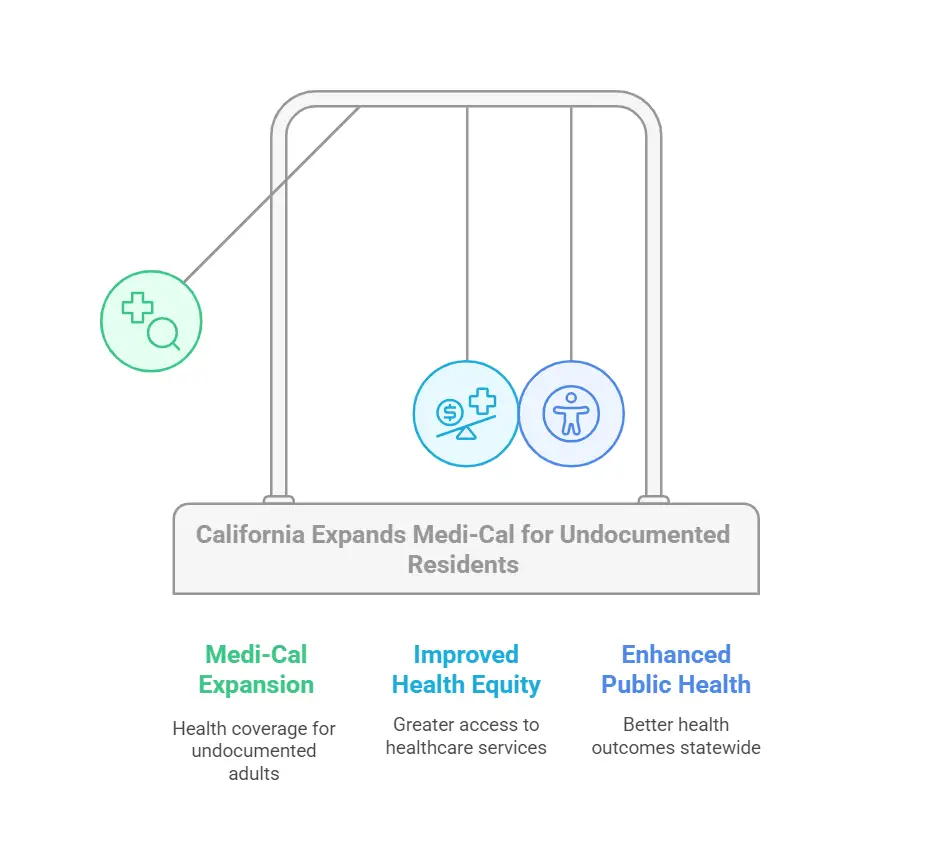
    • An employer cannot discuss an employee’s health condition with coworkers without the employee’s consent.
    • Unauthorized sharing of medical information can result in legal consequences under ADA, HIPAA, and state privacy laws.
    • Supervisors may be informed of necessary accommodations but not detailed medical conditions.
    • First aid and safety personnel may be notified only if an employee has a condition that could require emergency treatment.

    Both individuals and small businesses face obstacles when searching for healthcare coverage options. PEO4YOU acts as a bridge for clients with health insurance to streamline access to ACA-compliant health plans. 

    PEO4YOU plans include:

    • Comprehensive Health Plans:
      • Offering tailored health insurance solutions for individuals, families, and businesses with fewer than 500 employees.
    • Transparent Pricing:
      • Ensuring no hidden fees and a commitment to affordability.
      • Rate increases have been significantly lower than industry averages over the past five years.
    • Extensive Provider Network:
      • Providing access to the largest PPO network in the U.S., offering more choices and better care options.
    • Proactive Claims Management:
      • Partnering with a claims management provider to streamline approvals, reduce denials, and lower out-of-pocket expenses.
      • Ensuring a smoother healthcare experience for employees and businesses.
    • Regulatory Compliance Assistance:
      • Helping businesses remain compliant with healthcare laws and employee benefits regulations.

    By collaborating with PEO4YOU, individuals and businesses can secure healthcare coverage that aligns with their needs, ensuring compliance with relevant laws and promoting a healthier workforce.

    Conclusion

    Maintaining a respectful and lawful workplace environment requires employers to fully understand the legal boundaries of health-related employee inquiries. Employers need to carefully comply with both federal and state regulations while employees should stay informed about their medical information privacy rights.PEO4YOU and similar intermediaries serve as essential connectors between clients and health insurance providers while delivering customized solutions for different requirements. Through the utilization of these services individuals and businesses can secure complete healthcare coverage which guarantees health protection and adherence to legal requirements.

  • How to Handle S Corp Health Benefits on W2: A Comprehensive Guide

    How to Handle S Corp Health Benefits on W2: A Comprehensive Guide

    Accurate reporting of your S Corp health insurance enables financial savings while avoiding costly IRS penalties and helps you gain maximum health coverage benefits. This guide will provide detailed step-by-step instructions for everything you need to know about how to handle S Corp health insurance on W2.

    What is S Corp Health Insurance?

    S corporations provide distinct tax benefits which also apply to health insurance premium payments. Any S corporation owner holding greater than 2% of stock qualifies as a self-employed person when calculating health insurance benefits. While these premiums are deductible, you must understand the correct method for reporting S corp health insurance on W2 in order to claim these deductions.

    Why Correct Reporting Matters

    You risk both losing valuable deductions and attracting IRS audits if you incorrectly report health insurance premiums on W2.

    Proper handling ensures:

    • Deductibility of health insurance premiums
    • Compliance with IRS guidelines
    • Prevention of costly errors.

    How to Report S Corp Health Insurance on W2: Step-by-Step Guide

    S Corp owners and shareholder-employees must report health insurance on their W-2 correctly to ensure tax compliance and prevent IRS problems.

    Step 1: The S Corp should handle the payment of health insurance premiums either by direct payment or reimbursement to you.

    An S corp needs to either pay the health insurance premiums or reimburse you in order to allow proper deductions. Following this procedure establishes an accountable plan which makes deductions less complicated.

    Step 2: Include Premiums in W2 Wages

    The S corp health insurance premiums need to appear in Box 1 (taxable wages) of your W2 while staying exempt from Social Security and Medicare taxes if the corporation handles premium payments properly. Payroll records must show these premiums separately to maintain accurate financial documentation.

    Step 3: Report on IRS Form 1120-S

    The total health insurance premium amounts must appear on IRS Form 1120-S for S corporations specifically in Box 14 of the Schedule K-1 provided to shareholders. The reporting process guarantees both transparency and adherence to IRS regulations.

    Step 4: Personal Tax Return Adjustment

    S corp owners need to report health insurance premiums on their Form 1040 personal tax return which allows them to deduct these premiums from their gross income and significantly lower their taxable income.

    Managing S Corp Health Insurance Deductions

    Common Mistakes to Avoid

    Understanding common mistakes in managing S Corp health insurance on W2 filings can help prevent financial errors:

    • Not paying premiums through the S corp.
    • Omitting premium amounts from W2 Box 1.
    • S Corp health insurance premiums should not be included in wages reported for Social Security and Medicare purposes.
    • A Schedule K-1 must be issued with accurate premium amounts to avoid errors.

    By preventing these errors businesses can maintain full tax deductibility and adhere to IRS standards.

    Your business achieves significant financial benefits by correctly reporting S Corp health insurance on W2 forms.

    Accurate health insurance reporting on your W2 generates considerable benefits for your business.

    • Reduction in taxable income
    • Businesses experience stronger cash flow when they save money on payroll taxes.
    • Avoidance of IRS scrutiny
    • Simplification of year-end tax preparation

    When S corp health insurance on W2 is handled correctly businesses experience improved financial health.

    Practical Tips for Smooth Reporting

    These practical tips will help you achieve flawless reporting.

    • Keep detailed documentation of health insurance premiums paid by the S corporation.
    • Seek professional tax guidance by consulting with CPAs who specialize in S corp tax rules on a regular basis.
    • Employ trustworthy payroll software to accurately report health insurance premiums on W2 forms.
    • Perform annual reviews of IRS guidelines because regulations can change over time.

    By following these strategies you can simplify the reporting process and accurately handle S corp health insurance on W2 forms with consistent efficiency.

    Understanding the IRS Requirements

    Clear protocols mandated by the IRS are required for sustaining deductibility.

    To qualify:

    • Your shareholding position requires ownership of more than 2% of the company’s stock to meet IRS eligibility criteria.
    • The S corporation is required to make premium payments or provide reimbursements for those premiums.
    • S corporation premium payments require inclusion as taxable wages on W2s but FICA taxes should not apply.
    • You need sufficient documentation to validate your premium payments according to IRS standards in 2024.

    Adhering to these protocols ensures your access to tax benefits while maintaining full compliance.

    How Professional Help Can Ensure Compliance

    Managing tax compliance independently can be challenging.

    Professional assistance provides:

    • Guidance on complex IRS requirements.
    • Assurance of accurate reporting and tax savings.
    • Stay informed about changes in tax regulations that impact your S corporation through consistent updates.

    Hiring an expert tax accountant who knows S Corp health insurance W2 procedures minimizes mistakes while freeing up more time for your business expansion (Collective, 2024).

    Leveraging Services for Health Insurance

    Intermediaries such as PEO4YOU make the process of managing S Corp health insurance on W2 forms much easier.

    They serve as middlemen between businesses and insurance providers to assist small businesses and independent contractors:

    PEO4YOU provides healthcare coverage management services for small businesses, sole proprietors and independent contractors which includes accurate premium reporting and seamless compliance with IRS rules.

    Conclusion

    Small business owners and independent contractors must learn to manage S corp health insurance reporting on W2 forms effectively. Accurate premium payment through your S corp combined with precise personal tax reporting of these payments enables maximum deductions while preventing IRS penalties.

    For smooth and compliant reporting with S corp health insurance on W2 forms consider professional support services from experienced experts like PEO4YOU.

    Experts from PEO4YOU use their specialized knowledge to make S corp health insurance management simpler which lets you spend more time running your business with confidence and effectiveness.

    *This guide is not meant as tax advice. Consult your CPA for tax advice.

  • Form 5500 Health Benefits Filing Requirements

    Form 5500 Health Benefits Filing Requirements

    The Employee Retirement Income Security Act (ERISA) requires certain employee benefit plans to submit Form 5500 as a mandatory compliance document. The document serves as a key tool for the federal government to monitor a plan’s financial status and management of investments and operations.. Understanding who must file Form 5500 for health insurance is essential for employers to remain compliant and avoid potential penalties.

    Types of Organizations Required to File Form 5500 Health Insurance

    ERISA requires that private-sector employers who sponsor employee welfare benefit plans file Form 5500 annually. These welfare benefit plans encompass a range of health and welfare benefits, including:

    • Medical insurance: Coverage for hospitalization, doctor visits, prescription drugs, and other medical services.
    • Dental and vision insurance: Plans covering dental cleanings, orthodontics, eye exams, and prescription glasses or contact lenses.
    • Life insurance: Provides financial protection to an employee’s beneficiaries in the event of their death.
    • Disability plans: Short-term and long-term disability coverage for employees unable to work due to illness or injury.
    Form-5500-health-insurance-plans

    The filing requirement applies to:

    • Fully insured, self-funded, and mixed-funding plans.
    • Private-sector employers offering employee benefits.
    • Plans covering 100 or more participants.
    • Multiple Employer Welfare Arrangements (MEWAs), which cover employees from multiple employers under a single plan.

    To fully understand who must file Form 5500 for health insurance, employers need to determine whether their plans fall under ERISA’s reporting guidelines.

    Organizations Exempt from Filing:

    • Governmental plans (federal, state, or local government agencies).
    • Church plans (as defined by ERISA) that provide benefits to employees of religious organizations.
    • Top-hat plans (plans that exclusively cover a select group of management or highly compensated employees).
    • Plans with fewer than 100 participants that are unfunded or fully insured (subject to specific conditions).

    Are Small Businesses with Fewer Than 100 Employees Required to File Form 5500 for Health Insurance?

    The requirement to file Form 5500 depends on the number of plan participants, not just the total number of employees. A participant includes:

    • Current employees enrolled in the plan.
    • Former employees are still covered under COBRA or retiree benefits.
    • Beneficiaries receiving benefits under the plan.

    Exemption for Small Businesses:

    • If a welfare benefit plan has fewer than 100 participants at the beginning of the plan year and is unfunded, fully insured, or a combination of both, it may be exempt from filing Form 5500.
    • Unfunded plans: Benefits are paid directly from the employer’s general assets without a separate trust.
    • Fully insured plans: Benefits are provided exclusively through insurance contracts, with the insurance company assuming the risk.
    • Combination plans: If a plan has both insured and unfunded components, it may still qualify for an exemption if no plan assets are held in trust.

    Are Small Businesses with Fewer Than 100 Employees Required to File Form 5500 for Health Insurance?

    The requirement to file Form 5500 depends on the number of plan participants, not just the total number of employees. A participant includes:

    • Current employees enrolled in the plan.
    • Former employees are still covered under COBRA or retiree benefits.
    • Beneficiaries receiving benefits under the plan.

    Exemption for Small Businesses:

    • If a welfare benefit plan has fewer than 100 participants at the beginning of the plan year and is unfunded, fully insured, or a combination of both, it may be exempt from filing Form 5500.
    • Unfunded plans: Benefits are paid directly from the employer’s general assets without a separate trust.
    • Fully insured plans: Benefits are provided exclusively through insurance contracts, with the insurance company assuming the risk.
    • Combination plans: If a plan has both insured and unfunded components, it may still qualify for an exemption if no plan assets are held in trust.
    Form-5500-health-insurance-plans

    Understanding who must file Form 5500 for health insurance is especially important for small businesses evaluating their compliance requirements.

    Exceptions:

    • If the plan is funded through a trust or holds plan assets, the exemption may not apply even if the participant count is under 100.
    • Employers should assess their specific plan funding arrangements and consult with a benefits advisor to determine their filing obligations.

    Differences in Form 5500 Filing for Fully Insured vs. Self-Funded Health Insurance Plans

    Fully Insured Plans

    • Employers contract with an insurance company to provide health benefits.
    • The insurance company assumes the financial risk of paying claims.
    • Employers must file Form 5500 if the plan covers 100 or more participants.
    • Must include Schedule A, which details:
      • Premiums paid to the insurer.
      • Commissions or fees paid to brokers or agents.
      • Other insurance contract details related to coverage.
    • Insurance companies typically provide this information to the plan sponsor.

    Understanding who must file Form 5500 for health insurance is essential for companies offering fully insured plans.

    Self-Funded Plans

    • Employers assume the financial risk of providing health benefits directly.
    • Instead of paying premiums to an insurer, the employer pays claims out of pocket.
    • Must include Schedule H (Financial Information) if:
      • The plan has 100 or more participants.
      • The plan is funded through a trust.
    • Schedule H requires detailed financial reporting of:
      • Plan assets and liabilities.
      • Income and expenses.
      • Participant contributions (if applicable).
    • If the plan is unfunded or insured and has fewer than 100 participants, it may be eligible to file Form 5500-SF (simplified filing version).

    Employers must ensure they know who must file Form 5500 for health insurance, especially when considering funding arrangements.

    Potential Penalties for Failing to File Form 5500

    Employers must ensure timely filing to avoid penalties. The Department of Labor (DOL) can impose significant fines for late or missing filings:

    • Up to $2,670 per day for failure to file.
    • Delinquent Filer Voluntary Compliance Program (DFVCP) offers reduced penalties for voluntary disclosures.
    • Employers should act promptly if they discover a filing omission to mitigate potential penalties.
    • Late filings can also result in audits and increased scrutiny from regulatory agencies.

    Knowing who must file Form 5500 for health insurance can help businesses avoid these penalties.

    Who Must File Form 5500 for Health Insurance? How PEO4YOU Simplifies Compliance and Coverage Solutions

    Employers need to understand the intricate requirements of Form 5500 filings to remain compliant and prevent expensive penalties. Who must file form 5500 for health insurance? It is essential to identify the entities required to submit Form 5500 for health insurance to meet all regulatory obligations.

    Experienced intermediaries offer valuable assistance to businesses that need help managing their health insurance plans and meeting federal regulatory standards. PEO4YOU provides expert connections between clients and health insurance solutions designed to meet their unique requirements. Their services include:

    • Helping businesses find the right healthcare coverage for employees.
    • Acting as an intermediary between clients and health insurance companies.
    • Ensuring compliance with ERISA and Form 5500 filing requirements.
    • Providing customized benefits solutions to optimize employee offerings.
    • Offering administrative support to reduce the burden of managing benefits and compliance.

    By leveraging their expertise, PEO4YOU helps businesses navigate the complexities of healthcare offerings, ensuring that they not only provide comprehensive coverage to their employees but also remain compliant with all regulatory requirements. Their commitment to transparency, affordability, and dedicated support makes them a trusted partner for businesses aiming to optimize their health benefits while mitigating administrative burdens.

  • Short-Term Health Coverage: Safe Bet or Risky Gamble?

    Short-Term Health Coverage: Safe Bet or Risky Gamble?

    The rapidly changing healthcare environment creates scenarios where people cannot access or need traditional health insurance right away. Short-term health coverage serves as a feasible solution for coverage gaps by providing temporary health insurance plans during periods when standard health plans are unavailable. This article analyzes the specific features of short-term health coverage while comparing it to conventional health insurance and explains who qualifies for it while discussing its advantages and drawbacks.

    How does short-term health coverage operate and what distinguishes it from standard health insurance plans?

    Short-term health coverage offers a temporary medical safety net for individuals during transitional times between jobs or while waiting for employer-sponsored insurance to start outside of open enrollment periods. Short-term health coverage plans operate outside ACA regulations and thus are not required to meet ACA standards unlike traditional health insurance plans. The primary difference between these plans results in short-term health coverage offering restricted benefits while possibly omitting mandatory ACA services such as maternity care along with mental health support and prescription drugs. Short-term health coverage plans have the authority to deny coverage for pre-existing conditions whereas traditional ACA-compliant plans must provide coverage regardless of pre-existing health issues.

    The Main Distinctions Between Short-Term and Traditional Health Insurance

    Understanding the distinct features between short-term and traditional health insurance coverage is vital when choosing a health insurance plan. Both health insurance options provide medical coverage but differ substantially in terms of coverage length and duration as well as regulatory standards and financial costs and coverage restrictions. Short-term insurance plans deliver limited-time protection at reduced premiums but with restricted benefits while traditional health insurance delivers complete protection over a long duration. Following this information people can compare the main distinctions to make an educated choice.

    Short term health coverage

    Duration of Coverage:

    • Short-term health coverage: Coverage usually lasts for a restricted period up to 12 months and can be renewed based on state laws.
    • Traditional health insurance: Traditional health insurance delivers continuous annual coverage which remains renewable as long as premiums are paid.

    Regulatory Compliance:

    • Traditional health insurance: Traditional health insurance needs to comply with ACA rules which mandate essential health benefits coverage and prevent coverage denial for pre-existing conditions.
    • Short-term health coverage: Short-term health coverage remains outside the ACA regulations which enables insurers to create plans with different benefits and exclusions.

    Cost Structure:

    • Short-term health coverage: Short-term health coverage usually provides lower premiums yet includes higher out-of-pocket costs and fewer benefits.
    • Traditional health insurance: Traditional health insurance usually comes with elevated premium payments which are compensated by extensive coverage benefits and reduced out-of-pocket expenses.

    Enrollment Periods:

    • Traditional health insurance: Traditional health insurance requires enrollment to take place during designated times like open enrollment or special enrollment triggered by certain life events.
    • Short-term health coverage: People can buy short-term health coverage anytime throughout the year to meet urgent insurance needs.

    Coverage Limitations:

    • Short-term health coverage: Short-term health coverage plans have the option to deny benefits for pre-existing conditions alongside preventive care and essential health benefits.
    • Traditional health insurance: Traditional health insurance must provide extensive health services coverage that encompasses both preventive and wellness services.

    Which Individuals Can Receive Short-Term Health Coverage and what Scenarios Make It Beneficial?

    The qualifications for obtaining short-term health coverage depend on both the insurance company’s rules and state laws. People below 65 years old who maintain good health often meet the eligibility requirements. Short-term health coverage serves as a suitable choice for various specific situations:

    • Employment Transitions: People who find themselves in the gap between previous and future jobs or who are waiting for their new employer to start health benefits qualify for short-term health coverage.
    • Missed Open Enrollment: Individuals who were unable to enroll during the ACA period and fail to meet special enrollment criteria.
    • Recent Graduates: Students transitioning from school-based health plans.
    • Early Retirees: People who choose to retire before they qualify for Medicare coverage need to consider term health insurance options.

    People need to evaluate their health requirements and financial status before choosing short-term health coverage because these plans often lack complete benefits.

    Short term health coverage

    Which Benefits and Limitations Are Common in Short-Term Health Coverage Plans?

    Individuals experiencing life changes can benefit from short-term health coverage as a flexible insurance option. These plans ensure basic medical coverage over a restricted time period which results in them becoming a desirable alternative for people who need both immediate and flexible health insurance options that tend to be more budget-friendly. Short-term health coverage plans deliver multiple benefits but they also possess substantial limitations. These plans operate outside the Affordable Care Act’s (ACA) standards so they may include coverage gaps and exclusions.

    Prospective buyers must evaluate both positive and negative aspects of short-term health coverage plans before making their choice. The short-term health coverage plan offers emergency financial protection but does not adequately provide comprehensive and long-term healthcare protection for patients. The essential positives and negatives of short-term health coverage plans are listed below.

    Benefits:

    • Affordability: Short-term health coverage plans generally feature lower premiums than traditional health insurance which makes them financially attractive for temporary healthcare needs.
    • Flexibility: The availability of these plans throughout the entire year allows purchasers to obtain immediate coverage outside of traditional open enrollment periods.
    • Customizable Duration: Policy durations for short-term health coverage vary from several months to a full year based on state regulations and insurance company options.

    Limitations:

    • Limited Coverage: Short-term health coverage plans often exclude essential health benefits mandated by the ACA resulting in possible care gaps.
    • Pre-Existing Condition Exclusions: Insurers could refuse to provide coverage or implement higher premium rates when examining an applicant’s medical history.
    • Benefit Caps: Maximum coverage limits in many short-term health coverage plans lead to substantial out-of-pocket costs when major medical conditions develop.
    • Non-Renewable Policies: Certain policies cannot be renewed which forces individuals to submit new applications and possibly undergo new underwriting processes.

    Because of these limitations people must carefully study insurance policy terms and explore different insurance options if they want to ensure comprehensive healthcare coverage.

    Making the Right Choice: Is Short-Term Health Coverage Right for You?

    Short-term health coverage functions as a provisional insurance alternative for people experiencing interruptions in their standard health insurance coverage. Despite their affordability and flexibility benefits users must understand the inherent limitations of these plans. PEO4YOU serves as a useful intermediary for individuals who need help understanding health insurance choices. PEO4YOU focuses on guiding clients through the evaluation of short-term health coverage plans to ensure that both individuals and small businesses discover options that meet their exact requirements. Clients who use the expertise available to them can make well-informed choices which leads them to obtain suitable coverage solutions.

    Short-term health coverage serves as an effective solution for immediate needs yet requires a thorough evaluation of personal health needs and professional advice to guarantee complete and fitting health protection.

  • Veterans VA Healthcare Access: Challenges & Solutions

    Veterans VA Healthcare Access: Challenges & Solutions

    The VA department provides healthcare services and benefits to support millions of former military service members. The United States Veterans Affairs Department has successfully enhanced Veterans Healthcare Access while improving care quality and efficiency over several years. The healthcare system still faces ongoing obstacles which prevent numerous veterans from obtaining prompt and sufficient medical services. The article examines the progress made by the US Veterans Affairs Department in improving Veterans Healthcare Access along with the persistent challenges and provided services while documenting actions taken to improve efficiency and care quality.

    Improvements in Veterans VA Healthcare Access

    The US Veterans Affairs Department has launched multiple programs to enhance access to healthcare for veterans. Some of the key advancements include:

    Expansion of Community Care

    • Veterans who experience long wait times or reside too far from VA facilities can access private-sector medical services through the US Veterans Affairs Department’s Community Care Program.
    • The MISSION Act permits veterans to seek urgent care at private facilities which helps lower their reliance on VA hospitals while improving accessibility.
    • Partnerships with private healthcare providers have increased treatment choices for veterans who need specialized medical care.

    Technological Advancements

    • Telehealth Services: Telehealth services at the US Veterans Affairs Department now allow veterans to have remote video consultations with doctors which eliminates the necessity of travel.
    • My HealtheVet Portal: The My HealtheVet Portal provides veterans with tools to book medical appointments while accessing their health records and communicating directly with healthcare professionals.
    • Artificial Intelligence (AI) and Predictive Analytics: The US Veterans Affairs Department uses AI technology for better diagnostics and to personalize treatment while predicting veterans’ health risks.

    Policy Reforms and Legislative Support

    • The PACT Act provides expanded benefits for veterans who have been exposed to toxic substances like burn pits and Agent Orange.
    • Additional funding helped the VA to expand its facilities while hiring additional staff members.
    • The updated eligibility standards now allow additional veterans to access healthcare services.
    Veterans Healthcare Access

    Persistent Challenges in Veterans Healthcare Access

    While progress has been made in veterans healthcare, numerous obstacles still affect access to care and treatment quality.

    Navigating the Healthcare System

    • Complex Bureaucracy: The US Veterans Affairs Department processes and eligibility requirements present significant challenges for veterans to understand and navigate.
    • Lack of Awareness: Most veterans do not know about all the benefits they can receive.
    • Limited Outreach Programs: Additional initiatives must be developed to educate veterans about their available healthcare benefits.

    Mental Health Services

    • High Suicide Rates: Veterans face a suicide rate that greatly exceeds that of the general population which emphasizes the critical need for mental health support.
    • Delays in Treatment: Numerous veterans face extended waiting periods before receiving mental health appointments.
    • Stigma Around Seeking Help: Stigma and career-related fears prevent many veterans from pursuing mental health treatment.

    Staffing Shortages

    • Understaffed VA Facilities: Staffing shortages of doctors and nurses along with specialist scarcities at VA hospitals drive up patient wait times.
    • High Turnover Rates: US Veterans Affairs Department medical facilities struggle with retention problems which disrupts their ability to offer steady care services.
    • Competition with Private Healthcare: US Veterans Affairs Department hospitals lose skilled professionals because private healthcare organizations provide more competitive pay.

    The VA Delivers Primary Services and Benefits to Veterans

    The US Veterans Affairs Department provides extensive services and benefits to assist Veterans with their healthcare access and general well-being through:

    Healthcare Services

    • Primary Care & Preventive Medicine: Routine check-ups, screenings, and immunizations.
    • Specialty Care: Specialty medical treatments available for cardiac and cancer care along with orthopedic and neurological conditions.
    • Emergency & Urgent Care: Veterans have access to emergency medical services through both VA clinics and external healthcare facilities.
    • Mental Health Services: Therapy, counseling, and psychiatric care.
    • Rehabilitation & Physical Therapy: The VA offers rehabilitation and physical therapy services to help veterans who are healing from surgical procedures or injuries.

    Financial and Compensation Benefits

    • Disability Compensation: Veterans who sustained service-related disabilities receive monthly financial assistance from the VA.
    • Pension Programs: Aid programs that provide financial support to veterans with limited income and their dependents.
    • Education Assistance: The GI Bill program offers financial support through tuition assistance and housing allowances to veterans.
    • Home Loan Guarantees: VA-supported home loans deliver beneficial terms and reduced interest rates.
    • Life Insurance: Different insurance policies exist to secure both veterans and their family members.
    Veterans Healthcare Access

    The US Veterans Affairs Department implemented measures to decrease patient waiting periods

    The US Veterans Affairs Department has launched multiple initiatives to improve Veterans Healthcare Access along with service efficiency while cutting down on delays.

    Streamlining Appointment Scheduling

    • VA Online Scheduling System: The system enables veterans to make and change their appointments through online access.
    • Automated Appointment Reminders: Reduces no-show rates and optimizes scheduling.
    • Expanding Operating Hours: The US Veterans Affairs Department facilities have increased their operating hours to serve more patients.

    Enhancing Quality Assurance Measures

    • VA Office of Inspector General (OIG) Oversight: The VA Office of Inspector General conducts routine evaluations and audits to ensure healthcare quality.
    • Patient Satisfaction Surveys: Continuous feedback collection to improve patient experience.
    • Performance Metrics for Providers: Medical staff performance evaluation involves measuring doctors based on treatment results and patient satisfaction feedback.

    Collaboration with External Healthcare Partners

    • Academic Partnerships: The department partners with academic institutions to develop medical professionals with a focus on veteran healthcare.
    • Non-Profit Organizations: Teams work alongside organizations which deliver supplementary healthcare services and support systems.
    • Public-Private Partnerships: The organization collaborates with private healthcare providers to increase available services.

    Bridging the Gaps: The US Veterans Affairs Department and PEO4YOU collaborate to provide veterans with complete healthcare access

    Expanded community care options alongside telehealth technology developments and new policy reforms have enabled the US Veterans Affairs Department to improve Veterans Healthcare Access significantly. The US Veterans Affairs Department continues to face bureaucratic complexity along with mental health service gaps and staffing shortages.

    PEO4YOU offers essential healthcare coverage options to veterans who need alternatives. PEO4YOU functions as a connector between veterans and health insurance providers to help them locate the most appropriate healthcare plans based on their needs. The organization assists veterans who lack sufficient coverage from US Veterans Affairs Department healthcare to find quality insurance plans that meet their health needs and financial capabilities.

    The US Veterans Affairs Department needs ongoing partnerships with private healthcare providers and support organizations as well as policymakers to deliver proper care to veterans. The healthcare system can improve its service to national protectors by solving persistent problems and advancing creative healthcare solutions.

  • Benefits of Private Health Insurance

    Benefits of Private Health Insurance

    The global healthcare infrastructure utilizes private health insurance as a major element to offer families and individuals supplementary or alternative healthcare options to public services. The ability to understand differences between private health insurance and public healthcare as well as the factors affecting insurance costs and the pros and cons of each system makes choosing the best plan essential for informed healthcare decisions.

    Benefits of Private Health Insurance Compared to Public Healthcare Systems

    Government entities usually fund and operate public healthcare systems which seek to deliver medical services to everyone. Public healthcare systems receive funding from tax revenues which allows them to deliver medical services at reduced or zero direct costs to patients. However, they may face challenges such as:

    • Longer waiting times
    • Resource constraints limit the availability of specialized treatments.

    Private health insurance operates through for-profit companies which mandate premium payments from individuals who want coverage. Private plans often offer:

    • A broader range of services
    • Reduced waiting times
    • Access to private healthcare facilities
    • Private health insurance customers benefit from broader options for selecting their healthcare providers and treatment schedules.

    Private insurance costs tend to be much higher while coverage details depend on the specific plan chosen.

    private health insurance

    Factors Affecting the Cost of Private Health Insurance

    The cost of private health insurance premiums is determined by various factors, including:

    1. Age

    • Older individuals face higher insurance premiums because their health risks increase with age.
    • People over the age of 50 can often pay premiums that are three times higher than those paid by younger adults for identical insurance coverage.

    2. Location

    • Geographical location significantly impacts premium costs.
    • Local competition between insurers combined with state regulations and regional healthcare costs create these variations.

    3. Tobacco Use

    • People who use tobacco face higher insurance premiums because insurers associate tobacco use with greater health risks.
    • Premiums for tobacco users can rise by up to 50% because insurers apply a tobacco surcharge compared to those who do not use tobacco.

    4. Plan Type

    • Health insurance premium costs depend on the structure of the plan.
    • Insurance plans with reduced deductibles and out-of-pocket expenses usually charge higher premiums whereas plans with higher deductibles provide lower monthly rates but increase payment requirements when medical services are accessed.

    5. Number of Dependents

    • Adding family members to your insurance plan raises the premium because of the need to cover these extra people.
    • The insurance plan becomes more expensive with each new dependent added.

    6. Health Status

    • The Affordable Care Act prevents insurance denial because of pre-existing health conditions but overall health status continues to affect insurance premium pricing.
    • People with chronic health problems may require more healthcare services which can affect their insurance premium costs.

    7. Gender

    • Regional differences exist where premium costs vary between genders because of distinct healthcare usage patterns among males and females.
    • Specific regions have rules that prevent insurance companies from setting prices based on gender.

    8. Income Level

    • Individuals and families with low incomes can obtain reduced premium costs through eligibility for subsidies and tax credits.
    • Financial assistance programs exist to reduce the cost of health insurance for consumers.

    Advantages and Disadvantages of Private Health Insurance Compared to Public Healthcare

    Advantages:

    • Shorter Waiting Times: Private health insurance enables faster access to medical services which minimizes waiting times for both consultations and procedures.
    • Expanded Provider Options: Private insurance policyholders enjoy access to a broader range of healthcare providers and facilities.
    • Enhanced Comfort and Privacy: Private medical facilities can deliver better amenities such as private rooms and customized care services.

    Disadvantages:

    • Higher Costs: The high cost of private insurance premiums creates affordability problems for certain people.
    • Potential for Over-Treatment: The financial motivations driving private healthcare providers can result in patients receiving unnecessary medical treatments or diagnostic tests.
    • Equity Concerns: The dependence on private insurance systems leads to unequal healthcare access and results across different populations.
    private health insurance

    Choosing the Best Private Health Insurance Plan for Your Needs

    Choosing the right private health insurance plan requires an assessment of your medical needs alongside your budgetary constraints. These steps will guide you through the process of making an informed decision:

    1. Assess Your Healthcare Needs

    • Evaluate your medical history and current health condition while projecting your future healthcare needs.
    • Evaluate your healthcare requirements by looking at how often you see doctors, your prescription needs, upcoming medical procedures and your preferred healthcare providers.

    2. Understand Plan Types

    Learn about the basic kinds of health insurance plans available:

    • Health Maintenance Organization (HMO): A PCP must provide referrals to access specialists and the plan costs less while offering limited flexibility.
    • Preferred Provider Organization (PPO): PPOs let members choose their healthcare providers without needing referrals but require higher premium payments.
    • Exclusive Provider Organization (EPO): Patients must use network providers except during emergencies and do not require referrals.
    • Point of Service (POS): The POS model mandates specialist referrals from PCPs while permitting out-of-network services with increased expenses.

    3. Compare Plan Networks

    • Check that your chosen doctors and healthcare facilities belong to the plan’s provider network.
    • When you use providers outside your insurance network you may face much larger out-of-pocket expenses.

    4. Evaluate Costs

    Review each plan’s cost components to understand their financial implications:

    • Premiums: The monthly payment for the insurance plan.
    • Deductibles: The out-of-pocket amount you must pay before your insurance begins to cover costs.
    • Co-payments and Co-insurance: Patients pay either fixed amounts or service costs percentages after their deductible is met.
    • Out-of-Pocket Maximum: Your insurance will cover all expenses after you reach the highest payment limit you have to make during each policy period.

    5. Consider Coverage Benefits

    • Evaluate insurance benefits that include prescription drug coverage along with mental health services and maternity care together with preventive services.
    • Select a plan that offers services which match your individual health requirements.

    6. Check for Additional Perks

    • Certain plans provide wellness programs together with telehealth services and gym membership discounts.
    • The plan’s value increases with these extra benefits.

    7. Review Plan Ratings and Customer Feedback

    • Evaluate service quality and customer satisfaction by researching plan ratings while reading customer feedback.
    • The National Committee for Quality Assurance (NCQA) and state insurance department websites serve as dependable resources.

    8. Seek Professional Advice

    • Insurance brokers provide professional advice and help find customized insurance coverage solutions.

    Conclusion: Private Health Insurance – A Path to Personalized Healthcare

    Understanding private health insurance requires knowledge of how it differs from public healthcare and requires analysis of cost factors along with its benefits and drawbacks. PEO4YOU provides essential support to individuals and businesses who need customized health insurance options. PEO4YOU offers clients personalized health insurance solutions through human-centered claims management while ensuring cost transparency and access to an extensive provider network. Utilizing these resources allows individuals and organizations to select healthcare coverage options that deliver full benefits at reasonable costs through well-informed decision-making.

  • LGBT Medical Benefits Discrimination Protections

    LGBT Medical Benefits Discrimination Protections

    LGBT+ individuals throughout the United States require comprehensive medical insurance to maintain their well-being with New England residents included (NCBI). Healthcare coverage navigation becomes intricate because of policy differences accompanied by legal obstacles and diverse provider inclusivity levels. Major obstacles continue to stand between LGBT+ individuals and fair healthcare access which highlights the importance of establishing equitable medical insurance rules along with robust protections against healthcare discrimination.

    • Importance of Medical Insurance for LGBT+ Individuals
      • Medical insurance remains vital to ensure well-being throughout the United States and specifically within New England.
      • Healthcare coverage navigation presents difficulties because of inconsistent policies and legal obstacles.
    • Historical Barriers to Healthcare Access
      • Discrimination in medical settings
      • Lack of coverage for essential LGBT+ services
      • Inadequate provider knowledge of LGBT+ health needs
    • Need for Equitable Insurance Policies
      • Advocacy for inclusive and comprehensive coverage
      • Emphasis on healthcare discrimination protections
    • Current Gaps in Healthcare Access
      • Limited availability of affirming and knowledgeable providers
      • There is inconsistent access to gender-affirming treatments alongside reproductive and mental health services.
      • The level of healthcare coverage varies according to state regulations and insurance provider as well as employer policies.
    • Impact of Healthcare Disparities
      • Delayed or inadequate treatment
      • Worse health outcomes for LGBT+ individuals
    • Call for Stronger Protections
      • Ensuring robust anti-discrimination policies
      • The initiative focuses on guaranteeing equal healthcare access throughout New England.
    Healthcare Discrimination Protections

    Understanding health insurance options and legal protections becomes essential when legislative landscapes change to protect LGBT+ individuals against discrimination. The article examines important features of medical insurance services available to LGBT+ individuals throughout New England:

    • This analysis investigates how health insurance options in the United States serve the unique healthcare requirements of LGBT+ people living in New England.
    • The health insurance providers that serve New England with the most inclusive policies.
    • Coverage for gender-affirming treatments in New England.
    • Legal protections against discrimination in health insurance.
    • Same-sex couples encounter difficulties when seeking health insurance coverage for spouses.
    • The Affordable Care Act (ACA) provides numerous advantages to LGBT+ individuals who reside in New England.

    1. What Medical Insurance Providers in New England Do to Meet the Unique Healthcare Needs of LGBT+ People?

    The unique healthcare challenges faced by LGBT+ people in New England require medical insurance to play a vital part in meeting their healthcare needs. Key considerations include:

    Higher Mental Health Risks:

    • Discrimination and societal pressures expose LGBT+ individuals to increased risks of anxiety and depression along with suicidal thoughts.
    • New England health insurance plans provide mental health coverage including therapy and psychiatric care yet LGBT-affirming provider accessibility differs across regions.
    • Although certain insurers provide LGBT-friendly networks coverage remains uneven for specialized mental health services which emphasizes the importance of healthcare discrimination protections.

    HIV/AIDS Prevention and Treatment:

    • Gay and bisexual men within the LGBT+ community experience a disproportionate rate of HIV/AIDS infections.
    • Under the ACA insurance plans cover PrEP as a preventive service and patients receive it without cost-sharing.
    • Certain insurance companies require prior authorizations for PrEP which complicates access and shows the necessity of anti-discrimination measures in New England healthcare systems.

    Reproductive Health Services:

    • Fertility treatments for lesbian and bisexual women in New England receive insurance coverage only when specific conditions are met.
    • There are unequal access levels to fertility services because some insurers require proof of medical infertility before they will cover procedures.
    • Many insurers fail to cover fertility preservation services for transgender individuals considering hormone therapy which leads to out-of-pocket expenses and underscores the necessity for healthcare discrimination protections in New England.

    2. Which Health Insurance Providers Offer the Best Inclusivity for LGBT+ People in New England?

    New England insurance companies are working to enhance coverage options and protective measures for LGBT+ populations. Notable providers include:

    • Aetna (CVS Health): Enhanced fertility coverage along with transgender health benefits strengthens New England’s healthcare discrimination protections through its offerings.
    • Blue Cross Blue Shield: Blue Cross Blue Shield provides coverage for gender-affirming care and maintains directories of LGBTQ+-friendly providers.
    • Cigna: The insurance coverage from Cigna includes gender-affirming procedures and inclusive mental health services while strengthening protections against healthcare discrimination in New England.
    • UnitedHealthcare: The insurance plan provides hormone treatment options, surgical procedures for gender affirmation along with mental health services for LGBT+ individuals.
    • Kaiser Permanente: The organization delivers healthcare inclusivity programs together with LGBT+ health education while helping New England locals.
    Healthcare Discrimination Protections

    3. What Coverage Options Exist for Gender-Affirming Treatments Under Health Insurance Plans in New England?

    A significant number of transgender individuals along with other people in the LGBT+ community need medical treatments that affirm their gender identity. Insurance coverage options differ greatly between different plans and state jurisdictions across New England.

    Covered Treatments (Depending on the Plan):

    • Hormone replacement therapy (HRT)
    • The list of gender-affirming surgeries includes procedures such as top surgery, bottom surgery, and facial feminization.
    • Voice therapy
    • Mental health support related to gender transition

    Challenges:

    • Insurance providers in New England are violating healthcare discrimination protections by classifying specific procedures like facial feminization surgery as cosmetic instead of medically necessary.
    • Medicaid programs across different states offer varying levels of transgender healthcare coverage.
    • Employer-sponsored health plans frequently exclude gender-affirming procedures which complicates efforts to protect against healthcare discrimination in New England.

    4. Which Legal Measures Provide Protection for LGBT+ People Against Medical Insurance Discrimination?

    LGBT+ individuals benefit from multiple protective laws and policies against healthcare coverage discrimination which operate in New England:

    Affordable Care Act (ACA) Section 1557:

    State Laws in New England:

    • New England’s individual states show divergent approaches to gender-affirming care with some enhancing protections and others seeking to limit coverage.
    • Different states offer varying Medicaid coverage with certain regions providing explicit gender-affirming care and others implementing restrictions on it.

    Advocating for Healthcare Discrimination Protections

    Healthcare discrimination protections in New England can lead to inclusive and equitable medical coverage for LGBT+ people. Intermediary organizations such as PEO4YOU help LGBT+ individuals across New England to navigate healthcare systems by:

    • PEO4YOU aids clients in locating healthcare plans that include protections against healthcare discrimination and promote inclusivity.
    • This organization connects clients with insurance providers to secure complete insurance coverage.
    • PEO4YOU delivers expert advice to help people understand healthcare enrollment processes and legal protections.
    • PEO4YOU offers support tools for people needing gender-affirming healthcare and mental health assistance.

    LGBT+ residents of New England need ongoing advocacy and policy reforms as well as resources such as PEO4YOU to secure fair and inclusive medical insurance coverage. The LGBT+ community in New England can improve their healthcare journey by remaining informed and proactive which helps them navigate U.S. healthcare complexities and secure deserved coverage plus discrimination protection benefits.

  • How Much Do Nonprofits Pay for Health Benefits

    How Much Do Nonprofits Pay for Health Benefits

    Nonprofit organizations play a vital role in addressing societal needs, often operating with limited financial resources. One significant expense they face is providing health insurance for their employees. Understanding how much nonprofits pay for health insurance, the factors influencing these costs, available government assistance, comparisons with for-profit entities, and identifying insurance providers offering favorable rates is crucial for nonprofits aiming to balance employee welfare with fiscal responsibility.

    Factors Influencing Health Insurance Costs for Nonprofits:

    Several elements affect how much do nonprofits pay for health insurance:

    • Organization Size: Smaller nonprofits often lack the bargaining power to negotiate lower premiums, leading to higher per-employee costs. Conversely, larger organizations can leverage their size to obtain more favorable rates.
    • Employee Demographics: The age, health status, and family composition of employees can impact premiums. A workforce with older employees or those with dependents may face higher insurance costs.
    • Plan Selection: The type of health insurance plan chosen—such as Health Maintenance Organizations (HMOs), Preferred Provider Organizations (PPOs), or High-Deductible Health Plans (HDHPs)—affects both premiums and out-of-pocket expenses.
    • Geographic Location: Regional variations in healthcare costs and state regulations can influence insurance premiums.
    • Administrative Costs: Nonprofits may incur additional expenses related to managing health benefits, especially if they lack dedicated HR personnel.
    how much do nonprofits pay for health insurance

    Government Subsidies and Programs Assisting Nonprofits Understanding how much nonprofits pay for health insurance also involves exploring government programs designed to alleviate costs:

    • Small Business Health Care Tax Credit: Nonprofits with fewer than 25 full-time equivalent employees, paying average wages below a certain threshold( in 2024, this threshold is $55,000 per FTE employee (adjusted annually for inflation), and contributing at least 50% toward employee premiums may qualify for this credit. For tax-exempt employers, the credit can cover up to 35% of premium expenses.
    • State-Specific Programs: Some states offer initiatives to assist small employers, including nonprofits, in providing health insurance. These programs vary by state and may include premium assistance or access to group purchasing arrangements.

    Comparing Health Insurance Costs: Nonprofits vs. For-Profit Organizations The financial dynamics between nonprofit and for-profit organizations can lead to differences in how much nonprofits pay for health insurance:

    • Profit Margins: For-profit entities may have higher profit margins, enabling them to absorb insurance costs more readily or offer more comprehensive benefits.
    • Tax Considerations: Nonprofits benefit from tax-exempt status, but they do not have access to certain tax deductions available to for-profit companies, potentially impacting their net insurance expenses.
    • Resource Allocation: Nonprofits often prioritize programmatic spending over administrative expenses, which can limit the funds available for employee benefits.

    Health Insurance Providers Catering to Nonprofits 

    Some insurance providers and intermediaries specialize in offering tailored plans for nonprofits, helping to determine how much do nonprofits pay for health insurance:

    • PEO4YOU: This organization offers healthcare benefits to independent contractors and small businesses, including nonprofits that may not qualify for traditional group insurance plans due to their size. PEO4YOU provides comprehensive health plan solutions, encompassing essential benefits like preventive care, specialist visits, and prescription coverage, with additional options for dental and vision care. Their services are designed to be affordable and accessible, leveraging partnerships to offer competitive rates.
    • Nonprofit Insurance Programs: Various programs and associations focus on the unique needs of nonprofits, offering group purchasing options and plans that consider the financial constraints typical of these organizations.

    Strategies for Nonprofits to Manage Health Insurance Costs 

    To effectively manage and potentially reduce how much do nonprofits pay for health insurance, they can consider the following strategies:

    • Explore Health Reimbursement Arrangements (HRAs): HRAs allow employers to reimburse employees for medical expenses and individual health insurance premiums, providing flexibility and potential cost savings. This approach can be particularly beneficial for nonprofits seeking to offer health benefits without the financial commitment of traditional group plans.
    • Partner with Professional Employer Organizations (PEOs): Collaborating with PEOs can grant nonprofits access to larger group health plans, often at reduced rates, by pooling employees with those of other organizations. This partnership can also alleviate administrative burdens associated with benefits management.
    • Implement Wellness Programs: Promoting employee health through wellness initiatives can lead to lower healthcare costs over time. Healthier employees typically require less medical care, which can reduce the organization’s overall insurance claims and potentially lower premiums.
    • Regularly Review and Adjust Plans: Nonprofits should periodically assess their health insurance offerings to ensure they align with employee needs and organizational budgets. Adjusting plan features, such as increasing deductibles or co-pays, can help control premium costs.
    • Educate Employees: Providing employees with information on how to effectively use their health benefits, including choosing cost-effective providers and understanding preventive care options, can lead to more informed decisions and cost savings for both employees and the organization.
    how much do nonprofits pay for health insurance

    Mastering How Much Do Nonprofits Pay for Health Insurance: Key Insights for Financial Sustainability

    Navigating how much do nonprofits pay for health insurance is a complex yet essential task for nonprofits committed to supporting their employees while maintaining financial health. By understanding the factors influencing insurance expenses, exploring available government programs, comparing costs with for-profit entities, and partnering with specialized intermediaries like PEO4YOU, nonprofits can make informed decisions that benefit both their workforce and their mission. PEO4YOU, in particular, offers tailored health plan solutions that cater to the unique needs of small businesses and nonprofits, providing access to comprehensive benefits that might otherwise be unattainable. Their focus on affordability and comprehensive coverage makes them a valuable partner for nonprofits striving to offer quality health benefits in a fiscally responsible manner.

  • What Plastic Surgery Benefits Coverage Really Includes

    What Plastic Surgery Benefits Coverage Really Includes

    Plastic Surgery Insurance Coverage includes both cosmetic procedures and essential reconstructive surgeries. Patients commonly inquire about the possibility of health insurance covering plastic surgery costs. Insurance coverage of a procedure depends on its classification as either cosmetic or medically necessary.

    The article will differentiate cosmetic from reconstructive procedures and examine which plastic surgeries health insurance covers while explaining how insurance companies determine coverage eligibility. PEO4YOU provides vital information to people seeking health insurance coverage who want to understand the policies associated with plastic surgery.

    Understanding Cosmetic vs. Reconstructive Surgery

    Plastic Surgery Insurance Coverage can be broadly classified into two categories: cosmetic surgery and reconstructive surgery.

    • Cosmetic Surgery: Cosmetic procedures aim to change physical appearance rather than address medical conditions. Cosmetic surgeries include aesthetic procedures such as facelifts liposuction rhinoplasty and breast augmentations except those needed for medical reasons. Elective procedures remain uncovered by health insurance because they do not deliver medical treatment benefits.
    • Reconstructive Surgery: Medical professionals conduct these surgical procedures to correct abnormalities caused by congenital defects or by trauma infections tumors and diseases. This procedure aims to restore normal function while providing aesthetic improvements. Surgeries that repair traumatic injuries alongside post-mastectomy breast reconstruction and cleft lip and palate repair represent common reconstructive surgical procedures. When procedures are considered medically necessary plastic surgery insurance coverage includes these treatments.

    Medical professionals must recognize the difference between the two categories to identify which procedures will receive insurance coverage.

    Plastic Surgery Insurance Coverage

    Are Reconstructive Surgeries, Such as Post-Mastectomy Breast Reconstruction, Always Covered by Insurance?

    Breast reconstruction becomes a vital step in recovery for breast cancer patients who undergo mastectomy. The Women’s Health and Cancer Rights Act (WHCRA) of 1998 requires insurance companies to provide coverage for breast reconstruction after mastectomy. This includes:

    • Surgical reconstruction of the affected breast will restore its original shape.
    • The surgical procedure on the non-affected breast aims to achieve symmetry between both breasts.
    • Prostheses and treatment for complications, including lymphedema

    Despite federal law requiring plastic surgery insurance coverage some companies may limit their coverage to specific reconstruction procedures or set time limits for when surgery must occur. Patients must consult their insurance provider to understand their coverage details before they undergo surgery.

    What Types of Plastic Surgeries Are Typically Covered by Health Insurance?

    Although most cosmetic procedures do not receive health insurance coverage plastic surgeries deemed medically necessary often receive full or partial coverage. Below are some common examples:

    1. Breast Reduction (Reduction Mammaplasty)

    Health insurance may cover breast reduction surgery when excessive breast tissue leads to medical conditions like:

    • Chronic back, neck, or shoulder pain
    • Breast reduction surgery may receive insurance coverage when the skin develops problems like rashes or infections beneath the breasts.
    • Posture problems
    • Nerve pain

    Healthcare provider documentation is necessary to show insurance companies that medical issues continue to exist even after trying non-surgical solutions like physical therapy and pain medication.

    2. Eyelid Surgery (Blepharoplasty)

    Patients typically undergo eyelid surgery to improve appearance; however, when eyelid droop affects sight it becomes a medically essential procedure. Obtaining insurance coverage for plastic surgery requires proof of medical necessity through various forms of documentation.

    • Visual field tests showing obstruction
    • Photographs demonstrating eyelid drooping
    • A physician’s statement supporting the medical need

    3. Nose Surgery (Rhinoplasty and Septoplasty)

    Rhinoplasty surgery is often performed for beauty improvements but it also provides essential medical benefits. A medical insurance plan might fund the surgery when it resolves specific health issues.

    • A deviated septum that obstructs airflow (septoplasty)
    • Chronic sinus infections
    • Structural abnormalities or injuries can create breathing difficulties that require medical intervention.

    4. Reconstructive Hand Surgery

    Plastic surgery insurance coverage normally includes surgical procedures that restore hand function including those for carpal tunnel syndrome correction and rheumatoid arthritis deformity repair.

    5. Skin Cancer Removal and Reconstruction

    Plastic surgery insurance frequently covers reconstructive procedures like skin grafts or flap surgery when they follow skin cancer removal surgery.

    6. Gender-Affirming Surgeries

    Gender-affirming medical procedures receive coverage from numerous health insurance plans when they fulfill medical necessity criteria for transgender patients. Plastic surgery insurance coverage typically includes chest reconstruction in addition to facial feminization and genital reconstruction surgeries.

    How Do Insurance Companies Differentiate Between Cosmetic and Medically Necessary Plastic Surgery?

    Insurance providers apply rigorous standards to assess if a plastic surgery operation meets medical necessity requirements. Some factors they consider include:

    • Functional Impairment: Procedures that resolve medical conditions affecting bodily functions (e.g., vision obstruction, chronic pain, breathing difficulties) stand a better chance of receiving insurance coverage.
    • Medical Documentation: Medical records from doctors outlining symptoms and diagnoses and documentation of non-surgical treatments that failed are necessary for patients to submit.
    • Conservative Treatments: Insurance policies mandate that patients explore non-surgical options like physical therapy or medication before granting surgery approval.
    • Photographic Evidence: Insurance companies sometimes require patients to provide photographs as proof that their procedure is medically necessary.
    • Pre-Authorization: Patients must obtain pre-authorization from their insurance providers before undergoing reconstructive surgeries to assess eligibility for Plastic Surgery Insurance Coverage.

    All insurance providers follow different rules which requires patients to review their specific insurance plan details and work with their doctors for proper documentation.

    Plastic Surgery Insurance Coverage

    Plastic Surgery Insurance Coverage: Navigating Your Options with Expert Guidance

    Multiple aspects make it difficult to understand insurance coverage when it comes to plastic surgery. Patients must differentiate between cosmetic procedures and reconstructive procedures while acquiring the necessary documentation and working with their insurer to determine coverage eligibility.

    PEO4YOU delivers essential assistance to people seeking appropriate healthcare insurance coverage options. PEO4YOU facilitates connections between clients and health insurance companies to help individuals and families along with businesses choose healthcare plans that align with their unique needs. Their services include:

    • Helping clients compare different health insurance plans
    • Identifying policies that cover reconstructive procedures
    • PEO4YOU assists clients with navigating the process of obtaining Plastic Surgery Insurance Coverage claims and approvals.

    PEO4YOU assists people to locate suitable insurance plans which cover medically necessary plastic surgery and helps understand current coverage through their connection services. Learn more about PEO4YOU’s assistance services by visiting their website.

  • Affordable Medical Benefits : Find Your Perfect Coverage

    Affordable Medical Benefits : Find Your Perfect Coverage

    Small business owners along with freelancers and sole proprietors need to prioritize finding affordable medical insurance more than ever before. Finding suitable insurance coverage becomes difficult due to increasing healthcare costs along with policy changes and intricate regulations which often lead to excessive spending. A high-quality insurance plan that is affordable can be obtained when you have the appropriate information and resources.

    Through this resource you will learn to explore your healthcare insurance options while keeping abreast of policy updates and finding ways to save money without losing coverage essentials.

    Understanding the Current State of Health Insurance

    The United States healthcare system operates at high cost levels that keep getting more expensive every year. The average annual premium for family coverage shows a 7% increase. The financial burden from rising costs affects both people and companies which makes finding cost-reduction strategies essential.

    Numerous Americans are at risk of insurance termination as a result of policy transformations. The current level of uncertainty makes developing a strategy to obtain affordable medical insurance the most important step.

    How Potential Policy Changes Could Affect Coverage

    Government policies maintain a strong link to the structure of health insurance in the United States. The prospective Trump administration might enforce major revisions to health insurance regulations which include modifications to subsidy structures and coverage obligations. The insurance costs for individuals along with the standard plan benefits could be altered by these changes.

    Insurers will likely create cheaper insurance plans that offer minimal benefits when new policies support deregulation. Although monthly premium costs would decrease under these changes they would lead to increased out-of-pocket expenses for fundamental healthcare services. Avoiding unexpected expenses requires individuals to perform careful evaluations of policy changes and compare available options.

    affordable medical insurance

    Strategies for Securing Affordable Medical Insurance

    Even though healthcare costs continue to climb healthcare consumers can find affordable coverage options that still provide critical benefits. Here are some practical strategies:

    1. Take Advantage of the Affordable Care Act (ACA)

    Financial assistance from the ACA enables eligible individuals to access lower-cost insurance through premium tax credits and cost-sharing reductions. Eligible individuals can benefit from these subsidies because they help decrease both monthly premiums and out-of-pocket expenses.

    People earning between 100% and 400% of the federal poverty level can find private health plans much more affordable because of these credits. Determining qualification for ACA subsidies represents a primary method for decreasing healthcare costs.

    2. Use Online Comparison Tools to Shop for Plans

    You need to conduct research to find the most affordable suitable insurance plan. The Colorado Hospital Price Finder enables individuals to evaluate medical procedure costs through online comparisons while estimating expenses across various insurance plans.

    Evaluate these things when you search for a plan:

    • Monthly premiums vs. out-of-pocket costs – A lower monthly premium often results in increased deductible expenses.
    • Network coverage – Verify that your healthcare provider choices are covered by the network in the plan.
    • Prescription drug coverage – Review the prescription drug coverage to make sure it includes your essential medications.

    3. Consider Professional Assistance from Insurance Experts

    Small business owners and independent workers who lack employer-sponsored plans find navigating health insurance options very complicated. Insurance professionals like PEO4YOU help streamline the insurance process. PEO4YOU assists people by connecting them with various insurance providers to help them identify plans that match their needs and financial limits.

    Experts help individuals explore more insurance choices while clarifying policy information and obtaining optimal coverage for their particular needs.

    4. Review Your Plan Regularly and Adjust as Needed

    Healthcare needs change over time. Previous year’s successful choices may not remain ideal options in today’s circumstances. Regular yearly evaluations of your insurance plan help you maintain affordable medical coverage while avoiding extra expenses.

    Look for:

    • Premium increases – Your current plan premiums have exceeded your budget so now you should consider other available options.
    • Changes in benefits – Ensure that your current plan maintains coverage for essential services after any changes in benefits.
    • New market offerings – New market plans could provide improved coverage options at reduced rates.
    affordable medical insurance

    The Role of the Affordable Care Act in Reducing Costs

    The ACA stands as the most powerful instrument to expand access to affordable medical insurance for more individuals. It has introduced several key protections:

    • Guaranteed Coverage for Pre-Existing Conditions – Insurance providers must offer coverage for pre-existing conditions without excluding applicants based on their health background.
    • Essential Health Benefits – Every ACA-compliant plan must incorporate services such as preventive care as well as maternity and mental health treatment.
    • Income-Based Subsidies – Financial assistance exists to help reduce the cost of insurance premiums through income-based subsidies.

    These protections enable individuals to obtain essential healthcare services while avoiding substantial financial burdens.

    Embracing Technology for Smarter Health Insurance Decisions

    The advancement of technology now provides people with unprecedented convenience and knowledge when evaluating their insurance choices. Insurance seekers find optimal coverage through platforms that offer clear pricing details along with real-time information and user review systems.

    Key benefits of using online tools include:

    • Faster plan comparisons – Quick plan comparisons enable users to view different insurance plans side-by-side.
    • Cost transparency – Cost transparency allows patients to understand their financial obligations for medical services before making a doctor’s appointment.
    • Data-driven decision-making – Select your healthcare plan through a data-driven process by examining real pricing and quality metrics.

    These tools help people find economical medical insurance options without compromising their access to high-quality healthcare services.

    Looking Ahead: The Future of Affordable Healthcare

    As the healthcare landscape keeps changing, the most effective preparation method remains keeping up-to-date information. Federal policy changes together with healthcare technology improvements and competitive insurance markets will determine both accessibility and cost-effectiveness of medical coverage.

    Key Trends to Watch:

    • Expanding Telemedicine Services – Virtual healthcare visits are increasing in prevalence and they may help lower healthcare expenses.
    • Market Consolidation – Insurance providers merging could lead to changes in plan availability.
    • Policy Adjustments – New ACA provisions will affect both subsidy levels and available insurance plans.

    Regularly tracking these developments and assessing insurance choices helps people secure medical coverage that remains affordable and suitable for their healthcare needs.

    Conclusion

    The process of locating affordable medical insurance demands diligent research and strategic planning as well as the utilization of various available resources. Through ACA benefits utilization, comparison tool usage, or expert consultations individuals and business owners can access numerous ways to cut healthcare expenses while keeping quality coverage.

    PEO4YOU offers personalized expert assistance to those who need help finding the right insurance options. PEO4YOU serves as an intermediary platform between clients and insurance companies to help them identify the best and most affordable insurance plans.

    People can manage their healthcare costs and find medical insurance that satisfies their future requirements by remaining informed and utilizing advanced comparison tools along with exploring all existing resources.

  • Is it Possible to Have Part-Time Jobs with Health Benefits?

    Is it Possible to Have Part-Time Jobs with Health Benefits?

    Introduction

    Many people worry about how to keep their health insurance when they work flexibly, especially those who work part-time or run their own businesses. Quality healthcare coverage options exist outside of traditional full-time employment through different available strategies. Workers today benefit from a variety of healthcare options including Part-Time Jobs with Health Insurance, Medicaid, the Affordable Care Act (ACA), and Professional Employer Organizations (PEOs).

    This guide presents a detailed examination of how employees can access health insurance through part-time jobs without needing to take on full-time work responsibilities. This guide will feature businesses that provide health insurance benefits to part-time workers and will explore affordable healthcare options for self-employed people.

    The Benefits of Part-Time Jobs with Health Insurance

    Health insurance is often thought to be exclusive to full-time workers yet numerous large employers extend benefits to their part-time staff. Individuals seeking both a flexible work schedule and health insurance coverage should consider part-time employment options that provide health benefits.

    Advantages of Having Part-Time Jobs with Health Insurance:

    • Maintain Work-Life Balance: Reduce your working hours without losing access to essential health benefits.
    • Reduce Healthcare Costs: Private insurance options tend to cost more than plans provided through employers.
    • Gain Access to Comprehensive Plans: There are companies which extend medical and dental insurance along with vision benefits to their part-time staff members.
    • Qualify for Medicaid While Working Part-Time: Medicaid eligibility extends to many low-income part-time workers who need cost-effective health insurance options.
    • Supplement Other Income: Workers frequently choose part-time jobs to get additional income and receive health benefits from their employers.
    Part-Time Jobs with Health Insurance

    Selecting part-time positions that provide health insurance benefits is useful for those who expect income fluctuations which could impact their Medicaid eligibility because employer-sponsored coverage provides additional protection.

    Companies That Offer Health Insurance to Part-Time Workers

    Numerous recognized businesses extend health insurance benefits to their part-time workforce. These organizations deliver outstanding healthcare options to part-time staff members:

    • Starbucks: Employees working a minimum of 20 hours weekly receive comprehensive health insurance from Starbucks.
    • UPS: Part-time workers receive medical and dental as well as vision insurance from this company.
    • Costco: Costco gives part-time employees access to cost-effective healthcare options once they meet specified eligibility criteria.
    • Walmart: Walmart delivers healthcare benefits through multiple insurance plans specifically for employees working part-time.

    People who want both flexible work schedules and quality health insurance should consider part-time positions at these companies which offer health benefits.

    Health Insurance Solutions for Self-Employed Individuals

    Self-employed individuals cannot access employer-sponsored health plans but they still have options to obtain health coverage. Independent workers have multiple effective options that enable them to keep their flexibility intact while obtaining dependable health insurance coverage.

    The Affordable Care Act (ACA) Marketplace

    The ACA has played a critical role in making healthcare options accessible for individuals who are self-employed. Independent workers access customizable insurance through marketplace plan enrollment which matches their financial and health needs. The ACA successfully expanded healthcare access demonstrated by a record number of workers who received coverage through the program (Inc.).

    Benefits of ACA Health Insurance:

    • Access to Subsidized Plans: Income levels determine whether self-employed individuals are eligible for subsidies that reduce their monthly premiums.
    • Wide Range of Coverage Options: The marketplace offers various insurance tiers enabling people to select the plan that matches their requirements.
    • No Denial for Pre-Existing Conditions: ACA prohibits insurance coverage denial based on any individual’s health history.

    Self-employed workers seeking both work autonomy and complete health coverage should consider enrolling in ACA marketplace plans. Certain self-employed workers identify Part-Time Jobs with Health Insurance as a backup or additional source to maintain consistent health coverage when their income varies.

    Medicaid, Work, and Health Insurance

    Part-time workers with low income can obtain health coverage through Medicaid while avoiding substantial out-of-pocket expenses. Part-time workers can secure Medicaid coverage in several states when their income meets eligibility standards. Policy debates are underway about introducing work requirements for Medicaid beneficiaries which may affect people who depend on this program for healthcare while they work variable hours.

    Certain states require able-bodied Medicaid beneficiaries to either work designated hours or take part in job training and community service to keep their benefits. Individuals who work part-time jobs need to understand these policies to find affordable healthcare solutions.

    Searching for part-time employment that includes health insurance benefits serves as a proactive strategy. A shift in Medicaid eligibility criteria makes employer-sponsored benefits essential to maintain continuous health coverage.

    Professional Employer Organizations (PEOs) for Health Coverage

    Through their intermediary role between individuals and insurance companies PEOs provide access to competitive healthcare plans which independent workers would not normally be able to obtain. PEO4YOU and similar organizations focus on assisting self-employed workers in locating health insurance options that align with their distinct professional situations.

    Benefits of Using a PEO:

    • Lower Insurance Costs: PEOs secure improved insurance rates through the collective representation of independent workers.
    • Access to High-Quality Insurance Plans: PEOs offer insurance choices that typically exceed marketplace options in quality.
    • Simplified Enrollment Process: PEOs handle administrative operations to make health insurance navigation simpler.

    Independent professionals should consider PEO services such as PEO4YOU to achieve health benefits with maintained work flexibility.

    Choosing the Right Health Insurance Strategy for You

    Working part-time or running your own business allows you to keep health insurance benefits while maintaining flexible work options. The essential step is to evaluate available choices and choose a strategy that fits personal needs best.

    Consider These Key Questions:

    • Do you prefer employer-sponsored benefits? Seeking part-time positions at businesses such as Starbucks and Costco could be beneficial for those who want jobs with health insurance benefits.
    • Do you want to remain completely independent? ACA plans and PEO services deliver health insurance possibilities without requiring traditional employment.
    • Do you need the most cost-effective option? The ACA marketplace offers subsidized health plans whereas PEOs deliver competitive rates through their collective purchasing strength.
    Part-Time Jobs with Health Insurance

    Conclusion: Flexibility and Healthcare Can Coexist

    Strategic planning enables people to maintain work flexibility along with reliable healthcare coverage. Part-Time Jobs with Health Insurance offer an ideal solution for individuals who wish to work reduced hours and maintain employer benefits. Self-employed people have multiple healthcare options including ACA marketplace plans, Medicaid eligibility and PEO service benefits.

    People who want work flexibility along with dependable health coverage should consider Part-Time Jobs with Health Insurance as a practical solution. Maintaining your health coverage through employer-sponsored insurance, ACA marketplace plans, Medicaid or PEO services lets you prioritize your career and lifestyle along with your well-being.

  • Rising Health Benefits Costs for Small Business Owners

    Rising Health Benefits Costs for Small Business Owners

    For small business owners in New York, providing health insurance to employees is becoming increasingly difficult due to rising costs. Unlike large corporations that have the financial strength to absorb premium hikes and leverage economies of scale to negotiate better rates, small businesses often struggle to offer competitive benefits while maintaining profitability.

    Factors Driving Up Costs

    The health insurance costs for small business owners in New York are influenced by several factors, including state-imposed taxes, regulatory mandates, and the overall cost of healthcare. Each year, new legislation introduces additional mandated benefits, requiring insurers to cover specific treatments and services, which further drives up premiums. For businesses operating on tight margins, these increasing expenses can make it challenging to sustain employer-sponsored healthcare options.

    Business Community’s Response

    Recognizing the burden on employers, a coalition of New York business associations urged Governor Kathy Hochul in October 2024 to reject proposed legislative measures that would further raise health insurance costs for small business owners. Business groups highlighted that New York already has some of the highest health insurance costs for small businesses in the country, and adding more mandates would only exacerbate the problem. Without intervention, small business owners may be forced to reduce coverage, increase employee contributions, or, in extreme cases, eliminate health benefits altogether.

    health insurance costs for small business owners

    Navigating the Health Insurance Industry

    This article explores the growing challenges surrounding health insurance costs for small business owners, including:

    • The impact of mandated benefits
    • The regulatory framework governing insurance in New York
    • Potential penalties for not offering coverage
    • Solutions available through multi-employer plans like PEO4YOU

    Business Groups Urge Governor Hochul to Reject Costly Mandates

    In October 2024, a coalition of the Business council called on Governor Kathy Hochul to reject legislative proposals that would further increase health insurance costs for small business owners. These organizations emphasized that:

    • New York already has some of the highest health insurance costs for small business owners in the nation.
    • State-imposed taxes, mandated benefits, and cost-sharing restrictions contribute to these expenses.
    • Nearly a dozen new mandates introduced in the 2024 legislative session threaten to escalate premiums, impacting both employers and employees.
    • Small businesses, in particular, are disproportionately affected, as they lack the financial flexibility of larger corporations to absorb these additional costs.

    The Impact of Mandated Benefits on Small Business Health Insurance

    A study published in the Journal of Insurance Regulation found that benefit mandates tend to distort firm size, as large firms can more easily self-insure and avoid these mandates, leaving small firms with relatively higher costs. These mandates require insurance plans to cover specific treatments, services, or providers, increasing premiums for businesses and employees alike.

    Regulation of Health Insurance Costs for Small Business Owners in New York State

    The New York State Department of Financial Services (DFS) is responsible for regulating health insurance companies and ensuring consumer protection. The DFS:

    • Reviews and approves policy forms before they can be sold.
    • Monitors the financial stability of insurers to prevent company failures.
    • Enforces compliance with state insurance laws to protect policyholders from unfair practices.
    • Provides oversight on rate increases, ensuring they are justified and not excessive.
    • Regulates insurers under the New York State Insurance Law, which establishes the legal framework for the industry.

    Penalties for Not Having Health Insurance in New York in 2025

    Since 2019, there has been no federal individual mandate penalty for not having health insurance due to the Tax Cuts and Jobs Act of 2017. Additionally, New York has not implemented its own state-level penalty, meaning:

    • As of 2019, New York residents will not face financial penalties for lacking health insurance coverage.
    • Despite the absence of penalties, having insurance remains crucial for financial and health security.
    • Individuals can explore options through the New York State of Health Marketplace, which offers plans with potential subsidies based on income levels.

    Challenges Faced by Small Business Owners

    Small businesses in New York encounter multiple challenges due to increasing health insurance costs for small business owners:

    health insurance costs for small business owners
    • Budget Constraints: Unlike larger corporations, small businesses have limited financial resources to absorb premium increases.
    • Administrative Complexity: Compliance with evolving mandates and regulations requires time and expertise, which small business owners often lack.
    • Employee Retention Issues: High insurance costs can make it difficult to offer competitive benefits, impacting hiring and retention.
    • Potential Reduction in Benefits: To manage rising costs, businesses may need to:
      • Shift more costs to employees through higher deductibles or co-pays.
      • Limit plan options or reduce coverage levels.
      • In extreme cases, discontinue offering health benefits altogether.

    The Role of Intermediaries in Navigating Health Insurance

    To cope with these challenges, many small business owners turn to Professional Employer Organizations (PEOs) and intermediaries for assistance. PEO4YOU is one such intermediary that helps businesses navigate the complex health insurance landscape. PEO4YOU provides:

    • Access to Group Health Insurance Plans: Small businesses can join larger employer pools, typically leading to lower premiums and better coverage options.
    • Cost-Effective Solutions: Identifies plans that balance affordability with comprehensive coverage.

    Navigating the Future: Strategies to Manage Rising Health Insurance Costs for Small Business Owners

    The rising health insurance costs for small business owners in New York presents significant challenges. While mandated benefits enhance coverage, they also contribute to higher premiums, making it increasingly difficult for businesses to provide affordable plans. Understanding the regulatory landscape and leveraging intermediaries like PEO4YOU can help small businesses manage these financial pressures.

    To ensure the sustainability of employer-sponsored health coverage, a multifaceted approach is required, including:

    • Policy advocacy to prevent excessive mandates that inflate costs.
    • Regulatory awareness to navigate compliance requirements effectively.
    • Strategic partnerships with PEOs and insurance intermediaries for cost-effective solutions.

    By implementing these strategies, small businesses can continue offering essential health benefits to their employees while maintaining financial stability in an increasingly expensive healthcare market.

  • Free Birth Control Boosts Reproductive Healthcare Access

    Free Birth Control Boosts Reproductive Healthcare Access

    In a significant move aimed at expanding reproductive healthcare access, the Biden administration proposed a rule that would have mandated private insurance companies to cover over-the-counter (OTC) contraceptives at no cost to consumers. This proposal was designed to eliminate financial and logistical barriers that often prevented individuals from accessing essential birth control methods. If implemented, the rule would have marked a major advancement in public health policy and reproductive healthcare access in the United States.

    What Are the Key Details of the Plan for the Free Sale of Contraceptives, and Who Will Benefit?

    The new proposal, announced on October 21, 2024, would require private health insurance plans to fully cover the cost of OTC contraceptive products without the need for a prescription. This expansion builds upon the Affordable Care Act (ACA), which already mandates coverage for prescribed contraceptives. However, under current regulations, most OTC contraceptives require a prescription to qualify for insurance coverage. The Biden administration’s new rule seeks to remove this barrier, making OTC birth control methods as easily accessible as other preventive health services covered under the ACA, further improving reproductive healthcare access.

    Who Will Benefit?

    • Women of Reproductive Age: The rule primarily benefits women of reproductive age who have private health insurance. By eliminating both out-of-pocket expenses and the need for a prescription, the proposal aims to simplify and broaden reproductive healthcare access.
    • Low-Income Individuals: Those who may struggle to afford birth control will have fewer financial barriers, ensuring equitable healthcare access.
    • Busy Professionals and Students: Many individuals, especially working professionals and students, find it difficult to schedule doctor’s appointments to obtain prescriptions. The OTC access rule simplifies the process, making birth control readily available at pharmacies and strengthening reproductive health
    • Public Health System: Increased access to contraceptives can contribute to a reduction in unintended pregnancies, leading to lower healthcare costs associated with pregnancy care, childbirth, and abortion services.

    According to estimates, around 52 million women in the United States who are currently insured under private health plans stand to benefit from this rule.  By expanding access, the proposal not only empowers individuals to take control of their reproductive health but also enhances gender equity in healthcare access. 

    reproductive healthcare access

    What Role Will Pharmacies, Healthcare Providers, and Insurance Companies Play in Ensuring Access to Free Contraceptives?

    For the plan to succeed, several key players in the healthcare system must effectively implement and support it:

    Pharmacies:

    • Pharmacies will be the primary distribution point for OTC contraceptives, through the time, 30 states have passed laws allowing pharmacists to prescribe or provide contraception without a doctor’s prescription.
    • Pharmacists may be tasked with educating consumers about their contraceptive options and ensuring they are aware of their insurance coverage, further facilitating reproductive care access.
    • Stock management will be essential to prevent shortages, particularly in high-demand areas, ensuring seamless reproductive healthcare access.

    Healthcare Providers:

    • While the rule removes the requirement for a prescription, healthcare providers will still play a crucial role in educating patients about their options and reinforcing reproductive care access.
    • Providers can guide patients on proper contraceptive use, potential side effects, and choosing the best method for their individual needs, strengthening reproductive healthcare access.
    • Clinics and hospitals may need to update their patient education programs to reflect the new accessibility of OTC contraceptives and the broader push for expanded contraceptive options.

    Insurance Companies:

    • Insurers must update their coverage policies to include OTC contraceptives without requiring cost to consumers and a prescription.
    • Claims processing systems must be adjusted to ensure that consumers are not charged at checkout when purchasing covered contraceptives, a crucial component of equitable coverage.
    • Clear communication with policyholders will be necessary to educate them about their new benefits and how to access them, improving overall contraceptive affordability and accessibility.

    Given that insurers are already mandated under the ACA to provide no-cost birth control prescriptions, this expansion is a logical step in increasing accessibility. However, insurers will have to ensure that this new coverage does not lead to unintended bureaucratic delays in approving claims for OTC contraceptives. (Source: NBC News)

    How Does Health Insurance Play a Crucial Role Even in Cases Like This?

    Even though this policy removes the need for prescriptions, having health insurance remains essential for ensuring broad reproductive healthcare access. Here’s why:

    • Not All Birth Control Methods Are Over the Counter: The proposed rule applies only to OTC contraceptives. Many other highly effective contraceptive methods, such as intrauterine devices (IUDs), hormonal implants, and certain birth control injections, still require a prescription and medical consultation, which remain covered under insurance, strengthening access to reproductive health services.
    • Emergency Situations and Healthcare Needs: While free OTC contraceptives reduce financial burdens, insurance is still critical for covering related healthcare services, such as gynecological exams, STI testing, and pregnancy-related care, ensuring comprehensive reproductive health support.
    • Comprehensive Coverage Beyond Birth Control: Insurance covers other essential aspects of reproductive health, including screenings for conditions such as cervical cancer, sexually transmitted infections, and fertility treatments for those trying to conceive, making it a key factor in ensuring broad reproductive healthcare benefits.
    reproductive healthcare access

    Ensuring Comprehensive Free Birth Control Boosts Reproductive Healthcare Access: The Role of Insurance Beyond Free OTC Contraceptives

    While the Biden administration’s proposal for free OTC contraceptives is a step forward in reproductive healthcare access, having comprehensive health insurance remains essential for overall well-being. That’s where PEO4YOU plays a vital role.

    What is PEO4YOU?

    As PEO4YOU we serve as an intermediary, helping labor unions, multiemployer groups, and Taft-Hartley plans navigate the complexities of health insurance. Their services include:

    • Supporting Multiemployer and Union Plans: Assisting labor unions and Taft-Hartley funds in structuring and managing healthcare benefits, ensuring members have access to comprehensive reproductive health services.
    • Enhancing Benefits for Workers and Families: Providing expert guidance on selecting the best healthcare plans for unionized workforces and their dependents.
    • Ensuring Compliance and Maximizing Coverage: Helping multiemployer plans adhere to ACA regulations, so members receive all eligible healthcare benefits, including reproductive health coverage.

    For more information, visit PEO4YOU’s website to explore health insurance options tailored for multiemployer and union-based healthcare plans.


  • Health Benefits Reform: Fixing Costs & Coverage Gaps

    Health Benefits Reform: Fixing Costs & Coverage Gaps

    The United States health insurance network functions as a complicated and divided system that creates major obstacles for both government officials and private sector businesses as well as everyday citizens. Healthcare continues to face systemic problems with inefficiency and high expenses alongside unequal access even though there are continuous debates and reform attempts. Small businesses and self-employed individuals along with low-income families experience serious effects because they face difficulties obtaining affordable comprehensive health coverage. This article examines the main obstacles to successful health insurance reform along with its effects on different stakeholders and the outcomes of ignoring these systemic inefficiencies.

    Main Challenges Preventing Effective Health Insurance Reform

    1. High Costs and Affordability Issues

    The health insurance system faces significant challenges due to the rapidly increasing expenses for medical services and insurance premiums. Although the United States spends more on healthcare than any other developed country, access to medical services and health outcomes vary widely. According to the Kaiser Family Foundation (KFF) research findings 63% of uninsured adults remain without insurance due to prohibitively high costs. Insurance holders must deal with deductibles and copays that generate substantial financial burdens which make essential medical services unaffordable. A complete overhaul of health insurance policy becomes necessary to alleviate financial burdens faced by patients.

    2. Fragmentation and Administrative Complexity

    Health Insurance Reform

    The U.S. healthcare system operates as a complex mix of private insurers and employer-sponsored plans along with Medicaid, Medicare, and marketplace options which creates confusion and leads to inefficiency. The complex task of managing various insurance plans and their respective networks creates administrative burdens which increase healthcare expenses. According to a study published in NEJM Catalyst the United States incurs higher administrative expenses than other wealthy countries because its healthcare system remains fragmented. Health insurance reform presents an opportunity to eliminate these inefficiencies and cut unnecessary expenses.

    3. Political and Economic Barriers

    Powerful industry groups like private insurance companies along with pharmaceutical firms and healthcare providers stand against changes to the health insurance system. The divisive nature of politics adds layers of complexity to healthcare reform as discussions about government involvement in healthcare create legislative standstills. Healthcare stands as one of the most contentious political issues according to the Gallup Poll because of significant disagreements about how to proceed. Health insurance reform can succeed only if policymakers manage to break down these obstacles while building bipartisan consensus.

    4. Limited Access to Primary Healthcare

    Healthcare inefficiencies primarily arise from insufficient focus on primary and preventive care services. According to the Pan American Health Organization (PAHO) primary healthcare development plays a vital role in reaching universal health coverage and decreasing future medical expenses. The reform of health insurance systems needs to prioritize improving access to primary care in order to reduce medical expenses over time.

    Impact of the Lack of Solutions on Small Businesses, Self-Employed Individuals, and Low-Income Families

    • Challenges for Small Businesses
      • The financial burden of offering health insurance to employees remains substantial for small businesses.
      • Small businesses face increased insurance costs because they lack the economies of scale that benefit large corporations.
      • According to a Commonwealth Fund report these challenges continue because numerous small businesses find it difficult to fund complete health plans for their employees.
      • The implementation of health insurance reform could reduce these financial burdens since it would offer small businesses more cost-effective group insurance alternatives.
    • The Burden on Self-Employed Individuals
      • Many self-employed people cannot access employer-sponsored insurance plans so they need to join the individual market that usually presents higher costs.
      • The National Center for Biotechnology Information (NCBI) research indicates self-employed people often postpone necessary medical care because of financial worries which leads to higher chances of developing serious health problems.
      • Independent workers need health insurance reform to gain access to affordable insurance options.
    • The Disproportionate Impact on Low-Income Families
      • Families with limited income face higher risks of having inconsistent health insurance protection.
      • The ACA’s Medicaid expansion decreased uninsured numbers yet left many low-income people without coverage because of eligibility limitations and unawareness about available programs.
      • Because affordable options are unavailable many families skip preventive care which results in poorer long-term health prospects and greater use of emergency health services.
      • A strategic overhaul of health insurance systems holds the potential to fill these coverage gaps while increasing access for at-risk groups.

    Consequences of Failing to Address Inefficiencies in the Current Health Insurance System

    Health Insurance Reform

    Deteriorating Health Outcomes

    Individuals without affordable health insurance options tend to avoid preventive care and delay medical treatment for their conditions. Major health disparities might be reduced through health insurance reform which improves access to preventive care services.

    Economic Hardships and Medical Debt

    Families and businesses both experience financial strain from expensive healthcare costs. Medical debt remains a primary driver of bankruptcy filings throughout the United States. The JPMorgan Chase Institute report reveals that small businesses providing health benefits face reduced profitability and restricted growth due to rising insurance costs. The economic burden from expensive health care reaches beyond family units by constraining both consumer expenditure and corporate investment throughout the entire economy. To stabilize healthcare costs and protect millions of Americans from financial distress we need health insurance reform.

    Navigating Health Insurance Reform: How PEO4YOU Helps Individuals and Businesses Find Affordable Coverage

    The health insurance system needs both complete policy reforms and new solutions which offer better access and affordability to address its current challenges. Individuals and businesses need to find appropriate coverage in the current system because systemic changes are essential.

    Businesses such as PEO4YOU serve an important function as intermediaries connecting insurance companies with their clients. PEO4YOU helps small businesses and self-employed workers along with families find insurance coverage that balances affordability with comprehensive benefits through their customized health plan solutions. Their knowledge enables clients to select appropriate insurance options that meet their specific requirements while delivering essential assistance through a complex insurance landscape.

  • 2025 Small Business Health Benefits Idaho Options

    2025 Small Business Health Benefits Idaho Options

    Idaho small businesses encounter distinct difficulties while offering health insurance benefits to their staff. The combination of increasing healthcare costs and shifting regulatory requirements makes it crucial to research alternative solutions for obtaining affordable comprehensive health coverage. This article explores health insurance choices for Idaho small businesses and focuses on inclusive plans while explaining Medicaid’s role and providing employer strategies.

    Understanding Small Business Health Insurance Idaho

    Idaho’s small business health insurance landscape proves challenging for employers who have less than 50 employees. Idaho’s workforce benefits from multiple effective health insurance choices designed to serve both independent contractors and sole proprietors.

    Why Health Insurance is Crucial for Small Businesses

    Employers who provide health insurance meet regulatory obligations while positioning themselves strategically to gain competitive advantages:

    • Secure top talent retention and acquisition within a competitive job market.
    • Improve employee productivity and overall job satisfaction.
    • The Affordable Care Act (ACA) imposes penalties which businesses of particular sizes can avoid by meeting designated requirements.
    • Supporting employee health through workplace programs helps lower the number of sick days and decreases overall healthcare expenses.
    Small Business Health Insurance Idaho

    The Best Health Insurance Options for Small Businesses in Idaho

    1. Idaho Health Insurance Exchange: Small businesses searching for group health plans should consider The Your Health Idaho marketplace as their main resource. Employers have the opportunity to evaluate multiple health plans which also include those that qualify for small business tax credits. The platform delivers clear visibility and adaptable options which assists businesses in choosing health plans that meet their financial limits and employee necessities.
    2. Private Health Insurance Plans: Private insurers offer business-specific plans through partnership arrangements. Private health insurance options come with extra benefits and small businesses can obtain supplemental insurance to fill gaps in standard insurance coverage for services like dental and vision care.
    3. ACA alternatives: Small businesses have several options to explore. Level-funded plans and association health plans (AHPs), along with PEO-based coverage options deliver both greater flexibility and opportunities for cost reduction compared to standard ACA plans. These healthcare options provide lower premiums and wider provider networks with more customization options while preserving essential benefits. Small businesses can access ACA-compliant health coverage which meets their specific needs at lower costs by partnering with trusted organizations like PEO4YOU instead of using ACA marketplace plans.

    Addressing Healthcare Accessibility for All

    The Necessity of Targeting the Hispanic Community

    The Hispanic community of Idaho remains hindered in obtaining healthcare services despite representing a large section of the workforce. The 2025 Idaho Capital Sun report identifies language barriers along with cultural differences and insufficient outreach as the main factors that create challenges.

    Small businesses must prioritize solving these healthcare access problems to improve employee well-being and work efficiency:

    • Bilingual Communication: Distributing healthcare resources and information in Spanish enables all employees to choose their healthcare options with complete awareness.
    • Culturally Sensitive Outreach: Working together with local organizations and community leaders strengthens trust and connects employers with their diverse workforce.
    • Affordable Options: Explain how Medicaid expansion and various subsidized health plans can help lessen financial burdens so employees can access essential medical care.

    Leveraging Medicaid for Small Business Health Insurance Idaho

    Through Idaho’s Medicaid expansion low-income individuals and families have gained better access to healthcare services. Small businesses have the opportunity to use Medicaid benefits as a health care support mechanism for employees who fall outside the eligibility criteria for standard employer health plans. Here’s how:

    • Supplemental Coverage: Employees of small businesses can utilize Medicaid as additional health insurance since it provides essential medical services not covered by employer-sponsored insurance. Employees receive complete healthcare coverage through this approach.
    • Cost Savings for Employers: The enrollment of eligible employees in Medicaid enables businesses to decrease insurance costs while keeping their workforce in good health.
    • Healthier Communities: The expansion of Medicaid enhances public health results that help small businesses create stronger and dependable workforces.

    A 2024 report emphasizes Medicaid’s essential function within Idaho. Expanded eligibility enabled thousands of residents to obtain coverage and these residents are mostly employees of small businesses which lack sufficient funds to offer complete group health plans. Owners of small businesses must train their employees to understand Medicaid benefits and assist them with enrollment when possible.

    Navigating 2025 Health Insurance Rates in Idaho

    Health insurance rates for 2025 have been confirmed by the Idaho Department of Insurance to show a 5% price rise in individual policies and a 9% increase in small group markets as reported by KTVB. The 1332 State Innovation “Reinsurance Waiver” aims to keep costs competitive but businesses will still experience major expense increases next year. Businesses should implement specific measures to minimize the financial impact of this price increase.

    • Compare Plans Annually: Small businesses in Idaho should conduct annual evaluations of available health insurance plans to obtain the best options for their needs. Businesses maintain awareness of competitive rates and plan features through annual evaluations.
    • Consider High-Deductible Plans: Employees benefit from tax-advantaged medical savings when they combine high-deductible health plans with Health Savings Accounts which also lead to lower premiums.
    • Seek Professional Guidance: Partnering with intermediaries such as PEO4YOU assists businesses to successfully manage changes while selecting small business health insurance Idaho plans that provide the best value.

    Strategies to Provide Affordable Coverage

    Health Reimbursement Arrangements (HRAs)

    HRAs provide employers with the ability to pay back employees for their health costs and insurance payments without requiring participation in group insurance options. This solution works especially well for companies that serve a varied workforce. HRAs can:

    • Tax benefits extend to employers and employees through HRAs.
    • Employees should have the option to choose healthcare plans that suit their unique circumstances.
    • Reduce administrative complexity for small businesses.

    Group Health Insurance Plans

    Many small businesses count on group health insurance plans as their fundamental way to deliver complete healthcare benefits. These plans allow employers to:

    • Pool Risk for Lower Costs: Insurers can distribute risk through single plans covering multiple employees which often leads to reduced premium costs.
    • Offer Broad Coverage Options: Group health insurance plans usually provide employees with multiple benefits including hospitalization services as well as preventive care options along with prescription medication and special care for mental health and maternity needs. Certain plans extend their coverage options to include dental and vision as additional benefits.
    • Simplify Employee Choices: Employees can choose from pre-selected insurance options which eliminates the need to locate individualized coverage.
    • Enhance Recruitment and Retention: When your business provides strong health insurance benefits you show your dedication to employee wellness which attracts more job seekers.

    Group plans meet ACA requirements which enable employers to offer employees necessary health benefits without incurring significant financial burdens. Companies can work together with PEO4YOU to locate suitable group plans for their workforce needs by maintaining cost efficiency.

    Wellness Programs and Preventive Care

    Small businesses can manage healthcare costs and improve employee health through proactive investment in wellness programs and preventive care initiatives. Key components include:

    • Preventive Screenings and Vaccinations: Free flu shots along with annual health check-ups and screenings for conditions like diabetes and hypertension help detect health issues early which results in lower treatment costs in the future.
    • Fitness and Lifestyle Programs: The provision of subsidized gym memberships or corporate fitness challenges motivates employees to stay active which subsequently enhances their physical and mental health outcomes.
    • Nutritional and Mental Health Support: Employees receive necessary resources to manage their dietary needs and stress-related issues when they access nutrition counseling services and utilize Employee Assistance Programs (EAPs).
    • Flexible Work Arrangements: Remote work and flexible hours allow employees to attain work-life balance which helps them handle stress effectively and improve their health conditions.

    Wellness programs contribute to less absenteeism while also promoting employee morale and creating a health-aware organizational culture. When businesses combine their wellness programs with health insurance plans they create a comprehensive approach to employee care.

    The Role of PEO4YOU in Simplifying Healthcare Solutions

    Health insurance navigation proves complex yet achievable through services provided by companies such as PEO4YOU. They:

    • Link small businesses to leading insurance providers to provide them access to competitive pricing and comprehensive coverage options.
    • Provide professional guidance regarding regulatory compliance and implement strategies for lowering costs.
    • PEO4YOU develops plans that address the specific requirements of every small business in Idaho without considering their industry or scale.

    Small businesses achieve growth priorities through their partnership with PEO4YOU and maintain quality healthcare access for their employees. Their professional knowledge streamlines operations which helps businesses manage Idaho small business health insurance complexities more effectively.

    Small Business Health Insurance Idaho

    Conclusion

    The process of obtaining health insurance for small businesses in Idaho presents multiple challenges yet remains possible through appropriate strategies. Small businesses can deliver cost-effective health coverage through Medicaid expansion while focusing on underserved areas and collaborating with specialists such as PEO4YOU. When businesses adopt these strategies they help their employees and achieve sustained success in business operations.

  • Health Benefits for Small Business Owners: Medi-Cal’s Impact

    Health Benefits for Small Business Owners: Medi-Cal’s Impact

    California established a groundbreaking precedent in U.S. healthcare policy by becoming the first state to provide health insurance to all qualified undocumented adults. The Medi-Cal expansion in California’s Medicaid program allows low-income undocumented immigrants to receive comprehensive healthcare services which represents a major advance in achieving health equity.

    Starting January 1, 2024, the new policy extends previous Medi-Cal programs which had already provided coverage to undocumented children and seniors (HCS). Under California’s progressive healthcare strategy every income-qualified undocumented resident will receive coverage which reduces historical coverage gaps and enhances state-wide public health outcomes.

    The struggle to provide health insurance for small business owners continues to be an important concern. Small businesses encounter similar complexities to U.S. immigrants when they try to secure health benefits for their workforce and themselves. Accessible and affordable health coverage serves as a fundamental requirement for maintaining both economic and social stability. Through the proper implementation of health insurance solutions small business owners can close existing gaps while providing both business owners and their workforces with enduring healthcare possibilities.

    health insurance for small business owners

    Understanding Medi-Cal Coverage

    Medi-Cal operates as California’s state-specific implementation of Medicaid which provides health insurance support for low-income people. The expansion allows thousands of undocumented adults who lacked access to full-scope Medi-Cal to receive comprehensive healthcare services equal to those available to U.S. citizens and legal residents.

    Services Covered Under Medi-Cal

    • Preventive care services: Include regular medical check-ups as well as immunizations against diseases and diagnostic screenings for enduring health conditions.
    • Primary and Specialist Care: Includes appointments with your doctor and specialist consultations as well as referrals to other healthcare professionals.
    • Emergency Services: Provide immediate medical treatment along with urgent care to patients.
    • Mental Health and Substance Use Disorder Services: provide counseling options and therapy sessions alongside addiction treatment programs.
    • Medi-Cal: covers routine dental maintenance and preventive treatments alongside vision care which includes both eyeglasses and eye examinations.
    • Comprehensive: insurance coverage extends to numerous prescription medications.
    • Maternity and Reproductive Health: This program includes comprehensive maternal health care comprising prenatal services and childbirth assistance along with contraceptive options.

    The program expansion seeks to eliminate health disparities while providing all Californians access to essential medical services without regard for immigration status. The dialogue about accessible healthcare shows regional differences by including small business health insurance as a topic alongside healthcare accessibility for vulnerable groups. Small business owners who obtain health insurance receive essential coverage options which allow them to access the medical treatment they require like Medi-Cal does.

    Considerations for California

    Although expanding Medi-Cal represents a significant achievement for healthcare accessibility in California several challenges need to be addressed during policy implementation.

    1. Enrollment Barriers

    Many undocumented people who qualify for insurance coverage remain without it because they face language obstacles, lack knowledge about available programs, and fear government investigations. Effective outreach initiatives are essential for ensuring eligible individuals understand their enrollment rights.

    2. Healthcare Infrastructure

    The state needs to ensure healthcare providers can manage increased demand as Medi-Cal enrollment grows. Issues related to extended wait times for medical services along with insufficient healthcare providers and administrative holdups could create significant difficulties unless they are resolved appropriately.

    3. Financial Sustainability

    The state budget will face substantial demands if Medi-Cal expansion covers all undocumented adults. California needs long-term funding plans to preserve program services without adding taxpayer burdens.

    Access for Immigrants: A National Perspective

    The healthcare policy implemented by California stands in stark opposition to federal limitations regarding access for immigrants. Undocumented immigrants throughout the United States experience high rates of being uninsured because they cannot access federally funded healthcare programs including Medicare and regular Medicaid (except through state expansions) and ACA Marketplace health plans (KFF, 2025).

    Research from Kaiser Family Foundation reveals noncitizen immigrants experience three times the rate of uninsured status compared to U.S. citizens because they lack access to federal healthcare programs and employer-based insurance options.

    California’s Medi-Cal expansion demonstrates a model that other states might adopt which could shape nationwide debates about healthcare access for immigrants. Analyzing health insurance options for small business owners reveals ways governments and businesses can develop sustainable healthcare solutions for underserved groups. Health insurance access for small business owners continues to be a crucial topic because it reflects similar access problems faced by immigrants in the United States.

    health insurance for small business owners

    Health Insurance for Small Business Owners 

    California is increasing Medi-Cal access while small business owners encounter unique healthcare obstacles. Small business owners need health insurance plans now more than ever because they struggle to provide affordable and comprehensive coverage for both themselves and their employees in the current economic environment.

    Why Health Insurance For Small Business Owners Matters

    Small business owners need to provide health insurance as a way to remain competitive and support their employees:

    • Attracting and retaining top talent – Businesses that offer competitive benefits packages can attract skilled workers and retain top talent.
    • Ensuring employee well-being – The productivity of a workforce improves when its members maintain good health.
    • Reducing absenteeism and turnover – Employees remain healthy and show higher engagement levels when they have access to medical care which helps reduce absenteeism and turnover rates.
    • Gaining tax advantages – A tax benefit for small businesses comes from the tax-deductible nature of health insurance premiums.

    Small business owners must deal with expensive costs and intricate policy choices alongside administrative difficulties when selecting appropriate plans.

    Finding the Right Coverage

    Many small business owners engage intermediaries such as PEO4YOU to deal with the complex health insurance market. Companies such as PEO4YOU assist small businesses with discovering and choosing the right healthcare plans and manage enrollment processes while relieving business owners from this responsibility and providing their employees with quality coverage.

    The Role of PEO4YOU in Healthcare Solutions

    PEO4YOU functions as a reliable intermediary that links clients to both affordable and high-quality health insurance options. PEO4YOU partners with several insurance providers to help businesses and individuals find appropriate plans with minimal complexity.

    PEO4YOU provides multiple benefits to small business owners:

    • Group Health Plan Access: allows businesses to obtain employee health coverage at reduced rates.
    • Customizable benefits – Delivers customizable benefits through medical, dental, vision, and life insurance options.
    • Nationwide consistency – Maintains stable insurance rates throughout all provinces to achieve nationwide consistency.
    • Expert guidance – Professional support helps businesses streamline enrollment processes while meeting compliance obligations.

    Small business owners benefit from full health insurance coverage through PEO4YOU while simultaneously ensuring their own health alongside their employees’.

    Final Thoughts: Advancing Healthcare Access for All

    The extension of Medi-Cal coverage to undocumented adults in California represents a major policy achievement that demonstrates the state’s dedication to achieving health equity. Despite existing challenges the program creates a path toward national healthcare access expansion. Small business owners face both rising costs and complex regulations for healthcare coverage and need to seek solutions like PEO4YOU to obtain reliable insurance.