


If you buy a health plan directly from the government marketplace, a private company, or from your employer, you are buying it from a health insurance carrier. The carrier is the company or organization that issues you your health insurance card, sets your costs for coverage and medical services, creates your provider network, and administers your account. But what does health insurance carrier mean? Have you ever wondered “What is a health insurance carrier?” and how does it fit into the health insurance system? Read on.
In this article, we’ll define a health insurance carrier, explain the difference between health insurance carriers and healthcare providers, plans, and insurance brokers, and review some of the common functions of a health insurance carrier.
In the simplest terms, a health insurance carrier is a company or organization that issues and administers health insurance policies. These companies are licensed to provide medical insurance to individuals, families, and groups. They set rates, process claims, determine which medical services and treatments are covered under the policy, and develop and manage a network of providers.
When you buy a health plan from the government marketplace, a private insurance company, or your employer, you are purchasing it from a health insurance carrier. The carrier assumes the financial risk of having to pay for your care and, as such, is the backbone of the entire system.
When deciding what is a health insurance carrier, many consumers tend to confuse it with health providers, plan administrators, brokers, and other intermediaries. However, each has its own specific role, and it’s important to understand these differences.
A healthcare provider is a person or facility that offers medical services. These include physicians, hospitals, labs, clinics, pharmacies, or any other institution that can deliver care.
A health insurance carrier, on the other hand, is an organization that does not provide care directly. It only pays or reimburses for the services that healthcare providers supply. There is a contractual relationship between the carrier and the provider in the form of a network agreement or provider contract.
In employer-sponsored insurance plans, sometimes a third-party administrator, or TPA, is brought in to do some or all of the administrative work. The carrier will underwrite the plan and take financial risk, while the TPA handles enrollment, member services, claims management, etc. In some cases, with self-funded plans, a true carrier may not be present at all, only a TPA.
An insurance broker or agent assists consumers in researching and selecting the best plans to meet their needs and budget. They do not underwrite or administer policies; they are simply intermediaries who sell policies on behalf of the carriers. The carrier becomes the member’s ongoing point of contact for most tasks like filing a claim or checking coverage.
The meaning of the health insurance carrier is made obvious when you interact with your insurance. Every time you are issued a health insurance card, the name printed on it is the health insurance carrier. That is the company that determines the terms of your contract, what you pay in premiums, what doctors you can see, what procedures are covered, how much you share in costs, etc.
That is the name to call when you go to a doctor’s office and they ask you to provide your “insurance provider.” And, when you file a claim for reimbursement or check your explanation of benefits, you are dealing with your carrier.
Understanding this term is necessary for performing the common tasks that members need to do on their own, like appealing a claim denial, verifying in-network status, or shopping for a new plan during open enrollment. It is more than a technicality; it can affect your ability to receive care and your financial health.

Health insurance carriers do more than just send out insurance cards. The range of their duties is immense and governed by strict laws on both consumer protection and cost containment.
A health insurance carrier must analyze the risk of providing insurance to a population and set a premium to cover its costs and ensure a profit. While the ACA prohibits carriers from pricing based on pre-existing conditions, many other factors such as demographics, geographic cost differences, and plan design go into determining premiums.
Carriers design and create provider networks consisting of hospitals, physicians, specialists, labs, and other providers. They negotiate with providers to determine reimbursement rates and set quality and service standards for inclusion in the network. The breadth of the network will vary based on the plan type (HMO vs. PPO vs. EPO) and its coverage benefits.
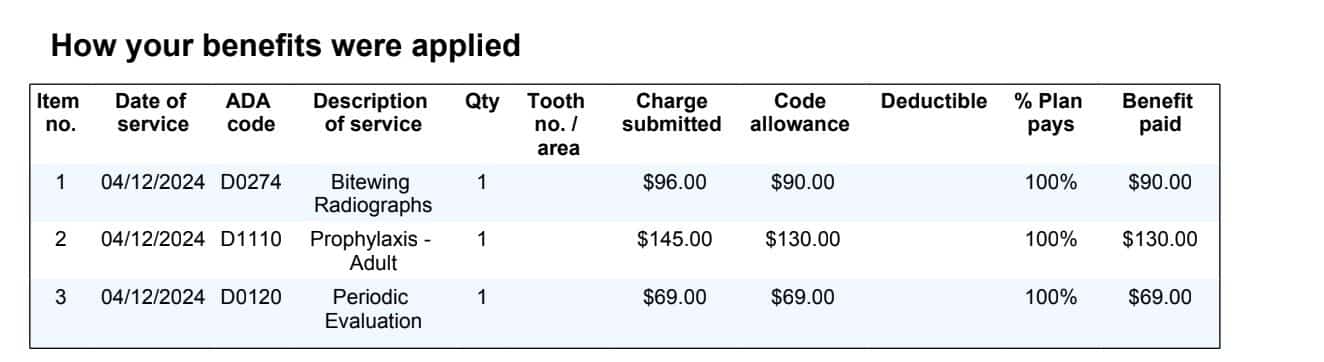
The carrier processes medical claims presented by providers or members. It reviews the bill and decides how much of it is covered by the policy, how much the patient is responsible for, and whether the service is eligible at all.
Member Services and Support
Most carriers offer support to policyholders in the form of customer service hotlines and help desks. These handle benefits inquiries, service issues, claim status updates, and many other needs. Members can often access policy documents and benefits summaries online via a mobile app or web portal.
Along with an understanding of what a health insurance carrier is, it’s also useful to know some examples of organizations that fill the role. Here are a few of the biggest names in health insurance carriers in the United States:
Each offers many types of individual, family, employer-sponsored, and government-funded plans. Some operate nationally, while others are more regional or only licensed to operate in certain states.

In the United States, health insurance carriers are tightly regulated on the state and federal level. Thanks to the Affordable Care Act (ACA), there are specific rules about minimum essential coverage, essential health benefits, subsidies, and consumer protections, including for those with pre-existing conditions.
Insurance carriers must also comply with the rules set by their state’s department of insurance. This is the agency that licenses and regulates all carriers that do business in that state. The state insurance department must ensure that the carrier is solvent, that it is upholding consumer rights, that it has had its rates approved by the state, and that it makes all necessary disclosures to policyholders.
Many federal laws also apply to health insurance carriers such as the ACA, ERISA , HIPAA, Mental Health Parity, and others.
For example, HIPAA dictates how carriers must protect your private health information, and ERISA mandates transparency in employer plan benefits.
Despite the clear definition, several misconceptions about health insurance carriers are still out there. One is that they are actively denying care or are the cause of denied care. This is not the case; health insurance carriers only determine if something is covered based on contractual terms and medical necessity, usually with the consultation of licensed doctors and review boards.
Another misconception is that carriers are all the same and offer similar plans. While carriers may all offer the same “kinds” of plans (HMO, PPO, EPO, etc. ), they can have very different specific terms and benefits, including copays, formularies, provider networks, etc., and customer experience.
Not all health carriers are created equal. Carriers may offer the same plans (ie, HMO, PPO), but the plan details like coverage, copays, provider networks and customer service can differ widely. This can make a huge impact on your access to healthcare and how much you pay out of pocket.We at PEO4YOU work with individuals and companies across the United States to help find the best health and life insurance carriers and plans that are right for you. Visit PEO4YOU today to see how we can help you find the right coverage that fits your needs and budget.
April 17, 2026

April 17, 2026
April 16, 2026
April 16, 2026
Recent Posts

April 17, 2026

April 17, 2026

April 16, 2026

April 16, 2026

April 15, 2026

April 15, 2026
Get In Touch— We’re available 24/7
"*" indicates required fields
“We respect your privacy. Your contact information will be used solely for the purpose of responding to your inquiry and will not be shared with third parties.”
Click To Open Modal
Get In Touch— We’re available 24/7
"*" indicates required fields
“We respect your privacy. Your contact information will be used solely for the purpose of responding to your inquiry and will not be shared with third parties.”
Thanks!
We will be in touch soon.
If you're looking to book a consultation now
Affordable health and benefits plans for small businesses, freelancers, and independent contractors.



Copyright © 2026. Peo4you. All rights reserved.