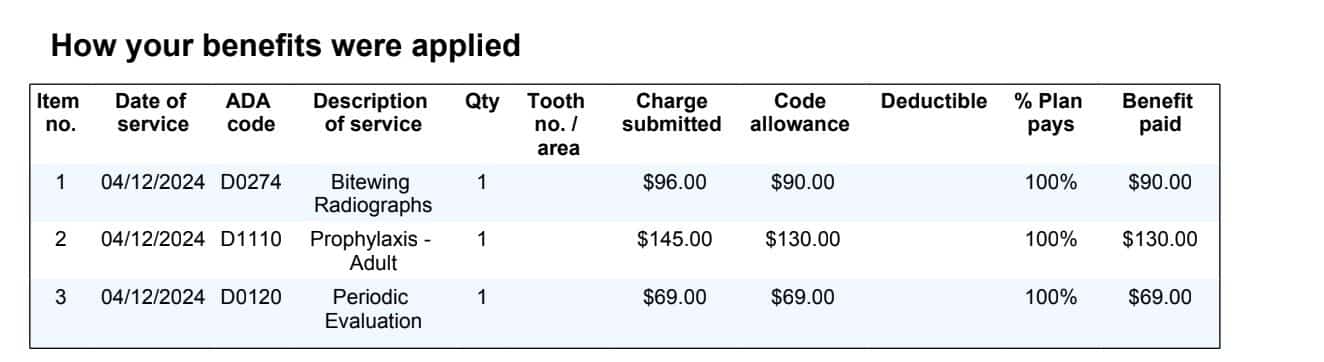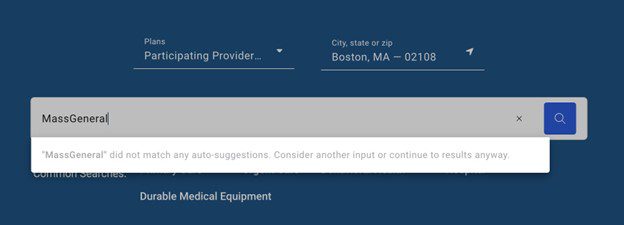


People find receiving medical bills confusing and frustrating even when they are insured. While many health insurance policyholders expect complete coverage for medical costs their insurance might still result in unexpected bills due to numerous reasons. This section provides insight into typical situations when you receive a medical bill and guidance on how to handle them.
When you visit an in-network hospital or clinic they may employ specialists like anesthesiologists and radiologists who are not covered by your network. Your insurance covers just a part of their bill so you must cover the rest of the total cost. Balance billing happens when your healthcare provider bills you for the gap between their overall charges and what your insurance covers.
Example: During surgery at an in-network hospital you find your anesthesiologist is not included in your insurance network. Your insurance covers part of your medical expenses but you will receive another bill for the outstanding balance.
Solution: While the No Surprises Act offers protection from specific out-of-network billing charges you still need to confirm provider network status before non-emergency care.
Within your healthcare insurance plan you’ll find a deductible which represents the portion you pay yourself before insurance starts covering expenses. Many insurance plans require patients to cover a portion of medical expenses via copayments or coinsurance payments even after fulfilling their deductible obligations.
Example: The deductible for your healthcare insurance coverage stands at $1,500. You must pay $1,500 from your pocket for a $2,000 medical bill if you haven't reached your annual deductible yet with insurance covering the rest according to your plan's specifics.
Solution: Study your healthcare insurance coverage documents to learn about your deductible amounts as well as your copayments and upper limits for out-of-pocket expenses.

Every insurance plan does not provide coverage for all types of medical services. Certain medical procedures as well as treatments and medications need pre-approval from insurance providers before they can be used and might not be covered by standard insurance plans.
Example: A number of health insurance policies exclude alternative treatments including acupuncture and fertility treatments like in-vitro fertilization (IVF) from their coverage. You may need to pay for these services fully if you decide to receive them.
Solution: Check with your insurance provider to find out if your healthcare insurance plan covers the procedure you plan to undergo.
Healthcare insurance coverage plans often stipulate that pre-authorization must be obtained before they will pay for certain treatments and specialist visits. Your insurance company is likely to reject your claim if your healthcare provider did not get prior approval.
Example: Your doctor orders an MRI for a non-emergency condition without getting prior approval from your insurance company. The denial of your insurance claim leaves you responsible for the entire amount of the bill.
Solution: You should verify if prior authorization is required before scheduling procedures and make sure that this authorization has been received.
Healthcare provider documentation shortcomings and billing code mistakes alongside administrative errors often lead to insurance companies denying claims.
Example: Your healthcare insurance coverage rejects payment when a routine lab test receives a coding error that labels it as a more expensive procedure.
Solution: Request an itemized bill regularly and ensure it matches your Explanation of Benefits (EOB) before appealing any claims that were denied.
Different parties become responsible for unpaid medical bills depending on specific circumstances when healthcare insurance coverage does not fully pay charges. This breakdown points out which parties are accountable and provides steps to handle your medical expenses.
As the health insurance policyholder you hold the responsibility for settling medical bills not covered by your insurance plan. This includes:
Healthcare providers including hospitals and doctors may offer reduced charges on bills or establish payment plans for patients. Financial assistance programs exist at many medical providers to help patients who struggle to pay their bills.
If your job provides healthcare insurance coverage you may find your employer is available to explain benefits details or help resolve disputes and possibly offer extra benefits.
Certain employers provide health reimbursement arrangements (HRAs) to assist their employees with paying medical expenses directly.
Insurance companies often reject claims because of coding mistakes or missing documentation as well as wrong eligibility assessments. Many denied claims are successfully appealed.
Government programs including Medicaid and hospital charity programs along with nonprofit financial assistance options may be available to people who face difficulties paying medical bills.

When you receive a medical bill that your healthcare insurance doesn't cover remember that you still have multiple options available to you. Examine your bill thoroughly before attempting to negotiate the charges and research assistance programs offered by employers as well as government and non-profit organizations.
It's important to determine the cause behind medical billing after insurance coverage to prevent paying costs you shouldn't. Understanding your healthcare insurance specifics along with reviewing billing mistakes and payment assistance programs enables you to manage medical costs effectively.
PEO4YOU provides small businesses and individuals with affordable healthcare insurance coverage options by helping them find optimal health plans.
Businesses and employees receive necessary coverage through employer-based and individual health plans from experts who eliminate surprise medical costs. PEO4YOU assists both small business owners who offer health benefits and individuals searching for complete healthcare plans by simplifying the process and connecting them with suitable insurance options.
Recent Posts

March 1, 2026


February 25, 2026

February 21, 2026

February 15, 2026

February 8, 2026

February 4, 2026
Get In Touch— We’re available 24/7
"*" indicates required fields
“We respect your privacy. Your contact information will be used solely for the purpose of responding to your inquiry and will not be shared with third parties.”
Click To Open Modal
Get In Touch— We’re available 24/7
"*" indicates required fields
“We respect your privacy. Your contact information will be used solely for the purpose of responding to your inquiry and will not be shared with third parties.”
Thanks!
We will be in touch soon.
If you're looking to book a consultation now
Affordable health and benefits plans for small businesses, freelancers, and independent contractors.



Copyright © 2026. Peo4you. All rights reserved.