

Choosing health coverage is one of the few business decisions that can affect both cash flow and employee health on day one, yet many owners admit they don’t fully understand how the system works. Policy brochures are often filled with terms such as premium, deductible, coinsurance, and out-of-pocket maximum, while carrier quotes display line items that seem to increase every renewal. First-time buyers confront another hurdle: selecting a network and benefit level without knowing what care will actually cost.
For small-business leaders, the stakes grow even higher; the wrong plan can strain budgets, drive away talent, or expose the company to unexpected medical bills. A clear, plain-language explanation of how health insurance works turns that confusion into confident decision-making and positions employers to offer coverage that protects people and the bottom line.
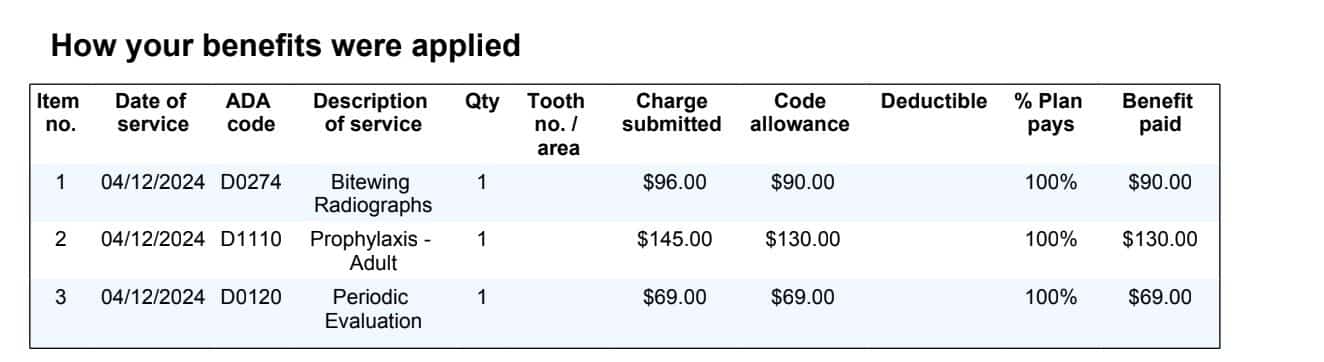
Health insurance helps individuals and businesses manage the cost of medical care by sharing expenses with a carrier. You pay a monthly premium to maintain coverage, and when care is needed, whether it is a routine checkup or a major procedure, the insurer pays based on your plan’s terms. Most policies include a deductible, which is the amount you pay out of pocket before insurance begins covering costs. After that, the plan covers a portion of medical bills with shared costs like copays or coinsurance until you reach your out-of-pocket maximum.
Each plan has core components: a deductible, copays or coinsurance, and an out-of-pocket maximum, which caps your total yearly spending. Once you hit that limit, the insurer pays the full cost of all covered services.
Understanding how health insurance works is the first step for business owners who want to offer competitive benefits. Through PEO4YOU, options like small business health plans make it easier for small companies to provide strong coverage without facing unpredictable rate increases.
Understanding how health insurance works starts with knowing the system it operates within. In the U.S., health coverage is delivered through both private insurers and public programs, with a wide range of plan types, cost structures, and coverage levels. Here's a breakdown of the key components that shape the experience of having and using a health plan.
In the United States, health insurance is a mix of public and private options. Public programs like Medicare and Medicaid cover specific populations, such as seniors, low-income individuals, and those with disabilities. Most working adults, however, get coverage through private insurance, either through an employer or through the ACA Marketplace.
The Affordable Care Act made it easier for individuals and small businesses to compare and buy plans, often with subsidies to lower costs. These private plans are regulated but vary in cost, benefits, and provider networks.
Most comprehensive health insurance plans cover a broad range of services, including:
Coverage may differ based on your plan, but these core areas are part of essential health benefits under ACA-compliant policies.
What is a health insurance premium? It’s the amount you pay every month to keep your policy active, regardless of whether you use medical services. Like a subscription, it maintains access to coverage. Premiums vary based on your age, location, the type of plan, and whether the insurance is for an individual, family, or group. Employers often pay a portion of premiums for their staff, which helps reduce out-of-pocket costs.
These cost-sharing structures determine how much you pay at each stage of care.
The out-of-pocket maximum is the most you’ll pay for covered services in a given year. Once you hit that cap through deductibles, copays, and coinsurance, your plan covers 100% of the remaining eligible costs. It protects you from unlimited medical expenses, especially in the case of serious illness or injury.
Small-business coverage follows the same basic insurance mechanics, premiums, deductibles, and networks, but it is purchased and regulated as a group plan rather than as individual coverage. Understanding these differences helps owners budget accurately and choose plans that attract and keep talent.
A business with 2 to 50 full-time equivalent employees can buy group health insurance. The owner selects one or more plans from a carrier, and the group rate applies to every eligible employee who enrolls. Premiums are paid each month. The employer must cover at least 50 percent of the employee's only premium in most states, while employees pay the balance (and any added cost for dependents) through payroll deduction.
Group plans are guaranteed issue, and there is no medical underwriting on individual workers, so everyone who is eligible can enroll during the open enrollment period. Owners who want added rate stability often turn to pooled risk solutions through PEO4YOU, such as small business health plans that offer large group pricing and consistent premiums.
| Feature | Individual Marketplace Plan | Small-Business Group Plan |
| Pricing basis | Rate set per person, age, ZIP code, and tobacco status | One composite or age-banded rate for the group |
| Employer contribution | None (consumer pays full premium) | Employer typically pays ≥ 50 % of the employee's premium |
| Tax treatment | Premiums may be deductible on personal taxes | Employer premiums are business-deductible; employee share is pre-tax |
| Plan choice | Employee selects any Marketplace plan | Employer selects menu; employees pick from offered plans |
| Regulatory oversight | ACA individual-market rules | ACA small-group rules plus state participation requirements |
In short, group coverage pools risk and purchasing power, often lowering net cost and simplifying payroll deductions compared with each worker buying their own plan.
At the federal level, the Affordable Care Act no longer imposes a tax penalty on individuals who fail to obtain health insurance. That said, several states, California, Massachusetts, New Jersey, Rhode Island, and the District of Columbia, have their own mandates. Residents in those jurisdictions must maintain minimum essential coverage or pay a state penalty at tax time.
While employers with 50 or more full-time employees must still offer affordable coverage under the ACA’s employer mandate, smaller firms are exempt from this requirement but often choose to provide a plan to stay competitive.
For most people, plan changes typically occur during open enrollment, a designated period when you can enroll in or switch plans for the upcoming year. Outside that window, you must experience a qualifying life event, such as marriage, divorce, birth or adoption of a child, loss of other coverage, or a move to a new service area, to trigger a special enrollment period. In the employer setting, a change in job status (from full-time to part-time or vice versa) can also open a brief window to select a new plan.
Start by listing your expected medical needs and preferred doctors, then weigh three core factors:
PEO4YOU turns complex insurance language into clear next steps for owners who want to understand how small business health insurance works. Advisors explain premiums, deductibles, and funding structures in simple terms, allowing you to see how each choice affects your cash flow and coverage. PEO4YOU then compares traditional group plans with practical alternatives offered through its platform, highlighting the advantages for your team size, budget, and long-term goals.
Schedule your free health insurance consultation with PEO4YOU today and learn exactly how small business health insurance works so you can choose the right option for your team. You can also explore available coverage through small business health plans.
Recent Posts

March 1, 2026


February 25, 2026

February 21, 2026

February 15, 2026

February 8, 2026

February 4, 2026
Get In Touch— We’re available 24/7
"*" indicates required fields
“We respect your privacy. Your contact information will be used solely for the purpose of responding to your inquiry and will not be shared with third parties.”
Click To Open Modal
Get In Touch— We’re available 24/7
"*" indicates required fields
“We respect your privacy. Your contact information will be used solely for the purpose of responding to your inquiry and will not be shared with third parties.”
Thanks!
We will be in touch soon.
If you're looking to book a consultation now
Affordable health and benefits plans for small businesses, freelancers, and independent contractors.



Copyright © 2026. Peo4you. All rights reserved.